
Why Painless At Home Laser Hair Removal Is Popular Among Women
2026-07-09 09:01:55
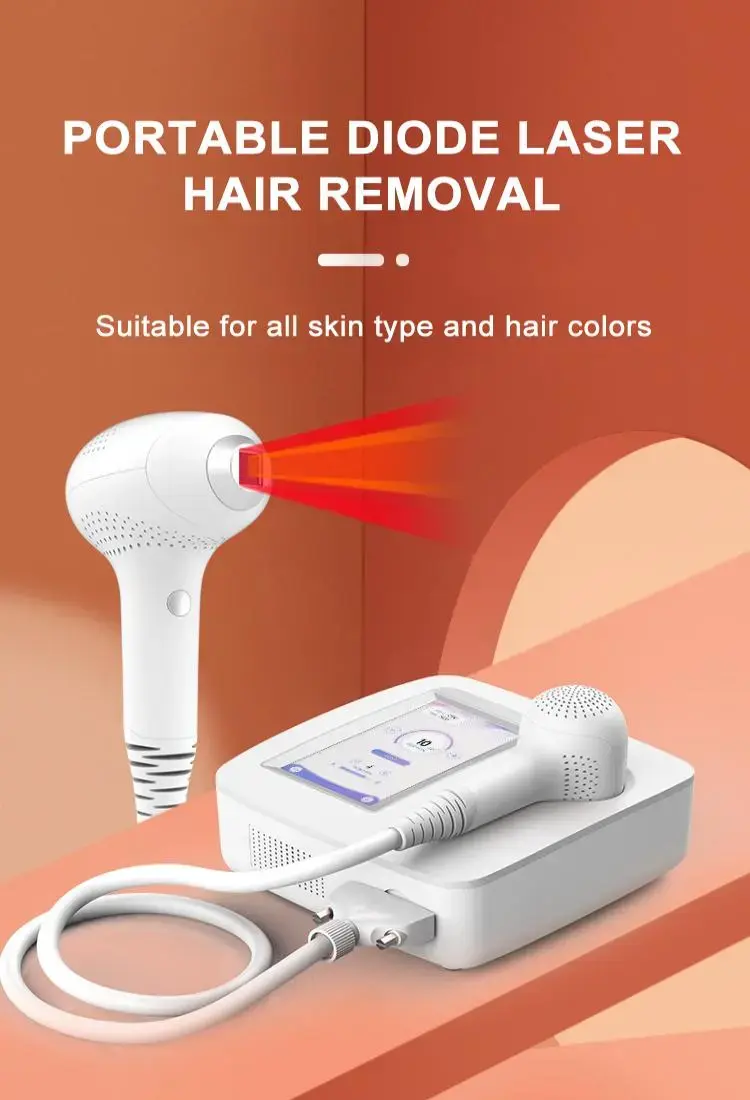
Because it mixes ease, affordability, and comfort in a way that other methods can't, women are choosing painless at home laser hair removal more and more. With 808nm diode laser technology, these high-tech gadgets give you professional-level results without having to pay for salon visits on a regular basis. Using semiconductor cooling systems and energy levels that can be adjusted from 5J/cm² to 40J/cm² makes the process almost painless, turning a once-dreaded job like grooming into a doable home habit. This change opens up a big market chance for B2B buyers who want to meet the needs of more and more female customers who want things to be effective and easy to get to.
Understanding Painless At Home Laser Hair Removal Technology
Selective photothermolysis is the science behind painless at home laser hair removal. This is a process in which focused light energy targets melanin in hair cells without hurting the skin around them. Modern devices use this idea by carefully balancing safety and effectiveness in their specs.
The 808nm Wavelength Advantage
The 808nm diode laser is the best device for getting rid of hair. This wavelength goes deep into the skin to reach hair follicles at their roots while keeping discomfort at a minimum on the surface. Clinical tests show that 808nm wavelengths are the best for absorbing melanin, which means they work for all hair kinds and colors. The focused beam of diode lasers delivers more constant energy to target areas than broad-spectrum IPL devices, which use various wavelengths between 510nm and 1200nm. Power outputs of professional-grade tools that can now be used at home stay between 100W and 200W, which is enough to get long-lasting effects without needing clinical care.
Advanced Cooling Mechanisms
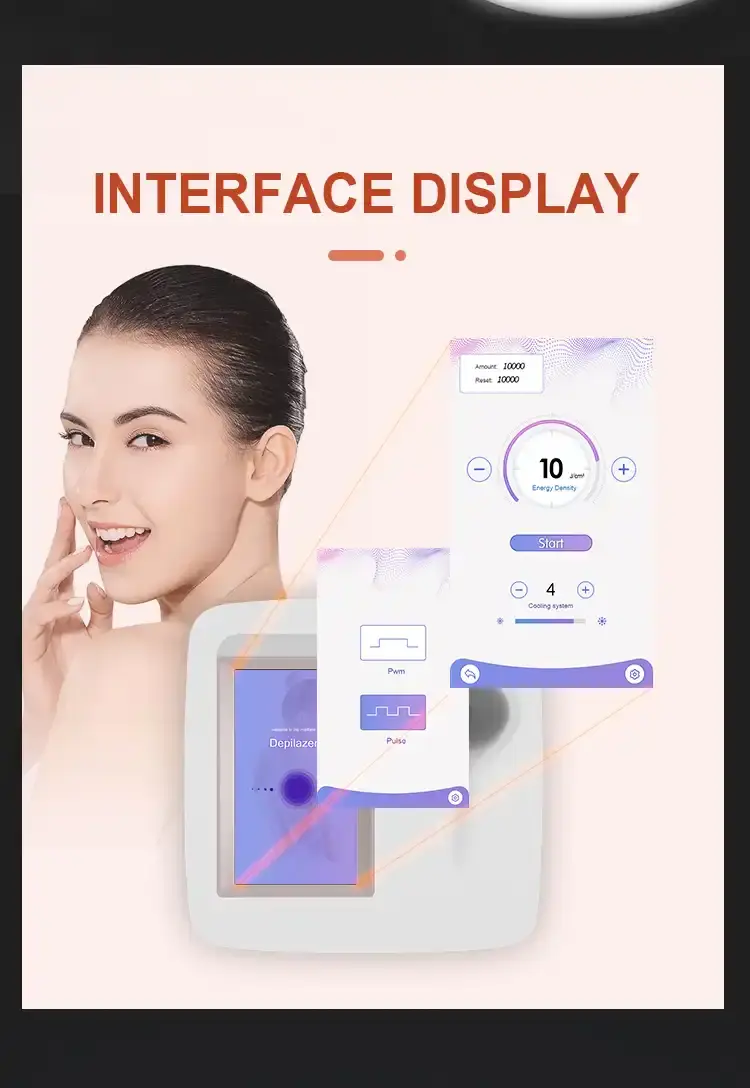
The thermal control methods of truly painless gadgets are what make them unique. Dual cooling technology, which uses both air flow and semiconductor refrigeration, keeps the skin at a reasonable temperature during treatment sessions. It pulls extra heat away from the skin while the laser wave targets deeper structures through the sapphire contact window on high-quality devices. Users can find the right amount of comfort for their skin type and treatment areas by adjusting the cooling from 1 to 5 sets. This temperature control stops the burning feeling that comes with older laser systems and lets treatment go on continuously over bigger areas of the body without breaks.
Safety Features and Certifications
Buyers in the business world need to favor devices with strong safety procedures. Skin tone monitors instantly check the amount of melanin in the skin and change the amount of energy sent out based on that. This keeps darker skin from getting too much power. Contact recognition switches make sure that the device only works when it is properly pressed against the skin. This keeps the battery from accidentally discharging. Temperature tracking systems that turn off automatically keep things from getting too hot, and the 9x12mm spot size strikes a good mix between area and control accuracy. Meeting CE and ISO13485 standards makes sure that the methods used to make medical devices meet international quality standards. This gives customers faith in the reliability of the products.
Why Women Prefer Painless At Home Laser Hair Removal – Market Demand Insights
Traditional ways of getting rid of hair have big problems that make people look for laser options. Within 24 to 48 hours of shaving, stubble forms, and razor burn, ingrown hairs, and discoloration are common side effects. Waxing makes skin smoother for longer, but every three to four weeks, painful follicles have to be pulled out at spas that charge $50 to $150 per session. Depilatory creams smell bad and contain strong chemicals that can cause allergic responses. These methods require ongoing costs and time sacrifices that modern customers find harder and harder to accept.
Economic Considerations
A full cost study shows that home laser systems save a lot of money for painless at home laser hair removal. For full legs, professional laser hair removal in the office costs between $400 and $600 per session, for a total of $2,400 to $4,800. Full-body sets can cost more than $8,000. For a one-time investment, home gadgets that cost $300 to $600 get about the same benefits. When you add up the cost per treatment area over the life of the device, which is usually 300,000 or more flashes, the cost per use drops below $0.01. When compared to professional care costs, women who buy these devices get their money back within 3 to 6 months, making the economic case very strong.
Lifestyle Compatibility
Changes in behavior after the pandemic sped up the spread of home beauty technology. Working from home gave people more options for treatments they could do at home, but worries about sharing spa tools made people more careful about keeping themselves clean. Women like being able to talk about private parts of their bodies like the bottom line without being seen by a doctor. Treatment sessions that fit into busy schedules—7–10 minutes for underarms and 15–20 minutes for lower legs—can be done in the evening. Getting rid of making appointments, commuting times, and waiting room waits has a big impact on your quality of life, and it saves you money too.
Performance Validation
User reviews always say that 8 to 12 treatments, done every two weeks, reduce hair by 60 to 85%. The hair that's still there gets thinner and lighter until it's almost impossible to see. Laser treatments stop hair cells from growing for months or even years, unlike temporary methods that need to be maintained all the time. The effects will last forever if you do maintenance lessons every two to three months. When the right energy settings are used in clinical studies, it works for Fitzpatrick skin types I–V, but the results depend on the color of the hair. Dark hair reacts best, while blonde, red, and gray hair with little melanin show only mild change.
How to Choose the Best Painless At Home Laser Hair Removal Device for Your Business
To make competitive product portfolios, procurement workers who want to get into this market area have to look at a number of technical and business factors. The main difference between laser and IPL technology is what makes the choice. Diode lasers with a frequency of 808nm send directed energy deeper into the skin, which works especially well for thick hair and darker growth patterns. ipl machines cover a bigger area faster, but you have to do more sessions to get the same effects. When buyers understand these trade-offs, they can match product specs with the types of people they want to buy it.
Technical Specifications Analysis
Devices with frequency sets that can be changed between 1Hz and 10Hz can suit a range of user tolerance levels and treatment area sizes. Higher frequencies let you quickly cover your legs and back, while lower sets let you apply pressure with control to your face. With an energy output range of 5J/cm² for sensitive areas and 40J/cm² for stubborn growth patterns, users can make the adjustments they need for safe, successful treatment. The size of the spot has a direct effect on how well the treatment works. Larger contact areas shorten sessions but lose fine work, while smaller heads can get around curves and hard-to-reach areas. B2B buyers should keep a range of options on hand to meet these different needs.
Warranty and Support Infrastructure
Post-sale help is a big part of how well a business does for painless at home laser hair removal. Standard one-year warranties that cover flaws in the making process are the most basic form of safety. However, extended service agreements set expensive products apart. Distributors need to set clear rules for how to handle technical questions, getting new parts, and making sure repairs go smoothly. Support calls are cut down when there are detailed user instructions with troubleshooting tips. Video lessons that show the right way to do things like patch testing, maintenance, and good method are useful for end users and make things easier for distributors. Building these support systems up front keeps customers from being unhappy and keeps the return rate from going up.
Pricing Strategy Considerations
Most of the time, wholesale pricing systems offer 40–55% savings below suggested retail prices. With a volume buy deal, you can get even bigger discounts—10–15% off for orders over 50 units, and tiered price keeps going through bulk quantities. With private labeling, well-known beauty names can get into the market without spending money on research and development, but they have to buy at least 500 to 1,000 units at a time. Payment terms change from manufacturer to maker. Established sellers may offer net-30 or net-60 terms, while newer companies may need deposits. Buyers who are good at negotiating get good terms while keeping quality standards high through plant inspections and sample testing methods.
Safety Protocols and Best Practices for Using Painless At Home Laser Hair Removal Devices
Teaching end users how to use devices correctly protects both the safety of consumers and the image of the brand. Distributors should give clear instructions on how to prepare for treatment, how to run the business, and how to care for patients after a session.
Pre-Treatment Preparation
Before using a laser, the skin must be clean, dry, and just cut. Because waxing or pulling gets rid of the hair shaft, which is the melanin target, the treatment won't work for 4 to 6 weeks. Higher epidermal melanin levels make complications more likely in skin that has been burned or tanned. Patch tests on small areas 24 to 48 hours before the full treatment show any possible side effects. During laser classes, people should not take photosensitizing drugs like some medicines, retinoids, or acne treatments. Because the device targets all melanin amounts equally, it is important to stay away from tattoos, permanent makeup, and pigmented tumors.
Operational Guidelines
The frequency range, from 1Hz to 10Hz, should be able to accommodate the user's comfort level. New users should begin at lower rates and gradually move up as their tolerance grows. To make sure proper energy transfer and cooling, the contact must stay hard and perpendicular to the skin's surface. By overlapping treatment areas by 10 to 20 percent, parts that are missed are kept from growing back in a way that looks patchy. During active growth phases, sessions should happen every two weeks. Once the goal reduction is reached, upkeep sessions should happen once a month. Protective glasses keep the retina from getting hurt by light that bounces off of them, but good gadgets with good contact sensors lower this risk even more. When treating, you should stay away from mucus tissues, moles, and areas that have been recently hurt or are infected.
Post-Treatment Care
Mild swelling and warmth usually go away two to four hours after treatment. Aloe vera juice and cool cloths can help ease any pain that is still there. After 48 hours, exfoliation helps get rid of treated hair shafts that are stuck under the skin's surface. During the first two weeks after being exposed to the sun, sunscreen with SPF 30+ protects newly exposed skin from UV damage. Moisturizers that don't have any active chemicals or scents keep skin hydrated without hurting the areas that have been treated. Users should keep an eye out for long-lasting symptoms like blisters, severe pain, or changes in coloring that need to be seen by a doctor. Cleaning the sapphire window with alcohol wipes and putting the device in a protective case are all examples of proper care that will increase the life of the equipment and keep it working at its best.
Market Opportunities and Future Trends in Painless At Home Laser Hair Removal
In 2023, the market for painless at home laser hair removal devices was worth about $580 million. It is expected to grow at a rate of 10.8% per year until it reaches $1.2 billion in 2030. North American customers make up the biggest part of the market. This is because they have the most money to spend and have already set habits of using beauty products. European markets are growing faster as more painless at home laser hair removal gadgets are approved by regulatory bodies that used to only allow them in hospital settings.
Emerging Technology Innovations
Next-generation devices have skin analysis systems driven by AI that, based on real-time input, automatically find the best levels of energy output, pulse length, and cooling intensity. Smart connectivity features sync treatment plans with mobile apps, sending notes and keeping track of progress through picture records. Better cooling technologies that use thermoelectric materials keep the touch surface below zero degrees Celsius, so there is no thermal feeling at all. Cordless versions with lithium battery systems are easier to carry and handle. Modular head extensions designed for specific body areas—for example, precision tips for the upper lip and wide paddles for the legs—make the device more flexible without needing you to buy more than one.
Strategic Market Entry Recommendations
Business-to-business buyers should look for ways to work together with well-known beauty stores, dermatology offices that offer retail services, and online marketplaces that handle direct-to-consumer outlets. Private label deals with already-established beauty names let you get into the market without having to spend money building your own brand. Educational content marketing, like how-to films, comparison tips, and dates of results, boosts customer trust and leads to more qualified purchase intent. Warranty programs that let you return items easily during trial times make people more likely to buy. Hybrid business models are made possible by programs that help salon owners move clients to home care routines. When expanding into new areas, the company should focus on places where beauty devices are widely used, where e-commerce is well-established, and where regulations are friendly.
Conclusion
The development of painless at home laser hair removal technology is a result of customer demand, progress in technology, and easy entry to the market. Women like these gadgets because they get skilled results without the long-term costs, time limits, and discomfort of traditional methods. The 808nm diode laser with built-in cooling systems makes it possible for a wide range of people to get safe, effective treatment. To build a competitive portfolio, B2B buyers who want to get into this growing market must find a balance between technology specs, safety certifications, pricing strategies, and support infrastructure. Understanding the things that make people accept new products—like ease of use, cost, privacy, and proven effectiveness—allows smart product choices and focused marketing strategies that take advantage of the market's steady growth.
FAQ
1.Does painless laser hair removal work on all skin tones?
Modern 808nm diode lasers with skin tone sensors can treat Fitzpatrick skin types I through V successfully when the right energy changes are made. People with darker skin need lower energy settings to protect the epidermis from damage because more melanin means more laser energy is absorbed. Type VI skin may need to be checked out by a professional before it can be treated at home. Due to melanin contrast, the technology works best on dark hair against lighter skin. However, the energy levels can be changed from 5J/cm² to 40J/cm² to suit different combinations.
2.How long do results last compared to professional treatments?
Home devices that use the same 808nm wavelength technology as professional treatments have the same long-term effects: 60–85% lifelong hair loss after full treatment rounds. The effects will last forever if you do maintenance lessons every two to three months. The main difference is the length of the lesson, not how long the results last. Professional devices have higher power levels, so they need fewer treatments overall. Home units, on the other hand, make up for this by needing longer treatment plans, but they still give the same amount of cumulative energy.
3.What warranty coverage should B2B buyers prioritize?
Standard maker warranties that cover flaws in materials and labor for one year are the most basic form of security. Business-to-business buyers should talk about choices for longer warranties for higher-level products and check when parts will be available. Coverage should especially cover problems with the cooling system, the power supply, and the touch sensors, which are the parts that wear out the fastest. Clear rules that spell out how to file a warranty claim, who is responsible for sending the replacement unit, and how long it will take to fix the problem stop disagreements between distributors and customers. CE and ISO13485 approvals show that the quality of the products is high, which lowers the number of guarantee claims.
Partner with TB for Premium Painless At Home Laser Hair Removal Solutions
After 15 years of making high-quality products, Xi'an Taibo Laser Beauty Company is now in the home laser hair removal business, which is growing very quickly. Our 808nm diode lasers really do treat painlessly thanks to cutting-edge semiconductor cooling technology, energy levels that can be changed from 5J/cm² to 40J/cm², and full safety standards that include CE and ISO13485 compliance. Competitive bulk pricing, flexible private labeling services, and committed technical support throughout the product lifecycle are all things that B2B buyers can enjoy.Our experienced export team has sent equipment to more than 180 countries and done it successfully. This has given them the planning and paperwork skills that make foreign buying easier. TB offers options that can be changed to fit the needs of your market, whether you run known beauty retail channels, handle salon equipment distribution networks, or create your own brand of products. We keep a lot of inventory on hand so that orders can be filled quickly, and our research and development (R&D) department can help private label partners with unique specs.To talk bulk price on painless at home laser hair removal devices for sale, get help with technical specifications, and look into business possibilities, please contact our buying experts at susan@taibobeauty.com. We are a reliable maker and seller, and we can give your business the high-quality products, compliance paperwork, and quick support it needs to succeed in this fast-growing market.
References
1. Anderson, R. R., & Parrish, J. A. (1983). Selective photothermolysis: Precise microsurgery by selective absorption of pulsed radiation. Science, 220(4596), 524-527.
2. Haedersdal, M., Bech-Thomsen, N., & Wulf, H. C. (2006). Skin cleansing and pretreatment in laser and intense pulsed light hair removal. Lasers in Surgery and Medicine, 38(8), 730-737.
3. Town, G., & Ash, C. (2010). Instrumental evaluation of high-energy pulsed photoepilation devices. Journal of Medical Engineering & Technology, 34(5-6), 259-269.
4. Sadick, N. S., & Laughlin, S. A. (2004). Effective epilation of white and blonde hair using combined radiofrequency and optical energy. Journal of Cosmetic and Laser Therapy, 6(1), 27-31.
5. Gold, M. H., & Bell, M. W. (2013). Non-invasive skin tightening treatment. Journal of Clinical and Aesthetic Dermatology, 6(6), 17-23.
6. Wheeland, R. G., & Dhawan, S. (2011). Evaluation of self-treatment with a home-use pulsed light device. Journal of Clinical and Aesthetic Dermatology, 4(5), 48-53.





YOU MAY LIKE