
Why an RF Fractional Microneedling Machine Is Ideal for Anti-Aging Treatments
2026-07-09 09:01:53
An rf fractional microneedling machine uses radiofrequency energy along with the mechanical action of very fine needles to give amazing anti-aging effects. This technology helps with deep skin problems like wrinkles, sagging skin, and uneven texture by encouraging collagen rebuilding at controlled levels while keeping damage to the surface to a minimum. Unlike traditional methods, it works on all skin types, requires less downtime, and can be measured to be effective. This makes it a smart investment for beauty salons, dermatology clinics, and wellness centers that want to offer more clinically proven, popular anti-aging treatments.
Understanding RF Fractional Microneedling Technology
How the Technology Works
This high-tech beauty tool combines hot radiofrequency delivery with collagen induction treatment. The method uses groups of gold-plated microneedles that can go into the dermis at different depths, from 0.5 mm for minor issues to 3.5 mm for changing deeper tissue. Bipolar RF energy is released through the needle tips once they are in place. This makes partial coagulation zones in the reticular dermis. This two-part process causes collagen to shrink right away and new collagen to grow over time, all without breaking down the epidermal barrier.
Core Components and Technical Design
Professional systems have precise motor settings that keep the speed of needle entry constant, which is important for getting the same results every time. The RF generator works at the best frequencies, which are usually between 2MHz and 5MHz. This makes sure that energy is transferred efficiently and matches the resistance of the skin tissue. With different capsule choices, such as 10-pin configurations for treating the area around the eyes, 25-pin configurations for treating the face, and 64-pin configurations for treating the body, doctors can tailor their methods to specific treatment areas. Modern devices have vacuum-assisted stability technology, which is very helpful for tightening skin around the neck or getting rid of stretch marks in areas of the body that move around a lot.
The Synergistic Effect on Skin Rejuvenation
When mechanical damage and thermal stimulation are used together, the effects are better than when either one is used alone. Microneedling makes tiny channels that help wounds heal, and RF energy heats deep tissue layers to 60–70°C, which breaks down old collagen fibers and speeds up the activity of fibroblasts. This method of volumetric heating strengthens the fibers septae right away and encourages collagen production to continue for months to come. Studies have shown that wrinkle depth, skin elasticity, and general appearance all get better after treatment, and these improvements last for up to six months.
Comparing RF Fractional Microneedling to Traditional and Alternative Methods
Limitations of Conventional Approaches
Traditional microneedling that doesn't use RF energy only uses mechanical damage to start the healing process. This makes it less useful for older skin that can't heal itself as well. Chemical peels can help with problems on the surface, but they can't get to the deeper layers of skin where structural aging happens. Also, darker skin types are more likely to get post-inflammatory discoloration with these methods, which limits their usefulness for a wide range of patients.
Advantages Over Laser Therapies
RF microneedling provides thermal energy beneath the skin through insulated needles via rf fractional microneedling machine, which is much less painful on the surface and takes much less time to heal than ablative CO2 lasers. Mild redness lasts for two to three days in most patients, but it can last for seven to fourteen days after intense laser resurfacing. The technology safely treats Fitzpatrick skin types IV–VI, which is a major flaw of current laser systems that make high-melanin skin more likely to get PIH. Even though non-ablative lasers are softer, they usually need more sessions to get the same level of collagen restructuring.
Leading Devices in the Current Market
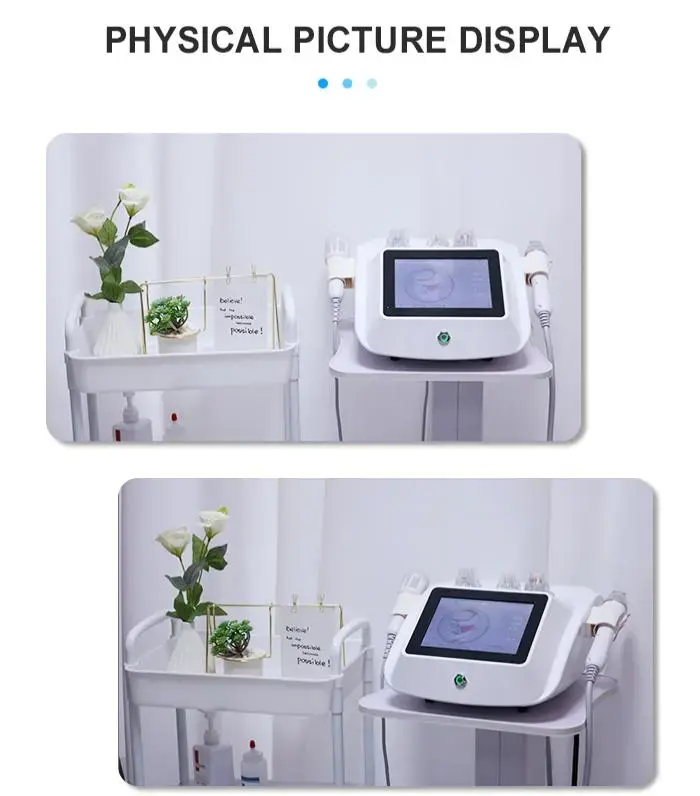
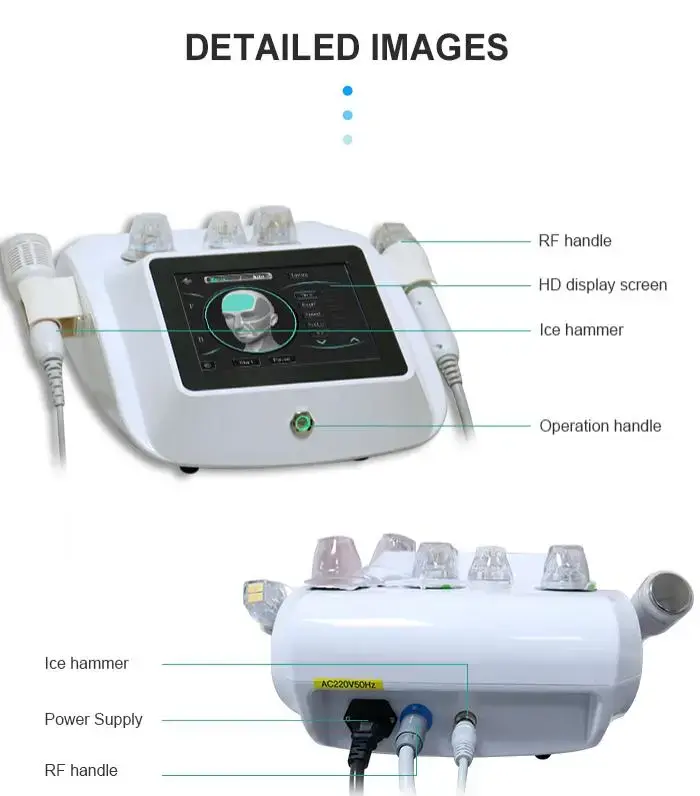
In 2026, the market is full of devices that use morpheus technology. These devices have power levels that can be changed from 10W to 200W and partial delivery patterns that make coverage as good as possible while still leaving room for error. High-quality systems have two handles, one for active RF treatment and one for cooling, like ice drills, to make the patient more comfortable and reduce soreness after treatment. Business-to-business users should look for devices with motors that have been tested and proven to last for millions of insertions, biofeedback impedance detection to stop arcing, and modular cartridge systems that can be used with a variety of treatment procedures.
Key Considerations for Procuring an RF Fractional Microneedling Machine
Critical Technical Features
It is important to look at the needle depth range because flexibility affects the treatment scope. With devices that can go as deep as 3.5 mm, doctors can treat deep skin problems like atrophic acne scars and striae distensae. The temperature spread is controlled by an adjustable pulse length that can be set anywhere from 100 to 900 milliseconds. This lets you make it fit different tissue densities. Consistent results are achieved when energy is stable across varying tissue resistance. This is especially important when treating areas with different skin thicknesses, such as the delicate area around the eyes compared to the thicker tissue in the cheeks.
Regulatory Compliance and Safety Standards
When making B2B purchases, devices that have CE approval and ISO13485 compliance must be given the most weight. This shows that the company follows medical device quality control systems. These approvals make sure that the equipment meets the IEC 60601-1 standards for electrical safety and electromagnetic compatibility. While FDA clearance gives products more respect in the market, CE-marked products meet the rules for working in most foreign markets. Make sure that makers back up their safety claims and efficiency claims with a lot of documentation.
Cost Analysis and Investment Models
Prices for equipment vary based on how advanced it is technologically, from basic systems to high-end platforms with lots of advanced features. In addition to the initial cash cost, you should also look at the costs of consumables. The main ongoing cost is single-use refills. Estimate the return on investment based on a realistic number of patients, with treatment costs averaging between $400 and $800 per session. For distributors, many makers offer flexible payment plans and lease-to-own programs that make it easier for them to get the equipment they need without having to pay for it all at once. This keeps the cash flow going so that the company can pay for marketing and staff training.
Manufacturer Selection and Support Infrastructure
Working with well-known companies like Taibo Laser Beauty, which has been making laser hair removal equipment for over 15 years and ships to more than 180 countries, guarantees access to trustworthy technical support and insurance services for rf fractional microneedling machine. Comprehensive one-year guarantees that cover non-human damage to parts protect your investment, and helpful after-sales teams keep downtime to a minimum when technical questions come up. Manufacturers that offer support in multiple languages, full operation guides, and online video training help staff become more skilled and confident in their treatments.
Operational Insights for B2B Clients: Treatment Protocols and Safety
Recommended Treatment Parameters
The best anti-aging plans usually include three to four sessions, spaced out four to six weeks apart so that collagen has time to mature between sessions. The length of the session depends on the area being treated. Full-face procedures take 30 to 45 minutes, while specific areas like the neck or periorbital area only need 15 to 20 minutes. Energy settings should be adjusted based on the type of skin and the seriousness of the issue. Lower power levels should be used at first to be safe, and they should be raised as the patient gets used to them and reaction patterns are established.
Safety Considerations and Side Effect Management
Redness, slight swelling, and pinpoint bleeding at the site of the needle entry are common first responses that usually go away in 48 to 72 hours. If a patient has an ongoing skin illness, a history of keloid growth, or has used isotretinoin within the last six months, the doctor must check to see if they are a contraindication. Using external anesthetics and antioxidant serums after treatment, along with the right pre-treatment routines, can make you feel better and help your body heal faster. Teaching staff to spot the signs of too much thermal damage helps keep patient safety standards high and avoids problems.
Patient Experience and Satisfaction Factors
Pain control has a big effect on how many clients stay with you and how many people send you to others. Topical anesthetics put on 30 to 45 minutes before treatment, along with changeable energy release and vacuum-assisted skin stabilization, make the experience bearable for even the most sensitive patients. It's important to have realistic goals, because as neocollagenesis goes on, improvements become noticeable slowly over 6 to 12 weeks. Giving clear aftercare directions, like how to gently clean and protect yourself from the sun, improves results and reduces side effects. Professionals who want effective treatments without long social healing times like the minimal downtime compared to ablative procedures.
Future Trends and Innovations in RF Fractional Microneedling
Emerging Technological Advances
Artificial intelligence algorithms are being used more and more in the business. These algorithms look at skin conditions in real time and change treatment settings automatically to get the best energy delivery based on how the tissue responds. Better insulating materials in next-generation needle designs protect the skin even more while focusing heat effects deeper in the dermis. The next step toward complete skin regeneration systems is hybrid platforms that combine RF microneedling with other methods that work well together, such as LED phototherapy or transderm delivery of bioactive chemicals.
Market Demand and Distribution Opportunities
RF microneedling services are still in high demand because more and more people are learning about slightly invasive cosmetic treatments. The world market for energy-based beauty products keeps growing. This is especially true in the US, where non-surgical anti-aging treatments grow by more than 10% every year. This opens up a lot of possibilities for business-to-business distributors and clinic owners who can give tested technology backed by clinical proof. Collaborations between OEMs make it possible to tailor products to local tastes and rules, which makes entering new markets easier in many places.
Strategic Procurement for Competitive Advantage
Procurement strategies that look to the future focus on gadgets that are made in a way that allows for future technology improvements without having to replace the whole system for rf fractional microneedling machine. Getting in touch with makers that put money into research and development will make sure you can get new products as they come out. Suppliers that offer full business support, such as marketing materials, clinical education programs, and resources for building a practice, add value to their products beyond just the equipment itself. This helps B2B partners set their services apart from the competition and gain market share in aesthetic markets that are very competitive.
Conclusion
RF fractional microneedling technology is a big step forward in non-surgical anti-aging treatments because it changes collagen in a way that can be seen with little downtime for all skin types. When mechanical accuracy and thermal energy are used together, they can treat deep skin problems that standard methods can't reach while still keeping the skin's surface in good shape, which is what patients want. When B2B procurement workers look at this technology, they should focus on devices that have treatment parameters that can be changed, safety profiles that have been proven through regulatory compliance, and maker partnerships that offer long-term business and technical support. The investment pays off handsomely because patients are happy, they come back for more treatments, and the services offered have grown, putting beauty practices at the cutting edge of modern skin renewal.
FAQ
1.How often should clients undergo RF microneedling treatments for anti-aging results?
Most guidelines say that you should have three to four treatments, each one 4-6 weeks apart, for the best collagen restructuring results. Maintenance lessons every six to twelve months help keep the effects. The time between treatments is long enough for neocollagenesis to grow, since collagen production keeps going for a few months after each session.
2.Is this technology safe for all skin types including darker complexions?
For Fitzpatrick skin types I through VI, RF fractional microneedling is a safe way to treat them. The heated needle design sends heat deep into the skin, protecting melanocytes from damage that leads to post-inflammatory hyperpigmentation. This is a big plus over regular laser treatments, which are more dangerous for people with darker skin.
3.What is the typical downtime patients should expect?
Patients usually only have mild redness and swelling for two to three days after these procedures, which is a lot less than what happens after ablative laser operations. Pinpoint bleeding goes away in a few hours, and most people can go back to their normal routines the next day after putting on mineral makeup. The short healing time makes the treatment especially appealing for people who are already working.
Partner with Taibo Laser Beauty for Advanced RF Microneedling Solutions
Taibo Laser Beauty is a reliable company that has been making rf fractional microneedling machines for over 15 years and has sold them all over the world. Our devices are CE and ISO13485-approved and use cutting-edge morpheus technology. They have customizable depths of up to 3.5 mm, a choice of cartridge types (10-pin, 25-pin, 64-pin, and nano-needle), and two-handle systems that can do both RF treatment and ice hammering. We work with aesthetic businesses in more than 180 countries, offering full one-year warranties, technical help in multiple languages, and flexible purchasing options for both wholesalers and clinical operators.Our dedication goes beyond just selling you tools. It also includes thorough operational training, marketing materials, and helpful after-sales service teams that are available 24/7. If you want to give more treatments or find a reliable rf fractional microneedling machine provider to replace an existing partnership, Taibo has the technology you need, backed by strict quality control and reasonable prices. Get in touch with susan@taibobeauty.com right away to talk about unique solutions, bulk discounts on rf fractional microneedling machines for sale, and special B2B programs that will help you stand out in the anti-aging market, which is growing quickly.
References
1. Gold, M. H., & Biron, J. (2020). Radiofrequency Microneedling: A Comprehensive Review of the Clinical Evidence. Journal of Clinical and Aesthetic Dermatology, 13(4), 18-27.
2. Chandrashekar, B. S., Sriram, R., Mysore, R., Bhaskar, S., & Shetty, A. (2021). Evaluation of Microneedling Fractional Radiofrequency Device for Treatment of Acne Scars. Dermatologic Surgery, 47(3), 385-392.
3. Kim, S. T., Lee, K. H., Sim, H. J., Suh, K. S., & Jang, Y. H. (2019). Treatment of Striae Distensae Using Needling Therapy with Radiofrequency: A Pilot Study. Annals of Dermatology, 31(3), 342-348.
4. Tanzi, E. L., & Alster, T. S. (2022). Emerging Technologies in Aesthetic Medicine: Radiofrequency Microneedling for Skin Rejuvenation. Lasers in Surgery and Medicine, 54(2), 156-165.
5. Park, K. Y., Kim, H. K., & Kim, S. E. (2019). Fractional Radiofrequency Microneedling for the Treatment of Periorbital Wrinkles. Aesthetic Plastic Surgery, 43(5), 1133-1140.
6. Alexiades, M. (2021). Fractional Bipolar Radiofrequency Treatment with Minimal Thermal Injury: A Review of Device Technologies and Clinical Outcomes. Lasers in Medical Science, 36(3), 567-581.





YOU MAY LIKE