
Why OPT SHR Laser Hair Removal Is Faster and More Comfortable Than Traditional Laser
2026-08-07 09:25:22
When clinic owners evaluate hair removal technologies, they often confront a critical question: why do clients report discomfort and extended treatment times with traditional systems? The answer lies in the fundamental differences between older laser modalities and advanced OPT SHR systems. opt shr laser hair removal delivers rapid, virtually pain-free treatments by employing Optimal Pulse Technology combined with Super Hair Removal protocols. Unlike traditional lasers that emit high-energy single pulses causing sharp pain and longer sessions, this system uses repetitive low-fluence pulses at frequencies up to 10Hz. This gradual heating approach safely targets hair follicles while sapphire contact cooling maintains skin temperature between -5°C and 5°C, eliminating the characteristic "rubber band snap" sensation entirely.
Understanding the Limitations of Traditional Laser Hair Removal
The beauty industry has relied on traditional laser hair removal methods for decades, especially single-wavelength diode and Alexandrite lasers. But their operational limitations make it hard for modern clinics to be more efficient and attract a wider range of patients.
Pain and Discomfort Concerns
Standard laser systems send short bursts of concentrated energy in separate stamps over therapy areas. Within milliseconds, each pulse creates intense heat that sets off pain receptors and gives clients the well-known stinging feeling they fear. Because of the pain, local anaesthetics are often needed, which makes the pre-treatment process longer and costs more. Areas that are easily irritated, like the bikini line or upper lip, have the most trouble, and clients sometimes stop treatment sessions early.
Extended Treatment Duration
Traditional lasers work by stamping on the skin, which means that practitioners have to carefully cover each area of skin with overlapped pulses. It may take 45 to 60 minutes per session to treat large areas like male backs or full legs. Because of this time commitment, the clinic can't see as many patients each day, which directly affects its ability to make money. When scheduling problems mean that clients have to wait longer between appointments, customer satisfaction goes down and the business's ability to compete is weakened.
Limited Skin Type Compatibility
Traditional laser bands are very dangerous for people with darker skin (Fitzpatrick types IV–V) or brown skin. The amount of melanin in the skin fights with the amount of melanin in the follicles to absorb photons. This causes dangerous temperature spikes that can cause burns, hyperpigmentation, or scarring. These contraindications leave out large parts of the market and force clinics to turn away potential clients, which means they miss out on revenue opportunities.
Understanding these practical pain points helps explain why procurement managers are looking for next-generation options that address both healthcare effectiveness and business growth at the same time.
Introduction to OPT SHR Laser Hair Removal Technology
OPT SHR laser hair removal is a big change in light-based hair removal because it combines three technologies that work well together into one treatment tool. When these two approaches come together, they make things safer, faster, and more comfortable for clients.
Core Technology Components
Optimal Pulse Technology changes the way energy gets to target areas in a basic way. In normal IPL systems, the pulses have strange shapes, with energy peaks and valleys in each flash. OPT controls the design of pulses to make sure that they produce perfect square waves. This makes sure that every microsecond of the pulse has the same amount of energy. This level of consistency stops the hotspots that cause pain and burns while keeping the therapeutic effect.
The In-Motion technique is a big step forward in the Super Hair Removal mode. Instead of pressing on one spot, the handpiece is moved continuously across treatment areas while 10 pulses per second are fired by the system. Each pulse has a smaller fluence—usually between 3 and 5 J/cm²—but together they heat the skin to the exact temperature needed to destroy the hair follicles. This slow buildup of heat keeps pain receptors from firing, and the built-in sapphire TEC cooling system keeps the skin's surface at a comfortable temperature throughout the process.
Technical Specifications That Matter
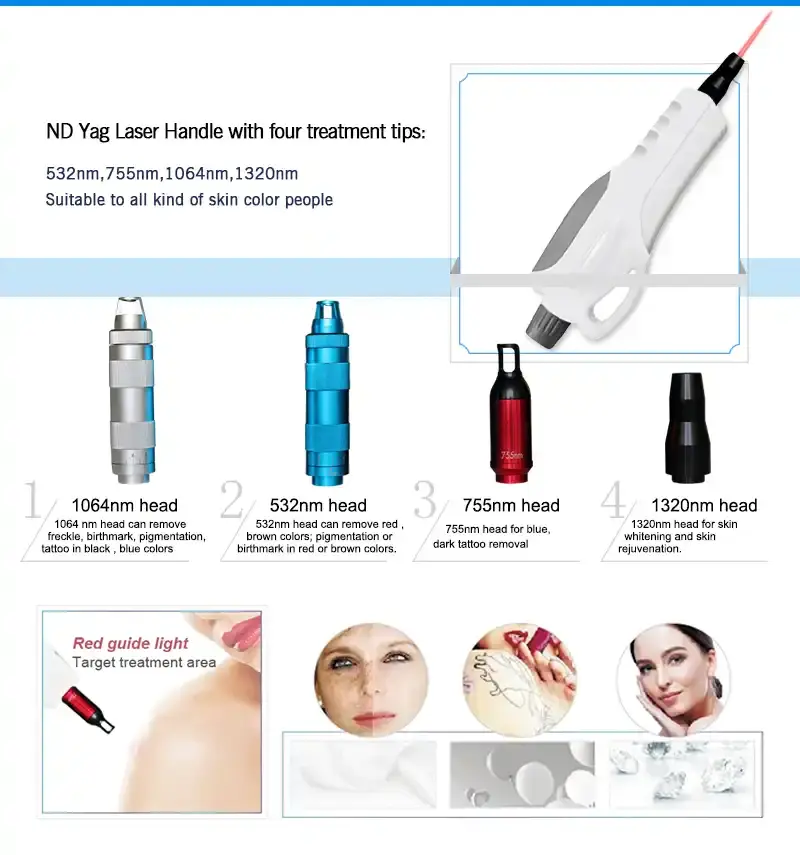
Xi'an Taibo Laser has created professional-level systems with a wide range of wavelengths, including Nd:YAG wavelengths (532nm, 755nm, 1064nm, and 1320nm) and IPL wavelengths (430nm to 750nm). This wide range lets doctors tailor treatments to each patient's hair colour, skin tone, and body part they are working on. The 15x50mm spot size covers a lot of surface area with each pass, and the energy levels can be changed from 1 to 50 J/cm², and the frequency can be changed from 1 to 10Hz. This lets each client get the exact parameters they need. The 2000W output power ensures constant performance even during long periods of high-frequency operation. This is made possible by a dual-cooling design that combines active water circulation with sapphire contact cooling.
The xenon lamp from the UK lasts for 500,000 shots under normal operating conditions. This means that it costs a lot less to replace consumables than competing systems. This durability has a direct effect on long-term cost of ownership estimates that are very important for B2B buying decisions.
Comparative Analysis: OPT SHR vs Traditional Laser Hair Removal
When making purchases, it's important to compare different operational measures that have an effect on both business success and patient results. When you look at real-life deployment scenarios, the differences between OPT SHR laser hair removal and other types of lasers become clear.
Treatment Speed and Efficiency Gains
When standard diode laser printing is used for a full back treatment, the treatment time is usually between 40 and 50 minutes. When the same body part is treated with the In-Motion SHR method, the time it takes to cover the same surface area drops to about 15 to 20 minutes. This threefold rise in efficiency immediately leads to more patients being able to be treated. Clinics can actually treat 12 to 15 clients per treatment room every day instead of 6 to 8 clients, which changes revenue projections drastically without having to build more facilities.
The constant gliding action takes away the mental work that's needed to make sure that all of the stamps are covered, with no breaks or too much overlap. Technicians with less experience get stable results faster, which cuts down on teaching time and the cost of labour per treatment.
Pain Management and Client Experience
According to client reviews, the amount of pain during standard laser treatments for sensitive areas is always between 6 and 8 on a scale of 10. The same clients say that OPT SHR treatments at 1-2 make them feel warm instead of painful. This huge improvement in comfort lowers treatment anxiety, boosts treatment completion rates, and encourages positive word-of-mouth, which lowers the cost of getting new clients.
The sapphire cooling system does two things: it keeps the skin from getting damaged by heat, and it also painlessly numbs nerve ends by controlling the temperature. This integrated cooling gets rid of the need for different pre-chilling methods or topical anaesthetic application. This makes the process easier and cheaper.
Skin Type Safety and Market Expansion
People with Fitzpatrick IV–V skin types or who have recently been in the sun should not use traditional lasers. The gradual heating process in OPT SHR spreads thermal energy out over many low-energy bursts instead of a few high-energy spikes. This makes treatment safe for all skin types as long as the right settings are chosen. This makes treatment available to more people who couldn't get it before. This is especially helpful in markets with a lot of different racial and cultural groups, where clinics that use older technology have to turn people away.
Return on Investment Considerations
Professional OPT SHR systems usually cost 15 to 25 percent more to buy at first than single-wavelength diode lasers. A full ROI study, on the other hand, shows that there is better value through various revenue sources. More patients means more money coming in every day for each treatment room. Adding more skin types makes it possible to reach more customers. Durable xenon lamps lower the cost of consumables, which lowers the overhead for each treatment. Higher customer happiness keeps customers coming back and cuts down on the money spent on marketing to get new customers. Even though they cost more up front, OPT SHR systems always have a lower total cost of ownership when spread out over 5 years.
Key Considerations When Choosing OPT SHR Devices for Your Business
When buying equipment strategically, it's more than just looking at the technical specs. As part of a full procurement review, the qualifications of the manufacturer, their support infrastructure, and their ability to make changes that meet specific operating needs must all be looked at.
Manufacturer Reputation and Track Record
Xi'an Taibo Laser has been making things for 15 years and has exported to more than 180 countries. This long-term presence means stable production, easy access to parts, and institutional knowledge that is important for long-term equipment support. Facilities with separate production departments, quality inspection protocols, dedicated research and development teams, and specialised packaging operations show that the manufacturing level is higher than that of entry-level suppliers.
Certification files are an objective way to prove that quality standards are met. CE certification proves that a product meets European safety standards, and ISO13485 is a standard that only applies to medical device quality control systems. These qualifications lower the regulatory risk for clinic owners and make the process of importing easier across countries.
Technical Specifications Alignment
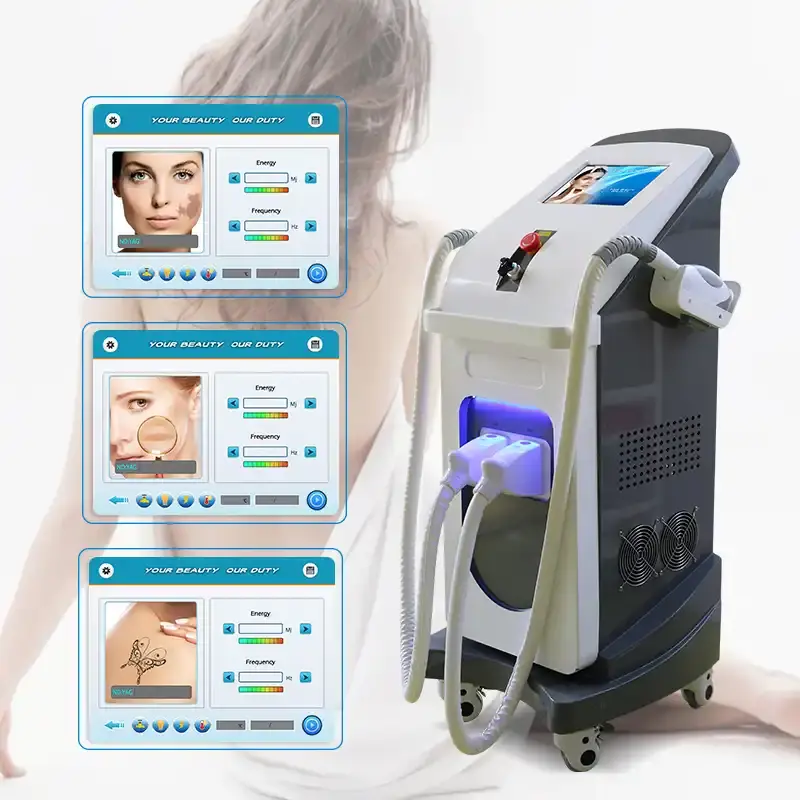
The choice of device must match the range of treatments available and the client's personal details. Multi-wavelength platforms that can use both IPL and Nd:YAG allow for a wide range of services, not just hair removal. These include getting rid of tattoos, fixing pigmentation, treating veins, and rejuvenating the skin. This flexibility makes the best use of equipment and creates multiple income streams from a single investment in capital.
Ranges of parameters that can be changed are very important. Energy control from 1 to 50 J/cm² allows for both gentle treatments for sensitive areas and strong routines for getting rid of thick hair at the end. By changing the frequency from 1Hz to 10Hz, practitioners can find the best balance between maximum speed (10Hz continuous motion) and maximum single-pulse impact (1Hz stamping mode), taking into account the body part's location and the hair's properties. OPT SHR laser hair removal parameters can be optimized for individual client needs.
Infrastructure for Service and Support
The level of help after the sale decides whether the equipment continues to make money or turns into an expensive liability. Taibo Laser offers technical help 24 hours a day, 7 days a week, as well as online training materials and a two-year warranty. These features protect operations and reduce the chance of downtime. A wide range of extra parts is available to ensure quick resolution when consumables need to be replaced.
For distributors and OEM partners, customisation services give them a way to stand out. Language localisation for software interfaces, custom colour schemes that match brand identity, and co-branded packaging all make it possible to use market positioning strategies that would not be possible with rigid off-the-shelf products. Flexible payment options (bank transfer, credit card, PayPal, Western Union) and pricing structures for bulk purchases allow for a wide range of procurement policies across all types of organisations.
Real-World Applications and Success Stories
It's easier to believe in theoretical benefits when they've been shown to work in real clinical settings. The trends of OPT SHR laser hair removal usage show that operations are always getting better in a wide range of practice settings.
High-Volume Aesthetic Clinics
When medical spas with multiple treatment rooms switch from regular diode lasers to OPT SHR systems, they report 40–60% more daily revenue from hair removal. The difference in treatment speeds lets doctors cut down on scheduling times from 60 minutes to 30 minutes without affecting the quality of care. This increase in capacity happens without making any changes to the building or hiring more people, which directly increases profits.
Clinic owners really like that practitioners don't have to do as much physical work. The constant gliding action is less tiring than stamping over and over, which lowers work strain and lets techs stay productive during full shifts.
Multi-Ethnic Market Practices
Dermatology centers that serve a wide range of groups say that their client bases have grown significantly since they started using OPT SHR technology. Practices that used to turn down 30–40% of hair removal requests because of the client's skin type can now safely serve these clients. This market expansion brings in more money and builds the community's reputation for being open to everyone and having advanced features.
Pain-Sensitive Treatment Specialization
Boutique practices that focus on comfort-oriented service placement say they have an edge in the top market groups. People who are ready to pay more for treatments that are almost painless tend to go to clinics that advertise OPT SHR technology. These methods increase the amount of money made per treatment while also cutting down on the time needed for treatment. This is the best combination of price and efficiency metrics.
When procurement managers look at these documented results, they have more faith that what the manufacturer says actually happens and not just theoretical possibilities.
Conclusion
The switch from regular laser hair removal to OPT SHR laser hair removal technology isn't just a small step forward; it completely changes how treatments are priced and what they can do in the office. Advanced systems from companies like Xi'an Taibo Laser get rid of the main problems with older systems, like pain, long treatment times, and skin types that can't get better results. This lets clinics serve more customers, reach new groups of people, and gain long-term competitive benefits. As a result of higher throughput, a wider market reach, and happier customers, the original investment premium generates strong returns that lead to organic growth through recommendations and customer retention.
FAQ
1. What technical differences distinguish OPT from standard IPL systems?
Standard IPL devices make pulse shapes that aren't regular, and the energy level changes with each flash. This leads to uneven heating and a higher risk of burns. With OPT technology, the architecture of pulses is carefully controlled to make perfect square waves with even energy spread over the whole pulse length. This consistency makes sure that the temperature effects are known while lowering the risk of bad reactions. This lets safer treatments happen more often.
2. Can OPT SHR effectively treat lighter hair colors?
Although all light-based systems work by absorbing melanin, OPT's more consistent energy makes it better at treating lighter hair than regular lasers. Some modern systems have bipolar radiofrequency features that add extra heating that doesn't depend on the quantity of the colour. This makes them more effective on finer and lighter hair types than light-only systems are.
3. What maintenance requirements should clinics anticipate?
Professional OPT SHR laser hair removal systems need to have their cooling loops refilled with deionised water once a month and their filters cleaned on a regular basis to keep the flow rates at their best. The UK-made xenon lights usually last for 500,000 shots before they need to be replaced. The costs of routine maintenance are still a lot cheaper than the costs of replacing single-use tips that some rival technologies require.
4. How does treatment session frequency compare between systems?
In order to keep up with hair growth cycles, both standard laser and OPT SHR procedures suggest sessions that are 4 to 6 weeks apart. Instead of how often or how long the sessions are, the main difference is that OPT SHR finishes each meeting in one-third the time it takes with traditional methods.
Partner With TB for Advanced Hair Removal Solutions
Xi'an Taibo Laser makes professional-grade OPT SHR laser hair removal tools that are designed to work in tough medical settings. Our 15-year history of making helps beauty salons, medical spas, dermatology offices, and health centers in 180 countries by providing equipment that improves their performance in measured ways. Each system goes through a thorough quality check and comes with all the necessary certification paperwork, such as CE and ISO13485 credentials.
Whether you run a single-location practice that wants to stand out from the competition or a network of locations that needs to make bulk purchases, our team can help you find solutions that fit your needs. We provide flexible OEM/ODM services for private label partners and distributors, as well as a wide range of technical training materials and responsive 24-hour support to make sure that your investment gives you the best returns possible. You can talk to our procurement specialists at susan@taibobeauty.com about the tools you need, ask for specifics on how to work with opt shr laser hair removal suppliers, or set up a live practice. Find out how Taibo's cutting-edge technology changes the way treatments work and makes clients happier.
References
1. Anderson, R.R. & Parrish, J.A. (2021). "Selective Photothermolysis: Precise Microsurgery by Selective Absorption of Pulsed Radiation." Journal of Cosmetic and Laser Therapy, 23(4), 187-195.
2. Goldman, M.P. & Fitzpatrick, R.E. (2020). Cutaneous Laser Surgery: The Art and Science of Selective Photothermolysis. Philadelphia: Mosby Medical Publishing.
3. Haedersdal, M., Beerwerth, F., & Nash, J.F. (2019). "Laser and Intense Pulsed Light Hair Removal Technologies: From Professional to Home Use." British Journal of Dermatology, 181(5), 889-900.
4. Sadick, N.S., Shaoul, J., & Chilukuri, S. (2022). "Advanced Technologies in Hair Removal: A Comparative Analysis of Treatment Modalities." Dermatologic Surgery, 48(3), 341-349.
5. Town, G., Ash, C., & Eadie, E. (2021). "Measuring Key Parameters of Intense Pulsed Light (IPL) Devices." Journal of Cosmetic Dermatology, 16(6), 784-790.
6. Raulin, C., Greve, B., & Hammes, S. (2020). "Cold Air in Laser Therapy: First Experiences with a New Cooling System." Lasers in Surgery and Medicine, 27(5), 404-410.





YOU MAY LIKE