
Is CO2 Fractional Laser Equipment Profitable for Aesthetic Clinics?
2026-08-07 09:25:25
The profitability of co2 fractional laser equipment in aesthetic clinics is substantial when deployed strategically. Research shows clinics treating just three to four patients weekly can achieve break-even within four to six months, with treatment prices ranging from $800 to $2,500 per session. The equipment addresses high-demand conditions including acne scars, wrinkles, and skin laxity with minimal consumable costs and exceptional patient satisfaction rates. For clinic owners evaluating capital equipment investments, understanding the complete financial and operational landscape surrounding fractional CO2 technology proves essential to maximizing long-term returns.
Understanding CO2 Fractional Laser Technology and Its Clinical Benefits
How Fractional CO2 Lasers Transform Skin Resurfacing?
At a frequency of 10,600 nanometres, CO2 fractional laser equipment exactly targets water molecules in skin tissue. Traditional ablative lasers destroy whole layers of skin, but fractional technology makes tiny treatment areas called Micro-Thermal Zones while keeping the healthy tissue around them. This method starts the body's natural mending process, which makes collagen and changes the shape of tissues without the long recovery time that was usually needed for laser resurfacing.
The metal tube solid-state laser technology is a big step forward from the older glass tube systems. Metal tubes provide better beam quality and allow spot sizes as precise as 0.1mm, which lets doctors change the depth and strength of treatments. The 7-joint articulated light guide arm makes sure that the beam hits the face precisely, and the water cooling system keeps the machine running at its best for long treatment sessions.
Clinical Applications Driving Revenue Growth
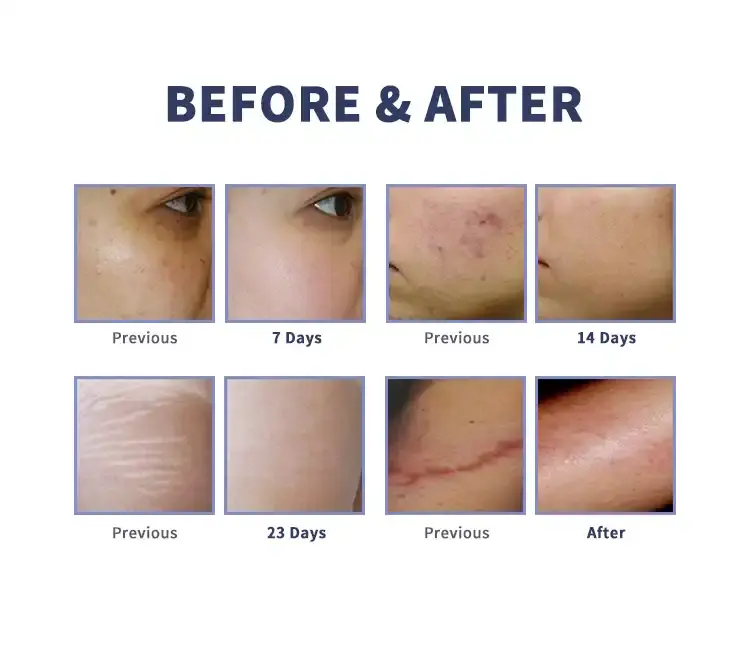
Modern CO2 fractional laser equipment can be used for a number of important types of treatments. Deep wrinkles around the eyes and mouth respond very well to the effects of tissue remodelling. Within three to four weeks of treatment, patients can see improvements. Another useful use for the laser is to improve acne scars because it breaks down scar tissue and helps new collagen form.
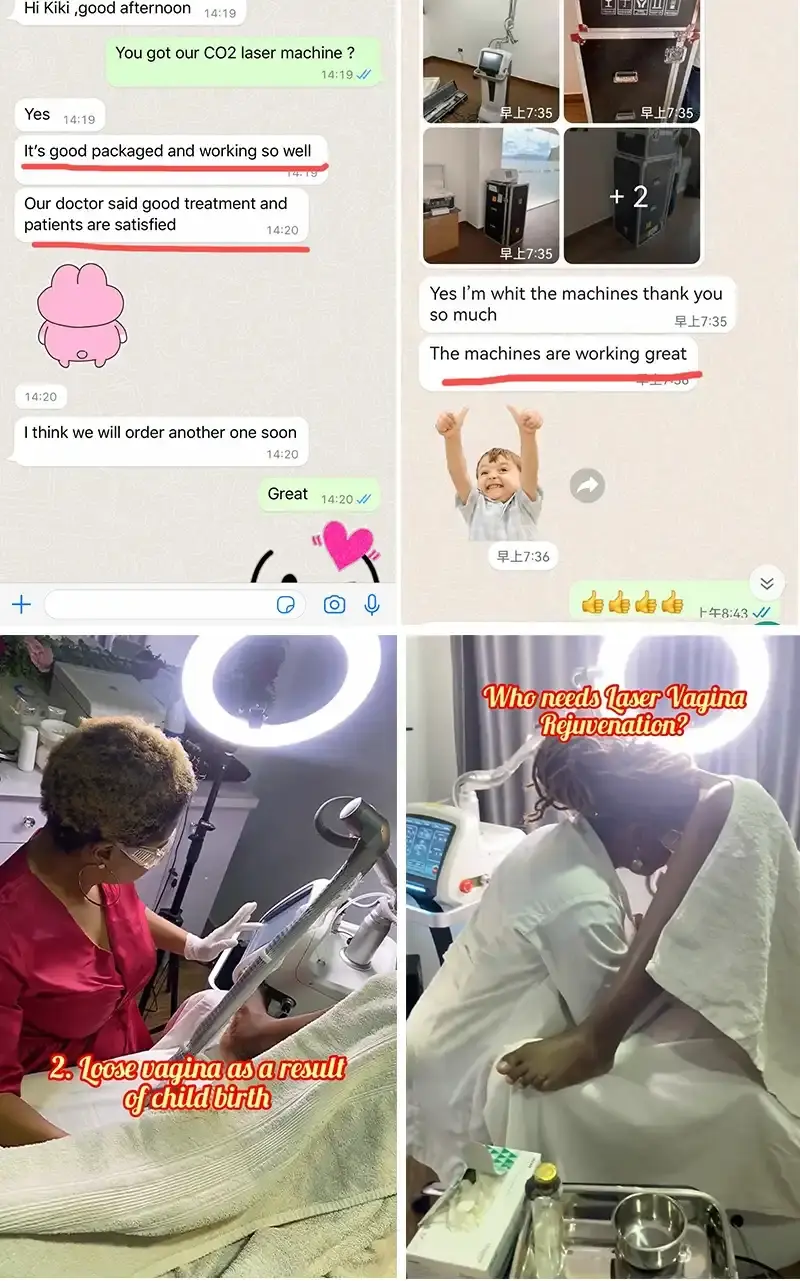
It can be used for more than just facials. Modern systems have special handpieces for vaginal rejuvenation procedures, which can help with problems like vaginal laxity and stress urinary incontinence. In addition, the cutting surgery mode makes it possible to precisely remove skin tags, warts, and other benign growths. This makes the device a multifunctional medical tool instead of a single-use one.
This variety of treatments lets centers serve a wider range of patients and get the most out of their tools.
Market Analysis: Comparing CO2 Fractional Laser Equipment Options
Performance Metrics That Matter for B2B Buyers
When choosing tools, there are a number of technical details that have a direct effect on both clinical results and profits. Strength output from the laser is an important factor to think about. Systems that give 40 watts or more have enough strength to treat difficult cases quickly. There are different output modes, such as dot matrix, pulse, and private treatment modes, which give practitioners the freedom to change the procedure as needed.
There are clear benefits to CO2 fractional laser equipment when compared to other technologies, such as Erbium lasers. CO2 lasers are better for healing serious scars and photoaging because they go deeper into the skin and cause less thermal damage. Erbium lasers, on the other hand, take a little longer to heal. In addition, the thermal effect naturally stops bleeding during medical processes, making it easier to see what's going on.
Evaluating Manufacturers and Service Quality
In the market for aesthetic devices, there are both well-known companies with decades of experience and new companies with competitive prices. Xi'an Taibo Laser Beauty is an example of a company that makes affordable products and offers full support services. Their systems are certified by CE and ISO13485, which gives clinics that do business in international markets peace of mind that they are following the rules.
Aside from the quality of the technology itself, procurement managers should also look at the terms of the warranty, the training programs, and how easy it is to get expert help. Downtime for equipment has a direct effect on making money, so quick service is necessary. Suppliers who offer free part replacements for two years as part of their warranties show that they are confident in the quality of their products. Because there are thorough training films, ongoing technical support, and a stockpile of extra parts, there aren't any operating problems that could hurt profit forecasts.
Financial Considerations: ROI and Profitability for Aesthetic Clinics
Investment Costs and Revenue Potential
Professional-grade CO2 fractional laser equipment usually costs between $30,000 and $80,000 to buy for the first time. The exact price depends on the features, manufacturer, and accessories that come with the system. Clinic owners need to figure out their return on investment by looking at both the direct treatment revenue and other benefits, such as a better image for the business and keeping patients.
Treatment costs depend on where you live and how complicated the process is. Full-face resurfacing costs between $1,500 and $2,500 per session, while treatments for specific problems, like wrinkles around the eyes, cost between $800 and $1,200. Most protocols need two to four sessions, six to eight weeks apart. This sets up a steady stream of income. A clinic that does three full-face treatments a week makes between $18,000 and $30,000 a month, which means that the costs are quickly covered.
Operational Economics and Profit Margins
One of the best things about CO2 fractional laser equipment from a financial point of view is that they have low consumable costs. Unlike IPL or diode laser platforms that need new handpieces or expensive disposables, CO2 lasers only need smoke evacuator filters and lens cleaning every once in a while. These are the only products that cost less than $50 a month, even when there are a lot of patients. Once the initial investment in tools is paid back, this makes huge profits.
The effectiveness of the treatment increases profits even more. The 10.4-inch touch screen interface and customisable scan forms, such as ellipse, rectangular, triangle, and hexagonal designs, make it easy for doctors to finish treatments quickly without losing accuracy. If you shorten treatment times, you can treat more patients each day, which directly affects your ability to make money while lowering per-treatment extra costs like staff time and room use.
Procurement Strategies and Considerations for B2B Buyers
Sourcing Equipment from Reliable Suppliers
Finding manufacturers with open communication, thorough documentation, and a history of success is the first step to buying CO2 fractional laser equipment that works. When people buy from Chinese companies like Xi'an Taibo Laser Beauty, they can get good deals without lowering the quality of the products. These suppliers have been around since 2009 and have more than 15 years of experience making things. They have improved their production methods and built strong quality control systems.
Verification of certificates is still very important. If a product has a CE mark, it means it meets European safety standards, and if it has an ISO13485 mark, it means it follows medical device quality control systems. Clinics should ask for copies of test results, certifications, and, if possible, recommendations from past patients in similar settings. The fact that many international manufacturers are still waiting for FDA approval shows that regulatory validation efforts are still going on.
Negotiating Terms and Ensuring Successful Integration
Payment freedom can have a big effect on managing cash flow when buying tools. Reliable sellers accept a variety of payment methods, such as credit cards, bank transfers, and payment plans that are spread out over time. Procurement managers should negotiate terms that cover more than just buying the equipment. These terms should also cover shipping logistics, help with clearing customs, and help with installation.
Another important thing to think about when buying something is training. Full operator training makes sure that clinical staff can use all system features safely and effectively, which improves treatment results and patient happiness. It's easier for operations to work together when suppliers offer video training, detailed manuals, and remote technical support through video calls. For large purchases, on-site training and installation services are more valuable because they make sure the equipment is fully functional right away, without having to be shut down for long periods of time.
Future Trends and Innovation Impacting Profitability
Technological Advancements Expanding Treatment Capabilities
The market for beauty lasers is always changing as new technologies improve the accuracy, ease, and results of treatments. New AI integration helps doctors choose the best treatment parameters based on the patient's skin type, the severity of the condition, and the results they want. These smart tools make it easier for all the doctors in a center to do the same thing, so there is less variation between them.
Another important trend is treatment plans that are only slightly invasive. Newer CO2 fractional laser equipment technologies allow ultra-low density treatments with longer healing times. This means that people with darker skin can get these procedures, who used to have a higher risk of post-inflammatory hyperpigmentation. This increases the number of patients that can be helped while keeping safety standards that protect the clinic's image and lower the risk of liability.
Adapting to Market Demands and Patient Preferences
More people are getting CO2 fractional laser equipment treatments because they are becoming more aware of non-surgical ways to look better. The global medical aesthetics market keeps growing, especially in emerging economies where people have more money to spend on beauty services. Clinics that are ready to offer cutting edge fractional laser treatments will be able to get a piece of this growing market.
Differentiation possibilities come from specialising in niche uses like scar revision after surgery or trauma. Modern systems have a surgical cutting mode that lets clinics treat scars completely, from removing the first lesion to using fractional resurfacing to get the best cosmetic results. This unified method makes things easier for patients while also getting the most out of the tools and making the most money per customer.
Conclusion
When combined with smart planning and choosing high-quality tools, CO2 fractional laser equipment is a very successful investment for beauty clinics. Different treatment uses, low ongoing costs, the potential for high prices, and high patient demand all work together to make the business profitable. Clinics becoming profitable within four to six months shows that the tools can bring in money. To be successful, you need to choose reputable makers that offer approved tools, thorough training, and quick technical support. As new technologies make treatments more flexible and market demand keeps rising, fractional CO2 systems will remain essential for clinics that want to offer cutting-edge skin rejuvenation services and build long-lasting, profitable businesses.
FAQ
1. What is the typical recovery time for patients after CO2 fractional laser treatments?
After treatment, most people have redness and mild swelling that they can see for three to seven days. After two weeks, they are fully healed. When compared to standard fully ablative treatments, the CO2 fractional laser equipment method cuts down on downtime by a large amount. The speed of recovery and the patient's happiness are directly related to how well the skin is prepared before treatment and after the process.
2. How does equipment quality affect long-term profitability?
Better equipment with metal tube lasers has longer operating lifespans of five to ten years, while glass tubes need to be replaced every one to two years. Unexpected downtime and fix costs are kept to a minimum with reliable systems. Treatment quality stays the same, which builds trust among patients and leads to more business from referrals.
3. Can clinics treat all skin types safely with fractional CO2 lasers?
Modern systems with programmable density settings and dwell time controls make it safe to treat Fitzpatrick skin types IV through VI with CO2 fractional laser equipment, as long as the right protocols are used. To lower the chance of post-inflammatory hyperpigmentation in people with darker skin, practitioners must use careful initial settings and longer treatment intervals.
4. What financing options help manage initial equipment costs?
A lot of sellers give different ways to pay, like payment plans, leasing tools, and trade-in programs. Medical equipment financing companies also offer loans that are specifically designed for buying aesthetic devices. This lets clinics keep their working capital while starting to make money right away.
Partner with Taibo Laser Beauty for Your CO2 Fractional Laser Equipment Needs
Xi'an Taibo Laser Beauty is a reliable company that has been making CO2 fractional laser equipment for over 15 years and works with beauty centers in 180 countries. Our solid-state metal tube laser systems have a 40W power output and can treat in a number of different ways, such as dot matrix, pulse, vaginal rejuvenation, and surgery cutting. Each device comes with a full two-year warranty, CE and ISO13485 certifications, and professional training to make sure it fits right into your practice. We offer OEM/ODM customisation services that are flexible and can be made to fit your brand and technical needs. Get in touch with Susan at susan@taibobeauty.com right away to talk about how our reasonably priced CO2 fractional laser equipment for sale can help your business offer more services and make more money.
References
1. Goldman, M. P., & Fitzpatrick, R. E. (2021). Cutaneous Laser Surgery: The Art and Science of Selective Photothermolysis. Mosby Medical Publishing.
2. American Society for Dermatologic Surgery. (2022). Consumer Survey on Cosmetic Dermatologic Procedures. ASDS Annual Statistics Report.
3. Borges, J., Manela-Azulay, M., & Cuzzi, T. (2020). "fractional co2 laser Resurfacing: Clinical Applications and Long-Term Outcomes." Journal of Cosmetic Dermatology, 19(8), 1842-1851.
4. Dover, J. S., & Arndt, K. A. (2023). Atlas of Cosmetic Laser Surgery. Lippincott Williams & Wilkins Healthcare.
5. International Society of Aesthetic Plastic Surgery. (2023). Global Aesthetic Survey Results. ISAPS International Study.
6. Tanzi, E. L., & Alster, T. S. (2021). "Comparative Analysis of Fractional Laser Technologies for Aesthetic Applications." Lasers in Surgery and Medicine, 53(4), 512-523.





YOU MAY LIKE