
Laser Liposuction Machine for Clinic: How to Choose the Right One
2026-08-06 08:59:44
Choosing the right laser liposuction equipment for your clinic demands careful consideration of technology, safety, and return on investment. A surgical liposuction machine represents a significant capital investment, yet it opens doors to expanding your treatment menu and attracting clients seeking non-invasive body contouring solutions. Unlike traditional methods that rely purely on mechanical suction, modern laser-assisted devices integrate thermal energy to liquefy adipose tissue while simultaneously tightening surrounding skin, reducing patient downtime and improving outcomes.
Understanding Laser Liposuction Technology and How It Works
The Science Behind Laser-Assisted Fat Removal
So how does laser liposuction work? Fiber-optic tools send directed light energy straight into the fat layers under the skin. Based on its frequency, the 980nm diode laser targets the chromophores of water and haemoglobin in adipocytes, which leads to controlled heat breakdown. Because the process melts fat cells, they are easier to get rid of with gentle suctioning or the body's own drainage of veins. In the dermal layers, the thermal effect also boosts collagen production. This helps the skin pull back and smooth out the contours. One of the main worries people have about standard liposuction is taken care of here.
Distinguishing Features from Traditional Surgical Methods
Most of the time, mechanical force and vacuum pressure are used by traditional surgical liposuction machines to remove fat tissue. For these systems to work, bigger cuts and rougher tissue handling are often needed, which can make healing take longer and cause more bruises. In contrast, laser-assisted systems work by heating the area that needs to be treated beforehand. This breaks down the tough bonds that fat cells have with nearby structures. This method lowers the amount of force needed for extraction, which protects blood vessels, nerves, and muscle tissue. Clinics that use this technology report higher patient satisfaction and lower rates of complications compared to those that use traditional methods.
Technical Specifications That Matter in 2024
Laser liposuction systems work better or worse in the clinic depending on a number of technical factors. They can also be used for more than one thing. It can treat different parts of the body and different thicknesses of flesh because it can put out 20W to 40W of power. The pulse width can be changed from 1 to 100ms, which lets doctors change how much energy is sent to each patient based on the type of skin they have and how deep they want to treat them. Frequency variation between 1Hz and 10Hz lets you precisely control thermal buildup. This stops the device from getting too hot while keeping it working. It's easier to choose settings during processes with the 8.4-inch colour tablet, which cuts down on setup time and the chance of making a mistake. These things have an impact on how well treatments work, how relaxed customers are, and the range of services your office can offer.
Key Criteria for Selecting the Right Laser Liposuction System
Assessing Your Clinic's Patient Demographics and Treatment Volume
Looking at the types of patients and the number of treatments given at your clinic To choose the right equipment, you must first know what kind of patients you want to see. Clinics that mostly treat surface problems and want treatments with short healing times can benefit from systems that are designed to not hurt the patient. Facilities that help people who have recently lost weight or who need to lose fat more quickly need hoover systems that are bigger and have more power. What you choose will also depend on how many procedures you plan to do each month. Like, a center that wants to do 15 to 20 procedures a month needs machines that can keep running with only short breaks for maintenance. The TL-Lipo-2024 type from Taibo Laser can run nonstop for 24 hours a day and has a service life of 10,000 hours. This makes it good for offices with a lot of patients.
Evaluating Safety Certifications and Regulatory Compliance
When you buy medical beauty equipment, safety certifications are the only standards that can't be lowered. If a product has the CE mark, it means it meets European safety and health standards. If a company has the ISO13485 mark, it means its quality management system meets international standards for medical devices. These licenses show that the equipment has been through strict tests to make sure it is safe for living things, safe for electricity, and safe for electromagnetic fields. In the US, clinics should check to see if the FDA has cleared the use of the tools they use. But because they are medical procedures, many cosmetic treatments don't have to follow this rule. The instruments made by Taibo Laser are certified by both CE and ISO13485, which means they are safe and well-made.
Budget Considerations and Total Cost of Ownership
The initial buying price is only one part of the total costs of owning. Consumables like fiber-optic tools and treatment tips should be included in a full financial analysis because they have different life spans and need to be replaced at different times. Long-term costs are affected by warranty coverage in a big way. For example, equipment with a two-year warranty reduces financial risk during the critical adoption phase. Access to service and support affects the cost of downtime. Manufacturers with responsive technical teams and easy-to-find replacement parts keep revenue loss from broken equipment to a minimum. The two-year guarantee and 24-hour support from Taibo Laser help clinics plan their operating costs.
Physical Integration and Ergonomic Design
Clinic space limitations and work flow patterns affect the choice of the surgical liposuction machine in ways that go beyond its technical capabilities. The compact system, about 45 x 40 x 120 cm, can fit easily in regular treatment rooms without needing any changes to the building for the surgical liposuction machine. Because the equipment weighs about 30 kg, the surgical liposuction machine can be moved between rooms as needed, which makes scheduling more flexible. The ergonomic design of handpieces on the surgical liposuction machine affects how tired a practitioner gets during long procedures. Handles that are light and easy to use on the surgical liposuction machine allow for more precise movements while reducing physical strain. These real issues have a direct effect on how happy the staff is and how consistently they are treated with the surgical liposuction machine.
Comparing Top Features of Modern Laser Liposuction Equipment
Multi-Functionality and Treatment Versatility
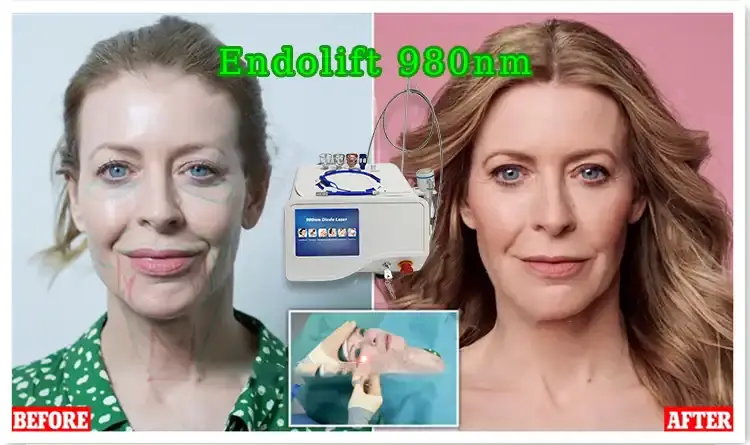
Modern laser systems can do more than just reduce fat; they can also help with a number of cosmetic issues all at once. The 980nm frequency works especially well for treating vein problems, like getting rid of spider veins and treating varicose veins with endovenous laser treatment (EVLT). Because this wavelength binds to haemoglobin, it can precisely target blood vessels that aren't needed without hurting the tissue around them. In addition, it can be used to treat nail fungus, stimulate collagen in the skin to make it look younger, and reduce inflammation. This makes a single piece of equipment into a complete treatment tool, so clinics can meet the needs of a wide range of patients without having to buy a lot of different devices.
Innovative Technology Features That Enhance Outcomes
Many technical improvements have been made to modern laser liposuction systems that set high-end equipment apart from basic models. With movable focusing rings that let practitioners change the size of the spot, the beam width can be changed based on the treatment area. For example, bigger spots can be used for large areas of the body, while smaller, more focused beams can be used for face contouring or sensitive areas like the jawline and neck. Adding an ice compression hammer to the treatment immediately reduces inflammation by tightening blood vessels and lowering swelling while keeping pain to a minimum. This built-in cooling technology makes patients more comfortable before, during, and after treatments, which leads to higher patient happiness scores and good word-of-mouth recommendations.
Fiber-Optic Delivery Systems and Precision Control
The fiber-coupled laser delivery system lets fat loss happen with only a few small incisions, instead of the usual large ones. Surgical fibres that are thrown away after use keep things clean while sending concentrated energy straight to target tissues. This method gives you a lot of accuracy when fixing places that are hard to get to with regular methods, like submental fat stores and scarred areas. Being able to move fibres through small cannulas makes scars less noticeable and lets practitioners shape contours with artistic accuracy. The results of the treatment show that it removes fat more evenly and pulls the skin back better than mechanical-only systems.
Operating and Maintaining Your Laser Liposuction Equipment
Establishing Standardized Treatment Protocols
Standardised operating methods that are tailored to the needs of the surgical liposuction machine are necessary for consistent clinical results. Treatment plans for the surgical liposuction machine should include details about how to set the parameters for common body parts like the arms, thighs, abdomen, and flanks, taking into account the type of tissue and the results that are wanted. Before placing the patient, marking treatment areas for the surgical liposuction machine makes sure that they are covered evenly and in a systematic way. The cooling feeling that patients feel in the first few minutes during surgical liposuction machine treatment helps prepare tissue while keeping them comfortable. This is followed by alternate thermal sensations that happen as fat cells are disrupted by the surgical liposuction machine. Writing down these standards makes them consistent across many practitioners and makes it easier to train staff on the surgical liposuction machine.
Maintenance Best Practices to Maximize Equipment Lifespan
Routine repair makes equipment last longer and keeps it from breaking down at odd times, which can throw off clinic schedules. Handpiece surfaces and control interfaces should be cleaned every day using approved disinfectants and following the manufacturer's instructions. Calibration checks are done once a month to make sure the energy flow is accurate and that the safety features work properly. A regular maintenance alert system built into good equipment makes sure that it is serviced on time, so that small problems don't get worse and cost a lot to fix. Building ties with service providers that are responsive reduces the amount of trouble that needs to be dealt with when technical help is needed. Taibo Laser's professional after-sales team helps customers quickly fix problems by remote troubleshooting and video-based training.
Safety Protocols and Risk Mitigation Strategies
Full safety rules keep both patients and workers safe while reducing the risk of harm. During all steps, emergency shut-off devices must always be available so that the process can be stopped right away if problems arise. Vacuum levels are constantly checked by pressure control systems, which keeps tissues from getting hurt by too much suction force. User registration makes sure that only trained people can use the equipment, which cuts down on mistakes made by less experienced staff. As part of the patient screening process, problems with blood clotting, unrealistic expectations, or current diseases that could put the patient's safety at risk are listed. These multiple layers of safety show that you care about your patients and help you follow the rules.
Procurement Strategies for Acquiring Laser Liposuction Technology
Identifying Reputable Manufacturers and Suppliers
When choosing equipment suppliers, you need to look into more than just price lists and promotional materials. Manufacturers that have been in the medical aesthetics business for a long time bring a wealth of experience in engineering, regulatory compliance, and customer service. Taibo Laser has been making lasers for 15 years and has exported to more than 180 countries, which shows that it is stable and meets global quality standards. Customers are more likely to trust a product when the company that makes it is open about its production sites, quality control methods, and licensing paperwork. Asking for client examples and case studies gives you an idea of how well you'll do in the real world and helps you be more attentive.

Navigating International Procurement and Logistics
Buying equipment internationally adds extra challenges compared to buying it in the United States. These challenges include clearing customs, figuring out how to ship the goods, and coordinating the installation. Through established delivery networks and freight partnerships, reputable surgical liposuction machine suppliers handle these details. If you know what the electrical needs are, you can be sure that the equipment will work with both 110V and 220V power sources, which saves you the trouble of making expensive changes. Using aluminium alloy cases with custom foam inserts for secure wrapping keeps things from getting damaged during foreign shipping. Depending on how quickly something needs to get to its destination, there are a number of transportation options, such as air freight, ocean shipping, and express courier services.
Leveraging Financial Options and Payment Flexibility
When you buy capital equipment, it's best to have flexible payment plans that work with your cash flow and your revenue projections. Manufacturers who offer a variety of payment options, such as bank transfers, credit cards, and payment plans, can work with a wide range of budgets. Leasing spreads costs out over time and keeps operating cash for marketing and running the business. Discounts for buying in bulk are helpful for clinics that are opening more locations or distributors that serve regional markets. OEM and ODM services make private labelling and custom branding possible, which helps businesses stand out in crowded markets. With these financial choices, clinics at different stages of growth can get access to cutting-edge equipment.
Conclusion
When choosing the right laser liposuction equipment, you need to think about its technical skills, cost, and long-term support system. The 980nm diode laser technology is very flexible; it can be used for fat removal, vascular treatments, and skin rejuvenation all on the same device. For clinics considering a surgical liposuction machine, the same evaluation principles apply—balancing mechanical and energy-based capabilities to offer comprehensive body contouring solutions. Putting safety certifications, warranty coverage, and the reputation of the manufacturer at the top of your list protects your investment in the surgical liposuction machine and makes sure the patient is safe. A thorough analysis of your clinic's patient population, treatment volume, and space limitations will help you choose a surgical liposuction machine that meets operational needs rather than aspirational capabilities. The right equipment partnership for your surgical liposuction machine includes more than just the purchase of the tools. It also includes training, technical support, and changing treatment methods that keep your practice competitive.
FAQ
1. What makes laser liposuction different from traditional liposuction?
Laser-assisted systems use heat to melt fat before removing it, which means less damage to the body than with standard methods that only use pressure. This method reduces bruises, speeds up recovery, and increases collagen production to tighten the skin even more. Traditional surgical liposuction machines use more force and bigger cannulas, which means that patients often need more time to heal.
2. Can one laser system handle multiple treatment types?
Yes, good 980nm diode laser systems can help with many things, like getting rid of fat, spider veins, and other skin problems. They can also be used to rejuvenate the skin and reduce inflammation. This ability to do more than one thing makes the best use of the equipment and increases the chances of making money without having to buy separate devices for each type of treatment.
3. What kind of approval should laser tools used in a clinic have?
For European standards, equipment should have a CE mark, and ISO13485 approval should show that it meets quality control standards. Clinics should make sure that the companies that make medical devices have up-to-date certifications and can show proof. In the US, certain claims need to be approved by the FDA. However, many cosmetic uses follow the rules for the practice of medicine.
Partner with Taibo Laser for Your Surgical Liposuction Machine Needs
Clinics looking for reliable laser liposuction technology can get it from Taibo Laser, which has been making high-quality products for 15 years. Our 980nm diode laser systems are safe, flexible, and clinically effective. They are made for demanding aesthetic practices. With CE and ISO13485 certifications, two-year complete warranties, and technical support available 24 hours a day, seven days a week, we take the guesswork out of buying for beauty salons, dermatology clinics, and plastic surgery centers all over the United States. Our professional team helps with setup, gives thorough training, and provides OEM/ODM services that are tailored to the needs of your brand. Get in touch with susan@taibobeauty.com to talk about how our knowledge as a surgical liposuction machine provider can help you offer better treatments and make your patients happier.
References
1. American Society of Plastic Surgeons. (2023). Laser Liposuction: Technology and Clinical Applications in Modern Practice.
2. Journal of Cosmetic and Laser Therapy. (2024). Comparative Analysis of 980nm Diode Laser Systems for Body Contouring and Vascular Treatment.
3. International Journal of Medical Device Safety. (2023). Safety Standards and Certification Requirements for Aesthetic Laser Equipment in Clinical Settings.
4. Aesthetic Surgery Journal. (2024). Patient Outcomes and Satisfaction Rates: Laser-Assisted versus Traditional Liposuction Methods.
5. Medical Device Procurement Quarterly. (2024). Cost-Benefit Analysis and Total Ownership Considerations for Aesthetic Clinic Equipment Investment.
6. Clinical Dermatology Review. (2023). Multi-Modal Laser Systems: Expanding Treatment Capabilities in Medical Aesthetics Practice.





YOU MAY LIKE