
Why Choose a Fractional CO2 Laser for Acne Scar Treatment?
2026-02-10 09:03:25
When evaluating treatment options for acne scarring, the fractional co2 laser stands out as the gold standard in modern dermatological practice. This advanced technology delivers precise microbeam energy to targeted skin zones, creating controlled thermal injury that stimulates natural collagen regeneration and tissue remodeling. Unlike traditional ablative treatments that remove entire skin surfaces, fractional CO2 systems preserve healthy tissue between treatment zones, significantly reducing recovery time while maintaining exceptional therapeutic outcomes. The technology's ability to address multiple scar types—from ice pick to rolling scars—makes it an indispensable tool for clinics seeking comprehensive acne scar solutions.
Understanding Acne Scars and Current Treatment Challenges
Acne scarring speaks to one of the most challenging dermatological conditions, influencing millions of patients around the world and making critical mental affect. The complexity of scar arrangement changes significantly based on person mending reactions, aggravation seriousness, and hereditary predisposition.
Types of Acne Scars and Their Clinical Significance
Atrophic scars, comprising around 80–90% of all skin break out scarring cases, show in three unmistakable morphologies that require diverse treatment approaches. Ice choose scars make limit, profound channels expanding into the dermis, whereas rolling scars shape broader discouragements with inclining edges. Boxcar scars show up as circular or oval miseries with clearly characterized vertical edges, taking after chickenpox scars. Hypertrophic and keloid scars, in spite of the fact that less common in facial skin break out, make raised tissue arrangements that expand past unique wound boundaries. These raised injuries frequently create in patients with darker skin tones and require specialized treatment conventions to anticipate recurrence.
Limitations of Traditional Treatment Methods
Conventional treatment modalities confront noteworthy adequacy and security challenges when tending to complex skin break out scarring. Chemical peels, whereas compelling for shallow surface enhancements, cannot enough address more profound dermal surrenders characteristic of ice choose or profound boxcar scars. The erratic infiltration profundity and potential for uneven comes about restrain their application in extreme scarring cases. Microneedling medications, in spite of the fact that negligibly obtrusive, require numerous sessions to accomplish humble enhancements and may battle with thick, fibrotic scar tissue. The mechanical nature of needle infiltration makes uniform micro-injuries but needs the exactness focusing on essential for ideal collagen remodeling in particular scar architectures. Dermabrasion, once considered the gold standard, carries significant dangers counting drawn out erythema, hyperpigmentation, and scarring potential. The procedure’s failure to give controlled profundity infiltration frequently leads to overcorrection or insufficient tissue reaction, especially in patients with changing skin thickness over treatment areas.
The Science Behind Fractional CO2 Laser Technology
The progressive approach of fractional CO2 laser innovation stems from its unique capacity to create tiny treatment zones while preserving surrounding healthy tissue. This specific photothermolysis principle maximizes therapeutic benefits while minimizing complications and recovery time.
Mechanism of Action and Collagen Stimulation
CO2 lasers work at a wavelength of 10,600nm, illustrating remarkable water retention characteristics that empower exact tissue vaporization. When fractional delivery systems disperse this energy into infinitesimal pillars, each pulse creates a micro thermal zone (MTZ) measuring 0.1-0.5mm in diameter. These controlled heat wounds expand through the epidermis into the papillary and reticular dermis, reaching depths of 500-1500 microns depending on energy settings. The thermal coagulation zone surrounding each MTZ triggers rapid wound healing cascades, including fibroblast activation, neocollagenesis, and elastin synthesis. Heat shock proteins released during treatment stimulate transformative growth factors that promote organized collagen deposition, continuously replacing disorganized scar tissue with healthier dermal architecture.
Advantages Over Alternative Laser Systems
Compared to erbium lasers working at 2,940nm, CO2 systems provide superior hemostatic properties and deeper thermal penetration essential for treating mature, fibrotic scars. The extended thermal coagulation zone leads to stronger wound healing responses, resulting in more significant collagen remodeling potential. Non-ablative fractional lasers, while offering minimal downtime, cannot achieve the dramatic textural improvements possible with ablative CO2 systems. The surface-sparing approach limits their effectiveness in treating severe acne scarring, where epidermal remodeling is essential for overall improvement. Taibo's advanced CO2 fractional laser system incorporates precision control features, including adjustable pulse duration, spot size variation, and energy density optimization. The 7-joint articulated light-direct arm ensures consistent energy delivery while minimizing operator fatigue during extended treatment sessions.
Evaluating Fractional CO2 Laser for B2B Procurement Decisions
Healthcare procurement experts must consider different variables when selecting fractional CO2 laser systems to ensure optimal return on investment and clinical results. The decision-making process requires careful assessment of technical specifications, operational needs, and long-term support considerations.
Critical Device Specifications and Performance Metrics
Modern CO2 fractional laser systems should offer variable control outputs ranging from 1-40W, with real capabilities often surpassing stated specifications. This power flexibility enables treatment customization for different scar types and patient tolerance levels. Pulse mode variations, including dot matrix, long pulse, and ultra pulse modes, provide versatility for addressing various clinical presentations. Cooling system efficiency plays a vital role in patient comfort and treatment safety. Water cooling systems generally offer superior temperature control compared to air-based options, enabling higher energy deliveries with reduced thermal spread and improved patient tolerance. The integration of multiple treatment modes within a single platform maximizes equipment utilization. Systems offering fractional, cutting, and gynecological applications provide broader revenue generation opportunities while optimizing clinic space utilization.
Warranty and Support Considerations
A comprehensive warranty scope, extending beyond standard one-year periods, illustrates the manufacturer's confidence in product reliability. Taibo's two-year warranty program includes replacement parts coverage for non-human damage, significantly reducing unexpected maintenance costs during the critical equipment payback period. Technical support availability across diverse time zones ensures minimal treatment interruptions when issues arise. The availability of video training, detailed documentation, and remote troubleshooting capabilities accelerates staff competency improvement and reduces reliance on costly on-site service calls. CE and ISO13485 certifications provide essential regulatory compliance for international markets while ensuring adherence to medical device quality standards. These certifications facilitate quick approvals and provide healthcare facilities with necessary documentation for regulatory inspections.
Practical Application and Patient Outcomes
The clinical implementation of fractional CO2 laser treatments requires a comprehensive understanding of treatment protocols, patient selection criteria, and outcome expectations to maximize therapeutic success.
Treatment Protocol and Session Planning
Optimal treatment results typically require 1-3 sessions, spaced 6-12 weeks apart, allowing sufficient healing time between procedures. Energy density settings range from 5-50 mJ per pulse, depending on scar depth, skin type, and patient tolerance. Conservative starting settings help avoid overcorrection, while subsequent sessions can address remaining imperfections with higher energy parameters. Pre-treatment preparation includes antiviral prophylaxis for patients with a history of herpes, photoprotection for 4-6 weeks, and cessation of photosensitizing medications. Topical anesthetic application 60-90 minutes before treatment ensures patient comfort during the procedure. Post-treatment care focuses on gentle cleansing, moisturization, and strict photoprotection to optimize healing and prevent complications. Patients typically experience 3-7 days of mild erythema and edema, followed by natural skin shedding that reveals improved surface and tone.
Clinical Evidence and Outcome Measurements
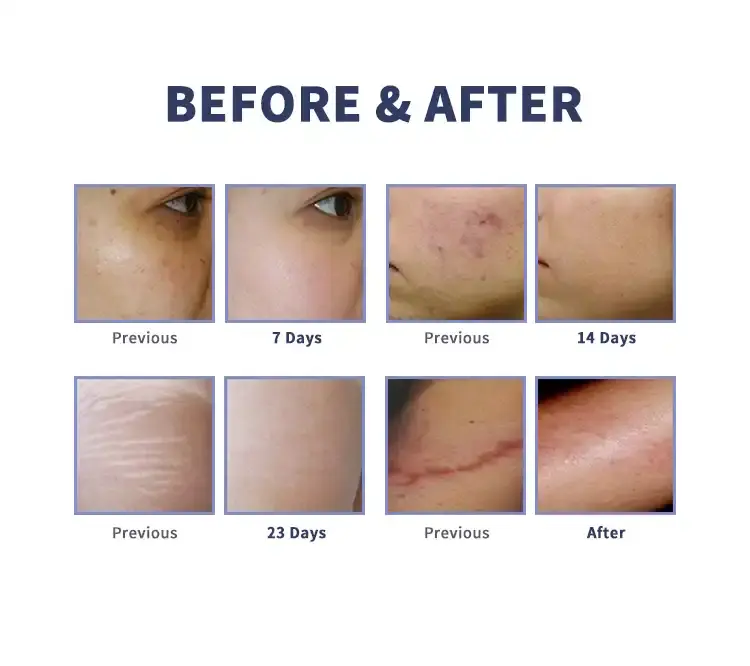
Peer-reviewed studies consistently demonstrate a 50-80% improvement in acne scar appearance following fractional CO2 laser treatments. Objective measurements using validated scales, including the Goodman and Baron Acne Scar Grading System, show statistically significant improvements across all scar types. Patient satisfaction surveys reveal high approval ratings, with 85-95% of treated individuals reporting meaningful improvements in skin texture and confidence levels. The psychological benefits of scar improvement often exceed purely cosmetic considerations, contributing to enhanced quality of life measures. Long-term follow-up studies spanning 12-24 months post-treatment demonstrate stable improvement maintenance, validating the durability of collagen remodeling induced by fractional CO2 therapy. Minimal retreatment requirements support the cost-effectiveness of this approach compared to less definitive alternatives.
Seamlessly Integrating Fractional CO2 Laser Solutions Into Your Business
Successful integration of advanced laser technology requires strategic planning encompassing staff training, workflow optimization, and patient communication protocols. The complexity of fractional CO2 systems demands comprehensive preparation to ensure clinical success and operational efficiency.
Staff Training and Competency Development
Comprehensive operator training programs should encompass laser physics, skin anatomy, treatment planning, and emergency procedures. Taibo provides detailed instructional materials, video demonstrations, and live consultation support to accelerate competency development across clinical teams.Understanding energy parameters, treatment patterns, and patient selection criteria enables confident treatment delivery while minimizing adverse outcomes. Regular training updates ensure staff remain current with evolving techniques and safety protocols as clinical experience expands.Hands-on training with various skin types and scar presentations builds operator confidence while establishing consistent treatment approaches. Video conferencing capabilities enable ongoing consultation and troubleshooting support, particularly during the initial implementation period.
Partnership Benefits and Ongoing Support
Establishing relationships with experienced equipment suppliers provides long-term stability and growth opportunities. Taibo's 15-year manufacturing experience and global distribution network ensure reliable parts availability and technical support across international markets.OEM customization services enable branding alignment and interface personalization, supporting practice marketing efforts and professional presentation. Logo integration, color scheme customization, and software interface modifications create unique identity while maintaining core functionality.Bulk purchase incentives and flexible payment arrangements support business growth while managing cash flow considerations. The availability of training, installation, and ongoing consultation services reduces implementation risks and accelerates return on investment timelines.
Conclusion
Fractional CO2 laser technology represents the most effective solution for comprehensive acne scar treatment, offering superior outcomes compared to traditional modalities while maintaining acceptable safety profiles. The combination of precise energy delivery, controlled thermal zones, and robust collagen stimulation creates lasting improvements across diverse scar types and skin conditions. Healthcare procurement professionals evaluating laser systems should prioritize platforms offering versatile treatment modes, comprehensive warranty coverage, and reliable technical support to maximize clinical success and operational efficiency.
FAQ – Common Questions on Fractional CO2 Laser for Acne Scar Treatment
How many treatment sessions are typically required for optimal results?
Most patients achieve significant improvement after 1-3 treatment sessions spaced 6-12 weeks apart. Severe scarring may require additional sessions, while mild textural issues often show excellent results after a single treatment. The gradual nature of collagen remodeling means final outcomes become apparent 3-6 months post-treatment.
What is the expected recovery time following treatment?
Patients typically experience 3-7 days of mild redness and swelling, similar to a moderate sunburn. Complete healing occurs within 2 weeks, with new skin formation revealing improved texture and tone. Most individuals return to normal activities within 5-7 days while maintaining appropriate skincare protocols.
How does fractional CO2 compare to other laser treatments for acne scars?
Fractional CO2 lasers provide deeper penetration and more dramatic results compared to non-ablative alternatives while offering faster recovery than traditional full-surface CO2 resurfacing. The combination of surface remodeling and deep dermal stimulation creates comprehensive scar improvement unmatched by alternative technologies.
Are there any contraindications or limitations for treatment?
Active skin infections, pregnancy, isotretinoin use within 6 months, and unrealistic expectations represent primary contraindications. Patients with darker skin types require careful parameter selection to minimize hyperpigmentation risks, while those with autoimmune conditions need individualized assessment.
What factors influence treatment cost and return on investment?
Equipment acquisition costs, maintenance requirements, consumable expenses, and training investments affect overall implementation expenses. High patient satisfaction rates, minimal retreatment needs, and broad treatment applications support strong return on investment for practices offering comprehensive scar treatment services.
Transform Your Practice with Advanced CO2 Fractional Laser Technology from Taibo
Taibo Laser stands as your trusted fractional co2 laser manufacturer, delivering cutting-edge solutions that elevate patient outcomes and practice profitability. Our comprehensive product line includes Taibo Shape, Picotech, Depilazer, and Taibosculpt systems designed to meet diverse clinical needs while ensuring exceptional treatment results. With 15 years of manufacturing excellence and global distribution across 180+ countries, we provide unmatched reliability and support. Contact susan@taibobeauty.com today to discover how our CE-certified, ISO13485-compliant laser systems can transform your acne scar treatment capabilities and drive sustainable practice growth.
References
1. Alexiades-Armenakas, M., Dover, J. S., & Arndt, K. A. (2008). "The spectrum of laser skin resurfacing: Nonablative, fractional, and ablative laser resurfacing." Journal of the American Academy of Dermatology, 58(5), 719-737.
2. Carniol, P. J., Hamilton, M. M., & Carniol, E. T. (2015). "Current status of fractional laser resurfacing." JAMA Facial Plastic Surgery, 17(5), 360-366.
3. Hantash, B. M., Bedi, V. P., Kapadia, B., Rahman, Z., Jiang, K., Tanner, H., Chan, K. F., & Zachary, C. B. (2007). "In vivo histological evaluation of a novel ablative fractional resurfacing device." Lasers in Surgery and Medicine, 39(2), 96-107.
4. Manstein, D., Herron, G. S., Sink, R. K., Tanner, H., & Anderson, R. R. (2004). "Fractional photothermolysis: A new concept for cutaneous remodeling using microscopic patterns of thermal injury." Lasers in Surgery and Medicine, 34(5), 426-438.
5. Rivera, A. E. (2008). "Acne scarring: A review and current treatment modalities." Journal of the American Academy of Dermatology, 59(4), 659-676.
6. Waibel, J., Beer, K., Narurkar, V., & Alster, T. (2017). "Preliminary observations on fractional ablative resurfacing devices: Clinical impressions." Journal of Drugs in Dermatology, 16(3), 249-254.





YOU MAY LIKE