
Fractional CO2 Laser Technology: Features Every Clinic Needs
2026-09-24 00:00:00
When evaluating laser systems for your clinic, fractional co2 laser technology stands as the gold standard for comprehensive skin rejuvenation treatments. This advanced laser modality delivers controlled thermal injury through microscopic treatment zones, enabling precise tissue ablation while preserving surrounding healthy skin for accelerated healing. Modern fractional CO2 systems offer unparalleled versatility in addressing skin resurfacing, scar revision, wrinkle reduction, and even intimate wellness applications, making them essential equipment for clinics seeking to expand their aesthetic service offerings and maximize patient outcomes.
Understanding Fractional CO2 Laser Technology
Fractional CO2 laser technology represents a significant advancement over traditional ablative laser systems. Unlike conventional CO2 lasers that treat entire surface areas, fractional systems create microscopic treatment zones called MTZs (Micro Thermal Zones) that target only a fraction of the skin surface.
Revolutionary Beam Fractionation Process
The core innovation behind this technology lies in beam fractionation, where the laser energy separates into thousands of microscopic columns. These columns penetrate the skin at precise depths while leaving bridges of untreated tissue between treatment zones. This strategic approach dramatically reduces healing time compared to conventional full-surface treatments while maintaining excellent clinical outcomes. Our advanced fractional CO2 systems operate at a wavelength of 10.6μm±0.1μm, which demonstrates high water absorption and low melanin absorption characteristics. This wavelength specificity ensures precise targeting of skin tissues while minimizing undesirable thermal damage to surrounding structures.
Advanced Cooling and Safety Mechanisms
Patient comfort during treatment relies heavily on advanced cooling systems integrated into state-of-the-art fractional CO2 devices. Water cooling systems maintain optimal operating temperatures throughout procedures, preventing overheating and ensuring consistent laser output. These cooling mechanisms work in conjunction with adjustable pulse duration settings to minimize discomfort while maximizing therapeutic effectiveness. Safety features include real-time monitoring systems that track energy delivery and treatment depth. Emergency stop capabilities and automated safety protocols protect both practitioners and patients during procedures. The integration of a 635nm aiming light wavelength provides precise targeting guidance, enhancing treatment accuracy and reducing the risk of adverse events.
Core Features Every Clinic Should Consider
Selecting the right fractional CO2 laser system requires careful evaluation of several critical features that directly impact treatment outcomes and operational efficiency. Advanced systems offer exceptional versatility in addressing diverse patient needs while maintaining the highest safety standards.
Treatment Versatility and Customization Options
Contemporary fractional CO2 systems provide multiple output modes to address diverse clinical applications. Dot matrix mode enables precise skin resurfacing treatments, while pulse mode options including long pulse and ultra pulse setups allow professionals to customize treatments based on specific skin conditions and patient needs. The availability of specialized modes such as intimate mode and vulvar mode expands treatment possibilities beyond traditional facial applications. These specialized settings enable clinics to offer intimate wellness treatments, addressing vaginal tightening and rejuvenation needs with the same precision and safety measures applied to facial treatments. Advanced scanning capabilities allow for 360-degree treatment coverage with adjustable spot sizes ranging from 0.1mm focal points to larger treatment zones. This flexibility ensures optimal treatment customization for different anatomical zones and varying skin conditions.
Safety and Efficiency Enhancements
Modern fractional CO2 systems incorporate sophisticated safety monitoring that tracks treatment parameters in real-time. These systems feature adjustable energy density controls, customizable penetration depths, and variable pulse width settings that enable practitioners to fine-tune treatments based on individual patient needs and skin types. The integration of 7-joint articulated light guiding arms provides exceptional maneuverability during treatments while minimizing energy loss. This design feature enhances treatment accuracy and reduces procedure time, improving both patient comfort and clinic efficiency.
Operational Ease and User Interface
User-friendly interfaces featuring 10.4-inch touch color screens simplify operation while providing comprehensive treatment parameter control. Intuitive software design allows practitioners to quickly adjust settings, monitor treatment progress, and access various treatment patterns including triangles, rectangles, circles, and hexagons. Comprehensive training programs ensure clinical staff can maximize device capabilities from day one. Professional installation and ongoing technical support minimize learning curves and optimize treatment outcomes, contributing to patient satisfaction and clinic success.
Evaluating Fractional CO2 Lasers Against Other Skin Treatment Technologies
Understanding how fractional CO2 technology compares to alternative treatment modalities helps clinics make informed procurement decisions. Each technology offers unique advantages, and the optimal choice depends on specific clinic needs and patient demographics.
Efficacy and Treatment Outcomes
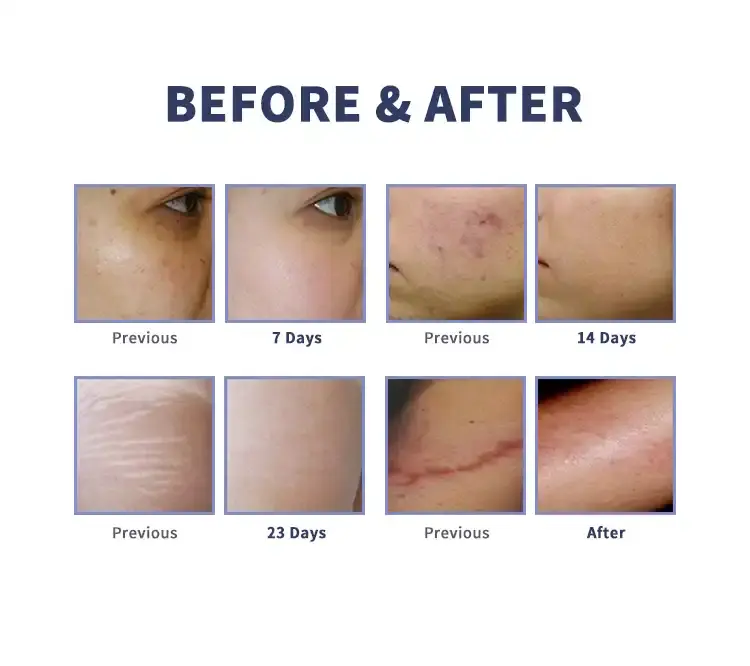
Fractional CO2 lasers demonstrate superior efficacy in addressing deep wrinkles, acne scarring, and significant skin texture abnormalities compared to non-ablative options. While microneedling and radiofrequency treatments offer gentler approaches with minimal downtime, they often require multiple sessions to achieve comparable results to single fractional CO2 treatments. Chemical peels provide excellent results for superficial skin concerns but lack the precision and depth control offered by fractional laser systems. IPL treatments excel in addressing pigmentation issues and vascular lesions but cannot match the skin tightening and resurfacing capabilities of fractional CO2 technology. Erbium lasers offer precise ablation with reduced thermal damage but may require multiple sessions for deeper concerns that fractional CO2 systems address in single treatments.
Patient Experience and Comfort Considerations
Modern fractional CO2 systems significantly improve patient comfort compared to traditional ablative treatments. Advanced cooling systems and precise energy delivery reduce treatment discomfort while maintaining excellent clinical outcomes. Recovery times typically range from 5-7 days for social activities and 7-14 days for complete healing, representing substantial improvements over historical CO2 laser protocols. Alternative treatments like radiofrequency and microneedling offer minimal downtime but may require 4-6 sessions to achieve results comparable to single fractional CO2 treatments. This consideration influences both patient satisfaction and clinic scheduling efficiency.
Cost-Effectiveness Analysis
While fractional CO2 systems represent significant capital investments, their versatility and treatment efficacy often provide superior return on investment. Single treatments can address multiple skin concerns simultaneously, reducing overall treatment time and improving patient satisfaction. The ability to offer premium treatments at competitive costs enhances clinic profitability while delivering exceptional patient value.
Procurement Considerations for Clinics and Distributors
Successful fractional CO2 laser acquirement requires comprehensive assessment of budgetary, specialized, and operational components. Understanding these contemplations makes a difference clinics make educated choices that back long-term victory and understanding satisfaction.
Investment Analysis and ROI Calculations
Fractional CO2 laser systems typically represent investments ranging from moderate to significant depending on feature sets and manufacturer specifications. Calculating return on investment requires consideration of treatment pricing, expected patient volume, and operational costs including maintenance and consumables.Treatment sessions typically command premium pricing due to superior results and advanced technology. Conservative estimates suggest that busy clinics can recover initial investments within 12-18 months through consistent treatment volume. The versatility of modern systems enables multiple revenue streams from facial treatments to intimate wellness services.
Manufacturer Evaluation Criteria
Selecting the right manufacturer requires evaluation of several critical factors beyond initial pricing. Brand reputation within the aesthetic industry provides insight into product reliability and long-term support quality. Established manufacturers with extensive clinical experience typically offer superior product development and ongoing innovation.Technical support capabilities significantly impact long-term satisfaction and operational efficiency. Manufacturers offering comprehensive training programs, responsive technical support, and readily available replacement parts ensure minimal downtime and optimal device performance.Certification standards including CE marking and ISO13485 compliance demonstrate manufacturer commitment to quality and regulatory compliance. These certifications provide assurance of product safety and performance while supporting clinic accreditation requirements.
Streamlining the Purchasing Process
Effective procurement begins with comprehensive needs assessment to identify specific clinic requirements and patient demographics. Understanding treatment volume expectations, space constraints, and staff training needs helps narrow manufacturer options and feature requirements.Requesting detailed demonstrations allows hands-on evaluation of user interfaces, treatment capabilities, and overall system performance. Many manufacturers offer trial periods or satisfaction guarantees that reduce procurement risk while ensuring optimal system selection.Negotiating comprehensive service packages including training, maintenance, and technical support maximizes long-term value while ensuring consistent device performance. Extended warranty options provide additional peace of mind and protect against unexpected repair costs.
Company Introduction and Product & Service Information
Xi'an Taibo Laser has established itself as a leading manufacturer of advanced aesthetic laser systems, with over 15 years of experience in developing and producing fractional CO2 laser technology. Our commitment to innovation and quality has earned the trust of clinics and distributors across more than 180 countries worldwide.
Advanced Technology and Manufacturing Excellence
Our flagship fractional CO2 laser systems incorporate cutting-edge RF laser tube technology with extended operational lifespans of 5-10 years. These systems deliver consistent performance with laser power capabilities of 1-40W (actual output exceeding 40W) and precise wavelength control at 10.6μm±0.1μm.The integration of multiple treatment modes including fractional resurfacing, cutting applications, and specialized gynecology functions provides clinics with comprehensive treatment capabilities in a single platform. Advanced cooling systems and sophisticated safety features ensure optimal patient comfort while maintaining the highest safety standards.
Comprehensive Support and Service Excellence
Our commitment extends beyond product delivery to include comprehensive training programs, technical support, and maintenance services. Each system includes detailed operational training, ongoing technical assistance, and access to our experienced support team through multiple communication channels.We offer flexible customization options through our OEM services, enabling clinics to brand systems according to their specific requirements. This capability supports clinic marketing efforts while maintaining professional appearance standards.Our two-year warranty program demonstrates confidence in product quality while providing peace of mind for clinic operators. This comprehensive coverage includes parts replacement and technical support, ensuring consistent system performance throughout the warranty period.
Conclusion
Fractional CO2 laser technology represents the pinnacle of aesthetic laser innovation, offering clinics unprecedented versatility in addressing diverse skin concerns while maintaining exceptional safety standards. The combination of precise beam fractionation, advanced cooling systems, and comprehensive treatment modes enables clinics to deliver superior patient outcomes across multiple application areas. When evaluating procurement options, consider manufacturer reputation, technical support quality, and long-term operational costs alongside initial pricing to ensure optimal investment outcomes and sustained clinic success.
FAQ
What makes fractional CO2 lasers superior to traditional laser systems?
Fractional CO2 systems create microscopic treatment zones that preserve surrounding healthy tissue, resulting in faster healing times and reduced downtime compared to traditional full-surface ablative treatments. The precision of modern fractional systems enables customized treatment depths and energy levels for optimal patient outcomes.
How long does recovery typically take after fractional CO2 treatments?
Recovery timelines vary based on treatment intensity and individual healing characteristics. Most patients experience initial healing within 5-7 days for social activities, with complete healing occurring within 7-14 days. Advanced cooling systems and precise energy delivery in modern fractional CO2 systems significantly reduce recovery time compared to traditional ablative treatments.
Are fractional CO2 treatments safe for all skin types?
Modern fractional CO2 systems include advanced safety features and customizable settings that enable safe treatment across diverse skin types. Proper assessment and treatment parameter adjustment ensure optimal outcomes while minimizing adverse effects. Comprehensive training and ongoing support help practitioners deliver safe, effective treatments for all appropriate candidates.
Discover Advanced Fractional CO2 Solutions with Taibo Laser
Transform your clinic's capabilities with Taibo Laser's cutting-edge fractional CO2 laser systems. As a trusted fractional CO2 laser manufacturer, we deliver comprehensive solutions backed by 15 years of innovation and excellence. Contact susan@taibobeauty.com today to schedule your personalized demonstration and discover how our advanced laser technology can elevate your practice to new heights of success.
References
1. Anderson, R.R., et al. "Fractional Photothermolysis: A New Concept for Cutaneous Remodeling Using Microscopic Patterns of Thermal Injury." Lasers in Surgery and Medicine, vol. 34, no. 5, 2004, pp. 426-438.
2. Hantash, B.M., et al. "In Vivo Histological Evaluation of a Novel Ablative Fractional Resurfacing Device." Lasers in Surgery and Medicine, vol. 39, no. 2, 2007, pp. 96-107.
3. Tierney, E.P., et al. "Treatment of Surgical Scars with Nonablative Fractional Laser versus Pulsed Dye Laser: A Randomized Controlled Trial." Dermatologic Surgery, vol. 40, no. 2, 2014, pp. 152-161.
4. Waibel, J.S., et al. "Treatment of Hypertrophic Scars Using Laser and Laser Assisted Corticosteroid Delivery." Lasers in Surgery and Medicine, vol. 45, no. 3, 2013, pp. 135-140.
5. Gold, M.H., et al. "Fractional CO2 Laser Treatment of Rhytides, Photoaging, and Scars: A Comprehensive Review." Dermatologic Surgery, vol. 39, no. 11, 2013, pp. 1619-1650.
6. Sasaki, G.H., et al. "Clinical and Histological Evaluation of Fractional CO2 Laser Resurfacing Treatment." Aesthetic Surgery Journal, vol. 32, no. 4, 2012, pp. 477-490.





YOU MAY LIKE