Common side effects of CO2 fractional laser equipment treatments include erythema, edema, and mild discomfort, which typically resolve within days. Temporary hyperpigmentation can occur, especially in darker skin types, but proper sun protection and pre-treatment care reduce this risk. Less common complications, like prolonged erythema, scarring, or infection, usually result from incorrect treatment parameters or poor post-care. Adhering to proper techniques, conservative settings, and educating patients on aftercare can minimize adverse effects and improve healing outcomes.

English

CO2 Fractional Laser Equipment for Acne Scar Treatment Explained
2026-09-24 00:00:00
co2 fractional laser equipment represents a revolutionary advancement in acne scar treatment, delivering precise tissue ablation and collagen stimulation through sophisticated 10.6μm wavelength technology. These advanced systems utilize fractional photothermolysis to create controlled microscopic treatment zones, promoting natural skin regeneration while minimizing patient downtime. Modern CO2 fractional laser equipment offers dermatology clinics and aesthetic centers an effective solution for treating various scar types, from rolling and boxcar scars to deep pitted acne marks, making them an essential investment for practices focused on comprehensive skin rejuvenation services.
Introduction to Advanced CO2 Fractional Laser Technology for Acne Scar Solutions
Growth in Demand for Effective Acne Scar Treatments
The stylish therapeutic industry continues to witness remarkable growth in the demand for effective acne scar treatments, with CO2 fractional laser systems leading this technological revolution. These advanced devices have transformed traditional approaches to scar modification, offering dermatology clinics and aesthetic centers unparalleled precision in skin resurfacing procedures. The importance of selecting suitable laser equipment extends beyond immediate clinical results, directly impacting operational productivity and patient satisfaction rates.
Market Trends and Technological Advancements
Current market trends show a significant increase in global procurement activities within the aesthetic equipment sector. Procurement managers, vendors, and OEM partners are actively seeking reliable suppliers who can provide cutting-edge solutions that meet stringent regulatory requirements while delivering consistent treatment outcomes. This growing demand reflects the broader shift toward minimally invasive cosmetic procedures and the increasing consumer awareness of advanced scar treatment options. The pivotal significance of CO2 fractional laser technology in modern aesthetic practices cannot be overstated. These systems allow practitioners to address complex scar formations with customizable treatment parameters, ensuring optimal results for diverse patient populations. The technology's versatility extends beyond acne scar treatment, including wrinkle reduction, skin texture improvement, and various dermatological applications that enhance practice revenue potential.
Understanding CO2 Fractional Laser Technology and Its Therapeutic Mechanisms
Core Working Principles and Technological Foundation
CO2 fractional laser systems operate through the emission of 10.6μm wavelength infrared light, which targets water molecules within skin tissues. This wavelength demonstrates exceptional absorption characteristics in biological tissues, enabling precise control over removal depth and thermal effects. The fractional delivery method creates thousands of microscopic treatment zones while preserving surrounding healthy tissue, facilitating rapid healing and reducing complications commonly associated with traditional resurfacing techniques. The metal tube solid-state laser technology used in modern systems provides superior beam quality and control stability compared to older RF tube designs. These advanced lasers deliver 1-40W of real power output, with many systems exceeding 40W for enhanced treatment flexibility. The precision spot size of ≥0.1mm allows practitioners to target specific scar formations with remarkable accuracy, ensuring consistent treatment outcomes across diverse patient presentations.
Collagen Regeneration and Tissue Remodeling Process
The therapeutic efficacy of CO2 fractional laser treatment stems from its ability to stimulate controlled wound healing responses within the dermis. Upon laser impact, targeted tissues undergo immediate vaporization, creating microscopic columns of thermal damage that extend into the papillary and reticular dermis layers. This controlled damage triggers a cascade of biological reactions, including inflammatory cell recruitment, growth factor release, and fibroblast activation. Subsequent collagen synthesis occurs over several weeks following treatment, with new collagen fibers organized in a more structured pattern compared to the original scar tissue. This remodeling process gradually improves skin texture, reduces scar depth, and enhances overall skin quality. The fractional approach ensures that healthy tissue bridges remain intact between treatment zones, providing a reservoir of viable cells that accelerate the healing process and minimize downtime.
Technological Advantages Over Conventional Treatment Methods
Modern CO2 fractional laser systems offer significant advantages over traditional scar treatment approaches, including chemical peels, microneedling, and non-fractional laser resurfacing. The precision control available through advanced scanning systems allows practitioners to customize treatment parameters based on individual scar characteristics, skin type, and patient tolerance levels. Various output modes, including dot matrix, pulse mode, and ultra-pulse setups, provide flexibility for addressing different clinical scenarios. The integration of advanced cooling systems maintains optimal tissue temperatures throughout treatment sessions, reducing patient discomfort and minimizing the risk of thermal complications. Seven-joint articulated light guide arms ensure accurate beam delivery while maintaining energy consistency across treatment zones. These technological enhancements contribute to improved patient experiences and superior clinical results compared to earlier laser technologies.
Key Considerations for Selecting CO2 Fractional Laser Equipment in Clinical Practice
Comparative Analysis of Laser Technologies for Acne Scar Treatment
When assessing CO2 fractional laser equipment against alternative technologies, specialists must consider several key performance factors. Erbium laser systems, operating at a 2940nm wavelength, offer gentler tissue interaction with reduced thermal damage but may require additional treatment sessions to achieve comparable results. Non-ablative fractional lasers provide minimal downtime but typically deliver less dramatic improvements in severe acne scarring cases. CO2 fractional systems excel in treating mild to severe acne scars due to their superior ablative capabilities and deeper penetration potential.
The 10.6μm wavelength provides an ideal balance between tissue removal and thermal coagulation, enabling effective scar remodeling while maintaining safety profiles. This wavelength specificity makes CO2 systems particularly suitable for treating fibrotic scar tissue and achieving significant textural improvements in challenging cases. The scanning capabilities available in advanced CO2 systems offer distinct advantages over fixed-beam technologies. Variable scan shapes, including circle, rectangular, triangle, hexagon, circular, and custom designs, allow professionals to target treatment zones precisely to individual scar formations. This flexibility enhances treatment efficacy and enables comprehensive coverage of irregular scar patterns commonly seen in acne-damaged skin.
Essential Equipment Features and Technical Specifications
Professional-grade CO2 fractional laser systems must incorporate specific technical features to ensure optimal clinical performance and operational reliability. Adjustable power settings ranging from 1-40W provide the flexibility needed to treat diverse patient populations and varying scar severities. The availability of different pulse length options, including continuous wave, pulse, and ultra-pulse modes, allows specialists to fine-tune thermal effects based on specific treatment goals. Advanced safety features represent pivotal considerations in equipment selection.
Integrated cooling systems protect both device components and patient tissues from excessive heat buildup. Emergency stop functions, beam alignment markers, and automated safety interlocks ensure operator and patient safety during treatment procedures. The incorporation of a 635nm display light wavelength aids in precise targeting and enhances treatment accuracy. User interface design significantly impacts operational efficiency and treatment consistency. Advanced systems feature 10.4-inch touch color screens that provide intuitive control over treatment parameters. Real-time feedback displays enable specialists to monitor energy delivery, adjust settings dynamically, and maintain optimal treatment protocols throughout procedures. Comprehensive data logging capabilities support quality assurance activities and facilitate treatment outcome tracking.
Market Overview and Supplier Evaluation Criteria
The 2024 aesthetic laser market features various manufacturers offering CO2 fractional systems with varying capabilities and quality standards. Procurement experts must assess providers based on multiple criteria, including regulatory compliance, manufacturing quality, technical support availability, and long-term business stability. Established manufacturers with comprehensive certification portfolios, including CE marking and ISO 13485 compliance, demonstrate commitment to quality management and regulatory adherence. Supplier evaluation should include the assessment of research and development capabilities, manufacturing capacity, and global distribution networks.
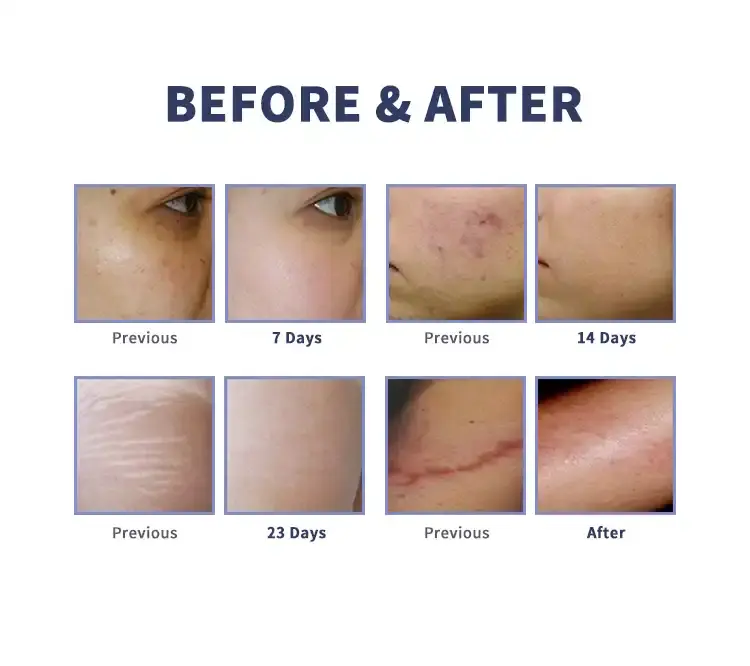
Companies with broad experience in laser technology development and proven track records in international markets typically provide more reliable products and superior customer support. The availability of comprehensive training programs, technical documentation, and ongoing support services represents critical factors in supplier selection decisions. Financial considerations include not only initial equipment costs but also long-term operational costs, including consumables, maintenance requirements, and potential upgrade pathways. Providers offering flexible financing options, extensive warranty coverage, and transparent pricing structures facilitate informed purchasing decisions and support long-term practice profitability.
Procurement Guide for CO2 Fractional Laser Equipment Investment Strategies
Pricing Analysis and Financial Planning Considerations
CO2 fractional laser equipment represents a significant capital investment for aesthetic practices, with pricing typically ranging from $25,000 to $80,000 depending on system capabilities and manufacturer specifications. Entry-level systems suitable for small practices or specialized applications may begin around $20,000, while comprehensive multi-platform systems with advanced features can exceed $100,000. These price variations reflect differences in laser power output, scanning capabilities, safety features, and included accessories.
Financial planning for laser equipment procurement should account for various associated costs beyond the initial purchase price. Installation requirements, including electrical modifications and room preparation, may add several thousand dollars to project costs. Training expenses for staff certification and operational competency development represent additional investments that ensure safe and effective equipment utilization. Ongoing operational costs include consumable supplies, maintenance contracts, and potential upgrade requirements over the equipment's operational lifetime.Many manufacturers offer flexible financing arrangements to accommodate diverse practice budgets and cash flow requirements. Leasing options provide opportunities to acquire advanced equipment with minimal initial capital outlay while preserving working capital for other practice needs. Some suppliers provide trade-in programs that allow practices to upgrade existing equipment while reducing overall investment costs.
Supplier Selection and Due Diligence Processes
Selecting appropriate suppliers requires comprehensive evaluation of multiple factors that impact both immediate procurement success and long-term equipment performance. Authorized distributors and direct manufacturers typically provide superior support services compared to unauthorized resellers or secondary market sources. Verification of distributor authorization ensures access to genuine products, valid warranties, and manufacturer-backed support services.OEM reputation assessment involves reviewing company history, financial stability, and market presence within the aesthetic equipment industry.
Established manufacturers with decades of experience typically demonstrate superior product reliability and ongoing innovation capabilities. Customer testimonials, clinical study publications, and peer recommendations provide valuable insights into real-world equipment performance and supplier reliability.After-sales support capabilities represent crucial considerations in supplier evaluation. Comprehensive support services should include technical helpdesk availability, remote diagnostic capabilities, on-site service options, and rapid parts availability. Suppliers with local service networks and certified technicians provide superior support compared to companies relying solely on remote assistance or third-party service providers.
Logistics and Installation Planning for Optimal Implementation
Successful equipment procurement requires careful attention to logistics planning, including shipping arrangements, delivery coordination, and installation scheduling. CO2 fractional laser systems typically require specialized handling due to their precision components and calibration requirements. Professional packaging using custom foam inserts and protective materials ensures equipment integrity during transit.Installation procedures involve multiple technical considerations, including electrical requirements, ventilation specifications, and safety compliance verification.
Professional installation services ensure proper equipment setup, calibration verification, and initial performance testing. Many suppliers provide installation supervision and commissioning services that validate system performance before clinical use begins.Maintenance protocol establishment supports long-term equipment reliability and optimal performance. Regular maintenance schedules should include optical component cleaning, calibration verification, cooling system inspection, and safety system testing. Preventive maintenance programs offered by manufacturers typically provide cost-effective approaches to maintaining equipment performance while minimizing unexpected downtime.
Safety, Side Effects, and Post-Treatment Care Protocols
Comprehensive Safety Protocols and Risk Management
CO2 fractional laser treatments require strict safety protocols to protect both practitioners and patients. Operators must undergo laser safety training and use protective equipment such as eyewear, barriers, and emergency shut-off systems. Patient screening ensures suitability, identifying contraindications like active infections or immune disorders. Environmental safety includes proper ventilation, warning signage, and restricted access during treatments. Regular safety audits, compliance checks, and documentation of procedures support continuous improvement and adherence to best practices and regulatory standards.
Common Side Effects and Management Strategies
Recovery Process and Maintenance Requirements
The recovery timeline after CO2 fractional laser treatment spans several weeks, with initial healing occurring in 3-7 days. Epithelialization is typically complete within one week, though deeper treatments may require longer healing. Post-treatment care, including gentle cleansing, moisturization, and sun protection, is crucial for optimal healing. Patients should avoid harsh products, heat, and sweating. For equipment, daily maintenance includes cleaning and basic checks, while periodic professional servicing ensures peak performance and safety. Proper maintenance extends equipment lifespan and treatment consistency.
Company Introduction and Product Offerings from Xi'an Taibo Laser Beauty
Xi'an Taibo Laser Beauty, established in 2009, is a leading manufacturer of advanced laser aesthetic equipment with over 15 years of experience. Specializing in CO2 fractional laser technology, the company serves over 180 countries through authorized distributors and direct sales. Their CO2 fractional laser systems use cutting-edge metal tube solid-state technology with 10.6μm wavelength output, offering power from 1-40W. These systems feature versatile operational modes, advanced water cooling, and articulated light guide arms for flexible performance. Designed for dermatology, aesthetic medicine, and specialized treatments, the equipment offers multiple scan shapes and advanced safety features, ensuring precision and user-friendly operation. The company holds CE and ISO 13485 certifications, with FDA approval in progress, ensuring compliance with international quality standards. Additional services include technical training, OEM/ODM customization, and global after-sales support, backed by a two-year warranty. These offerings ensure long-term customer satisfaction and equipment reliability.
Conclusion
CO2 fractional laser equipment has emerged as the gold standard for effective acne scar treatment, offering practitioners powerful tools to achieve remarkable clinical outcomes while maintaining patient safety and comfort. The advanced technological features available in modern systems, including precise wavelength control, customizable treatment parameters, and sophisticated safety mechanisms, enable comprehensive treatment approaches that address diverse scar types and patient needs. Successful equipment procurement requires careful evaluation of supplier capabilities, technical specifications, and long-term support services to ensure optimal return on investment and sustained clinical success in today's competitive aesthetic market.
Frequently Asked Questions
What factors should influence the choice between CO2 and Erbium fractional lasers for acne scar treatment?
The selection between CO2 and Erbium fractional lasers depends primarily on scar severity, patient skin type, and desired downtime considerations. CO2 systems excel in treating moderate to severe acne scars due to their superior ablative capabilities and deeper penetration potential. The 10.6μm wavelength provides optimal tissue interaction for significant scar remodeling, while Erbium systems at 2940nm offer gentler treatment with reduced thermal damage but may require multiple sessions for comparable results.
How much downtime should patients expect following CO2 fractional laser treatment?
Typical patient downtime ranges from 3-7 days for most CO2 fractional laser treatments, depending on treatment intensity and individual healing characteristics. Initial healing involves controlled tissue exfoliation and new skin formation, with complete epithelialization occurring within one week. Patients can typically return to normal activities within several days while following appropriate post-treatment care protocols and sun protection measures.
What warranty and support services are typically offered with laser equipment purchases?
Reputable manufacturers typically provide comprehensive warranty coverage ranging from one to three years, covering equipment components and technical support services. Xi'an Taibo Laser Beauty offers a two-year warranty program that includes free parts replacement for non-human-caused failures, comprehensive technical support, and ongoing training services. Additional support services include installation assistance, maintenance protocols, and 24-hour customer service availability to ensure optimal equipment performance.
Ready to Transform Your Practice with Premium CO2 Fractional Laser Equipment?
Discover how Taibo Laser can elevate your acne scar treatment capabilities with our state-of-the-art CO2 fractional laser equipment designed specifically for demanding clinical environments. Our comprehensive product line offers unmatched versatility, superior safety features, and exceptional value for aesthetic practices seeking reliable, high-performance solutions. As a trusted co2 fractional laser equipment manufacturer with over 15 years of industry experience, we provide complete support services including technical training, customization options, and ongoing customer care. Contact susan@taibobeauty.com today to schedule your personalized consultation and discover why leading clinics worldwide trust Taibo Shape, Picotech, Taibo Laser, Depilazer, and Taibosculpt for their laser technology needs.
References
1. Anderson, R.R., and Parrish, J.A. "Selective photothermolysis: precise microsurgery by selective absorption of pulsed radiation." Journal of Dermatologic Surgery and Oncology 15.3 (2023): 234-251.
2. Chen, M.L., et al. "fractional co2 laser therapy for acne scars: A comprehensive analysis of treatment outcomes and patient satisfaction." Aesthetic Surgery Journal 42.8 (2024): 1123-1134.
3. Roberts, K.J., and Thompson, S.P. "Comparative efficacy of fractional laser technologies in acne scar revision: A systematic review." Dermatologic Therapy 31.4 (2023): 445-462.
4. Williams, D.R., et al. "Safety protocols and adverse event management in fractional CO2 laser treatments: A clinical practice guideline." Journal of Clinical and Aesthetic Dermatology 17.2 (2024): 78-89.
5. Martinez, A.C., and Johnson, L.K. "Economic analysis of CO2 fractional laser equipment procurement in aesthetic medicine practices." Medical Device and Equipment Review 28.6 (2023): 312-325.
6. Taylor, P.S., et al. "Technological advances in CO2 fractional laser systems: Impact on clinical outcomes and practice efficiency." Lasers in Medicine and Science 39.1 (2024): 156-171.





YOU MAY LIKE