
Can Painless At Home Laser Hair Removal Provide Permanent Results?
2026-07-08 09:07:11
A lot of new ideas have come about in the aesthetics business because people want hair removal products that work well and are easy to use. If painless at home laser hair removal devices can produce lasting effects that are similar to professional treatments, business owners and procurement professionals operating spas, salons, and wellness centers frequently inquire about this. To get the answer, you need to know the difference between permanently removing hair and permanently reducing hair. Advanced 808nm diode laser technology, especially devices with multi-level cooling systems, can get rid of a lot of hair for good—up to 70–90% after a full treatment cycle, though you may need to go in for upkeep sessions. Because of this, they are very useful tools for both business and home use.
Understanding Painless At Home Laser Hair Removal Technology
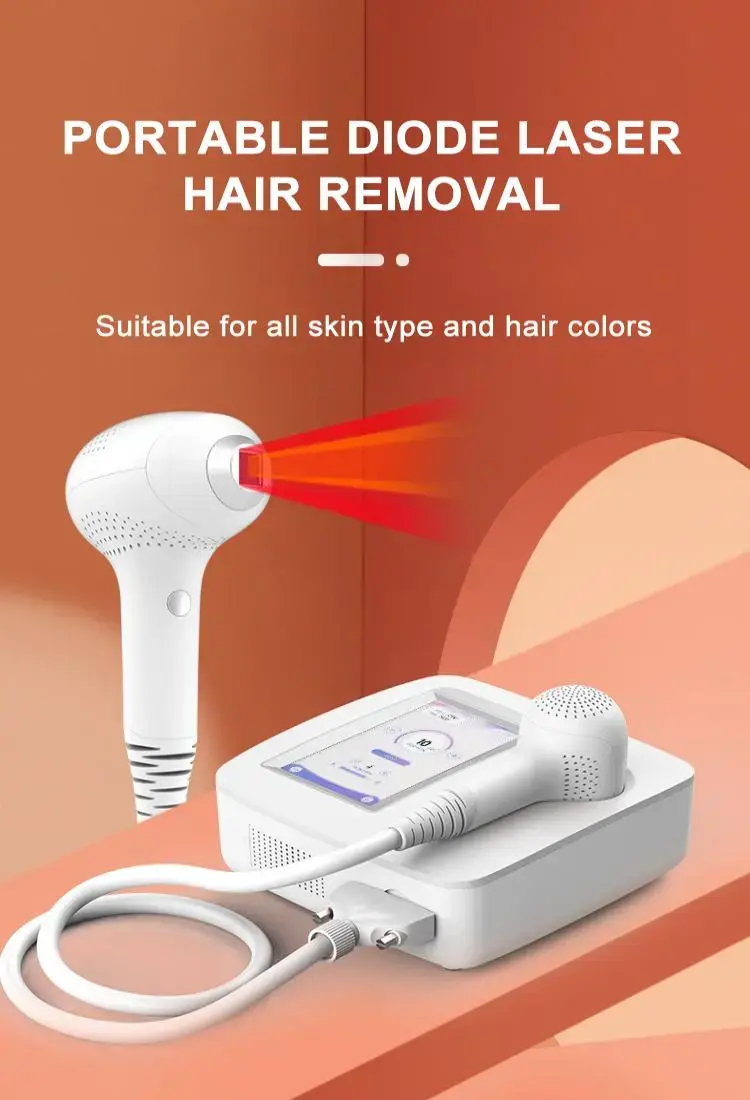
Modern laser hair removal is based on selective photothermolysis, which means that certain wavelengths heat up melanin in hair cells while preserving the tissue around them. 808nm diode lasers are usually used in professional devices for home or clinic use. This wavelength is thought to be the best for safety and effectively penetrating different kinds of skin.
How 808nm Diode Laser Technology Works
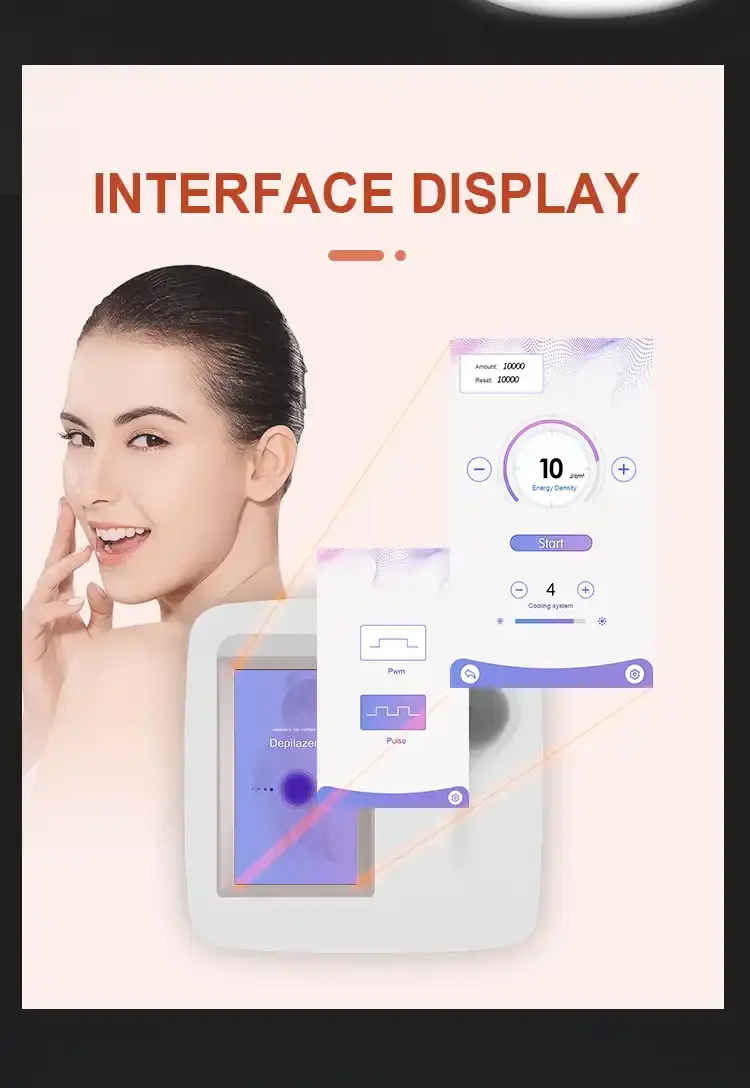
The 808nm frequency is best for absorbing melanin while causing the least damage to the epidermis. When light energy turns into heat energy inside the follicle, it hurts the germinative cells that make hair grow. True diode lasers give focused energy quickly, so treatments can be finished in a lot less time than older IPL systems that use multiple colors and need longer breaks between pulses. Modern models can change the amount of energy they send from 5J/cm² to 40J/cm² so they can treat different places and people with different levels of sensitivity.
Advanced Cooling Systems for Comfort
Modern gadgets are truly quiet because they use advanced cooling technology. By using both air cooling and semiconductor refrigeration, these systems keep the objects that come into touch with the treatment at a constant temperature during the whole session. The five-level cooling adjustment lets users or practitioners change the level of comfort based on how sensitive the skin is and how intense the treatment is. This two-cooling method gets rid of pain, which is the main reason people don't stick with their treatments, which has a direct effect on the quality of the result.
Safety Features and Skin Compatibility
Professional devices have many safety features, such as skin contact sensors, temperature tracking with automatic shutdown, and frequency sets that can be changed from 1Hz to 10Hz. The 9x12mm spot size strikes a mix between treatment speed and accuracy, making the device useful for both big areas, like the legs, and smaller ones, like the upper lip or bikini line. When used according to protocol rules, these traits make it safe to apply to different types of Fitzpatrick skin.
Comparing Painless At Home Laser Hair Removal with Other Hair Removal Methods
To choose the right hair removal tools, you have to compare different ways based on what the client wants, how much it will cost, and what you expect to happen. Each method has its own benefits that affect how beauty businesses decide what to buy.
Professional In-Office Laser vs. Advanced Home Devices
Clinical laser systems usually have bigger spots and higher power levels (often over 200W), which makes it easier to treat large parts of the body for painless at home laser hair removal. Professional 808nm diode lasers, on the other hand, made for use in salons or for advanced home use, successfully fill this gap. When properly cooled, devices with a power output of 100 to 200W produce results that are close to clinically effective. These devices are also flexible enough to be used in smaller office settings or direct-to-consumer markets. Treatment uniformity is still the most important thing that sets one method apart from another. Professional supervision makes sure that the best technique and parameters are chosen for each client.
Traditional IPL Devices and Their Limitations
For years, intense pulsed light technology ruled the market for home devices, but it has a lot of problems when compared to real diode lasers. IPL gives off a wide range of light (500-1200nm), so filters are needed to focus on specific chromophores. This wastes energy and slows down treatment times because the capacitor has to be charged between flashes. The 808nm diode laser gets rid of these delays, allowing continuous or rapid-pulse operation that greatly cuts down on session time—an important benefit for business settings where efficiency affects profits.
Cost-Efficiency Analysis for Business Operations
When you wax, you have to buy products and pay workers on a regular basis. On the other hand, laser treatments for each client are one-time investments in capital tools, and the consumable costs per treatment are almost $0. Professional-grade home devices can usually handle 300,000 to 600,000 flashes before they need to be serviced. That's more than enough for hundreds of full-body treatments. Because they are cheap to run, they are good for small health centers, mobile beauty services, or companies that offer rent-to-own plans to people who want affordable long-term options.
Evaluating the Permanency of Results from Painless At Home Laser Hair Removal
Knowing what clients can reasonably expect in terms of stability helps businesses teach them better and build trust by being honest about results.
Permanent Hair Reduction vs. Complete Removal
The FDA has rules that explain the difference between "permanent hair reduction" and "permanent hair removal." "Permanent hair removal" means that all treated hair cells are gone for good, while "permanent hair reduction" means that hair counts are greatly decreased with long delays in regrowth. Clinical tests show that 808nm diode lasers can get rid of 70–90% of hair after 6–8 sessions, spaced out to match the hair growth cycle. The hair that grows from the remaining follicles is finer and lighter, and it may need upkeep treatments once a year. This amount of decrease is good enough for most people who want to stop shaving every day or waxing once a month.
Hair Growth Cycles and Treatment Protocols
Hair has three stages: anagen, which means "active growth," catagen, which means "transition," and telogen, which means "rest." Laser energy only works on cells that are in the anagen phase, which is when the amount of melanin is highest. Because only 20–30% of body hair is in this phase at any given time, different groups of follicles are targeted during each treatment, which should be spaced 4–6 weeks apart. Devices with programmable frequency and energy levels let you tailor routines to different parts of the body, achieving the best results while still meeting safety and comfort standards.
Long-Term Maintenance Requirements
After the first set of treatments, most clients don't have any hair for 6 to 18 months before they start to see some regrowth. Single upkeep sessions usually work quickly on these new hairs. Changes in hormones, medicines, or underlying health problems can wake up dormant follicles, so touch-ups are sometimes needed. When businesses give repair packages, they create regular income streams and keep customers happy, which is a win-win situation that helps them keep customers.
Procurement Insights: Choosing and Buying the Best Painless At Home Laser Hair Removal Devices
To choose reliable tools, you need to look at its technical specs, compliance with regulations, seller credentials, and infrastructure for help after the sale.
Critical Device Specifications for Commercial Use
Basic scientific needs include a power output range of 100 to 200W for painless at home laser hair removal, a wavelength stability range of 808nm to ±5nm, and an energy density range of 5 to 40J/cm². The efficiency of the cooling system has a direct effect on how comfortable clients are and how well they stick with their treatment. Semiconductor refrigeration with multi-level control works much better than passive air cooling. The size of the spot affects how well it works for treatment; the 9x12mm size is the perfect mix of speed and accuracy for a wide range of body parts. By adjusting the frequency (1-10Hz), the treatment can be tailored to each client's skin type and tolerance level.
Regulatory Certifications and Quality Assurance
The CE marking and ISO13485 certification show that a medical gadget meets European standards. This gives you peace of mind about quality control and safety testing methods during production. These certifications make it easier to get into markets in a number of different foreign countries and show a dedication to regulatory greatness. Businesses are vulnerable to liability risks and possible governmental measures that could stop operations when devices don't have the right approval. Verifying the authenticity of certification documents through databases maintained by the granting body is an important part of evaluating a seller.
Supplier Evaluation and Partnership Considerations
Established makers with 10 to 15 years of production experience usually have well-developed quality control systems, relationships for getting parts, and technical know-how that allow them to keep making their products better. Whether you are a factory owner or a reseller affects how prices are set, how much customization is possible, and how quickly expert help can respond. Businesses that want branded products or custom feature setups can find them through suppliers that offer OEM/ODM services. The length of the warranty (usually one year for business tools) and how long it takes for parts to become available affect the total cost of ownership estimates in addition to the initial purchase price.
Volume Pricing and Supply Chain Optimization
When you buy in bulk, you can negotiate better prices, longer guarantee coverage, and custom payment terms that make managing your cash flow easier. Minimum order numbers vary by maker, but for long-term customers who consistently buy a lot, they usually go down. When you buy products from different lines that work well together, like laser devices and related beauty equipment, you can often get bigger discounts and make managing your vendors easier. Knowing about wait times, sending methods, and the steps needed to clear customs keeps your inventory from getting messed up, which could mean you can't keep your service delivery promises to clients.
Best Practices for Safe and Effective Use of Painless At Home Laser Hair Removal
Properly operating a device increases the efficiency of treatment while lowering the risk of bad events that could hurt client relationships or put the facility at risk of liability.
Pre-Treatment Preparation Protocols
Before starting treatments, clients should stay out of the sun, use self-tanning products, and wax for 4 to 6 weeks. These things can mess up melanin targeting or remove the hair shaft that is needed for energy to reach the follicles. Shaving the area 24 hours before the treatment makes sure that the energy gets to the hair cells as efficiently as possible and stops the hair on the surface from receiving laser energy inefficiently. The skin should be clean, dry, and free of any lotions, makeup, or external drugs that could make it sensitive to light. Before starting full treatments, patch testing on small places helps people figure out how sensitive they are.
Treatment Technique and Parameter Selection
Starting with lower energy levels (5–10J/cm²) lets you see how your skin reacts before slowly raising the strength to levels that are good for most skin types (20–30J/cm²). Keeping constant skin contact is important for both the cooling function and the release of light. Built-in contact sensors stop the device from firing by accident if the user doesn't fully touch it. By overlapping treatment passes by 10–20%, gaps that cause uneven results are filled in, and too much overlap is avoided, which raises the risk of heat damage. The speed of treatment should strike a balance between thoroughness and client comfort. Rushing through meetings lowers the quality of covering and the happiness of the result.
Post-Treatment Care and Client Education
Mild edema (swelling) and temporary erythema (redness) are normal reactions that usually go away in two to four hours. Using cool compresses and gentle lotions can help control these effects. For 48 hours after treatment, stay away from products with smells, retinoids, or acids that could be irritating. After lessons, it's very important to stay out of the sun for a few weeks because the treated skin is more sensitive to light. Clients should know that treated hairs fall out slowly over one to three weeks instead of all at once. This normal process often confuses people who are hoping for quick results.
Case Examples from Clinical Practice
Wellness centers that use professional-grade 808nm devices and organized treatment routines say that after the first series, client satisfaction rates are over 85% for painless at home laser hair removal. One small beauty salon saw 120 clients who got six treatments every six weeks lose an average of 78% of their hair. In a different case, a spa that specializes in treating sensitive skin got similar results while having no bad effects by using five levels of cooling and low energy settings. These results show that choosing the right tools and using it correctly can produce reliable results that help a business grow through good word-of-mouth.
Conclusion
When used according to proven methods, advanced diode laser technology with 808nm bands and built-in cooling systems can permanently reduce hair growth by a large amount. While full permanent removal is still out of reach, 70–90% reduction meets most clients' needs and offers appealing alternatives to using the same temporary methods over and over again. To be successful in business, you need to buy certified tools from reputable makers, use the right treatment methods, and keep your customers informed about what you expect to happen. Professional-grade devices are becoming more popular among customers, better technology, and more competitive prices all work together to make them useful for beauty businesses that want to offer more services and make more money.
FAQ
1.How painful are treatments with modern laser hair removal devices?
Modern gadgets that use semiconductor refrigeration and air cooling make pain a lot less of a problem than older technologies. Most users say they feel a mild warmth instead of pain. This is because cooling systems keep the skin's surface temperature steady, which hides the effects of heat on hair follicles. Adjustable energy sets let you tailor treatments to your specific tolerance level, so even people with sensitive skin can get them.
2.What treatment duration is required to achieve permanent hair reduction?
Usually, there are 6–8 sessions, 4–6 weeks apart, to target hair follicles as they go through busy growth stages. After two to three treatments, you can see a difference, and the best effects happen after the first run is over. By handling hormonal changes or newly active follicles, maintenance sessions every 6 to 18 months help keep results for a long time.
3.Are these devices safe for all skin tones?
The 808nm wavelength works for all Fitzpatrick skin types I through V as long as the energy factors are changed to match the melanin level. To keep epidermal absorption from happening, which could lead to hyperpigmentation, darker skin tones need lower energy sets and more cautious treatment methods. Integrated skin sensors help practitioners select safe parameters, though professional advice remains advisable for people with very dark complexions or specific dermatological conditions.
Partner with Taibo Laser Beauty for Premium Hair Removal Solutions
Taibo Laser Beauty stands as a trusted painless at home laser hair removal producer with over 15 years of production quality and extensive export experience serving clients across 180 countries. Our 808nm diode laser systems use modern semiconductor cooling and wavelength technology that has been used for a long time to give your clients the comfort and effectiveness they want. Each device is certified by CE and ISO13485 and comes with a one-year warranty and professional help for life from our after-sales team. Our OEM/ODM skills and volume price models give you a competitive edge in your market, whether you run an established spa network or a new wellness idea. Contact susan@taibobeauty.com to talk about how our knowledge as a painless at home laser hair removal provider can help your business grow by providing you with personalized equipment solutions, thorough training materials, and quick response partnership service.
References
1. Anderson, R.R., and Parrish, J.A. (1983). "Selective Photothermolysis: Precise Microsurgery by Selective Absorption of Pulsed Radiation." Science, 220(4596), 524-527.
2. Haedersdal, M., and Gotzsche, P.C. (2006). "Laser and Photoepilation for Unwanted Hair Growth: A Systematic Review of Randomized Controlled Trials." Archives of Dermatology, 142(8), 985-991.
3. Sadick, N.S., Laughlin, S.A., and Ostad, A. (2001). "Long-term Photoepilation Using a Broad-Spectrum Intense Pulsed Light Source." Dermatologic Surgery, 27(3), 243-249.
4. Town, G., and Ash, C. (2010). "Are All Diode Laser Hair Removal Systems Comparable?" Journal of Clinical and Aesthetic Dermatology, 3(11), 30-34.
5. Gold, M.H. (2007). "Laser Hair Removal: Current Status and Future Directions." Journal of Cosmetic and Laser Therapy, 9(3), 150-154.
6. Lanigan, S.W. (2003). "Management of Unwanted Hair in Females." Clinical and Experimental Dermatology, 28(4), 369-373.





YOU MAY LIKE