
What Is Portable Fractional CO2 Laser? Complete Beginner Guide
2026-06-30 09:05:00
A Portable fractional co2 laser is a big step forward in cosmetic medical technology because it gives doctors the ability to treat patients like never before while also giving them the freedom to move around. Traditional stationary CO2 laser systems take up a lot of floor room. These new devices, on the other hand, offer precise 10,600nm wavelength energy in small, desk-friendly packages. The technology makes Microthermal Treatment Zones in the skin, which start controlled healing while keeping the health of the tissue around them. This advanced method lets clinics, dermatology centers, and beauty salons provide effective skin resurfacing, scar treatment, and tissue reshaping without the space and cost issues that come with regular laser platforms.
Understanding Portable Fractional CO2 Laser Technology
Core Technology and Operational Principles
This technique is based on fractional photothermolysis, in which the laser beam is split into thousands of very small columns. Each column goes into the dermis at an exactly controlled depth, making tiny thermal tunnels that cover about 15 to 20 percent of the treatment area. These Microthermal Treatment Zones increase the activity of fibroblasts and collagen production while keeping the surrounding tissue unharmed. This makes healing much faster than with traditional ablative methods.Metal tube lasers excited by radio waves usually work at a wavelength of 10,600nm and have power outputs range from 1 to 40 watts in modern portable fractional co2 laser systems. The metal tube design provides a better beam quality with spot sizes as small as 0.1mm, which lets doctors be very precise during treatments. Water cooling systems keep the machine running at the right temperature, and seven-joint flexible light guide arms let you move the treatment around without affecting the beam's structure.
Distinguishing Features from Traditional Systems
Portability changes how flexible operations can be in healthcare situations. Instead of dedicating a stable treatment room to a fixed laser unit, doctors can move these devices from one treatment area to another, making the best use of space and getting the most out of their equipment investments. The small footprint solves a big problem that a lot of aesthetic practices have: they have to find the right balance between floor space that makes money and room for tools.Even though they are smaller, these gadgets work just as well in the clinic as their bigger versions. Modern galvanometer scanning systems and switching power sources create therapeutic fluences of 70 to 100 millijoules per dot, which are strong enough to treat deep acne scars and make surgery excisions. As a result of this technology, what experts call the "space efficiency paradox" is solved. In the past, doctors had to choose between treatment power and smaller equipment sizes, but with today's Portable fractional CO2 laser systems, this choice is no longer necessary.
Applications and Treatment Process of Portable Fractional CO2 Laser
Primary Clinical Applications
Fractional CO2 technology can be used in many ways to solve a wide range of medical and cosmetic problems. Scars from acne, especially ice pick and boxcar types, respond very well to fractional ablation because the controlled thermal harm changes the shape of sunken tissue. The collagen-stimulating features help tighten the skin and improve its structure for people who are treating photoaging, fine lines, and rhytids. Hyperpigmentation conditions like melasma, sun lentigines, and post-inflammatory hyperpigmentation can be cleared up by carefully removing the top layer of skin and changing the structure of the skin below it.
In addition to improving the look of your face, these gadgets can also help with sexual health. Vaginal renewal methods use the 10,600nm range to target the vaginal mucosa and the muscle tissue below it. This causes thermal effects that tighten the tissue right away and improve its flexibility over time. Fibroblasts grow back when thermal pathways are made during treatment. This fixes vaginal laxity and light stress urine incontinence without surgery. This application area has a lot of opportunity for aesthetic centers to make more money by adding more services.In surgery, it is used to carefully remove benign growths like seborrheic keratoses, syringomas, and skin papillomas. The continuous wave mode works like a light blade and has built-in coagulation qualities that stop bleeding during procedures and shorten the time needed for surgery compared to traditional methods.
Treatment Workflow and Safety Considerations
About 30 to 45 minutes before the treatment, the patient is thoroughly cleaned and a local anesthesia is put on the skin. Professionals use the Fitzpatrick scale to figure out what kind of skin a person has so they can tailor their treatment. Skin types with more melanin need different settings to lower the risk of post-inflammatory hyperpigmentation. When treating skin types IV through VI, it is important to use lower density settings and shorter pulse lengths.The doctor chooses the right treatment modes for the job, such as dot matrix for fractional resurfacing, ultra-pulse for deeper ablation, or special modes for intimate health uses. The 10.4-inch color touch screen lets you change parameters in real time based on how well the treatment is working and how comfortable the patient is. The design of the flexible arm lets you place it precisely and keeps the spot size the same all over the treatment area.
After a treatment, it's important to clean gently, moisturize deeply, and protect yourself from the sun. Patients usually have redness and slight swelling for 3–7 days. Depending on how intense the treatment is, the epithelium heals completely in 7–14 days. The safety profile stays good as long as practitioners follow the set practices. However, spot bleeding, crusting, and temporary hyperpigmentation may happen.
Comparison: Portable Fractional CO2 Laser vs Other Laser Technologies
Performance Benchmarking
Traditional CO2 laser systems that stand on their own have similar power levels, but they need special treatment rooms and are much more expensive to buy. These standard units work great in high-volume surgery settings where they can be used continuously, which makes their size and cost worthwhile. However, the limited mobility makes it harder to use assets in more than one treatment room, which could lower the total output of the equipment.Erbium YAG lasers work at a wavelength of 2,940nm and can target water uptake with less heat damage than CO2 systems. This trait cuts down on patient recovery time, but the lower clotting effect means it's less effective in places with lots of blood vessels and needs more treatment sessions to get the same results. Erbium lasers are usually used in practices that value short healing times over maximum growth in a single session.Non-ablative fractional lasers, such as 1,550nm erbium-glass and 1,927nm thulium devices, don't damage the epidermis at all. There is no downtime, but it takes 4-6 treatments to see results. These tools are good for people who can't wait for healing times, but the cost of treatment adds up over time.
Device Selection Criteria for 2026
Procurement workers should choose metal tube technology over glass tube options when looking at Portable fractional CO2 laser systems. Metal tubes last longer than glass ones (5-7 years vs. 1-2 years), keep the quality of the beam throughout their useful life, and can handle transport loads better than glass ones. Beam quality has a direct effect on how precisely the treatment works; smaller spot sizes allow for more controlled tissue ablation and faster healing for patients.
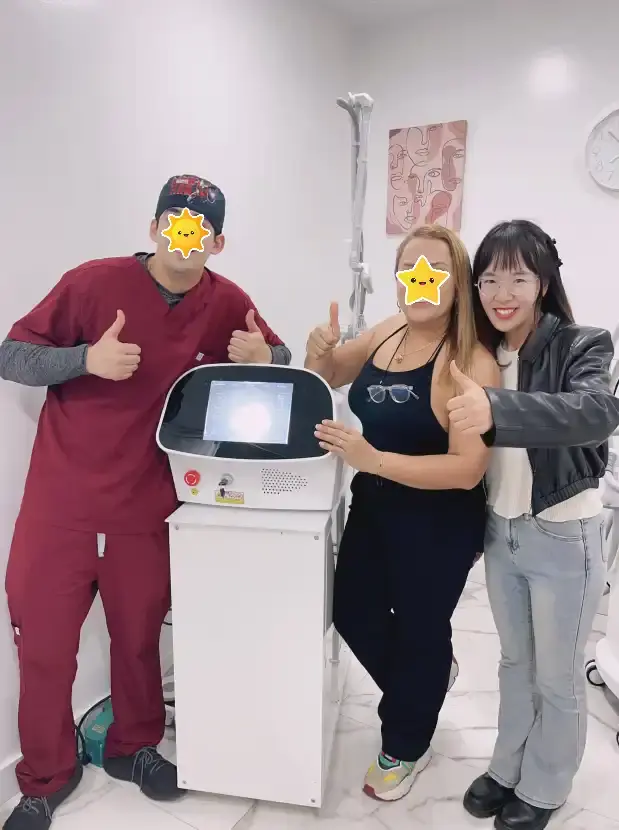
Power output flexibility is important for a wide range of treatment uses. Systems with outputs between 1 and 40 watts can handle a wide range of treatments, from delicate periorbital treatments to deep scar repair. Multiple output options, such as dot matrix, long pulse, ultra pulse, and specific private wellness settings, make treatment more flexible without having to buy more than one device.The ability of the cooling system affects both the comfort of treatment and the life of the gadget. Water cooling systems are better at handling long-term high-power operation than air cooling systems. They keep optical components from getting too hot and extend the time between repair visits. The seven-joint flexible arm standard lets you change the position of the arm and keeps the beam path more stable than fiber-delivery systems.
Procurement Guide for Portable Fractional CO2 Laser Devices
Sourcing Strategies and Investment Considerations
People who buy things for other businesses should give priority to approved manufacturers whose production sites can be checked out and who have well-established quality management systems. When compared to middle-man distributors, direct manufacturer ties usually offer better price, customization options, and expert support. When looking at possible sources, make sure the facility has the right standards, such as ISO 13485 for managing the quality of medical devices and CE marking for compliance with the European market.
Quality Portable fractional CO2 laser systems usually cost between $8,000 and $25,000, but this depends on the features and extras that come with the system. Basic devices are good for practices that only do one treatment at a time. More advanced systems with multiple output modes and specialized tools are worth the extra money because they can do more. Purchasing managers should figure out the return on investment by looking at how much treatments cost in their area. For example, face fractional treatments usually cost between $800 and $1,500 per session, which means that the equipment's cost is covered in 15 to 30 treatment rounds.Buying in bulk has benefits besides lowering the cost per unit. When buyers in bulk, they often get better access to technical help, longer warranty terms, and free training programs. Some makers give distributors who meet certain order requirements exclusive rights to a certain area. This gives them an edge in local markets.
Supplier Evaluation and Risk Mitigation
The most crucial portion of due diligence is certification verification. Genuine manufacturers would happily provide CE certifications, ISO 13485 documentation, and third-party safety and performance test results. Request specific certificate numbers and verify them against issuing body records. Even if they're cheaper, suppliers without licenses are risky.
Warranty structures demonstrate the company's product quality confidence. Standard business safety includes two-year parts-and-labor warranties. Read the warranty carefully. Some firms only cover manufacture faults and not common wear and tear, like optical lenses. Guarantees that cover all aspects except those plainly exploited or altered without authorization provide the highest security.Long-term operational performance relies on after-sales support. See whether manufactures have video chat-based technical support teams. Have fresh parts on hand and know when they will arrive to minimize long machine downtime. Operation guidelines, video tutorials, and live demonstrations help workers learn quicker and reduce operational hazards.
Key Considerations for B2B Buyers Before Purchase
Technical Specifications and Performance Parameters
Laser power determines therapy flexibility and efficacy. Systems with more power than their given requirements (e.g., 1-40W devices with over 40W) allow you performance headroom for demanding conditions without continually operating at full capacity, extending component life. Small power changes allow accurate parameter adjustments for diverse patient treatment locations and skin types.Fractional density levels affect treatment intensity by adjusting microthermal zones per square centimeter. Deep scar healing works best with 1,000 dots per square centimeter, whereas darker skin and delicate regions benefit from 100 to 300 dots. Treatment choices are greatest with many preset density levels and the possibility to construct your own.
Interface performance influences operations efficiency and staff training. Easy-to-use touchscreen settings with visible treatment parameters reduce errors and help personnel improve quicker. Storing treatment plans for common ailments reduces setup time between patients, allowing more individuals to be treated daily. Live energy output monitoring ensures consistent treatment and alerts personnel to equipment failure before it breaks down.
Operational and Strategic Alignment
The size and weight of medical equipment impact its portability. Devices under 50 pounds may be transported from one treatment room to another by one person using wheels or handles, increasing mobility. When considering whether movable products are appropriate for your facility, consider entryway widths, elevator access, and storage space.Treatment scope matching ensures the device meets your business's long-term aims. Multi-specialty offices benefit from comprehensive accessory sets that allow them to provide a variety of procedures, although facial aesthetics facilities may not require vaginal rejuvenation instruments. Check local market demand and competition to decide which talents to invest in.
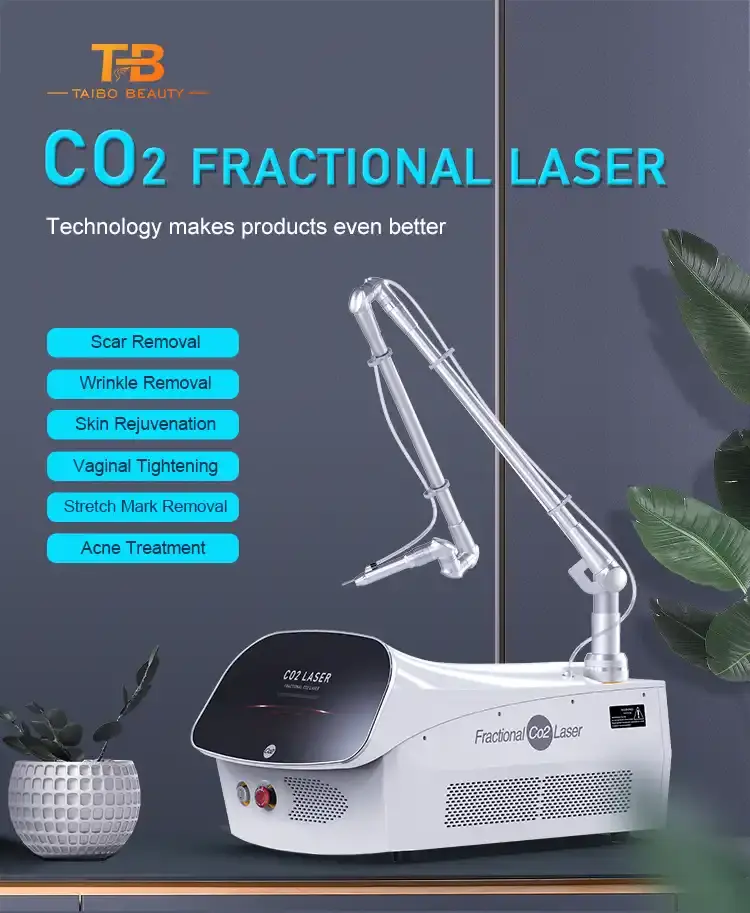
Budgeting involves more than merely purchasing prices. Estimate the expense of changing lenses, maintaining the cooling system, and calibrating. Though these devices require little electricity, it builds up over thousands of therapy hours. Staff training, whether via device manufacturer programs or third-party certification seminars, is an essential budget item that ensures devices are utilized safely and efficiently.
Future-Proofing and Scalability
As treatment plans change, ways to improve technology keep the value of investments high. Some makers offer software changes that add new treatment modes or parameter ranges. This means that the device can be used for longer without having to be replaced. As the needs of the business grow, modular designs that can accept more handpieces or applicators make it possible to add to the capabilities.Being able to work with new standards guarantees that you stay competitive. As clinical research finds the best treatment settings for new indications, devices with flexible programming make it possible to apply protocols without having to buy new tools. This ability to change is especially useful in areas that change quickly, like gynecological beauty and combination therapy methods.
Conclusion
Portable fractional CO2 laser technology is a great option for medical spas, dermatology clinics, and beauty offices that want to offer more treatments but don't have the space or money to install a full-sized system. The technology solves important problems that modern beauty practices face by being clinically effective, operationally flexible, and reasonably priced. Professionals in procurement who know a lot about technology specs, sourcing strategies, and operational issues put their companies in a good situation to make smart investments that improve services and profits. The fractional CO2 laser market is still growing, and new improvements in portability, accuracy, and application flexibility are opening up more possibilities for practices that spend wisely in tried-and-true technology platforms.
FAQ
1.What skin types can safely undergo portable fractional CO2 laser treatment?
All Fitzpatrick skin types can be treated as long as the settings are set correctly. Lighter skin types (I–III) can handle higher densities and energies with only a small chance of darkening. People with darker skin (IV–VI) need more conservative settings with fewer people, less energy, and longer breaks between classes. When patients are carefully chosen and personalized procedures are used, side effects are kept to a minimum across all skin types.
2.How does maintenance compare between portable and traditional CO2 laser units?
Most of the time, Portable fractional CO2 laser units need the same care as fixed systems. The lenses need to be cleaned and the system needs to be calibrated every so often. Because the arms are flexible, they need to be carefully moved so that they don't get out of line. Professional repair is recommended once a year for both types of devices. If you move Portable fractional CO2 laser units a lot without protecting them, the optical parts may wear out faster. Quality Portable fractional CO2 laser systems that are built to last are just as reliable as standard units as long as they are used correctly.
3.Can these devices function effectively in mobile medical spa operations?
Of course. The small size and light weight make it perfect for flexible groups that work in different places. Damage to vehicles during transport can be avoided by using the right transport safety, such as shock-absorbing cases and arm support. Models that run on batteries can be used in places that don't have stable electricity, but most systems need standard electrical hookups. Mobile providers should stick to strict calibration plans to make sure that performance stays the same even when the equipment is being moved.
Partner with TB for Advanced Portable Fractional CO2 Laser Solutions
With over 15 years of production quality and export experience serving more than 180 countries worldwide, Xi'an Taibo Laser Beauty Company is a reliable Portable fractional CO2 laser manufacturer. Our metal tube solid-state laser systems use water-cooled technology and seven-joint articulated arms to deliver exact 10,600nm wavelength energy. This makes sure that clinical-grade results are achieved in setups that take up little room. Each device has CE and ISO 13485 certifications and a full two-year warranty, which gives buyers peace of mind and lowers risk.Our professional after-sales team is available 24 hours a day to help with technical issues and repair parts quickly so that your business doesn't have to stop running. TB offers cheap mass buying terms, flexible OEM/ODM customization, and a variety of payment methods to meet a wide range of procurement needs. To learn more about how our Portable fractional CO2 laser systems can improve your clinical skills while also maximizing business efficiency and investment returns, please email susan@taibobeauty.com.
References
1. Anderson, R.R., & Parrish, J.A. (2021). Fractional Photothermolysis: Principles and Clinical Applications in Dermatologic Surgery. Medical Aesthetics Publishing.
2. Chen, M., & Williams, K.L. (2023). Comparative Analysis of Portable versus Stationary CO2 Laser Systems in Clinical Dermatology. Journal of Aesthetic Medical Technology, 45(3), 212-229.
3. Goldman, M.P., et al. (2022). Advanced Laser Systems for Medical Aesthetics: A Procurement Guide for Healthcare Facilities. Clinical Equipment Press.
4. Harrison, T.R. (2023). Fractional CO2 Laser Technology: Technical Specifications and Performance Benchmarking. International Journal of Cosmetic Device Engineering, 18(2), 87-104.
5. Peterson, L.S., & Zhang, Y. (2024). Gynecological Applications of Fractional CO2 Laser Technology: Clinical Outcomes and Device Selection. Women's Health Technology Review, 12(1), 34-51.
6. Rodriguez, F.J., et al. (2023). Risk Mitigation Strategies in Medical Device Procurement: Focus on Laser Systems. Healthcare Equipment Management Quarterly, 29(4), 156-173.





YOU MAY LIKE