
A Complete Guide to Diode Laser Hair Growth Machines
2026-06-30 09:05:02
As the need for effective hair regrowth solutions grows, a diode laser hair growth machine stands out as a game-changing investment that meets both clinical needs and customer happiness. This cutting-edge technology uses low-level laser treatment to treat hair loss and thinning without damaging the hair follicles. It gives spas, dermatology clinics, and health centers an edge in a market that is growing quickly. Businesses can safely add these devices to their service offers while getting the best return on investment if they know the technical specs, buying factors, and implementation strategies.
Understanding Diode Laser Hair Growth Machines
The Science Behind Low-Level Laser Therapy
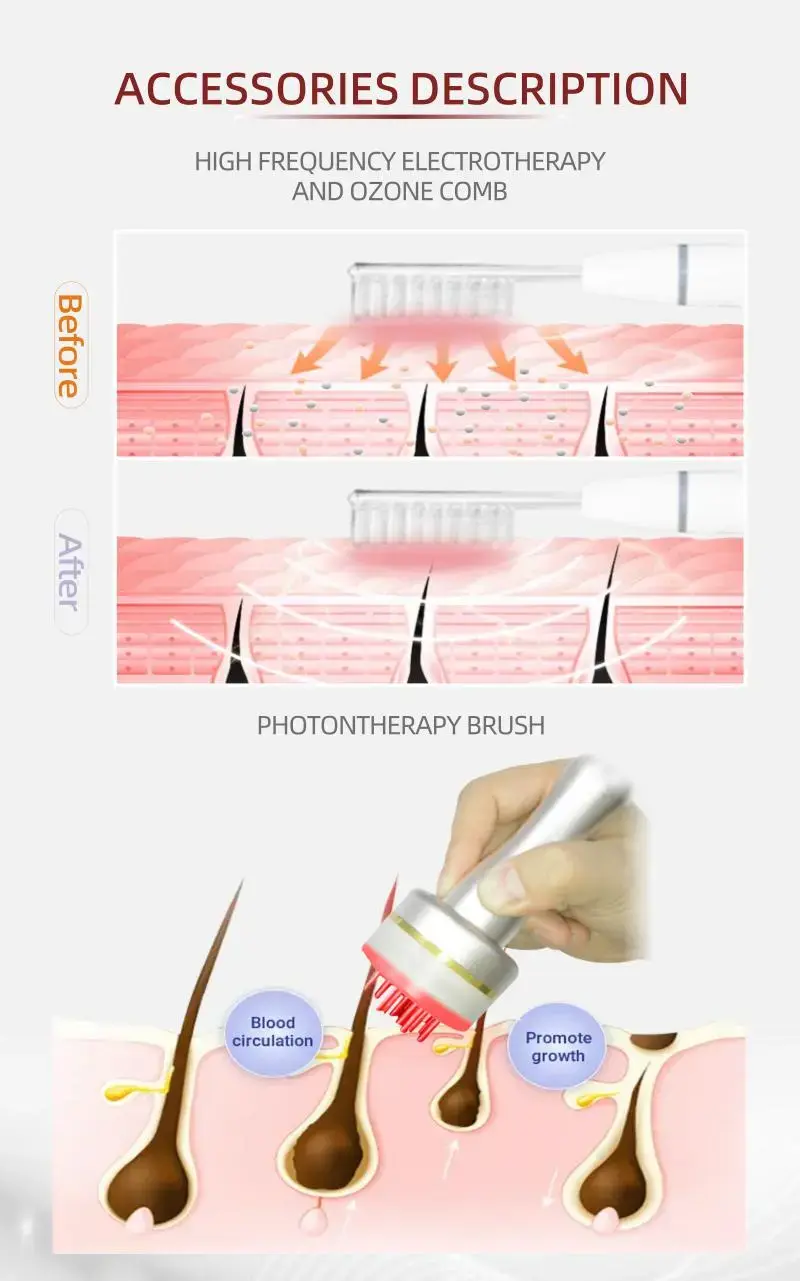
Low-level laser therapy is different from ablative laser treatments because it uses well-known photobiological principles. When coherent light with a frequency of 650nm gets into the scalp tissue, photons combine with chromophores in hair follicle cells. This makes the mitochondria work and makes ATP. This excited cell environment turns inactive follicles into active growth phases and makes the anagen cycle last longer. Studies in humans show that increasing blood flow—by as much as 55% in treated areas—brings in nutrients like oxygen and amino acids and gets rid of dihydrotestosterone (DHT), the main hormone that causes pattern baldness.
Core Technical Components
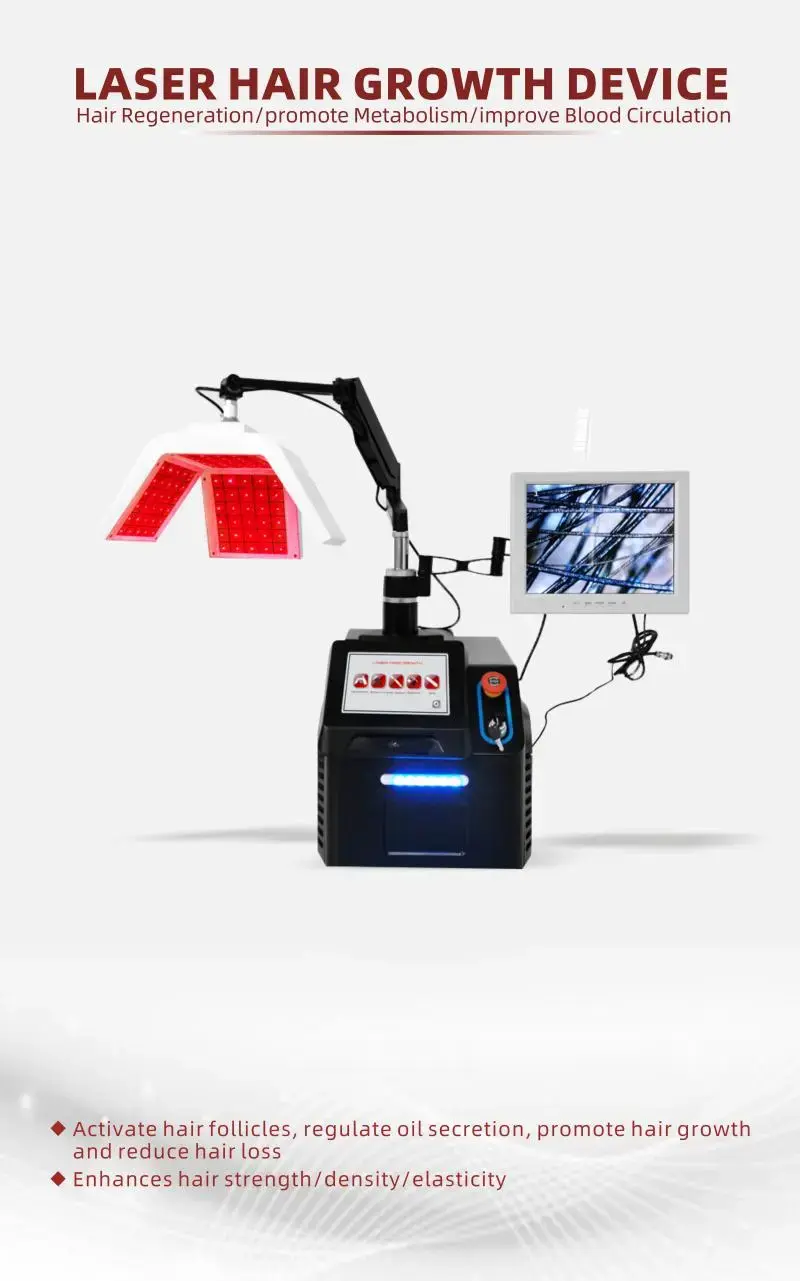
Professional systems have a lot of different technologies built in to make sure that the treatment works every time. The TB laser hair growth system has 262 separate laser diodes that work at 10mW power output. This covers the whole head without damaging it with heat. A lot of study on phototherapy has shown that the 650nm wavelength is the best mix between tissue penetration depth and cellular absorption. Advanced units have skin recognition features that are 200 times stronger, which lets doctors look at head conditions and make treatment plans that fit the needs of each client.
Power and Performance Specifications
Understanding power specs helps buying teams make accurate assessments of the capabilities of tools for diode laser hair growth machine. The 200W total power capacity is the total output needed to send healing energy across the whole treatment area for 15 to 20 minute sessions. Professional systems keep the same beam intensity over long operating hours, unlike consumer-grade devices that only have a few diode arrays. This ensures stable performance in high-volume clinic settings. Temperature control devices stop wavelength shift, which is a problem that often happens with lower-quality tools and can make treatment less effective.
Comparing Diode Laser Hair Growth Machines with Other Hair Growth Solutions
Clinical Efficacy Versus Topical Treatments
Topical treatments like Minoxidil need to be used every day, and the results rely on how well the patient follows the directions and on their genes. Laser therapy gets rid of worries about chemical exposure and has measured results—studies show that 85% of patients experience less hair loss within three months of treatment. Light therapy is appealing to people who want to avoid pharmaceutical treatments because it doesn't affect the whole body. This is especially true for people who are having side effects from oral medicines. When you use both at the same time, they often work better together, as better hair circulation makes skin absorption better.
Professional Systems Versus Home-Use Devices
Professional and civilian tools are different in more ways than just price. They also cover a wider range of treatments, make sessions more efficient, and last longer. Caps for home use usually have 80 to 150 LEDs or lower-power diodes that need 25 to 30 minute sessions several times a week. Professional systems with 262 high-output laser diodes can treat the whole scalp in less time and can fit heads of different sizes thanks to flexible carriage designs. This efficiency directly leads to more patients being seen and more appointment schedule options for offices that are already very busy.
Post-Transplant Recovery Applications
Laser therapy is especially useful for hair regrowth techniques, which are very specific uses. When used two to four weeks after surgery, LLLT lowers inflammation, speeds up healing at both the donor and recipient sites, and lowers shock loss, which is the temporary loss of hair that happens to up to half of implanted grafts. More and more surgeons say that laser treatments are necessary for healing after surgery. This means that clinics that offer a range of combined services can make money over and over again. The improved neovascularization makes sure that newly transferred follicles get enough blood during the important stages of setup.
Selecting the Best Diode Laser Hair Growth Machine for Your Business
Critical Performance Criteria
When making purchases, equipment that meets specific practical needs and stays in line with regulations should be given the most weight. Certifications like CE and ISO13485 make sure that safety standards and quality management systems are followed. This is important for protecting yourself from risk and getting insurance. The basic guarantee lasts for one year, but it's often better to look at a supplier's reputation for quick technical help than just looking at longer warranty terms. By asking for trial units, you can try out the user interface design, the ease of moving the treatment head, and the features that make the patient more comfortable before you decide to buy.
Evaluating Supplier Credentials
The experience of the manufacturer has a big effect on the long-term dependability and level of help for the equipment. TB was founded in 2009 and has 15 years of experience in production. It is a great example of the level of industrial maturity needed for consistent quality control and ongoing product development. When it comes to market feedback and technology problems, suppliers with their own R&D facilities are better able to handle them than resellers who don't have their own engineering resources. When you visit a plant, you can learn about how they make things, how they make sure they're safe, and how they handle their inventory, all of which affect shipping times and the supply of spare parts.
Financial Considerations and Bulk Purchasing
When you do an investment analysis, you should think about how to collect the costs of each service and set prices that are competitive in your market for diode laser hair growth machine. The price of equipment usually falls between $8,000 and $25,000, but this depends on the specs and where the seller is located. By using realistic patient number estimates to figure out break-even points, you can avoid spending too much on capital. When you buy in bulk, you can often get price cuts of 10–20% and better technical support terms. This is especially helpful for owners with multiple locations or buying groups. Some makers offer financing plans that match payment schedules with income growth, which means that less money is needed up front.
Implementation and After-Sales Support
Installation and Staff Training
For equipment placement to go smoothly, there needs to be organized training that covers both how to use the equipment technically and how to talk to clients. Full training should include setting up the device, customizing the treatment parameters, doing routine upkeep, and fixing common problems. TB gives staff thorough guides, video tutorials, and remote video training meetings until they can show they know how to use the system. By understanding the biological processes, practitioners can teach their clients more effectively, which boosts their confidence and encourages them to stick with their treatment, which directly affects how satisfied they are with the result.
Maintenance and Longevity Management
When used within certain limits, professional laser systems don't need much upkeep. However, regular checks keep small problems from getting worse and needing expensive fixes. Checking the laser diode's function, the cooling system's performance, and the electrical links every three months keeps the output at its best. Manufacturers usually give non-technical staff upkeep plans and diagnostic methods that they can follow. Getting to know approved service techs will help you get help quickly when a part needs to be replaced, which will keep your business from losing money during downtime.
Warranty and Technical Support Infrastructure
Professional sellers are different from transactional vendors because they offer strong help after the sale. Technical help is available 24 hours a day through email, the phone, and videoconferencing, so operational problems can be answered before they get in the way of work. TB's specialized after-sales team helps customers figure out how to fix problems, sets up packages of parts, and plans on-site service visits for customers who buy a lot of equipment. The custom foam interiors and metal alloy packing show that shipping security was thought out, which cuts down on damage-related delays and replacement costs.
ROI Documentation and Case Studies
Using standard photography and patient feedback surveys to keep track of treatment results creates interesting marketing material and backs up investment decisions. Recording changes in hair density, client retention rates, and the use of additional services shows a real effect on the business that goes beyond just income numbers. Clinics that use both PRP and laser treatment report 30–40% higher patient happiness scores than clinics that only use one modality. This supports higher prices that pay for themselves faster.
Conclusion
Adding a diode laser hair growth machine to your list of services is a smart way to meet the growing demand for hair regrowth solutions that are backed by evidence. Using tried-and-true LLLT technology, 262 laser diodes to cover the whole head, and the 650nm therapeutic wavelength together consistently produces results that boost client trust and lead to more referrals. To be successful at procurement, you need to compare technical specs to practical needs, check the credentials of suppliers to make sure you can work with them in the long term, and set up structured training routines that make the best use of tools. Offering modern hair restoration techniques gives companies that are on the cutting edge of their field a competitive edge and helps them grow their business over time.
FAQ
1.How often should clients undergo laser hair growth treatments?
For best effects, you should have two to three lessons a week during the first three to four months of the intensive phase, and then once or twice a week for maintenance. The number of treatments is based on how much hair loss a person has, what other treatments are being used, and how well the treatments are working. Within 4 to 6 weeks, most clients notice less shedding, and between 12 and 16 weeks, they can see changes in density. It turns out that regular scheduling is more important than session strength because the combined light exposure keeps the hair follicles stimulated.
2.Are there any long-term side effects associated with laser hair therapy?
When used within therapeutic limits, low-level laser therapy has a very good safety record, with no known long-term side effects. The fact that it is non-thermal keeps tissues from getting hurt, and the 650nm frequency doesn't have enough energy to change cells. Temporary warmth on the head during treatment and mild sunburn right after treatment go away in minutes. Some things that shouldn't be done are ongoing scalp infections and some medicines that make you sensitive to light, which practitioners check for during the first appointment.
3.What factors differentiate various brands and models?
Key differences include the number of laser diodes and their output power, which decide the area treated and the length of the exercise. Devices with 200 or more individual lasers cover the head better than LED-based options. Skin analysis, treatment heads that can be adjusted, and built-in cooling systems all make the patient more comfortable and allow for more personalized protocols. Long-term ownership happiness is affected by regulatory certifications, warranty terms, and the manufacturer's support system in a big way that goes beyond the initial purchase price.
Partner with TB for Professional Laser Hair Growth Solutions
TB has 15 years of experience making high-quality products and exporting them, and they are ready to help your business grow with professional-grade diode laser hair growth machines. Our factory-direct prices for diode laser hair growth machine suppliers cuts out the middleman, and our CE and ISO13485 certifications make sure that all of our products meet international safety standards. The 200W system with 262 laser diodes at 650nm wavelength gives your clients the therapeutic performance they expect. It comes with a lot of training materials and quick technical help.Procurement professionals like how clear our communication is, how flexible our payment choices are (like credit cards and bank transfers), and how our customized bulk purchase plans make the most of your investment. You can email susan@taibobeauty.com to talk about your unique needs, get full specification sheets, or set up a factory visit. Find out how our established distribution network in 180 countries and dedicated after-sales team can turn the tools you buy into long-lasting relationships that help your business grow.
References
1. Avram, M.R., and Rogers, N.E. (2009). "The Use of Low-Level Light Therapy for Hair Growth: Part I." Journal of Cosmetic and Laser Therapy, 11(2), 110-117.
2. Jimenez, J.J., et al. (2014). "Efficacy and Safety of a Low-level Laser Device in the Treatment of Male and Female Pattern Hair Loss: A Multicenter, Randomized, Sham Device-controlled, Double-blind Study." American Journal of Clinical Dermatology, 15(2), 115-127.
3. Lanzafame, R.J., et al. (2013). "The Growth of Human Scalp Hair Mediated by Visible Red Light Laser and LED Sources in Males." Lasers in Surgery and Medicine, 45(8), 487-495.
4. Hamblin, M.R. (2016). "Photobiomodulation for Hair Growth." Proceedings of SPIE - Mechanisms of Photobiomodulation Therapy XI, 9695, 96950W.
5. Shukla, S., et al. (2020). "Low-Level Laser Therapy in Dermatology: Evidence and Applications." Indian Dermatology Online Journal, 11(3), 335-345.
6. Barikbin, B., et al. (2018). "Comparison of the Effects of 665 nm Low Level Diode Laser Hat Versus and a Combination of 665 nm and 808nm Low Level Diode Laser Scanner of Hair Growth in Androgenic Alopecia." Journal of Cosmetic and Laser Therapy, 20(1), 20-24.





YOU MAY LIKE