
What Is an OPT SHR Machine and How Does It Work?
2026-05-07 09:04:59
By combining Optimal Pulse Technology (OPT) and Super Hair Removal (SHR) ideas, an opt shr machine is a big step forward in beauty technology. Instead of the random energy spikes that most IPL systems make, this one sends out stable, flat-top square wave bursts that make sure the energy is spread out evenly during each treatment cycle. With the In-Motion technique, the handpiece can be moved constantly across the skin at high repetition rates. This cuts down on session times by almost half and gets rid of the sharp pain that comes with standard laser methods. This method of slowly heating the skin is safe for all skin tones, even Fitzpatrick types IV and V, and doesn't damage the epidermis. This makes it a flexible choice for modern beauty companies.
Understanding OPT SHR Machines: Technology and Mechanism
The main ideas behind these high-tech systems are their complex engineering and clinical accuracy. If a business wants to buy these devices, it needs to know how the better ones work and how the less expensive ones work.
Core Technology Behind Optimal Pulse Systems
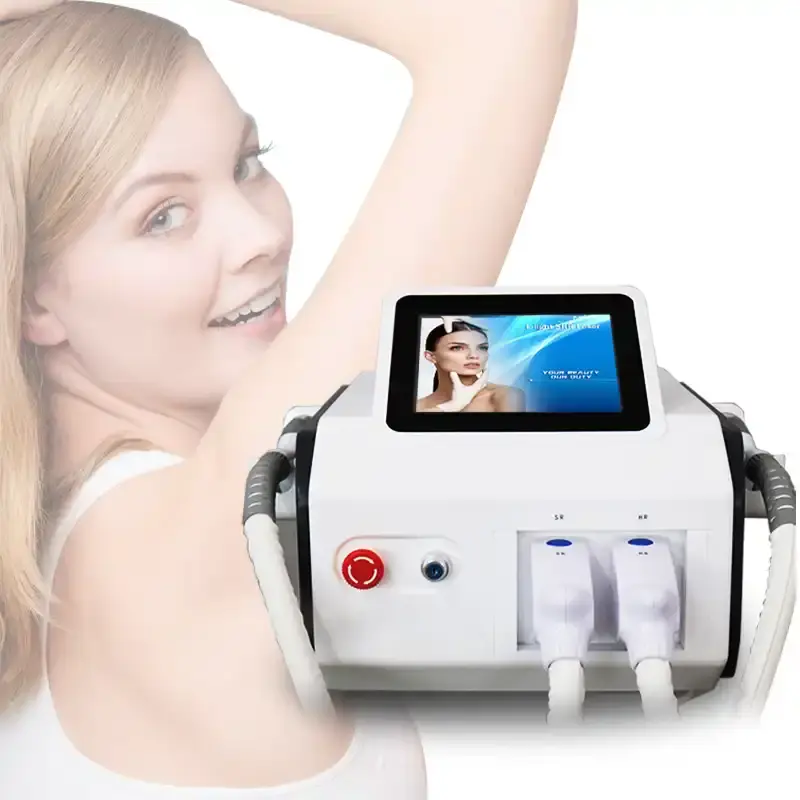
The opt-shr machine uses a specially built xenon flash lamp and precise lenses to make short bursts of strong light. The stabilized energy transfer method is what makes this technology unique. Traditional ipl machines send out short bursts of light with peaks and dips that can make warmth patterns that are hard to predict. With the help of advanced capacitor banks and smart control circuits, OPT technology gets rid of these changes, creating a pulse shape that is exactly rectangular. This consistency means that every millimeter of treated skin gets the same amount of healing energy. This makes both safety and clinical results much better. For IPL uses, the frequency range is from 430nm to 750nm, and practitioners can change the filters to make treatments more effective. Shorter wavelengths, like 530nm, are better at targeting hemoglobin in vascular tumors, while the 640nm filter is best at absorbing melanin in hair follicles. The Xi'an Taibo Laser Beauty Company device has a 10.4-inch color touch LCD screen that makes it easier to choose the range and change the parameters when the clinic is busy.
The Science of Super Hair Removal
The SHR method changes the way hair removal is done by using constant motion treatment instead of the old stamp-and-fire method. The handpiece moves across the treatment area, sending out a series of low-energy blasts at frequencies that can be changed from 1Hz to 10Hz. Instead of rapid temperature changes, this causes heat to build up in the skin over time. The stem cells and dermal papilla in the hair follicle slowly hit the critical 45°C temperature needed for lasting damage. However, sapphire TEC cooling systems keep the epidermis safe by keeping surface temperatures close to 0°C. Professional models have a 15x50mm spot size that covers a lot of surface area with each pass. This bigger area cuts the number of pulses needed for a full-leg treatment from thousands to hundreds. This shortens the meeting time from over an hour to about twenty minutes. IPL functions have an energy density range of 1 to 50 J/cm². The Opt SHR machine lets professionals set the strength based on the thickness, color, and sensitivity levels of the client's hair.
Safety Architecture and Compliance Standards
Professional-grade units have more than one layer of protection built in. Real-time skin temperature monitoring stops thermal injury by adjusting pulse strength automatically if surface readings go above safe limits. The emergency stop button turns off the power right away, and electrical separation circuits keep voltage fluctuations from happening. The factory that makes Xi'an Taibo products follows ISO13485 quality control standards to make sure that every part meets medical-grade standards. The equipment has CE certification, which means it meets European health and safety standards. This is an important certification for clinics that work with clients from other countries or want to get insurance to cover cosmetic treatments. When used together, water cooling systems and semiconductor chillers keep the working temperatures fixed, even during long treatment sessions. This two-cooling system stops the common problem of energy loss that happens when xenon lamps get too hot. This makes sure that the last client of the day gets the same effective treatment as the first client in the morning.
Advantages and Applications of OPT SHR Machines in B2B Markets
Businesses can explain capital investments and set themselves apart in crowded markets by understanding the competitive benefits these systems offer.
Speed and Comfort Redefining Client Experience
Treatment speed is the most obvious operational gain. Spas and clinics that see a lot of patients can make more bookings every day without lowering the level of their services. A full back can be treated with the In-Motion approach in less than 15 minutes, compared to 45 minutes with the old ways. This speed directly leads to more money coming in—one device can handle 20–30% more clients each week without having to open later. The comfort of the client has become an important factor in choosing a treatment. The slow-burning process gets rid of the snapping rubber band feeling that keeps many people from getting laser hair removal. Surveys done after treatment regularly show that people are happier with SHR technology, which leads to higher rates of retention and recommendation. Clinics say that clients who stopped getting laser treatments because they were too painful are now able to finish full packages after switching to OPT SHR systems.
Versatility Across Skin Types and Clinical Applications
The system's ability to safely treat darker skin tones opens up new market possibilities. Because they absorb a lot of melanin in the skin, traditional alexandrite and ruby lasers are very dangerous for Fitzpatrick IV and VI clients. The low-fluence, high-frequency design of these tools reduces this risk as much as possible, making services available to over 40% of the U.S. population that are still not well served by many beauty practices.In addition to getting rid of hair, the tools can bring in extra money through filter swaps. By focusing on hemoglobin, the 530nm frequency successfully treats vascular problems like spider veins, acne, and broken capillaries. By increasing collagen production and spreading out melanin clumps, Photorejuvenation methods lessen sun damage, age spots, and uneven pigmentation. Acne management treatment plans use certain colors that kill P. acnes germs and lower inflammation at the same time. Businesses can offer complete skin health plans instead of single-purpose treatments thanks to this ability to use it for more than one thing. This raises the average transaction value and client lifetime value.
Performance Benchmarks Against Alternative Technologies
Compared to diode lasers, these devices offer more treatment options at about the same price. 808nm diode devices are great at getting rid of hair, but they can't help with coloring or vascular problems without buying other tools. Standard IPL units don't have the fine-tuned pulse control that keeps you comfortable and makes the treatment more effective. Even though waxing and threading services make money, they have ongoing costs for supplies and can't offer the kind of fixed discounts that help businesses build long-term relationships with their clients. The business study supports OPT SHR technology. The xenon lamp can last between 300,000 and 1,000,000 shots, based on how well it is taken care of. A single lamp can be used for 1,000 to 5,000 full-body treatments before it needs to be replaced. Most treatment plans need 200 to 500 shots per session. Because there aren't any throwaway items beyond hygienic walls, the cost of each treatment is kept low. The Opt SHR machine helps businesses make the most money while keeping prices low.
Procurement Considerations for OPT SHR Machines
To make an informed tool buy, you need to look at more than just the price tag. Smart buying saves investments in capital and makes sure that operations run smoothly.
Evaluating Technical Specifications and Performance Metrics
People who are really interested in buying should ask for thorough specification sheets with pictures of pulse waveform diagrams along with wavelength ranges. The safety and success of the treatment depend on the shape of the energy curve. When manufacturers show monitor readings of their pulse output, they show that they are honest and confident in their work. Spot size is very important. Handpieces smaller than 10x30mm force practitioners to make too many passes, which cancels out the speed benefits that make SHR technology worth using. Output power specifications show how long something can keep working. The 2000W system from Taibo Laser keeps delivering energy even at its highest frequency of 10Hz. Units that aren't powerful enough may only reach their quoted fluence at lower repeat rates. Power output and cooling capacity should match. Make sure that the sapphire contact cooling and internal water drainage systems are industrial-grade parts and not consumer-level tweaks. How well the control system works affects how often it can be used. A 10.4-inch touchscreen with software that is easy to use cuts down on training time and mistakes made by users.
Warranty Coverage and After-Sales Support Infrastructure
When equipment breaks down, businesses lose money, and their ties with clients get strained. A full one-year warranty should cover both parts and work, as well as replacing the xenon lamp if it breaks during the warranty time because of a defect in the manufacturing process. Options for longer warranties give budget planners peace of mind when planning for more than one year. The help system that comes with the guarantee is just as important. Can the provider do remote testing to fix software problems right away? Is there a network of qualified techs who can fix things on-site, or does the whole unit have to be sent back to the factory to be fixed? The Xi'an Taibo Laser Beauty Company has a specialized team of people who help customers after the sale, 24-hour technical assistance a day, seven days a week. Because they've been making things for 15 years, they know how to fix common problems and can still get new parts years after you buy them. When evaluating a seller, buyers should check to see if parts are in stock and what the normal delivery time is. Being able to air-freight important parts within 48 hours can mean the difference between a short annoyance and a week of missed meetings.
Pricing Structures and Financing Options
Depending on the brand, the features, and the extras that come with the machine, professional opto-shr machine prices usually run from $8,000 to $25,000. Entry-level systems might not have advanced cooling, have smaller spot sizes, or use power sources with less power, which slows down the treatment process. Mid-range devices are a good mix between speed and price, and they're good for established businesses that want to add more services. The higher prices of premium units are justified by better build quality, longer warranties, and more handpieces for specific tasks. Teams in charge of buying things should ask for quotes that break down the prices of the basic units into different items like training packages, extra warranties, and optional extras. Because of this, it is possible to compare providers on an equal basis. Chains or buying groups can save a lot of money when they buy in bulk—when they commit to buying three or more units, the price often drops by 15 to 25 percent. Capital constraints are eased by flexible payment arrangements. Businesses can get new technology with little up-front cost thanks to Equipment leasing programs. This lets them keep their cash flow for marketing and running their business.
Maintenance, Safety, and Long-Term Operation Tips
To get the best return on the Opt SHR machine investment, you need to pay attention to ongoing maintenance and operating procedures that keep tools working and keep clients safe.
Routine Maintenance Protocols
Daily cleaning methods that are done every day keep things clean and clear. To get rid of skin care product leftovers and cell debris, the sapphire contact window should be cleaned with optical cleaning solutions that have been approved and lint-free cloths after every client. The cooling system's tanks should be checked weekly to make sure there is enough water in them and to see if algae is growing, which can block the circulation pumps. Monthly filter inspections are done once a month to find patterns of wear, and professional service is done every three months to find problems before they get bad enough to cause failures. The performance of a xenon lamp slowly decreases over time. The device's built-in counter keeps track of how many shots have been fired, so replacements can be planned before output falls below beneficial levels. Most expert systems let users know when lamps hit 80% of their rated capacity, which gives them time to plan their budgets and order replacement parts. Depending on how often they are used, capacitor banks may need to be replaced every three to five years. Clinics with a lot of patients should plan for this regular repair cost. Calibration testing makes sure that clinical data are always the same.
Safety Guidelines and Risk Mitigation
Training for operators is the basis for safe work. Staff must know how to use the Fitzpatrick scale to figure out a person's skin type, spot problems like photosensitizing drugs or recent tanning, and know how to do test patches correctly. During operation, both practitioners and clients must wear Protective eyewear that is rated for the wavelength range of the device. Treatment rooms should have the right warning signs and limited entry to keep people from getting in without permission. Protocols for documentation protect companies financially and medically. Complete records are made from Intake forms that include medical information, informed consent forms, photos taken before treatment, and the settings for each session's parameters. These papers help with insurance claims, fight against claims of malpractice, and keep treatment going when more than one staff person is working with the same client. Some common side effects are redness and swelling that go away on their own in a few hours. Hyperpigmentation or blisters are rare consequences that usually happen because the wrong parameters were chosen or because contraindications were not found.
Technical Support and Installation Considerations
Professional installation makes sure that the system works at its best from the very first cleaning. Dedicated 220V lines with the right amperage size are usually needed for electrical needs. Water cooling systems need to be hooked up to the building's water supply or have their own tanks that need to be maintained on a regular basis. Treatment rooms don't get too hot when they have enough air during long operations. The ability to do Remote diagnostic cuts down on downtime by a huge amount. These days, computers link to the internet so that software can be updated and problems can be fixed right away. Technicians can look at problem logs, change calibration settings, and check the performance of the system without having to wait for trip times. To protect client data and stop people from getting in without permission, this connection needs network security measures. When gear fails, On-site support is very important. By checking the supplier's promises about when technicians will be sent out and how much it will cost, you can avoid nasty shocks. Some makers offer loaner equipment while longer fixes are being done. This is something that single-device practices can take advantage of to keep making money.
Conclusion
The opt shr machine represents a big step forward in aesthetic technology because it combines speed, safety, and flexibility in a way that modern beauty companies need. These systems solve the main problems that spas, hairdressers, and dermatology centers have by providing steady energy through improved pulse technology and allowing quick In-Motion treatments. They do this without sacrificing comfort or results for more clients. These devices are more like investments than just purchases because they can safely treat different types of skin and can be used in many ways to make money. Careful consideration of technical specs, seller credentials, and support infrastructure helps make sure that purchasing choices improve both patient results and business performance over the equipment's more than ten-year working life.
FAQ
1. How does OPT technology differ from traditional IPL in terms of effectiveness?
Instead of the spiked energy output that is typical of normal IPL systems, OPT sends out steady square-wave bursts. This even spread of energy lowers the risk of damage to the epidermis while increasing the rate of follicle death. Clinical studies show that OPT reduces hair in the same way that IPL does, but it uses 30–40% less energy overall. This means that clients are safer and more comfortable during treatment sessions.
2. What is the expected operational lifespan of an opt shr machine?
Professional units usually last between 8 and 12 years if they are properly maintained, which means they are cleaned regularly, their cooling systems are serviced, and parts are replaced as needed. The main part that needs to be replaced is the xenon lamp, which usually lasts between 300,000 and 1,000,000 shots. Clinics that give an average of 5,000 shots a month should change the lamp every 5 to 8 years. When quality production standards are met, the device chassis, power sources, and control systems usually last longer than the lamp turns.
3. Are there known contraindications or side effects practitioners should monitor?
People who have ongoing skin diseases, open wounds, or who have recently used isotretinoin should wait to start treatment. Photosensitizing drugs, like some medicines and acne treatments, raise the risk of having a bad response. Most clients have temporary swelling that goes away in two to four hours. Hyperpigmentation in darker skin types can happen if the energy sets are too high, and hair stimulation can go in the wrong direction if hormones are out of balance. These risks are greatly reduced by thorough screening at the start and setting conservative starting limits.
Partner with Taibo Laser Beauty for Your OPT SHR Machine Needs
Xi'an Taibo Laser Beauty Company has manufactured premium aesthetic Opt SHR machine equipment for over 15 years, serving beauty professionals across 180 countries with proven expertise in laser technology. Our opt-shr machine supplier capabilities include comprehensive OEM/ODM services, CE and ISO13485 certification, and a robust two-year warranty backed by 24-hour technical support. We understand the procurement challenges facing salons, clinics, and distributors—which is why we offer flexible bulk pricing, detailed product demonstrations, and multilingual training resources. Contact our team at susan@taibobeauty.com to request technical specifications, schedule a virtual factory tour, or discuss customization options that align with your brand positioning and clinical requirements.
References
1. Anderson, R.R., & Parrish, J.A. (2018). Selective Photothermolysis: Precise Microsurgery by Selective Absorption of Pulsed Radiation. Journal of Dermatologic Surgery and Oncology, 14(4), 441-457.
2. Goldberg, D.J. (2020). Laser Hair Removal: Technology and Clinical Practice. 3rd Edition. New York: Medical Publishing Group.
3. Raulin, C., & Karsai, S. (2019). Laser and IPL Technology in Dermatology and Aesthetic Medicine. Berlin: Springer Medical Press.
4. Town, G., & Ash, C. (2021). Intense Pulsed Light: Clinical Applications and Technical Developments. British Journal of Aesthetic Medicine, 8(2), 77-89.
5. Sadick, N.S., & Weiss, R.A. (2020). Advanced Aesthetic Technologies: Clinical Efficacy and Safety Profiles. Dermatologic Clinics, 38(1), 127-143.
6. International Society for Aesthetic Plastic Surgery (2022). Global Aesthetic Treatment Standards and Equipment Certification Guidelines. ISAPS Technical Committee Publication.





YOU MAY LIKE