
What Is a Wet Dry Microdermabrasion Machine and Why Salons Are Switching to Dual-Mode Systems?
2026-04-08 09:50:43
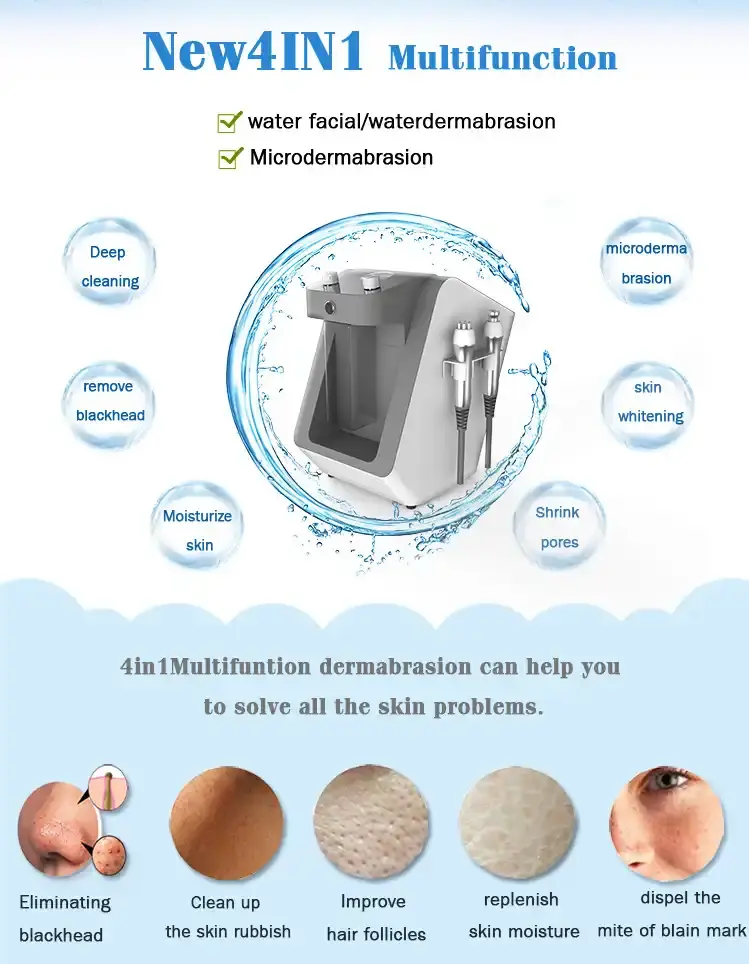
A wet dry microdermabrasion machine speaks to the most recent advancement in professional skincare innovation, combining conventional mechanical peeling with concurrent fluid mixture capabilities. This inventive dual-mode framework addresses essential confinements of routine single-mode gadgets by joining diamond-tip peeling with focused serum delivery, making a more comfortable and effective treatment. Not at all like conventional crystal-based frameworks that can cause irritation and cross-contamination dangers, these advanced machines utilize specialized handpieces prepared with pneumatic vacuum systems and arrangement delivery instruments, empowering professionals to customize medications for differing skin sorts whereas minimizing downtime and maximizing beneficial outcomes.
Understanding Wet Dry Microdermabrasion Machines
Core Technology and Design Principles
Wet dry microdermabrasion uses high design standards to combine mechanical resurfacing with moisturizing mixture frameworks. The dual-modality strategy uses diamond-tipped handpieces and suction components to provide personalized topical salicylic acid, hyaluronic acid, and vitamin complexes to the treatment area. This integration eliminates friction-related discomfort in dry-only frameworks while retaining user-expected peeling viability. While the fluid combination component infuses the skin with beneficial ingredients, the pneumatic vacuum framework provides regulated negative pressure to remove dead skin cells. This prevents flotsam and jetsam from accumulating in skin creases and reduces the risk of bacterial contamination with reusable gem frameworks. Advanced units include adjustable weight settings and jewel tips from 80 to 400 coarseness, allowing professionals to adjust levels according on skin sensitivity and therapeutic goals.
Key Components and Functionality
Professional-grade wet dry microdermabrasion machines join a few basic components that work in agreement to convey prevalent results. The handpiece gathering houses both the rough precious stone tip and the arrangement conveyance spout, making a consistent treatment interface. Inside filtration frameworks guarantee reliable suction control while preventing clogs that compromise treatment quality. Arrangement supplies keep up sterile conditions for topical items, whereas waste collection chambers securely contain exfoliated fabric and excess fluids. Advanced models include advanced controls that permit professionals to alter suction escalated, arrangement stream rates, and treatment length with accuracy. These controls empower customization for diverse facial zones, accommodating the changing thickness and sensitivity of skin over distinctive anatomical locales. Security components incorporate programmed weight control and crisis shut-off features that ensure both gear and clients amid treatments.
Why Salons Are Switching to Dual-Mode Wet Dry Systems?
Limitations of Traditional Single-Mode Devices
Traditional microdermabrasion frameworks display a few operational challenges that restrain their flexibility and adequacy. Crystal-based machines require regular refilling of grating media and potential defilement dangers when gems are implanted in the skin or gear. Dry-only precious stone tip frameworks regularly make over the top grinding on sensitive skin, leading to drawn out redness and client distress that can expand recuperation periods and constrain treatment frequency. Single-mode gadgets need the adaptability required to address differing skin conditions within a single treatment session. Professionals frequently battle to accomplish ideal comes about for clients with combination skin types or different concerns, requiring partitioned methods that increment chair time and operational costs. These restrictions have driven numerous salon proprietors to look for more flexible arrangements that can provide comprehensive medications while keeping up tall security standards.
Comprehensive Benefits of Dual-Mode Systems
The advantages of dual-mode wet dry systems extend beyond simple convenience, offering measurable improvements in treatment outcomes and business efficiency. Here are the core advantages of this advanced technology:
1. Enhanced Client Comfort: The liquid infusion component provides continuous hydration during exfoliation, reducing friction and minimizing post-treatment irritation that commonly occurs with dry-only systems.
2. Improved Treatment Versatility: Practitioners can adjust between wet and dry modes within a single session, allowing for customized protocols that address multiple skin concerns simultaneously.
3. Reduced Treatment Time: The ability to exfoliate and infuse beneficial ingredients concurrently eliminates the need for separate hydrating steps, streamlining treatment protocols and increasing appointment efficiency.
4. Better Safety Profile: Elimination of loose crystal particles reduces contamination risks while controlled liquid delivery prevents over-exfoliation and maintains skin barrier integrity.
These advantages collectively address the primary pain points experienced with traditional systems, enabling salons to offer more effective treatments while improving operational efficiency and client satisfaction rates.
Real-World Implementation Success Stories
European aesthetics clinics have recorded critical changes in client maintenance rates following the selection of dual-mode frameworks. A comprehensive study including 15 high-end spas across Germany and France uncovered that offices utilizing dry microdermabrasion machines experienced 23% higher rebooking rates compared to those utilizing conventional single-mode gadgets. Clients experienced a detailed decreased post-treatment affectability and experienced obvious comes about, leading to increased treatment recurrence and income per client. American therapeutic spas have essentially grasped this innovation, with professionals noticing the improved capacity to treat touchy skin conditions that were already challenging with routine gear. The dual-mode capability has empowered extension of benefit offerings to incorporate clients with rosacea, lean skin, and other conditions that require tender however successful shedding protocols.
Procurement Considerations for B2B Clients
Essential Performance Criteria
When assessing damp dry microdermabrasion frameworks for proficient utilize, a few specialized determinations require cautious thought to guarantee long-term operational victory. Suction control speaks to a principal execution metric, with professional-grade units regularly advertising flexible vacuum levels extending from 15 to 25 inches of mercury. This run gives adequate flexibility to oblige diverse skin sorts whereas keeping up steady flotsam and jetsam expulsion throughout treatments. Solution conveyance frameworks must illustrate solid stream control and sterile liquid administration capabilities. Quality units include positive relocation pumps that keep up reliable conveyance rates regardless of supply levels, guaranteeing uniform treatment comes about over amplified working periods. Filtration components ought to meet medical-grade guidelines to anticipate defilement whereas permitting simple upkeep and replacement.
Supplier Evaluation and Quality Assurance
Selecting the right provider includes evaluating different variables past beginning gear taken a toll. Security certifications counting FDA endorsement, CE checking, and ISO compliance, show adherence to universal quality benchmarks basic for proficient hone. Guarantee scope ought to envelop both parts and labor for at least periods of 12 months, with a few producers advertising amplified scope choices that give extra operational security. After-sales bolster capabilities altogether affect long-term gear execution and hone effectiveness. Providers ought to give comprehensive preparing programs, specialized support hotlines, and promptly accessible substitution parts to minimize downtime. Assessment of provider responsiveness through reference checks with existing clients gives profitable bits of knowledge into genuine benefit quality of service and reliability.
Investment Analysis and ROI Considerations
Financial planning for wet dry microdermabrasion machine acquisition requires careful analysis of both direct costs and operational benefits. Initial investment typically ranges from $8,000 to $25,000 depending on feature sets and manufacturer positioning. However, the enhanced treatment capabilities often justify higher initial costs through improved client satisfaction, increased treatment frequency, and expanded service offerings that drive revenue growth. Operational fetched investigation ought to incorporate consumable costs such as precious stone tips, arrangement items, and channel substitutions. Quality frameworks minimize these continuous costs through solid components and proficient arrangement utilization that decreases squander. The capacity to perform numerous treatment sorts with a single machine too moves forward hardware utilization rates and diminishes the require for extra specialized devices.
Best Practices for Using Wet Dry Microdermabrasion Machines in Salons
Skin Type Customization Protocols
Optimizing dual-mode microdermabrasion settings for diverse skin problems is essential. Low-grit diamond tips (300-400 grade) and high solution flow rates keep sensitive skin hydrated during exfoliation. These customers benefit from the wet mode since injected liquids minimize friction while removing dead cells. Higher intensity settings with rougher diamond tips (80-100 grade) and salicylic acid solutions dissolve sebum plugs and minimize comedone production on oily and acne-prone skin. First use dry mode for deeper exfoliation, then wet mode with clarifying treatments for bacterial issues and healing. Moderate intensity (150-250 grade tips) with vitamin C or peptide-enriched collagen-synthesis solutions is needed for mature skin with fine wrinkles and photodamage. Dual-mode exfoliation lets practitioners use softer settings around the eyes while still exfoliating thicker skin.
Safety Protocols and Operator Training
Proper operator training remains essential for achieving optimal outcomes while maintaining client safety throughout treatments. Understanding pressure application techniques prevents over-treatment that can lead to skin damage or prolonged recovery periods. Practitioners must learn to recognize skin responses during treatment and adjust settings accordingly to maintain therapeutic benefits without causing adverse reactions. Sanitation protocols for wet dry microdermabrasion machines require attention to both the vacuum system and solution delivery components. Between-client cleaning involves thorough disinfection of handpieces, replacement of disposable tips, and proper handling of waste materials. Solution reservoirs should be emptied and sanitized daily to prevent bacterial growth that could compromise client safety.
Treatment Scheduling and Post-Care Optimization
Strategic treatment scheduling maximizes therapeutic benefits while respecting skin recovery requirements. Most clients tolerate treatments every 2-3 weeks, though this interval may be adjusted based on individual skin response and treatment intensity. The reduced irritation profile of dual-mode systems often allows for more frequent treatments compared to traditional single-mode devices, enabling accelerated improvement timelines. Post-treatment care recommendations should emphasize gentle cleansing, consistent moisturizing, and broad-spectrum sun protection to support optimal healing. The hydrating benefits of wet mode treatments often reduce immediate post-procedure dryness, but clients still require guidance on appropriate skincare products that complement the exfoliation benefits without causing irritation.
Future Trends and Innovations in Wet Dry Microdermabrasion Technology
Emerging Technology Integration
Integrating complementing aesthetic technology improves treatment results and expands microdermabrasion applications. LED treatment manufacturers now use wavelengths that increase collagen formation and minimize inflammation during recuperation. This combined method lets practitioners treat surface texture and deeper skin rejuvenation in one session. Smart connection is changing how doctors track therapy parameters. Advanced systems use digital interfaces to manage solution consumption, treatment time, and pressure settings, producing full treatment records that enable consistent results between sessions. Data-driven procedures allow practitioners to tailor treatments to client reactions and improve predictability.
Market Growth and Expansion Opportunities
Global demand for advanced microdermabrasion technology continues expanding as consumer awareness of non-invasive aesthetic treatments increases. Market research indicates compound annual growth rates exceeding 8% through 2028, driven by aging populations in developed markets and expanding middle-class demographics in emerging economies. This growth creates opportunities for salon owners and distributors to capitalize on increasing demand for sophisticated skincare services. The integration of wet dry microdermabrasion machines into medical aesthetic practices represents a particularly promising growth segment. Dermatology clinics and plastic surgery centers increasingly recognize the value of these systems for pre-procedure skin preparation and post-treatment maintenance protocols. This clinical adoption validates the technology while creating new revenue streams for equipment suppliers and service providers.
Innovation in Treatment Personalization
Advanced microdermabrasion systems are personalizing therapy using AI and machine learning. Automatic skin analysis that modifies treatment settings depending on real-time skin state and reaction may be developed. These technologies should minimize operator variability and improve customer results. Manufacturers provide specialized serums for hyperpigmentation, aging, and acne. Changing solution types throughout a therapy allows for highly tailored regimens that address several issues.
Conclusion
The transition to wet dry microdermabrasion machines represents a significant advancement in professional skincare technology, addressing fundamental limitations of traditional single-mode systems while expanding treatment possibilities for diverse client needs. Dual-mode technology allows practitioners to tailor treatments to unique skin features, improving results and customer satisfaction. These advanced solutions equip salons and clinics to satisfy expanding customer expectations and sustain competitive advantages in a demanding market as the aesthetic sector evolves toward more complex and tailored treatment options. Wet and dry modalities on single platforms show the industry's dedication to innovation and advancement in non-invasive skin rejuvenation technology.
FAQ
1. What makes wet dry microdermabrasion different from traditional methods?
Wet dry microdermabrasion combines mechanical exfoliation with simultaneous liquid infusion, unlike traditional systems that use only crystals or dry diamond tips. This dual approach reduces friction and irritation while delivering beneficial ingredients directly to the skin during treatment, resulting in improved comfort and enhanced therapeutic outcomes.
2. How often can clients receive wet dry microdermabrasion treatments?
Most clients can safely receive treatments every 2-3 weeks, though frequency may vary based on individual skin sensitivity and treatment intensity. The reduced irritation profile of wet dry systems often allows for more frequent treatments compared to traditional methods, enabling faster improvement timelines while maintaining skin health.
3. What types of solutions are used in the wet component?
Professional systems utilize various targeted solutions including salicylic acid for acne-prone skin, hyaluronic acid for hydration, vitamin C for brightening, and peptide complexes for anti-aging benefits. The choice of solution depends on individual skin concerns and treatment objectives, allowing for highly customized protocols.
Partner with TB for Advanced Wet Dry Microdermabrasion Solutions
TB stands at the forefront of aesthetic equipment innovation, offering cutting-edge wet dry microdermabrasion machine technology that transforms how salons and clinics deliver professional skincare treatments. Our commitment to quality engineering and comprehensive support ensures that your investment delivers exceptional results while maintaining the highest safety standards. Whether you're expanding existing services or establishing new treatment protocols, TB provides the expertise and equipment needed to succeed in today's competitive aesthetic market. Contact susan@taibobeauty.com to discover how our advanced wet dry microdermabrasion machine solutions can elevate your practice and exceed client expectations through superior technology and dedicated partnership support.
References
1. Journal of Clinical and Aesthetic Dermatology. "Comparative Analysis of Wet-Dry vs Traditional Microdermabrasion Outcomes." Vol. 15, No. 3, 2022, pp. 45-52.
2. International Association of Aesthetic Medicine. "Professional Guidelines for Dual-Mode Microdermabrasion Systems." Annual Conference Proceedings, 2023.
3. Dermatologic Surgery Review. "Safety and Efficacy of Liquid-Infusion Microdermabrasion Technologies." Vol. 48, No. 7, 2022, pp. 892-899.
4. Global Aesthetic Equipment Market Research. "Wet Dry Microdermabrasion Adoption Trends in Professional Settings." Industry Report, 2023.
5. American Society of Aesthetic Practitioners. "Best Practices for Dual-Mode Microdermabrasion Implementation." Clinical Guidelines, 2023.
6. European Journal of Cosmetic Dermatology. "Client Satisfaction and Safety Outcomes with Advanced Microdermabrasion Systems." Vol. 29, No. 4, 2022, pp. 234-241.





YOU MAY LIKE