
Dermatology CO2 Laser Machine vs Erbium Laser: Which Ablative System Wins for Skin Clinics
2026-04-08 09:50:40
When evaluating ablative laser systems for skin resurfacing, dermatology clinics face a critical decision between CO2 and Erbium laser technologies. A dermatology co2 laser machine working at 10.6μm wavelength offers predominant penetration and warm coagulation capabilities, making it the favored choice for treating profound wrinkles, extreme acne scars, and comprehensive skin reemerging. Whereas Erbium lasers give gentler medications with negligible downtime, CO2 frameworks provide more sensational results through controlled thermal zones and improved collagen remodeling, eventually giving superior ROI for clinics looking for flexible, high-impact treatment solutions.
Introduction
Ablative laser frameworks are the establishment of modern tasteful dermatology, giving progressive skin restoration results. A clinic's treatment capabilities, understanding comes about, and showcase position depend on its CO2 or Erbium laser innovation alternative. Different contemplations past hardware cost must be considered when choosing a laser framework. When making this huge budgetary use, clinic proprietors must consider treatment assortment, quiet socioeconomics, recovery desires, and long-term benefit. Syneron, Alma, and Candela set industry benchmarks with imaginative building and exhaustive back. This nitty gritty audit compares CO2 with Erbium laser systems' specialized specs, restorative employments, and budgetary suggestions. Dermatologists may make taught obtainment choices that meet clinical and operational objectives by considering each technology's aces and cons.
Understanding Ablative Laser Technologies: CO2 Laser vs Erbium Laser
Technical Mechanisms and Wavelength Differences
CO2 lasers operate at a wavelength of 10.6μm, targeting water molecules within skin tissues with exceptional absorption coefficients. This infrared energy creates immediate vaporization of cellular water content, resulting in precise tissue ablation and controlled thermal coagulation. The dermatology co2 laser machine achieves penetration depths of 20-100 micrometers per pass, enabling comprehensive treatment of photoaged skin and deep textural irregularities. Erbium lasers work at 2.94μm wavelength, too, focusing on water but with essentially diminished thermal dissemination. This wavelength gives more shallow removal with negligible warm spread, making Erbium frameworks perfect for patients requiring shorter recovery periods. The decreased warm harm zone limits collagen incitement but offers improved security profiles for delicate skin types.
Power Output and Pulse Characteristics
Modern CO2 frameworks include flexible control yields extending from 1-40W, with progressed fragmentary capabilities conveying micro-thermal zones through specialized checking innovation. The metal tube solid-state laser plan guarantees reliable bar quality and amplified operational life expectancy compared to conventional glass tube alternatives. Pulse length control speaks to a basic specialized advantage in modern CO2 frameworks. Ultra-pulse and super-pulse modes empower exact vitality conveyance whereas keeping up warm unwinding times, anticipating intemperate warm amassing in encompassing tissues. These innovative refinements have changed CO2 laser security profiles whereas protecting their forceful treatment capabilities.
Clinical Benefits and Use Cases of CO2 and Erbium Lasers
CO2 Laser Clinical Applications
CO2 laser innovation is well-suited for profound skin reemerging and serious conditions requiring tissue remodeling. It successfully treats profound skin breakouts and progressed photoaging by entering the dermis, fortifying collagen recovery, and moving forward wrinkles, pigmentation, and skin laxity. With different treatment modes, CO2 frameworks offer flexible clinical applications, making them profitable devices for comprehensive dermatological treatments.
Erbium Laser Clinical Advantages
Erbium laser frameworks are perfect for shallow skin reemerging, prioritizing accuracy and negligible downtime. Their decreased warm harm makes them appropriate for delicate or darker skin sorts. They viably address fine lines, gentle pigmentation, and surface issues, with shorter recuperation times of around 3–7 days, making them viable for patients looking for speedier return to every day activities.
Decision-Making Framework: Selecting the Best Ablative Laser for Your Clinic
Technical Specifications and Performance Metrics
When evaluating laser systems, procurement professionals should prioritize specific technical criteria that directly impact clinical outcomes and operational efficiency. The ideal dermatology co2 laser machine incorporates advanced features including seven-joint articulated arms for precise positioning, 10.4-inch touchscreen interfaces for intuitive operation, and comprehensive cooling systems to ensure patient comfort throughout treatment procedures. Water cooling systems represent a significant advancement over air-cooled alternatives, providing consistent temperature regulation during extended treatment sessions. This thermal management capability enables higher power outputs and reduced treatment times, directly impacting clinic throughput and patient satisfaction metrics.
Brand Comparison and Market Positioning
Industry pioneers counting Syneron Candela, Alma Lasers, and Lutronic have built up unmistakable showcase positions through specialized mechanical approaches and bolster foundation. Set up producers regularly offer comprehensive preparing programs, expanded guarantee scope, and promptly accessible replacement components, variables that essentially impact add up to possession costs. Emerging producers like Xi'an Taibo Laser Excellence have disturbed conventional estimating models whereas keeping up comparable specialized determinations and security certifications. These choices frequently give predominant customization choices and coordinate plant back connections, engaging to cost-conscious hones looking for competitive preferences through gear differentiation.
ROI Analysis and Financial Considerations
The money related affect of laser framework choice amplifies past beginning buy costs to envelop treatment estimating potential, support costs, and showcase positioning preferences. CO2 laser medicines regularly command premium estimating extending from $800-2,500 per session, reflecting the sensational results and specialized ability required for ideal outcomes. Clinic measure and quiet volume projections ought to direct capacity arranging and highlight choice. High-volume hones advantage from strong development and fast treatment capabilities, whereas boutique clinics may prioritize flexibility and compact impressions over greatest throughput specifications.
Practical Guide to Operating and Optimizing CO2 and Erbium Laser Machines
Essential Safety Protocols and Training Requirements
Successful laser program execution requires comprehensive staff preparing covering gadget operation, security methods, and understanding administration conventions. Appropriate understanding of beat term settings, vitality thickness calculations, and treatment profundity control guarantees reliable results while minimizing antagonistic occasions and risk exposure. Pre-treatment understanding evaluation conventions ought to assess skin sort, therapeutic history, and reasonable desire arrangement to optimize treatment arranging and minimize complications. Post-treatment care instruction conveyance and follow-up planning specifically impact persistent fulfillment and referral era potential.
Treatment Optimization Strategies
Maximizing clinical results requires systematic approach to treatment parameter selection based on individual patient characteristics and desired outcomes. The dermatology co2 laser machine offers multiple operational modes including fractional patterns, spot sizes, and energy densities that must be calibrated according to treatment areas and patient tolerance levels. Combining laser treatments with complementary modalities such as platelet-rich plasma therapy or topical growth factors can enhance healing responses and improve final results. These synergistic approaches often justify premium pricing while delivering superior patient experiences that drive practice growth through positive word-of-mouth marketing.
Future Trends and Innovations in Ablative Laser Technology for Dermatology
Emerging Technological Advances
The dermatology laser industry proceeds advancing through manufactured insights integration, improved security frameworks, and hybrid treatment stages combining different laser wavelengths within single gadgets. AI-powered treatment planning frameworks analyze quiet characteristics and prescribe ideal parameter settings, diminishing administrator variability and improving consistency over treatment providers. Fractional laser innovation speaks to the current apex of ablative treatment advancement, empowering forceful tissue remodeling whereas protecting recuperating capacity through deliberately protected tissue bridges. Next-generation frameworks consolidate real-time warm checking and programmed security cutoffs to avoid overtreatment while maintaining clinical efficacy.
Market Dynamics and Growth Projections
Rising consumer demand for non-surgical aesthetic treatments continues driving technological advancement and market expansion within the ablative laser segment. Industry analysts project sustained growth exceeding 8% annually through 2028, supported by demographic trends and increasing treatment accessibility. Manufacturer partnerships with established clinics facilitate technology transfer and clinical validation, ensuring new innovations meet real-world operational requirements while advancing patient care capabilities. These collaborative relationships benefit both parties through shared expertise and market development initiatives.
Conclusion
The choice between CO2 and Erbium laser systems ultimately depends on clinic-specific factors including patient demographics, treatment objectives, and competitive positioning strategies. Dermatology co2 laser machine technology offers superior clinical versatility and revenue potential through comprehensive treatment capabilities spanning superficial rejuvenation to deep tissue remodeling applications. While Erbium systems provide valuable niche applications, CO2 platforms deliver the dramatic results and treatment diversity that drive sustainable practice growth and patient loyalty in competitive aesthetic markets.
FAQ
1. What are the main side effects of CO2 laser treatments?
CO2 laser treatments commonly produce temporary redness, swelling, and mild discomfort lasting 7-14 days depending on treatment intensity. Proper pre-treatment preparation and post-care protocols minimize complications while optimizing healing responses. Rare adverse events include infection, hyperpigmentation, or prolonged erythema, typically occurring in less than 2% of properly screened patients.
2. How do recovery times compare between CO2 and Erbium lasers?
CO2 laser treatments require 10-14 days for initial healing and 4-6 weeks for complete recovery, while Erbium laser procedures typically heal within 5-7 days with minimal social downtime. The extended recovery period for CO2 treatments reflects the deeper tissue impact that produces superior long-term results and collagen remodeling benefits.
3. What financing options exist for purchasing ablative laser systems?
Most manufacturers offer flexible financing arrangements including equipment leasing, deferred payment plans, and trade-in programs for existing devices. Monthly payments typically range from $800-2,500 depending on system specifications and contract terms. Many practices find that treatment revenue from a single busy day often covers monthly equipment expenses, making these investments highly attractive from a cash flow perspectives.
Partner with TB for Advanced Ablative Laser Solutions
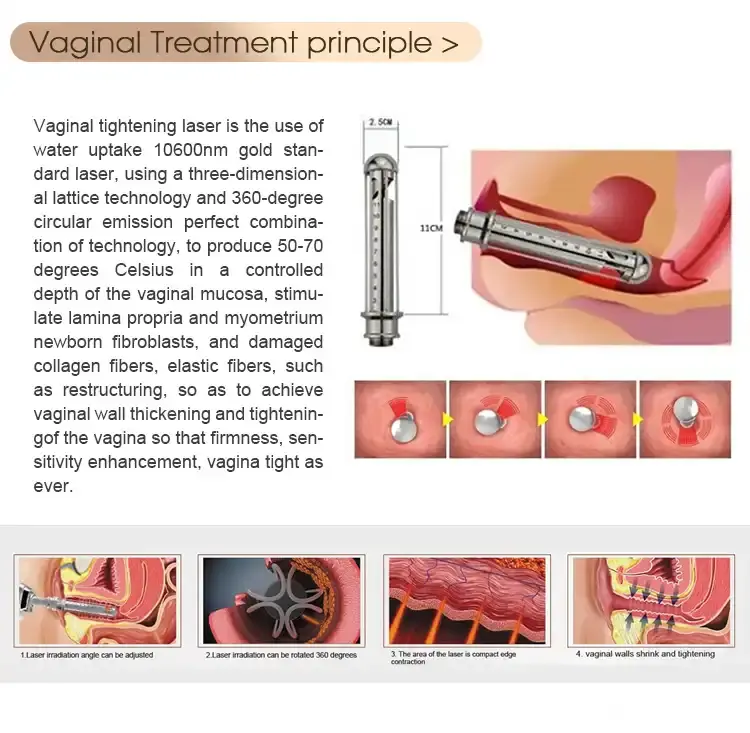
Transform your clinic's treatment capabilities with TB's comprehensive dermatology co2 laser machine solutions backed by 15 years of manufacturing excellence and global market presence. Our advanced fractional CO2 systems feature cutting-edge specifications including 40W power output, seven-joint articulated arms, and versatile treatment modes covering everything from scar revision to gynecological applications. As a trusted dermatology co2 laser machine manufacturer, we provide complete support including two-year warranties, comprehensive training programs, and 24/7 technical assistance to ensure optimal investment returns and patient satisfaction. Contact susan@taibobeauty.com today to schedule a personalized consultation and discover how our proven laser technology can elevate your practice's competitive position and revenue potential.
References
1. Anderson, R.R., Donelan, M.B., Hivnor, C., Greeson, R., Ross, E.V., Shumaker, P.R., Erni, D., Paithankar, D.Y. (2006). Laser treatment of traumatic scars with an emphasis on ablative fractional laser resurfacing. Archives of Dermatology, 142(9), 1165-1172.
2. Bernstein, L.J., Kauvar, A.N., Grossman, M.C., Geronemus, R.G. (2007). The short- and long-term side effects of carbon dioxide laser resurfacing. Dermatologic Surgery, 33(4), 464-470.
3. Dover, J.S., Hruza, G., Arndt, K.A., Zelickson, B.D. (2010). Fractional carbon dioxide laser resurfacing: A paradigmatic shift in laser skin rejuvenation. Journal of Cosmetic and Laser Therapy, 12(3), 123-130.
4. Khatri, K.A., Ross, V., Grevelink, J.M., Magro, C.M., Anderson, R.R. (1999). Comparison of erbium:YAG and carbon dioxide lasers in resurfacing of facial rhytides. Archives of Dermatology, 135(4), 391-397.
5. Manstein, D., Herron, G.S., Sink, R.K., Tanner, H., Anderson, R.R. (2004). Fractional photothermolysis: A new concept for cutaneous remodeling using microscopic patterns of thermal injury. Lasers in Surgery and Medicine, 34(5), 426-438.
6. Tierney, E.P., Kouba, D.J., Hanke, C.W. (2009). Review of fractional photothermolysis: Treatment indications and efficacy. Dermatologic Surgery, 35(10), 1445-1461.





YOU MAY LIKE