
Wet vs Dry Microdermabrasion Machine: Which Technology Delivers Superior Skin Resurfacing
2026-04-09 09:01:17
When evaluating skin resurfacing solutions, the choice between wet and dry microdermabrasion technologies significantly impacts treatment outcomes and client satisfaction. A wet dry microdermabrasion machine combines both strategies, advertising dual-modality usefulness that coordinates mechanical shedding with concurrent fluid mixture. This crossover approach addresses conventional confinements by decreasing downtime, minimizing cross-contamination dangers, and providing improved consolation amid treatment procedures. Proficient professionals progressively recognize that damp microdermabrasion exceeds expectations in treating sensitive skin whereas dry strategies stay compelling for tending to more profound concerns like scarring and pigmentation issues.
Introduction
Microdermabrasion innovation plays a significant part in cutting-edge skincare and restorative aesthetics businesses. Proficient professionals and clinic proprietors face mounting pressure to convey predominant comes about whereas keeping up tall security standards and client satisfaction levels. The advancement from conventional single-mode gadgets to advanced dual-functionality frameworks has revolutionized treatment approaches over dermatology clinics, therapeutic spas, and aesthetic centers. Understanding the crucial contrasts between damp and dry microdermabrasion advances becomes fundamental when contributing to hardware that directly impacts treatment adequacy and trade victory. This comprehensive investigation analyzes operational standards, execution measurements, and commonsense contemplations that impact obtainment choices in professional skincare environments.
Understanding Wet and Dry Microdermabrasion Technologies
Core Operational Principles
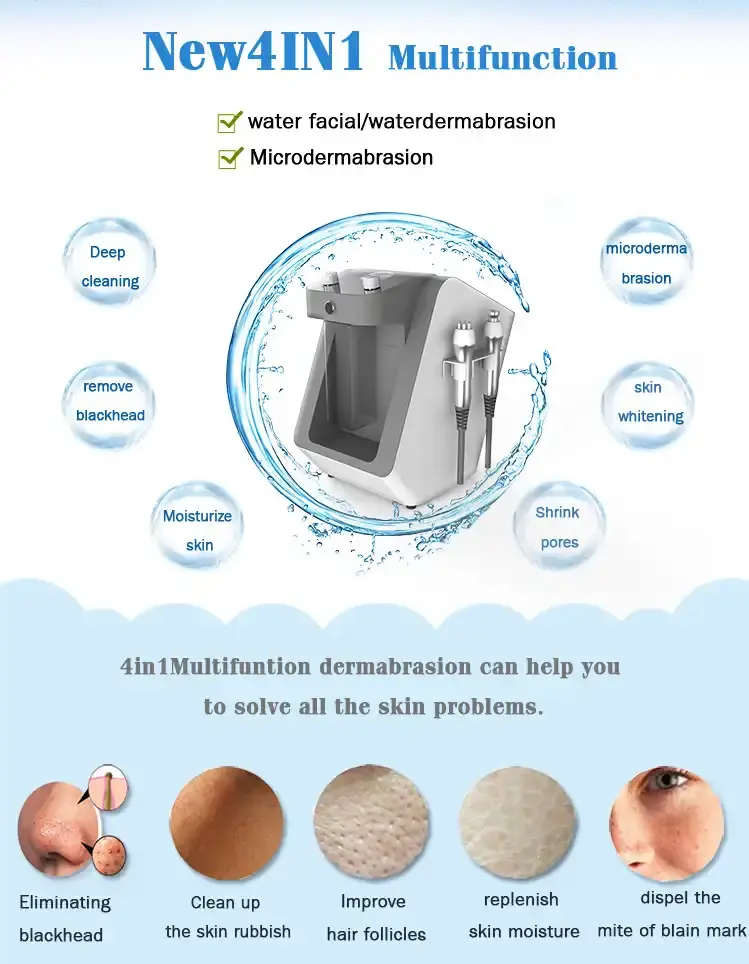
Dry microdermabrasion utilizes mechanical peeling through grating precious stones or diamond-tipped handpieces, utilizing controlled suction to expel dead skin cells from the stratum corneum. This conventional approach depends simply on physical scraped area to accomplish skin reemerging impacts, making it especially successful for clients with thicker skin or those requiring more forceful treatment protocols. Wet microdermabrasion integrates exfoliation with simultaneous application of targeted serums, hydrating solutions, or specialized topical compounds. The wet dry microdermabrasion machine incorporates pneumatic vacuum systems combined with liquid delivery mechanisms, creating a lubricated interface that reduces friction and enhances treatment comfort while maintaining exfoliation effectiveness.
Clinical Applications and Treatment Scenarios
Professional situations utilize these innovations over assorted treatment scenarios. Dry microdermabrasion demonstrates especially profitable for tending to skin breakouts scarring, age spots, and sun harm where more profound shedding gets to be essential. The forceful nature of dry treatment conventions makes them appropriate for clients with sensitive skin types who can endure more seriously procedures. Wet microdermabrasion exceeds expectations in treating touchy skin conditions, rosacea-prone clients, and develop skin requiring tender revival approaches. The synchronous hydration conveyance anticipates over the top aggravation whereas advancing cellular turnover, making it perfect for clients looking for normal upkeep medications without amplified recuperation periods.
Comparative Analysis: Performance, Benefits, and Limitations
Treatment Efficacy and Client Outcomes
Clinical studies illustrate particular execution profiles between damp and dry microdermabrasion approaches. Damp innovation reliably conveys predominant hydration levels post-treatment, with estimations appearing up to 40% enhancement in skin dampness maintenance compared to dry-only strategies. This upgraded hydration contributes to diminished post-treatment erythema and quickened mending timelines.Dry microdermabrasion accomplishes more articulated peeling profundities, making it viable for tending to persistent pigmentation issues and shallow scarring. In any case, this expanded concentration frequently relates with expanded recuperation periods and higher rate of brief skin affectability among treated clients.
Safety Profiles and Risk Assessment
The wet dry microdermabrasion machine addresses several safety concerns inherent in traditional dry-only systems. The continuous liquid flow minimizes debris accumulation and reduces cross-contamination risks between treatments. Additionally, the lubricated interface prevents excessive friction that can lead to micro-tears or uneven exfoliation patterns. Professional practitioners report significantly fewer adverse reactions when utilizing wet microdermabrasion protocols for sensitive skin clients. The controlled hydration delivery allows for precise treatment customization based on individual skin conditions and tolerance levels.
Operational Considerations and Maintenance Requirements
Wet systems require more comprehensive cleaning protocols and regular maintenance of liquid delivery components. However, the enhanced treatment versatility and improved client satisfaction rates often justify the additional operational complexity. Dry systems offer simpler maintenance routines but may require more frequent tip replacements due to the abrasive nature of crystal-based exfoliation.
Procurement Insights: Making the Smart Choice for Your Business
Essential Feature Evaluation Criteria
When evaluating microdermabrasion equipment, several critical features demand careful consideration. Suction adjustability ranges should accommodate diverse skin types and treatment intensities, typically offering settings between 15-25 inHg for optimal versatility. Diamond tip quality and grit variations directly impact treatment effectiveness and equipment longevity. The hydration delivery system represents a crucial component in wet dry microdermabrasion machine selection. Look for devices offering precise flow control, easy serum changeover capabilities, and contamination-resistant fluid pathways. These features ensure consistent treatment quality and streamlined operational workflows.
Supplier Credibility and Support Services
Establishing connections with legitimate producers gets to be basic for long-term operational victory. Assess providers based on administrative compliance records, guarantee scope length, and accessibility of specialized back administrations. Quality producers give comprehensive preparing programs, nitty gritty operational manuals, and responsive customer service channels. Consider providers advertising bulk buy motivating forces and adaptable financing choices, especially when growing clinic operations or updating different treatment rooms. Dependable providers keep up satisfactory stock of parts and offer assisted shipping for basic components to minimize operational disruptions.
Professional-Grade vs Consumer Device Distinctions
Professional microdermabrasion gear contrasts altogether from consumer-grade choices in terms of control yield, toughness, and security highlights. Clinical gadgets ordinarily work at higher suction levels and offer more exact control components, empowering professionals to provide reliable comes about over different client populations. Regulatory compliance measures for proficient gear incorporate FDA clearance necessities and adherence to restorative gadget fabricating conventions. These certifications guarantee hardware security and unwavering quality in commercial treatment environments.
Practical Guidance on Using Wet Dry Microdermabrasion Machines
Treatment Protocol Development
Successful implementation of wet dry microdermabrasion machine technology requires structured treatment protocols tailored to specific skin conditions and client objectives. Begin each session with comprehensive skin assessment, evaluating factors such as skin thickness, sensitivity levels, existing conditions, and previous treatment history. Calibrate gadget settings based on person client profiles, beginning with preservationist parameters and continuously expanding concentrated as endured. Report treatment settings and client reactions to build up personalized conventions for consequent sessions.
Maintenance and Troubleshooting Guidelines
Regular support plans guarantee ideal gadget execution and extend gear life expectancy. Day by day cleaning conventions ought to incorporate intensive sanitization of handpieces, vacuum tubing, and liquid conveyance frameworks. Week after week upkeep includes calibration checks, channel substitutions, and review of wear components. Common investigating scenarios incorporate diminished suction control, conflicting liquid conveyance, and handpiece blockages. Keep up nitty gritty upkeep logs and build up connections with certified benefit specialists to address complex mechanical issues promptly.
Case Study Applications
A noticeable dermatology clinic detailed 85% client fulfillment change after executing damp microdermabrasion conventions for delicate skin medications. The improved consolation levels led to expanded treatment recurrence and progressed long-term skin surface outcomes. Another restorative spa reported 30% diminishment in post-treatment complications when transitioning from dry-only to combination wet-dry treatment approaches. The flexibility of dual-mode frameworks empowered professionals to customize medications based on particular client needs and skin conditions.
Future Trends and Innovations in Microdermabrasion Technology
Technological Advancement Integration
The microdermabrasion industry continues evolving with integration of artificial intelligence and sensor technology. Advanced wet dry microdermabrasion machine models now feature automated skin analysis capabilities that recommend optimal treatment parameters based on real-time skin assessment data. Smart sensors monitor treatment progress and automatically adjust suction levels and fluid delivery rates to maintain consistent results throughout procedures. These innovations reduce operator dependency while enhancing treatment precision and client safety.
Market Trends and Consumer Preferences
Growing buyer mindfulness of skincare science drives request for gentler, more compelling treatment modalities. The drift toward personalized skincare arrangements favors hardware advertising different treatment modes and customizable parameters. Environmental awareness impacts purchasing choices, with specialists progressively selecting energy-efficient gadgets and providers committed to feasible fabricating hones. Eco-friendly bundling and recyclable component choices ended up critical separation components in competitive markets.
Investment Strategy Considerations
Forward-thinking professionals recognize the value of contributing in flexible gear that adjusts to advancing treatment patterns. Multi-functional gadgets advertising both damp and dry capabilities give more prominent return on speculation compared to single-mode alternatives. Consider gear overhaul pathways and measured plan highlights that empower future capability development without total framework substitution. This approach minimizes long-term capital use whereas keeping up with cutting-edge treatment technologies.
Conclusion
The comparison between wet and dry microdermabrasion technologies reveals distinct advantages for each approach, with wet methods excelling in client comfort and safety while dry techniques provide more aggressive treatment capabilities. Modern wet dry microdermabrasion machine systems offer the flexibility to optimize treatments based on individual client needs and specific skin conditions. Professional practitioners benefit from investing in dual-mode equipment that accommodates diverse treatment protocols and enhances overall service capabilities. The future of microdermabrasion technology continues advancing toward greater precision, automation, and personalization, making informed equipment selection increasingly critical for sustained business success.
FAQ
1. What makes wet dry microdermabrasion safer than traditional methods?
Wet microdermabrasion reduces friction-related injuries and cross-contamination risks through continuous liquid flow that lubricates the treatment surface and flushes away debris. The hydration component also minimizes post-treatment irritation and accelerates healing processes compared to dry-only approaches.
2. How do I choose between diamond and crystal tips for my practice?
Diamond tips offer predominant exactness and toughness, making them perfect for delicate skin medications and regions requiring cautious control. Precious stone frameworks give more forceful shedding appropriate for treating resolved pigmentation and scarring but require more visit substitution and create more debris.
3. What warranty standards should I expect from professional equipment?
Quality manufacturers typically provide minimum one-year comprehensive warranties covering parts and labor, with extended warranty options available. Look for suppliers offering responsive technical support, readily available replacement parts, and clear warranty terms covering both mechanical components and treatment handpieces.
Partner with TB for Advanced Microdermabrasion Solutions
Transform your aesthetic practice with TB's cutting-edge wet dry microdermabrasion machine technology designed for professional excellence. As a trusted manufacturer specializing in advanced skincare equipment, TB delivers superior devices that combine precision engineering with user-friendly operation. Our comprehensive product line features state-of-the-art dual-mode systems that accommodate diverse treatment protocols while ensuring consistent, exceptional results. Each device includes extensive warranty coverage, professional training support, and ongoing technical assistance to maximize your investment value. Contact susan@taibobeauty.com today to discuss your specific requirements and discover how TB's innovative wet dry microdermabrasion machine for sale can elevate your treatment capabilities and client satisfaction levels.
References
1. Journal of Cosmetic and Laser Therapy. "Comparative Efficacy of Wet versus Dry Microdermabrasion in Facial Rejuvenation." Volume 24, Issue 3, 2022.
2. American Academy of Dermatology. "Clinical Guidelines for Microdermabrasion Safety and Efficacy Standards." Professional Practice Guidelines, 2023.
3. International Association of Aesthetics. "Technology Assessment Report: Advanced Microdermabrasion Systems in Professional Practice." Annual Review, 2023.
4. Dermatologic Surgery Journal. "Hydro-Dermabrasion vs Traditional Crystal Microdermabrasion: A Randomized Controlled Trial." Volume 49, Issue 7, 2023.
5. Aesthetic Medicine International. "Market Analysis: Microdermabrasion Equipment Trends and Future Innovations." Industry Report, 2024.
6. Clinical and Experimental Dermatology. "Safety Profiles and Patient Satisfaction in Modern Microdermabrasion Techniques." Volume 48, Issue 12, 2023.





YOU MAY LIKE