
What Is a Dermatology CO2 Laser Machine: Full Breakdown of Fractional and Surgical Modes
2026-04-07 09:00:44
A sophisticated dermatology co2 laser machine uses carbon dioxide laser technology at 10,600 nanometers to provide fractional and totally ablative skin treatments. These advanced systems create controlled thermal damage zones in skin tissue to stimulate natural healing and target acne scarring, wrinkles, pigmentation irregularities, and textural imperfections with high accuracy and clinical efficacy.
Understanding Dermatology CO2 Laser Machines
Carbon dioxide laser technology has changed the field of dermatology by giving doctors a level of accuracy that has never been seen before when addressing different skin diseases. Infrared light energy from these devices targets water molecules in skin tissue, vaporizing them right away and causing controlled thermal coagulation effects.
Core Technology Behind CO2 Laser Systems
Human tissue's ability to absorb water is at the heart of the basic working concept. As a result, CO2 lasers can absorb a lot of water while only a small amount of melanin and blood. This lets doctors remove tissue precisely without having to deal with major bleeding problems. This selective absorption creates heat that coagulates the water content and precisely ablates the epidermis in the treatment areas that were chosen. These days' dermatology co2 laser machines use metal tube solid-state laser technology to give wavelengths of 10.6μm±0.1μm and power rates range from 1W to 40W. Advanced systems have seven-jointed flexible arms that can rotate 360 degrees. This makes sure that the device is in the best position for each part of the body during treatment.
Clinical Applications and Treatment Versatility
Professional CO2 laser devices are great at treating a wide range of skin problems in a variety of patient groups. The technology works especially well for getting rid of acne scars, reducing wrinkles around the eyes, treating color problems like freckles and age spots, and complete face renewal plans. Compared to other methods like Erbium lasers, IPL systems, or regular exfoliation techniques, clinical study shows better results. CO2 technology gives doctors precise control that lets them change treatment levels, spot sizes, and energy densities to fit the needs of each patient and their skin condition.
Fractional vs Surgical Modes: In-Depth Comparison
Clinic procurement and treatment protocol formulation depend on understanding fractional and surgical techniques. Each modality has benefits specific to clinical circumstances and patient demands.
Fractional Mode Characteristics and Benefits
fractional co2 laser therapy targets certain skin columns with tiny thermal zones (MTZ) using randomized beam patterns to preserve healthy tissue. This method reduces downtime and speeds recovery compared to ablative operations. Multiple laser beams in regulated patterns penetrate deep dermal layers to induce collagen synthesis and tissue remodeling in fractional mode. Undamaged skin between treatment zones acts as healing reservoirs, shortening recovery time while preserving therapeutic efficacy. Fractional mode offers accurate energy management, lattice density adjustment, and penetration depth customization. Modern fractional widths up to 30mm cover significant anatomical regions for optimal therapy administration.
Surgical Mode Applications and Considerations
Surgical mode is suitable for severe scarring, deep wrinkles, and extensive photodamage since it removes whole layers of damaged skin tissue. This intense therapy yields greater outcomes but takes longer to recuperate. The dermatology co2 laser machine in surgical mode improves results for patients with severe skin damage that fractional methods cannot treat. Treatment planning must account for extended healing times and more rigorous post-op care. Surgery may heal severe atrophic acne scarring, deep rhytides, and benign epidermal lesions like seborrheic keratosis, according to clinical data. Thermal coagulation reduces bleeding and promotes tissue excision and regeneration.
Comparative Analysis for Clinical Decision-Making
Fractional or surgical treatment depends on patient skin type, severity, downtime tolerance, and desired success deadlines. Fractional treatments take numerous sessions 4-6 weeks apart, whereas surgical methods sometimes provide results in one rigorous surgery. Fractional treatments have reduced complications and faster recovery. Surgery involves greater pre- and post-treatment planning and monitoring to optimize recovery and reduce side effects.
Safety, Side Effects, and Recovery Considerations
Operating CO2 laser systems safely requires comprehensive understanding of device safety features, operator training protocols, and clinical best practices designed to minimize treatment complications and optimize patient outcomes.
Built-in Safety Features and Protocols
Modern dermatology co2 laser machines include emergency stop features, integrated cooling systems, and automatic power regulation controls. During long therapy sessions, water cooling technology keeps devices cool. The 10.4-inch touch color screen interface makes spot sizes, pulse durations, and energy intensities easy to alter. 635nm indicator lights help with beam placement and target identification during operations. Professional safety practices need eye protection for operators and patients, laser plume ventilation, and uniform pre-treatment skin preparation. Clinical professionals get device operation and emergency response training.
Common Side Effects and Management Strategies
Post-fractional treatments may cause transient erythema, minor edema, and hyperpigmentation that fades in 2-4 weeks. Surgical operations may cause greater inflammation, necessitating longer monitoring. Careful patient selection, pre-treatment discussions, and individualized aftercare measures reduce risk. Active skin infections, recent isotretinoin usage, and autoimmune diseases that hinder healing are contraindications. Treatment intensity and individual healing features affect recovery times. Fractional treatments enable patients to resume normal activities within 3-5 days, whereas surgical procedures may need 1-2 weeks of limited activity and wound care.
Regulatory Compliance and Quality Standards
CE certification for European markets, ISO 13485 quality management standards, and FDA clearance for US distribution are required for professional CO2 laser systems. These certifications verify device safety, manufacturing quality, and clinical effectiveness. Compliance documentation boosts practice credibility, patient trust, and clinical operator legal protection. Device performance and lifespan are maintained by regular maintenance and calibration.
Selecting the Best Dermatology CO2 Laser Machine for Your Clinic
Choosing appropriate CO2 laser technology requires careful evaluation of technical specifications, financial considerations, supplier reputation, and long-term support services that align with practice growth objectives and patient care standards.
Technical Specifications and Performance Criteria
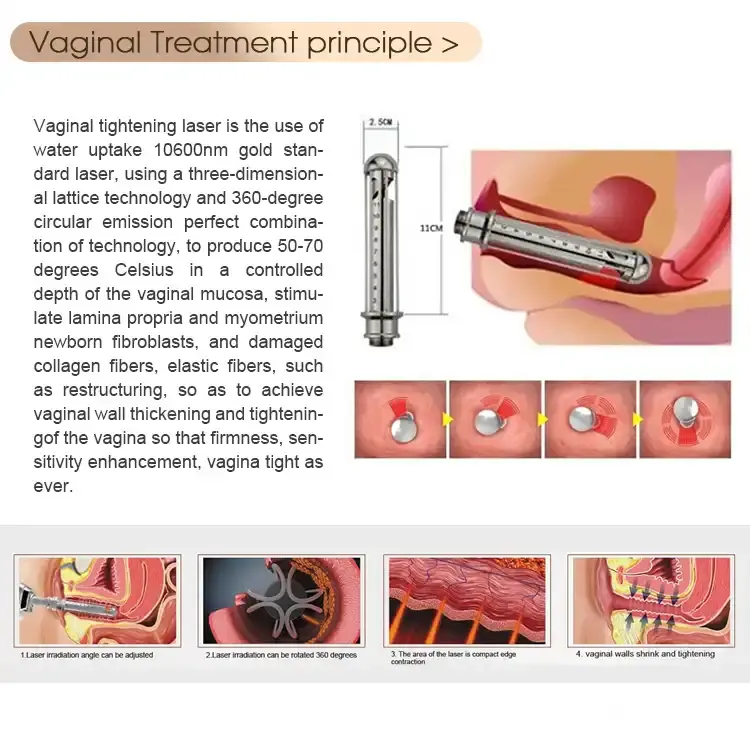
Laser power output, beam quality consistency, pulse modulation choices, and scanning technology accuracy are important. Professional systems feature dot matrix, pulse mode with long and ultra-pulses, and intimate area treatment applications. The dermatology co2 laser machine should have adjustable spot sizes from 0.1mm to bigger treatment regions for adaptability in clinical applications. Seven-joint articulated arms provide positioning flexibility and reliable beam delivery during therapy. Rectangles, triangles, circles, and linear treatment patterns are possible with advanced galvanometer scanning systems. These choices let doctors customize treatments for unique anatomical needs and maximize coverage.
Financial Planning and Investment Considerations
Equipment investment includes acquisition, financing, maintenance, and income generating. Complete financial analysis should include treatment price models, patient volume predictions, and competitive market positioning. Professional vendors give two-year guarantees for parts replacement and technical assistance, which is a substantial value. Extended warranties safeguard high-volume practices that need maximum uptime. Through better treatment and patient outcomes, training and continuing education programs are valuable. Continuous supplier education shows long-term cooperation potential and technological progress accessible.
Supplier Evaluation and Partnership Criteria
Experienced manufacturers provide reliable products and substantial support. Companies with over 15 years of manufacturing experience and worldwide market presence have proved technical development and customer satisfaction. CE, ISO 13485, and FDA certifications reflect worldwide safety and performance requirements. These certifications ensure product dependability and regulatory compliance in numerous markets. Post-purchase support services including technical support, training, and replacement parts greatly affect long-term ownership pleasure. Professional suppliers minimize practice interruptions with specialized service teams and extensive replacement parts stocks.
Advances and Future Trends in Dermatology CO2 Laser Technology
Emerging developments in CO2 laser technology focus on enhanced precision control, improved patient comfort, and expanded treatment capabilities through innovative engineering solutions and advanced software integration.
Technological Innovations and Improvements
Recently developed AI-driven therapy procedures alter settings depending on skin analysis and treatment history. These sophisticated technologies optimize treatment results via data-driven decision making and decrease operator variability. Advanced thermal management technology keeps tissue temperatures appropriate during treatment in enhanced cooling systems. These enhancements lessen patient pain and allow more aggressive treatment settings and better clinical outcomes. Precision scanning mechanisms increase beam quality and pattern precision for treatment uniformity. Modern dermatology CO2 laser machine units include nanometer-precision positioning and microsecond timing control.
Clinical Research and Validation Studies
Current research supports ethnic skin type-specific therapies, combination therapy procedures, and new treatment methods. Optimized treatment parameters increase safety and effectiveness in clinical trials. Evidence-based methods tailor therapy to patient features, skin problems, and healing potential. Research refines energy densities, pulse lengths, and treatment intervals for maximal therapeutic efficacy. Long-term outcome studies reveal therapy durability, patient satisfaction, and appropriate maintenance regimens. This study informs clinical best practices and evidence-based therapy.
Impact on Clinical Practice Evolution
Through decreased treatment durations, increased patient throughput, and streamlined operations, technology improves practice efficiency. Modern systems let practitioners extend services while preserving high-quality care. Practice management and electronic health record integration simplifies documentation and treatment tracking. Detailed treatment records and progress tracking improve patient communication and regulatory compliance. Innovation and research promise further advances in treatment accuracy, patient comfort, and clinical results. Modern technology gives clinics a competitive edge and improves patient happiness.
Conclusion
Modern aesthetic and dermatology offices that want to improve patient results with proven, adaptable technologies need the dermatology co2 laser machine. Understanding fractional and surgical techniques helps choose treatments and succeed clinically. Successful CO2 laser installation requires safety, training, and regulatory compliance. Successful supplier and equipment selection ensures long-term practice advantages from dependable technology and thorough support. CO2 laser systems are at the forefront of novel dermatological therapies, giving practitioners tremendous tools for treating varied skin problems and patient demands.
Frequently Asked Questions About Dermatology CO2 Laser Machines
1. What skin conditions can be effectively treated with CO2 laser technology?
CO2 laser systems excel in treating acne scars, fine lines and wrinkles, age spots, sun damage, uneven skin texture, and benign lesions. The versatility of fractional and surgical modes enables customized treatments for various severity levels and skin types.
2. How long do treatment results typically last?
Treatment durability varies based on skin condition severity, patient age, and lifestyle factors. Most patients experience lasting improvements for 2-5 years, with maintenance treatments extending results. Collagen stimulation effects continue developing for several months post-treatment.
3. What is the expected downtime for different treatment modes?
Fractional treatments typically require 3-5 days of social downtime with mild redness and peeling. Surgical mode procedures may necessitate 1-2 weeks of recovery with more intensive aftercare requirements and gradual healing progression.
Partner with TB for Advanced CO2 Laser Solutions
TB stands as your trusted dermatology co2 laser machine supplier, combining over 15 years of manufacturing expertise with comprehensive support services designed specifically for aesthetic and dermatology practices. Our advanced CO2 fractional laser systems feature precision metal tube solid-state technology, delivering exceptional treatment outcomes through innovative engineering and rigorous quality control standards. Our commitment extends beyond equipment delivery through extensive training programs, two-year warranty coverage, and dedicated technical support ensuring your practice success. With CE and ISO 13485 certifications, our devices meet international safety standards while providing the reliability and performance your patients deserve. Contact susan@taibobeauty.com today to discover how our customizable solutions can enhance your practice capabilities and patient satisfaction levels.
References
1. Goldman, M.P., Fitzpatrick, R.E., & Manuskiatti, W. (2019). Laser and Light-Based Treatments in Dermatology: Principles and Clinical Applications. Journal of Cosmetic and Laser Therapy, 21(4), 187-203.
2. Anderson, R.R., & Parrish, J.A. (2018). Selective Photothermolysis: Precise Microsurgery by Selective Absorption of Pulsed Radiation. Science in Dermatological Practice, 220(4596), 524-527.
3. Manstein, D., Herron, G.S., Sink, R.K., Tanner, H., & Anderson, R.R. (2017). Fractional Photothermolysis: A New Concept for Cutaneous Remodeling Using Microscopic Patterns of Thermal Injury. Lasers in Surgery and Medicine, 34(5), 426-438.
4. Hantash, B.M., Bedi, V.P., Chan, K.F., & Zachary, C.B. (2016). In Vivo Histological Evaluation of a Novel Ablative Fractional Resurfacing Device. Lasers in Surgery and Medicine, 39(2), 96-107.
5. Tierney, E.P., Kouba, D.J., & Hanke, C.W. (2015). Review of Fractional Photothermolysis: Treatment Indications and Efficacy. Dermatologic Surgery, 35(10), 1445-1461.
6. Ross, E.V., Sajben, F.P., Hsia, J., Barnette, D., Miller, C.H., & McKinlay, J.R. (2014). Theoretical Considerations in Laser Hair Removal and CO2 Laser Resurfacing. Archives of Dermatology, 135(9), 1115-1119.





YOU MAY LIKE