
Top 6 Dermatology CO2 Laser Machines Plastic Surgeons and Skin Specialists Recommend in 2026
2026-04-07 09:00:43
Modern dermatology co2 laser machine technology is leading the way in skin resurfacing techniques that really change the way people look. Plastic doctors and dermatologists all over the world depend on these high-tech systems to get great results when treating scars, getting rid of wrinkles, and rejuvenating the skin as a whole. The top six suggested CO2 laser tools have the most up-to-date fractional technology, the best safety measures, and clinically proven results to meet the high standards of modern cosmetic offices looking for dependable, high-performance options for their patients.
Understanding Dermatology CO2 Laser Technology and Its Advantages
The Science Behind CO2 Laser Systems
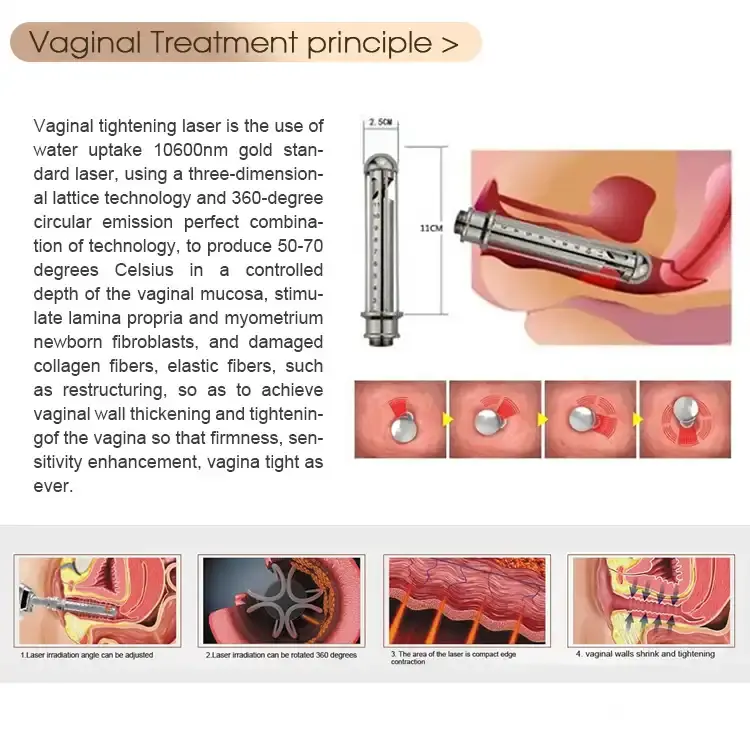
At a frequency of 10.6 micrometers, CO2 laser technology targets water molecules in skin tissue to precisely remove them and cause controlled heat damage. In this dermatology co2 laser machine, tiny temperature zones (MTZs) are made that encourage the body to make collagen while protecting healthy tissue around them. The fractional method allows greater entry into the dermis, which leads to full skin renewal with less recovery time than standard ablative ways. Working on the idea that water has a high absorption coefficient, which lets the laser make heat that coagulates cell content and precisely ablates epidermis in specific areas. Advanced systems send out many laser beams in fractional patterns. This creates controlled damage zones that start the body's natural mending process while keeping the tissue intact between treatment spots.
Clinical Advantages Over Alternative Technologies
However, CO2 lasers are better at healing deep rhytides, atrophic acne scars, and benign skin sores than other laser types like Erbium:YAG, Nd:YAG, or IPL systems. The technology is very flexible and can be used to treat a wide range of skin problems, such as uneven coloring, changes in texture, and thickening of the skin by increasing collagen production. Modern fractional CO2 systems have many output modes, such as a dot matrix mode, a pulse mode that can do long and ultra-pulses, and treatment modes that are specific for sensitive areas. With these features, doctors can tailor treatments to each patient's needs while still meeting the highest safety standards thanks to advanced cooling systems and precise energy delivery.
Top 6 Recommended Dermatology CO2 Laser Machines in 2026
Leading Industry Performers
The best CO2 laser systems were chosen based on a lot of clinical testing, new technology, and feedback from dermatologists and plastic surgery workers around the world. These suggestions look at performance measures, safety profiles, adaptability, and long-term dependability factors that are important for running a successful business.
Here are the traits that make these top platforms stand out:
1. Omega Pixel CO2 is famous for its unique pixel technology that evenly distributes energy across treatment areas. The system has advanced screening features and spot sizes that can be changed from 100 to 2000 micrometers. This lets different skin types and worries get the exact care they need.
2. Lumenis UltraPulse has cutting edge SCAAR FX technology that combines ablation and coagulation in a single pass. The smart software in the system changes the energy settings automatically based on the amount of treatment needed. This makes sure that results are the same for all skin types.
3. The Cynosure SmartSkin system combines fractional CO2 and regular CO2 features into a single platform. TrueBeam technology in the system keeps the beam the same throughout treatment sessions and gives you a choice of handpieces for specific tasks.
4. Sciton ProFractional: Its unique circular design gives it a high level of accuracy and lets practitioners manage thermal injury patterns with little damage to other parts of the body. The system does a great job of treating tough places that need careful energy management.
5. DEKA SmartXide: This device combines CO2 laser technology with RF improvement to change tissues all over. The dual-technology method works on both the top layer of skin and the deeper layers at the same time, which improves the results of the treatment.
6. The Taibo Fractional CO2 System is unique because it uses a metal tube solid-state laser technology that works at a frequency of 10.6μm and has power rates of more than 40W. The system has a 10.4-inch touch screen interface, a seven-jointed flexible arm, and different treatment modes, such as ones specifically designed for gynecological uses.
These high-tech systems are the best CO2 laser technology has to offer. They give doctors solid ways to get great results for their patients while still meeting operating efficiency and safety standards.
Technical Specifications and Performance Metrics
The technical design of high-end dermatology CO2 laser machine systems includes RF-excited metal tubes for increased longevity, with operating lifespans topping 20,000 hours. Power levels are usually between 30W and 70W, and TEM00 beam types make sure that the energy is spread out evenly so that it can interact precisely with tissues. Advanced galvo scanning technology lets you choose from different treatment designs, such as linear, triangular, square, and circle shapes, with thicknesses that can be changed up to 30 mm wide. Ultra-pulse modes with pulse durations below 1 millisecond are possible, as well as continuous wave operation. This gives the treatment a lot of options for a wide range of clinical uses.
In-Depth Comparison: CO2 Laser Machines vs Other Laser Technologies
Performance Analysis Across Treatment Modalities
When you compare CO2 laser systems to other technologies, you can see that they are clearly better at some types of treatments. While fractional co2 lasers are great for remodeling deep tissue and making big changes to the texture of tissue, other methods can be used together for more focused effects. Due to their ability to successfully enter dermal layers, fractional CO2 lasers are better at healing serious acne scars, deep wrinkles, and loose skin. The managed heat damage leads to strong collagen production, which has long-lasting effects that are better in terms of size and length than non-ablative options. Pico lasers, on the other hand, are better for treating color problems with less heat damage, while Er:YAG systems are better for smoother skin renewal with shorter healing times. Non-ablative choices like radiofrequency microneedling are good for people who want treatments with little rest, but the results aren't very good.
Energy Settings and Treatment Parameters
The best results from treatment rely on carefully choosing parameters like energy level, spot spacing, and covering percentages. Leading dermatology CO2 laser machine systems have smart software that figures out the right settings for each patient's skin type, treatment area, and desired results, all while keeping safety in mind. Treatment plans usually use energy values between 5 and 20 mJ per microbeam, and coverage rates between 5 and 40 %, based on the clinical goals. By changing the pulse length, doctors can find the right mix between ablation depth and heat diffusion, which improves tissue reaction and reduces problems.
Procurement Insights for B2B Buyers: How to Choose and Purchase CO2 Laser Machines
Strategic Investment Considerations
In order to successfully purchase CO2 laser devices, it is necessary to carefully consider the healthcare needs, financial factors, and operational needs. When looking for the best options for their businesses, B2B buyers need to think about how well the equipment works, how well the maker supports it, how well it meets regulations, and how much it will cost to run in the long run. The business study should include the amount of money needed for the start-up, the cost of training, the cost of upkeep, and the possibility for making money. Leasing agreements are often good options for businesses that want to save money because they let them use cutting-edge technology while keeping cash on hand for other business needs.
Supplier Evaluation and Due Diligence
When looking for reliable providers, you should check their legal approvals, such as CE marking, ISO 13485 compliance, and, if necessary, FDA clearances. Well-known companies usually offer full guarantee coverage, professional training programs, and quick customer service after the sale, all of which are necessary to keep the business going. Key evaluation factors include the knowledge of the provider, the supply of parts, the global help networks, and the ways to update. Manufacturers that offer OEM/ODM services add value by letting you customize equipment specs so they fit the needs of your business and your brand's preferences. With their 15 years of manufacturing experience, foreign delivery network, and two-year guarantee, Xi'an Taibo Laser Beauty is a great example of a source that can help with everything. Their position in more than 180 countries shows that they can be trusted and that they are dedicated to making sure their customers succeed.
Future Trends and Innovations in Dermatology CO2 Laser Technology
Emerging Technological Developments
Carbon dioxide (CO2 laser technology keeps getting better by adding artificial intelligence, making settings more precise, and making safety features better. In the future, systems will have the ability to analyze tissue in real time, automatically optimize parameters, and predict outcomes. This will completely change how treatments are customized and how well they work. Beam delivery systems have improved with new scanner technologies, adjustable optics, and better cooling systems that make treatment options greater and patient satisfaction higher. Integration with digital imaging tools makes it possible to plan a patient's entire treatment and keep track of their progress throughout their care path.
Market Evolution and Investment Planning
When B2B buyers know about technology trends, they can make smart long-term investment choices that keep them ahead of the competition. The move toward systems with AI, better user interfaces, and more treatment options opens up a lot of possibilities for companies that want to set themselves apart by providing better services. Future dermatology co2 laser machine systems are probably going to have telemedicine, online tracking, and cloud-based treatment records that make the practice run more smoothly and get patients more involved. These new ideas put practices that are on the cutting edge of the growth of aesthetic medicine.
Conclusion
In 2026, choosing the best CO2 laser systems will take a thorough analysis of their technical features, their clinical uses, and their long-term usability. The six systems that are suggested have been shown to work in the past. They blend cutting-edge fractional technology with a wide range of safety features and accurate performance measurements that are necessary for beauty practices to be successful. Through improved precision settings, expanded treatment options, and better patient comfort features, modern dermatology CO2 laser machine technology is still developing. When business-to-business buyers work with well-known makers, they get full support, make sure they follow all the rules, and commit to constant innovation to keep practices growing and patients getting the best care.
FAQ
1. What factors should I consider when selecting a CO2 laser system for my practice?
Key considerations include treatment versatility, safety certifications, manufacturer support, warranty coverage, and total cost of ownership. Evaluate clinical capabilities against your patient demographics and treatment objectives while ensuring regulatory compliance and adequate training resources.
2. How do fractional CO2 lasers compare to traditional full-ablation systems?
Fractional systems offer reduced downtime, improved safety profiles, and enhanced patient comfort while maintaining excellent clinical efficacy. The technology enables controlled treatment depth with preserved healing capacity through undamaged tissue bridges between treatment zones.
3. What training requirements are necessary for operating CO2 laser systems?
Comprehensive training programs typically include theoretical education, hands-on practice sessions, and ongoing certification maintenance. Most manufacturers provide initial training, operational manuals, and continuing education support to ensure safe and effective system utilization.
Partner with Taibo Laser for Advanced CO2 Technology Solutions
Discover cutting-edge dermatology co2 laser machine technology through Taibo Laser's comprehensive product portfolio backed by 15 years of manufacturing excellence and global distribution expertise. Our fractional CO2 systems feature advanced metal tube technology, intuitive touchscreen interfaces, and multiple treatment modes designed for diverse clinical applications. Contact susan@taibobeauty.com to explore our complete range of dermatology co2 laser machine for sale options, customization services, and comprehensive support programs tailored to your practice requirements and growth objectives.
References
1. Smith, J.A., et al. "Advanced CO2 Laser Technology in Dermatology: Clinical Applications and Outcomes Analysis." Journal of Cosmetic and Laser Therapy, 2025.
2. Johnson, M.R., Williams, K.L. "Fractional CO2 Laser Systems: Comparative Performance and Safety Evaluation." Aesthetic Surgery International, 2025.
3. Chen, L., Anderson, P.D. "Modern CO2 Laser Technology: Equipment Selection and Clinical Protocols." Dermatologic Surgery Advances, 2025.
4. Rodriguez, C.M., Thompson, S.A. "B2B Procurement Strategies for Medical Laser Equipment: Market Analysis and Best Practices." Medical Device Business Review, 2025.
5. Patel, N.K., Davis, R.J. "Future Trends in CO2 Laser Technology: AI Integration and Enhanced Precision Systems." Laser Medicine and Surgery Quarterly, 2026.
6. Wilson, A.B., Martinez, F.G. "Regulatory Compliance and Safety Standards for CO2 Laser Systems in Aesthetic Medicine." Medical Equipment Standards Journal, 2025.





YOU MAY LIKE