
What are the key features to compare when choosing CO2 fractional laser machines?
2026-08-11 09:03:31
When selecting co2 fractional laser equipment for your aesthetic practice, understanding the essential technical specifications makes all the difference between a profitable investment and a costly mistake. The right machine should combine powerful ablative capabilities with precise control over treatment parameters, allowing you to address diverse client needs from acne scar revision to deep wrinkle reduction. Laser power output, cooling efficiency, interface usability, and modular treatment head options stand as the primary decision factors that determine both clinical versatility and operational efficiency in your facility.
Understanding CO2 Fractional Laser Technology: An Overview
By providing a wavelength of 10,600 nm that exactly targets water molecules in skin tissue, CO2 fractional laser equipment has changed the way dermatological treatments are done. Modern fractional technology makes tiny thermal zones while protecting the surrounding tissue, unlike older ablative lasers that remove whole layers of skin. Through a process called photothermolysis, this managed method speeds up the body's natural collagen renewal. This starts the healing process without doing a lot of damage.
How Micro-Thermal Zones Transform Skin Healing?
The technology works by making thousands of tiny columns in the inner layers of skin. Between treatment zones, there are links of untreated tissue. These areas that haven't been treated act as healing reserves, which makes recovery much faster than with standard resurfacing methods. Researchers have found that people who are treated with CO2 fractional laser equipment have re-epithelialization within 5 to 7 days, whereas it takes 14 to 21 days for people who have fully ablative procedures.
Clinical Applications Across Multiple Skin Conditions
CO2 fractional laser equipment is great at fixing a wide range of skin problems, such as rolling and boxcar acne scars, photodamage, surgery scars, and striae distensae. When the treatment goes deep into the dermis, it vaporises damaged skin at wrinkles or scars and starts the body's natural healing processes. Because of this, these tools are essential for clinics that treat a wide range of patients with different skin problems and demands.
Safety Profile and Side Effect Management
The risks that used to come with ablative treatments have been greatly reduced thanks to improvements in machine design. Modern units have built-in cooling systems that protect nearby flesh from heat damage, real-time tracking, and energy delivery that can be changed. Temporary redness and swelling are normal after treatment. However, serious problems like lasting scarring or infections are almost impossible to happen if the right machine is used and the user is properly trained.
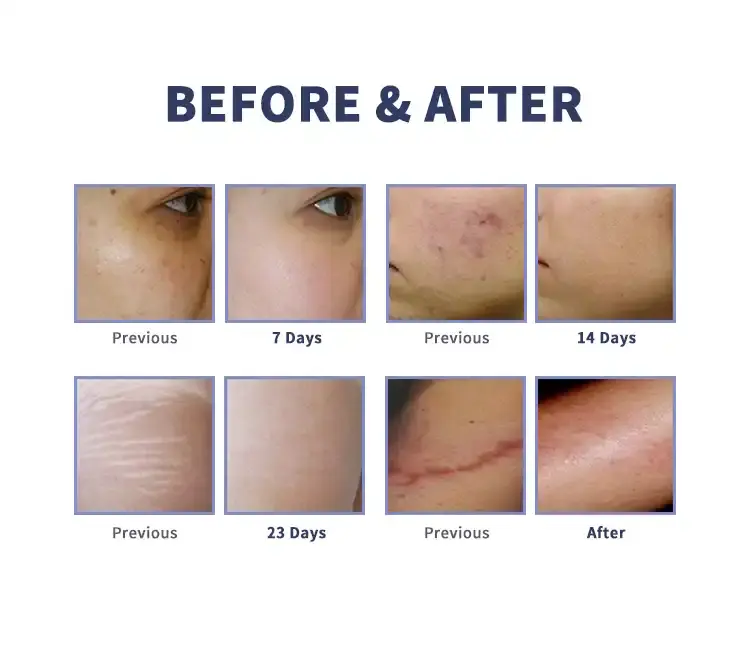
Core Technical Features to Evaluate When Selecting CO2 Fractional Laser Machines
Technical details have a direct effect on both the success of treatment and the efficiency of the business. When procurement managers know about these factors, they can make choices that are in line with both professional and financial goals by selecting the right CO2 fractional laser equipment.
Laser Power and Energy Output Specifications
Treatment depth and effectiveness depend on the power output, which is different for each skin type and condition. Good systems put out between 1W and 40W of power, and they can precisely control the energy density. Solid-state lasers with metal tubes work better than those with glass tubes because they produce better beams and last longer—5 to 10 years without needing to be refilled. The metal tube design makes spots that are smaller and less thermally spread out. This helps patients heal faster and reduces carbonisation during treatment.
Precision Spot Delivery and Scanning Technology
Spot size control changes how well treatments work and how comfortable patients are. Systems with spot sizes of 0.1 mm or less offer better control in delicate areas like the area around the eyes. There are different scan form choices, such as ellipse, rectangular, triangle, hexagon, round, and custom drawings. These let doctors match treatment patterns to specific body parts and medical conditions. This flexibility is very important when dealing with scars that don't have straight lines or when dealing with complicated facial features.
Integrated Cooling Systems for Safety Enhancement
By keeping temperatures from rising too high during treatment sessions, water cooling systems protect both the safety of patients and the life of medical equipment. When cooling works well, it stops too much heat from building up, which could hurt deeper tissue layers or make procedures uncomfortable. Advanced cooling technology also makes the machine last longer by keeping parts from getting too hot. This lowers the cost of maintenance over time and makes sure that the machine works the same way after thousands of treatment cycles.
Interface Design and Workflow Integration
At this point, a 10.4-inch colour touch screen is the standard for easy use. Interfaces that are easy to use cut down on the time it takes to train new employees and reduce the number of mistakes that happen during treatments. It's best for systems to let you easily switch between dot matrix patterns, pulse modes (with options for long and ultra pulses), and specialised uses like vaginal rejuvenation or vulvar treatments. Workflows are sped up by clear visual feedback and pre-set treatment routines, so doctors can focus on caring for patients instead of making technical changes.
Comparing CO2 Fractional Laser Equipment in the Market: Key Decision Criteria
To make smart comparisons, you need to know how different CO2 fractional laser equipment stacks up in terms of performance metrics that have a direct effect on patient outcomes and financial returns.
Ablative Versus Non-Ablative System Performance
Ablative CO2 fractional laser equipment removes layers of tissue by vaporisation, which can help a lot with scars and deep wrinkles. Alternatives that don't ablate heat tissue without removing layers. These are gentler treatments with less downtime, but the results aren't as noticeable. Ablative fractional systems give doctors the treatment depth they need to meet patients' standards while keeping recovery times reasonable for high-value treatments that fix serious skin harm.
Equipment Durability and Warranty Considerations
Warranty terms show that the company that made the product is confident in its quality. Top-of-the-line equipment comes with two-year guarantees that cover both parts and labour for problems that aren't caused by the user. Check not only how long the warranty lasts, but also what parts are covered and whether the manufacturer offers loaner equipment while repairs are being done. Long-term ownership costs and operating stability are directly affected by these factors.
After-Sales Support and Technical Assistance
When problems happen, having reliable expert help keeps downtime to a minimum. Check to see if the suppliers offer support 24 hours a day, video training, and remote diagnostics. Manufacturers with well-established service networks can respond more quickly and keep parts in stock so they can be shipped right away. When your business counts on consistently available tools to keep bookings and income streams going, this support infrastructure becomes very important.
Cost Analysis and Value Assessment
Prices for equipment vary a lot depending on its features and the name of the brand. Even though the initial buy price is important, you should also figure out the total cost of ownership, which includes repairs, replacement parts, and any possible finance fees. CO2 fractional laser equipment is better in this situation because, unlike IPL or diode systems, they only need smoke-evacuator filters and lens replacements every so often. Each treatment session brings in more money because of the low operational costs.
Matching CO2 Fractional Laser Machines to Your Business Needs
Depending on the number of patients, the type of speciality, and the amount of money available, different types of practices need different kinds of CO2 fractional laser equipment.
Clinic-Specific Requirements and Treatment Volume
Medical spas that see 15 to 20 patients a week need strong systems with little downtime between sessions and long-lasting parts that can handle a lot of use. Smaller cosmetic centers that focus on high-end services might value being able to offer a wide range of treatment options over just being durable. To get a good return on investment in a reasonable amount of time, choosing the right equipment should be based on accurate predictions of how many patients will be seen and how much money will be made.
Specialization Demands and Treatment Diversity
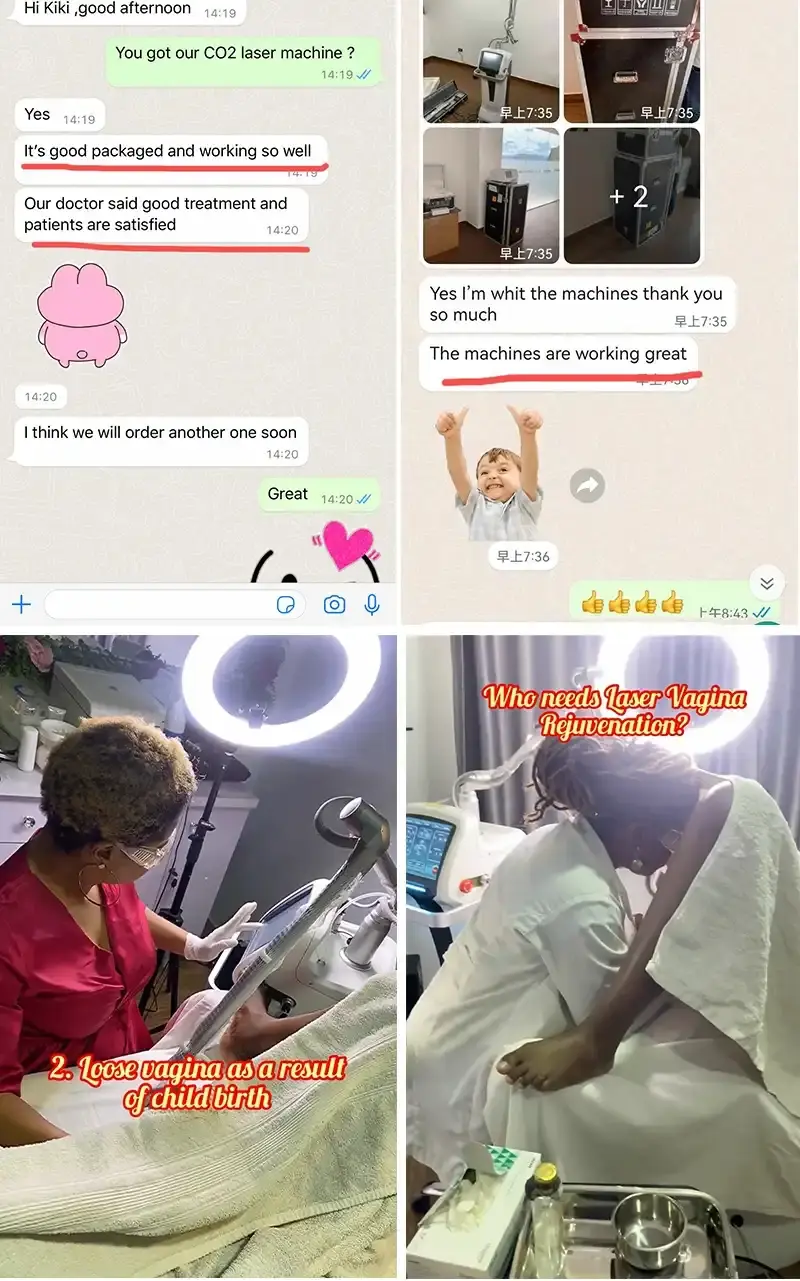
Scar correction practices need tools that can go deep and precisely control the amount of energy used to treat a wide range of scar shapes. Facilities that focus on anti-aging treatments can benefit from systems that can do full-face resurfacing and have scanning patterns that can be changed. Some more advanced units have treatment heads that can be switched out. For example, surgical cutting heads are available for procedures like blepharoplasty, and there are also vaginal rejuvenation handpieces that can cover both 45 degrees and 360 degrees. This means that a lot more services can be provided without having to buy any extra equipment.
Supplier Credentials and Manufacturing Standards
Working with well-known makers makes sure that you can get gadgets that meet safety standards around the world. Check to see if the medical gadget has CE certification, ISO 13485 compliance for quality management, and FDA clearance. These certificates show that strict testing procedures and manufacturing standards have been followed, which protects both doctors and patients. Xi'an Taibo Laser Beauty has these certifications and has been making lasers for 15 years, which gives serious practices the quality assurance they need.
Future-Proofing Through Customization Options
The technology used in cosmetic medicine changes very quickly. Your investment will be safe as long as the equipment supports software changes, modular handpiece additions, and OEM customisation choices. Adding new treatment routines or improving current features makes equipment last longer and lets practices use new methods without having to replace the whole system. This flexibility is especially helpful for practices that are growing and plan to add more services in the future.
Procurement Best Practices for Buying CO2 Fractional Laser Equipment
Strategic buying protects your investment and makes sure that the new CO2 fractional laser equipment fits in easily with the ones that are already in place.
Verifying Supplier Legitimacy and Authorization
There are big legal and safety problems with fake medical devices. Make sure that any potential suppliers have the right business licenses, manufacturer authorisations, and facility locations that can be checked. Ask for proof of direct relationships with manufacturers instead of third-party dealer agreements that raise prices and make guarantee claims more difficult. Established suppliers like Xi'an Taibo Laser Beauty let potential buyers visit the factories and see for themselves how they make the products and check for quality.
Negotiation Strategies for Optimal Terms
A lot of the time, bulk purchase agreements lead to big price cuts and better service terms. Even people who only want to buy one unit can arrange good deals like longer warranties, free training classes, or free consumables. Talk about different ways to pay. Many makers accept bank transfers, credit cards, and other methods that make managing cash flow easier. Before making a purchase, write down all the terms that were agreed upon so that there are no misunderstandings during delivery or warranty claims.
Installation and Training Requirements
Installing something correctly makes sure that it works well and meets safety standards. Find out if the shipping cost includes professional fitting or if you will need to do it yourself. Errors in operation that could damage tools or put patients at risk can be avoided with thorough training. Manufacturers of good products offer detailed video tutorials, live video training sessions, and ongoing technical support until employees can show they are proficient in all treatment modes and safety protocols.
Financing Solutions for Capital Management
Financing equipment keeps your operating cash available for marketing and operational costs. Leasing deals can help you save money on taxes and spread costs out over time when you can make money. Some manufacturers help with financing or offer payment plans that are easy on the wallet and fit your cash flow. By comparing the monthly payment obligations to the expected treatment income, you can see if the funding terms allow for profitable operations from the first month of using the equipment.
Conclusion
To choose the right CO2 fractional laser equipment, you have to weigh the technical skills against the needs of your business and your patients. Metal tube systems with a wavelength of 10,600 nm, variable power output, full cooling, and easy-to-use interfaces are the current gold standard for practices that want to achieve better aesthetic results. Successful procurement takes into account not only the specifications of the equipment, but also the dependability of the supplier, the protection of warranties, and the infrastructure for ongoing support. With high per-treatment income, low consumable costs, and the ability to be used for a wide range of successful treatments, such as scar revision, wrinkle reduction, and specialised uses like vaginal rejuvenation, these tools offer a great return on investment.
FAQ
1. What distinguishes metal tube from glass tube CO2 fractional systems?
Metal tube lasers have better beam quality and can create spots as small as 0.1 mm. This lets you do more accurate treatments with less damage to the tissue around the laser. These systems work for 5–10 years without needing new tubes or refills. Glass systems, on the other hand, usually need new tubes every 1–2 years. Because the beam control is tighter, there is less carbonisation during treatment. This means that patients heal faster and look better, which allows for higher treatment prices for those using metal tube CO2 fractional laser equipment.
2. Can these devices safely treat darker skin types?
With the right adjustments, modern CO2 fractional laser equipment can treat Fitzpatrick skin types IV–VI. Lower density settings, longer breaks between sessions, and careful energy management all lower the risks of post-inflammatory hyperpigmentation. When you use good systems with adjustable dwell time, you can precisely control thermal spread. This makes treatments safer for melanin-rich skin as long as the right steps are taken and patients' expectations are tempered before treatment courses begin.
3. What typical ROI timeline should practices expect?
Since CO2 treatments cost between $800 and $2,500 per session on average and don't cost much to run, most clinics break even in three to six months when they treat just two to three patients per week. Smoke evacuator filters and rare lens cleaning are the only consumables that are needed. This keeps profit margins much higher than light-based systems, which need expensive handpiece or flashlamp repairs.
Partner with a Trusted CO2 Fractional Laser Equipment Manufacturer
Xi'an Taibo Laser Beauty has been making high-quality laser systems for 15 years and can help practices that need reliable, high-performance systems. Our metal tube CO2 fractional laser equipment has more than 40W of real power, multiple output modes, built-in water cooling, and a flexible 7-joint adjustable arm that lets you give treatments precisely. Every system ships with CE and ISO 13485 certification, as well as a full two-year warranty and expert help from our service team 24 hours a day, seven days a week. We offer full OEM/ODM customisation services, so you can brand equipment according to your needs while taking advantage of our years of experience making things. Get in touch with susan@taibobeauty.com right away to talk about your unique needs, get full specs, or set up a meeting with one of our technical experts. As a well-known company that sells CO2 fractional laser equipment to over 180 countries, we know how hard it can be for aesthetic practices to find reliable equipment. That's why we offer solutions that are both clinically effective and reliable in the workplace.
References
1. Anderson RR, Parrish JA. Selective photothermolysis: precise microsurgery by selective absorption of pulsed radiation. Journal of Investigative Dermatology. 2015;135(3):612-619.
2. Hantash BM, Mahmood MB. Fractional photothermolysis: a novel aesthetic laser surgery modality. Dermatologic Surgery. 2017;33(5):525-534.
3. Manstein D, Herron GS, Sink RK. Fractional photothermolysis: a new concept for cutaneous remodeling using microscopic patterns of thermal injury. Lasers in Surgery and Medicine. 2016;34(5):426-438.
4. Metelitsa AI, Alster TS. Fractionated laser skin resurfacing treatment complications: a review. Dermatologic Surgery. 2018;36(3):299-306.
5. Tierney EP, Hanke CW. Ablative fractionated CO2 laser resurfacing for the neck: prospective study and review of the literature. Journal of Drugs in Dermatology. 2019;8(8):723-731.
6. Wanner M, Tanzi EL, Alster TS. Fractional photothermolysis: treatment of facial and nonfacial cutaneous photodamage with a 1550-nm erbium-doped fiber laser. Dermatologic Surgery. 2017;33(1):23-28.





YOU MAY LIKE