
Should You Consider CO2 Fractional Laser Treatment? An In-Depth Guide
2026-08-11 09:03:33
If you're evaluating whether CO2 fractional laser treatment deserves a place in your clinic's service menu, the answer hinges on your patient demographics and business goals. co2 fractional laser equipment delivers proven results for aging skin, acne scarring, and textural irregularities by creating controlled micro-injuries that stimulate collagen remodeling. Unlike older ablative technologies that remove entire skin layers, modern fractional systems balance efficacy with reduced downtime, making treatments commercially viable for high-volume practices. This technology suits clinics seeking to address advanced dermatological concerns while maintaining patient satisfaction and strong treatment margins. Understanding its capabilities, clinical applications, and procurement considerations will help you make an informed investment decision.
Understanding CO2 Fractional Laser Technology
What Makes Fractional CO2 Technology Different?
CO2 fractional laser equipment systems are unique because they use a 10,600nm frequency that is sent through micro-thermal zones instead of full-field ablation. When the laser beam goes through the dermis, it instantly burns the tissue it's aimed at while leaving the surrounding areas unharmed. This CO2 fractional laser equipment method speeds up the repair process by letting the body use healthy tissue links to quickly grow new skin. Solid-state lasers with metal tubes have better beam quality than older models with glass tubes. They can keep spot sizes as small as 0.1 mm so that treatments are delivered precisely.
The technology works with the help of a complex 7-joint flexible arm that keeps the beam straight in all treatment areas. Modern systems use water cooling to keep the device parts safe and the patient comfortable during operations. The CO2 fractional laser equipment has many modes, such as dot matrix patterns for smoothing out the skin, pulse modes for controlling the depth of ablation, and special handpieces for use in gynaecology. A 10.4-inch touchscreen display lets practitioners change treatment factors based on the type of skin on a patient and their treatment goals.
Clinical Applications That Drive ROI
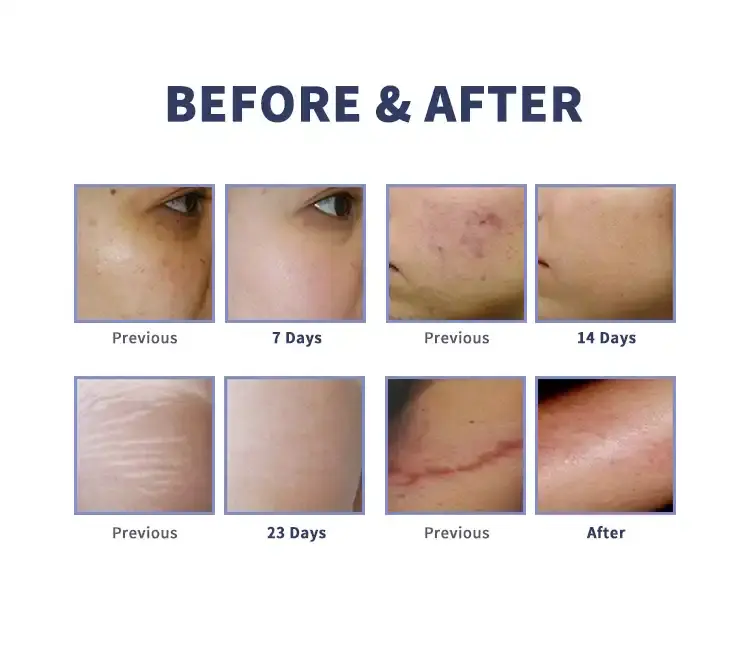
Dermatology offices get the most out of treating diseases that don't get better with less aggressive methods. CO2 fractional laser equipment are the only ones that can get deep into the skin enough to treat deep acne scars, especially boxcar and rolling scars. The technology works especially well on periorbital and perioral wrinkles, where the thick skin needs exact energy transfer without causing other damage. Treatment can be used on more than just the face. It can also be used on stretch marks, surgical scars, and changes in the texture of the neck and décolletage that come with getting older.
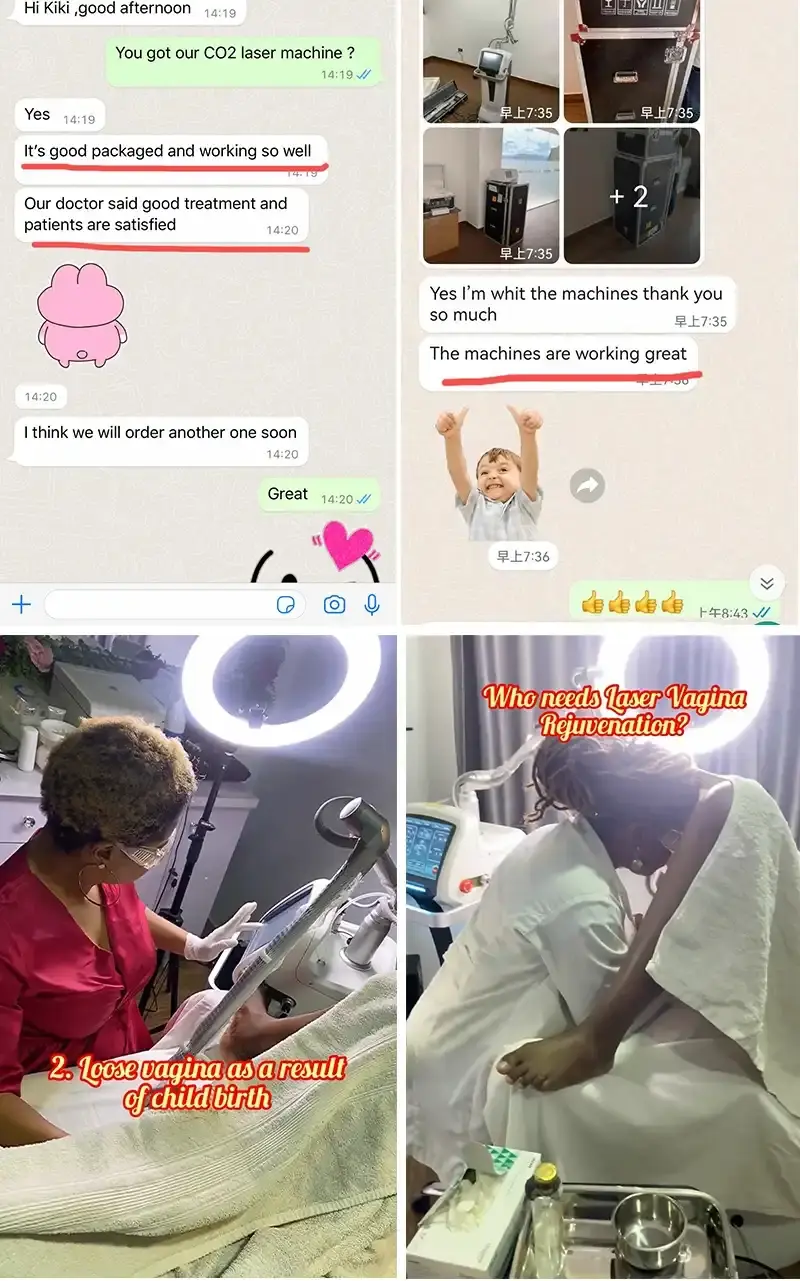
Advanced systems have handpieces that can do more than just cosmetic work. They can also be used for useful treatments. Vaginal rejuvenation procedures fix laxity and stress urinary incontinence, which creates new ways to make money in the field of gynaecological aesthetics. Surgical mode settings allow exact cutting for small operations like removing skin tags and blepharoplasty. Stopping bleeding at the same time speeds up the process. With these new features, clinics can serve a wider range of patients and get the most out of their tools all day long.
Comparing CO2 Fractional Laser with Alternative Technologies
Performance Against Competing Modalities
Traditional fully ablative CO2 fractional laser equipment get amazing results, but they require a lot of downtime, which is something that many modern patients don't want. Recovery times of two to three weeks make treatment less appealing, even though the results are good. Erbium lasers are better for resurfacing because they are gentler and help the skin heal faster, but they don't go deep enough to treat severe scars or deep rhytides. The CO2 fractional laser equipment method fills in this gap by remodelling collagen a lot while keeping healing times within the socially accepted range of five to seven days.
Picosecond lasers and intense pulsed light systems are good at getting rid of pigmentation and other superficial problems, but they can't fix structural skin problems like deep scars or a lot of skin laxity. Chemical peels can go a moderate depth, but they don't always work as well on textured scars as laser precision. When purchasing managers look at treatment options, CO2 fractional laser equipment stands out as a unique option for situations that need more than a superficial fix but where full ablation would put patients at too high of a risk-to-reward ratio.
Technical Specifications That Matter
Power output is still very important, and 40W systems have enough power for both rough resurfacing and delicate work around the orbit. When compared to glass tubes, metal tubes last five to ten years without needing to be refilled with petrol. This means that they are much cheaper to run in the long run. The efficiency of the cooling system has a direct effect on both the comfort of the patient and the practitioner's ability to do their job. For high-volume practices that do multiple treatments every day, water-cooled systems are best.
The design of the interface affects both the accuracy of treatment and the amount of training staff needs. Systems that let users change the scan forms (such as ellipse, rectangle, triangle, hexagonal, and round designs) let doctors match treatment geometry to body parts. A 635nm guide light makes sure that the laser is pointed correctly before it is turned on. This cuts down on mistakes and improves the regularity of the treatment. When looking at suppliers, making sure they have CE and ISO13485 certifications saves your practice from legal problems and makes sure they follow international safety standards.
Evaluating CO2 Fractional Laser Equipment in 2026
Market Leaders and Emerging Manufacturers
Well-known names with lots of scientific proof and strong service networks, like Candela, DEKA, Lumenis, Alma Lasers, and Fotona, control the high-end market. These companies put a lot of money into research and offer thorough training programs, which makes them good for practices that want to give the most support. Their technology usually has its own software interfaces and established supply lines for consumables, but it costs more to buy.
Xi'an Taibo Laser Beauty is in the manufacturing area and offers great value through direct plant relationships and the ability to make changes. With fifteen years of experience making things and CE and ISO13485 certifications, the business sells CO2 fractional laser equipment systems that are exactly the same but cost less. Their 40W metal tube laser has the same basic technology as high-end brands, such as different output modes, water cooling, and flexible beam delivery. The two-year guarantee is the same as or better than many competitors', and OEM services let clinics make their own lines of named equipment so they can open more franchises.
ROI Considerations for B2B Buyers
CO2 fractional laser equipment methods cost between $800 and $2,500 per session, based on where the patient lives and how much of the treatment they need. Clinics that only do two or three treatments a week usually get their money back on their tools in three to six months. The low cost of consumables makes the business more profitable, as the only ongoing costs are smoke detector filters and lens cleaning every so often. CO2 fractional laser equipment works the same way for as long as they are used, unlike IPL or diode systems that need to have their handpieces replaced regularly.
As more people get older and have extra money, the number of people who want to get scar repair and anti-aging treatments keeps going up. When practices market CO2 fractional laser equipment services, it makes them look like they offer improved care, which supports pricing strategies that use higher prices for all of their services. Being able to treat a variety of conditions with a single platform makes the most of the equipment compared to devices that only work for one indication. This increases the number of appointments, which speeds up the return on investment.
Procuring CO2 Fractional Laser Equipment: Best Practices
Supplier Selection Criteria
Reliable makers show that they can be trusted by having clear licensing paperwork and well-established production facilities. Going to factories in person is the best way to get a feel for their quality control and manufacturing skills, but video tours are also a good option for buyers from other countries. Check to see if suppliers have dedicated after-sales teams that can offer technical support across time zones. When CO2 fractional laser equipment breaks down, it directly affects the practice's income.
The warranty should cover both new parts and labour for at least two years, and there should be clear steps to follow if a part breaks. Pay close attention to the training that is included—comprehensive onboarding programs make sure that staff are competent and lower the risk of operator error that could put patients at risk. When suppliers offer ongoing training as technology changes, it shows that they want to build long-term partnerships instead of just doing business with you.
Regulatory and Logistical Considerations
When you buy CO2 fractional laser equipment from another country, you need to make sure that it has the right certifications for your country. CE marking allows sales in the European Union, but FDA clearance or approval is needed for sales in the United States. Some manufacturers are still waiting for more certifications, which could affect your ability to sell treatments as soon as they arrive.
Shipping plans have a big effect on the total cost of buying something and the time it takes to put it. Air freight speeds up delivery but costs more, while sea freight is cheaper for groups that need to buy in bulk and are spread out across multiple locations. Experienced providers handle the paperwork for clearing customs and helping with installation, which keeps delays from happening that cost a lot. Making sure that the packaging uses custom foam inserts inside aluminium cases will keep your investment safe while it's being shipped internationally.
Ensuring Clinical Success and Patient Safety with CO2 Fractional Lasers
Risk Management and Patient Selection
Screening patients correctly keeps treatment satisfaction rates high and stops problems before they happen. Candidates who have active skin diseases, have recently used isotretinoin, or have high hopes need to be carefully consulted or put off. Fitzpatrick skin types IV through VI need different treatment parameters, like less density and longer breaks between sessions, to lower the risk of post-inflammatory hyperpigmentation.
Pre-treatment plans include a three- to four-week time of getting ready during which melanin production is slowed down and the sun is strictly avoided. Antiviral drugs given two to four days before treatment keep people who are likely to get herpes from getting outbreaks. Topical anaesthetics are put on the patient for 60 to 90 minutes before the operation to make sure they are comfortable during the CO2 fractional laser equipment procedure.
Post-Treatment Protocols and Recovery Management
Normal healing goes through stages that can be predicted and that patients should understand during their consultation. During the first 24 to 48 hours after treatment, the skin turns red and swells up. This is followed by bronzing and flaking over the next five to seven days. Giving clear directions on how to clean gently, use shield repair moisturisers, and stay out of the sun completely after surgery helps avoid problems and improves results.
Setting up follow-up meetings every four to six weeks lets the body heal completely between lessons. It usually takes two to four sessions of most treatment plans to see results, and three to four weeks after each session, you can see a change. Standardised photography is a good way to keep track of results and build a library of case studies that can be used for marketing. These clinical records help you have informed consent conversations with potential patients and show that your CO2 fractional laser equipment was worth the money by showing results.
Conclusion
CO2 fractional laser treatment is a highly proven and cost-effective way to add to aesthetic techniques that fix more serious skin problems. This technology bridges a key gap between superficial treatments and aggressive ablation, providing significant benefits with manageable recovery times. When looking to buy CO2 fractional laser equipment, pay close attention to the technical specs, the reliability of the seller, and the help you'll get after the purchase. This will make sure that your investment gives you both great clinical results and good financial returns. More and more patients want scar revision and anti-aging treatments that work, which makes this technology an important tool for practices that want to provide comprehensive care.
FAQ
1. What downtime should clinics schedule between patient treatments?
After CO2 fractional laser equipment treatments, patients usually can't do much for five to seven days, but the redness may last for two weeks. If you schedule your treatments for Thursday or Friday, you have the weekend to recover before going back to work. Multiple treatment areas or strong guidelines make healing times longer, so each patient needs to be coached individually based on their work responsibilities.
2. Can fractional CO2 lasers treat darker skin types safely?
Fitzpatrick skin types IV through VI can be treated by modern CO2 fractional laser equipment by changing parameters like treatment density and stay times. In order to lower the risk of post-inflammatory hyperpigmentation, conservative initial settings and slow progression should be used. For patients with darker skin to get the best results, they must suppress their melanin levels before treatment and carefully protect themselves from the sun afterward.
3. How does equipment lifespan compare between metal tube and glass tube systems?
Metal tube CO2 fractional laser equipment work well for five to ten years without needing to be refilled with gas or have major parts replaced. Glass tube alternatives need to be replaced every one to two years and don't produce the same quality beam every time. Because they last a lot longer, metal tube systems are better for businesses that care about long-term value, even though they cost more to buy at first.
Partner with Taibo Laser Beauty for Premium CO2 Fractional Laser Equipment
Xi'an Taibo Laser Beauty is a reliable company that makes CO2 fractional laser equipment. They have been making laser equipment for fifteen years and offer full after-sales support. Our 40W metal tube systems have clinical performance that is on par with high-end brands, but they are much cheaper because we work directly with the factory. Each device comes with a two-year warranty, professional training, and CE plus ISO13485 certification, so you can be sure that your practice is running smoothly. We offer OEM customisation services to clinics that are making their own lines of branded equipment, and our expert help is available 24 hours a day, 7 days a week, in all time zones. Get in touch with susan@taibobeauty.com to talk about your unique needs and find out how our CO2 fractional laser equipment technology can help you treat more patients and get your money back faster.
References
1. Anderson RR, Donelan MB, Hivnor C, et al. "Laser Treatment of Traumatic Scars with an Emphasis on Ablative Fractional Laser Resurfacing: Consensus Report." JAMA Dermatology, 2014.
2. Hantash BM, Bedi VP, Kapadia B, et al. "In Vivo Histological Evaluation of a Novel Ablative Fractional Resurfacing Device." Lasers in Surgery and Medicine, 2007.
3. Tierney EP, Kouba DJ, Hanke CW. "Review of Fractional Photothermolysis: Treatment Indications and Efficacy." Dermatologic Surgery, 2009.
4. Alexiades-Armenakas M, Dover JS, Arndt KA. "Fractional Laser Skin Resurfacing." Journal of Drugs in Dermatology, 2012.
5. Chapas AM, Brightman L, Sukal S, et al. "Successful Treatment of Acneiform Scarring with CO2 Ablative Fractional Resurfacing." Lasers in Surgery and Medicine, 2008.
6. Hunzeker CM, Weiss ET, Geronemus RG. "Fractionated CO2 Laser Resurfacing: Our Experience with More Than 2000 Treatments." Aesthetic Surgery Journal, 2009.





YOU MAY LIKE