
Top 6 Super Hair Removal Machines That Dominate Salon Markets in 2026
2026-03-18 09:04:10
The salon industry in 2026 witnesses unprecedented growth in advanced hair removal technologies, with super Hair Removal Machine systems leading the transformation. These innovative devices combine In-Motion technology with low fluence and high repetition rates, delivering superior results compared to traditional IPL or laser systems. Professional establishments worldwide increasingly adopt these machines for their ability to treat all skin types safely while maximising client comfort and operational efficiency.
Introduction
In 2026, the desire for advanced super hair removal machine technology in professional salons around the world reached an all-time high. Choosing the right gadget is important for business growth and making customers happier across all market segments. Hair removal technology has changed a lot over the years, from traditional high-energy methods to advanced systems that put safety, comfort, and efficiency first. To understand the landscape of modern hair removal equipment, you need to look at how these machines fix problems like patient pain and slow treatment speeds. The innovative In-Motion technology is a big step forward in technology and sets top devices apart from traditional IPL or fixed-spot laser systems. Professional businesses now know that investing in high-quality equipment is directly linked to keeping customers and making money. This detailed guide lists the top six machines that will be dominating the market in 2026, looking at their key features, new industry trends, and important buying factors. The main goal of the analysis is to help B2B clients in the American and European markets make strategic buying choices that are in line with their long-term business goals by giving them clear, data-driven insights.
Understanding Super Hair Removal Machines: Technology & Benefits
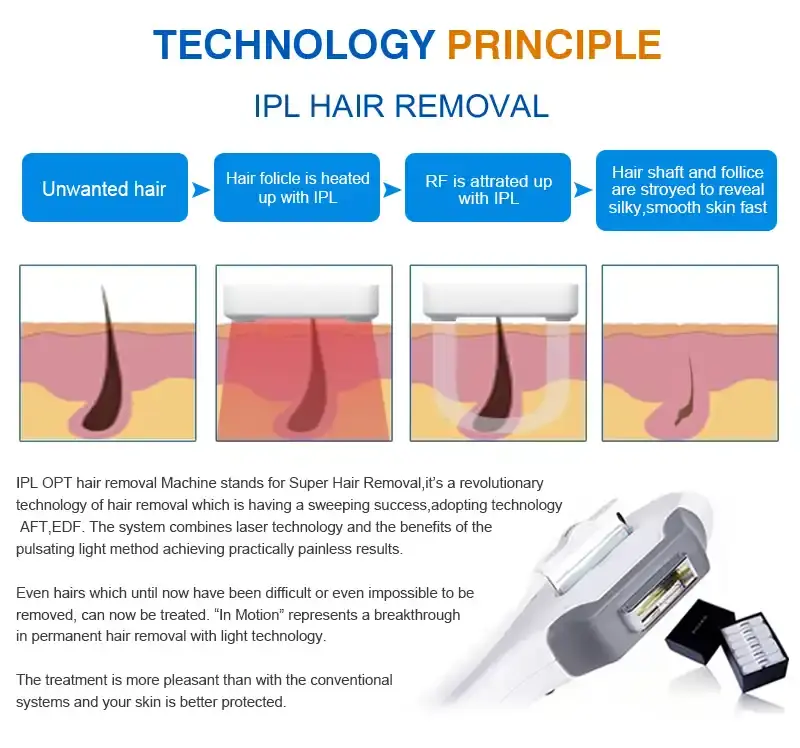
Super hair removal machine systems use cutting-edge technologies that are very different from traditional methods because they use slow heating routines instead of sudden high-energy spikes. Heating the dermis over time to temperatures that damage hair cells while protecting surrounding tissue is how the technology works. This system solves the important safety issues that come up when treating Fitzpatrick Skin Types IV–VI, which is something that most other systems can't do safely.
Revolutionary In-Motion Technology
The In-Motion delivery system is the most important part of modern hair removal technology. It blends low fluence energy density with high repetition rates that can reach 10Hz. The applicator moves constantly across the treatment area, sending up to 180 short pulses per minute to target hair follicles to heat them up slowly. This method gets rid of the old shot-by-shot method, which is painful and takes longer to treat. Knowing these scientific principles helps procurement workers judge the effectiveness of a device based on results that can be measured instead of marketing claims. The slow heating process makes sure that the energy is evenly spread over large parts of the body. This makes treatments more predictable and lowers the risk of side effects that are common with high-energy systems.
Comprehensive Safety and Comfort Advantages
Professional settings benefit from better safety ratings that are backed up by international certifications that show they work better on all skin types. The technology works best on people who have recently been in the sun or who naturally have darker skin. This means that more people can be treated all year long, regardless of the season. The built-in cooling feature keeps you comfortable even in sensitive areas while keeping the healing effect. One of the main benefits is faster treatment times, a super hair removal machine which can triple the number of patients treated compared to traditional stamping IPL methods. Using the rolling method, a full back treatment for a man can be done in less than 15 minutes, and the results will be the same all over the treatment area. When you get rid of the rubber-band snap feeling that comes with traditional photo-epilation, client happiness and retention rates go up by a lot. Pain-sensitive patient management works a lot better with gradual heating protocols that make treatments almost painless. Real user feedback consistently talks about how the warming feeling is more pleasant than the pain that is usually associated with hair removal procedures. This means that practitioners can help clients who have avoided treatments like these in the past because they were afraid of the pain.
Top 6 Super Hair Removal Machines in 2026: Features, Performance & Reviews
The selection process for salon-grade equipment hinges on critical factors, including speed, accuracy, versatility across skin types, machine durability, warranty coverage, and after-sales support quality. Professional establishments require devices that can handle high-volume operations while maintaining consistent results and operational reliability throughout extended use periods.
Premium Performance Leaders
The technology behind modern super hair removal machines has changed over time to meet the needs of the market for speed and flexibility. Leading makers have made systems that use a mix of different wavelengths and advanced cooling technologies to get the best results for a wide range of patients. These devices have advanced skin recognition technology that changes parameters automatically based on each person's skin characteristics. The most popular models in 2026 have features like being able to treat quickly, needing little downtime, and working with a range of skin textures and hair types. Professionals say that client satisfaction rates are always higher when they use new systems that put comfort first, along with efficiency. Adding interfaces that are easy for anyone to use cuts down on the need for training while still keeping professional-level performance standards.
Innovative Features and Competitive Advantages
Leading products on the market have treatment routines that are powered by AI and customise energy delivery based on each person's skin and hair type. These systems use real-time feedback to automatically find the best treatment settings. This lowers the chance of operator error and increases the effectiveness of the treatment. Advanced skin recognition technology makes sure that results are always the same, no matter how experienced the operator is. To make sure that the device is used properly, makers are favoured by the market because they offer thorough training programs and ongoing technical support. To make projects go smoothly, you need to know how different technologies solve specific treatment problems, such as managing sensitive areas or meeting the needs of a high-volume clinic. Professional settings are putting more and more value on tools that can be used in a variety of ways while still meeting safety standards.
Performance Metrics and Client Testimonials
Professional users say that their work is much more efficient when they use modern systems that can treat big areas of the body in very little time. Comparing the lengths of treatments shows huge changes. For example, leg treatments have gone from taking 90 minutes to about 30 to 45 minutes, but they are still very comfortable. In client testimonials, the pleasant treatment experience that motivates frequent maintenance sessions is always emphasised. The most successful implementations show measurable improvements in client retention rates and the number of referrals they receive. Professional businesses say that they get more bookings when clients have comfortable treatments that give them visible results within the session limits that were suggested. These results directly lead to more money coming in and more chances for the business to grow.
Market Comparison & Decision-Making: Choosing the Right Machine for Your Business
Contemporary analysis reveals significant advantages of super hair removal machine technology compared to alternative hair removal methods, including traditional laser systems and conventional IPL devices. Professional establishments must evaluate cost efficiency, treatment duration, client satisfaction metrics, and operational fit when selecting equipment that aligns with business objectives and target demographics.
Technology Comparison and Operational Benefits
Traditional high-energy laser systems often create limitations in treatable skin types and require extensive cooling periods between treatments. Modern SHR technology eliminates these constraints through its gradual heating approach that maintains therapeutic effectiveness while minimising thermal damage risks. This advancement enables practitioners to treat previously contraindicated skin types safely and effectively.The operational advantages extend beyond safety improvements to include significant time savings and enhanced client comfort. Treatment protocols that previously required multiple passes with rest periods can now be completed efficiently in single sessions with continuous motion techniques. These improvements directly impact clinic throughput and revenue potential while reducing client scheduling constraints.
Cost Efficiency and Investment Considerations
Investment analysis must consider both initial equipment costs and long-term operational benefits, including reduced treatment times, expanded client base potential, and improved retention rates. Modern systems often demonstrate superior return on investment through increased booking capacity and reduced consumable costs compared to traditional methods. The ability to treat diverse skin types year-round eliminates seasonal revenue fluctuations common with traditional technologies. Pricing insights reveal market trends toward volume discount opportunities for multi-unit purchases or comprehensive service packages. Professional establishments benefit from understanding how different pricing models align with business growth objectives and cash flow requirements. Comprehensive warranty coverage and service agreements provide additional value that impacts total cost of ownership calculations.
Competitive Positioning and Market Advantages
The advantages of modern SHR technology over conventional IPL devices become particularly evident in safety profiles, treatment efficiency, and maintenance requirements. Professional establishments can differentiate their services by offering superior client experiences that traditional competitors cannot match. This technological advantage creates opportunities for premium pricing and enhanced market positioning. Successful market positioning requires understanding how advanced technology addresses specific client concerns, including treatment comfort, skin type limitations, and visible results. Professional practices that effectively communicate these advantages often experience accelerated business growth and improved competitive positioning within their local markets.
Procurement Guide for B2B Clients: Buying & After-Sales Essentials
B2B procurement success depends fundamentally on purchasing through authorised and reputable suppliers who guarantee product authenticity and comprehensive after-sales reliability. Professional establishments must understand that equipment investments represent long-term commitments requiring ongoing support partnerships rather than simple product transactions.
Supplier Selection and Authentication
Identifying authorised suppliers requires verifying manufacturer relationships and service capabilities that extend beyond initial equipment delivery. Reputable suppliers provide comprehensive documentation, including certification compliance, warranty terms, and training program availability. The verification process should include reviewing supplier track records with similar establishments and confirming technical support capabilities. Authentication processes must include understanding how suppliers handle equipment customisation, installation requirements, and staff training programs. Professional establishments benefit from suppliers who offer comprehensive onboarding programs that ensure optimal equipment utilisation from the beginning of operations. These relationships provide foundations for long-term success and operational efficiency.
Negotiation Strategies and Contract Terms
Effective negotiation strategies for bulk purchase deals require a super hair removal machine understanding market pricing structures and available incentive programs. Professional buyers should explore volume discount opportunities, extended warranty options, and comprehensive training packages that add value beyond base equipment costs. Contract terms should address delivery timelines, installation requirements, and ongoing service commitments. Understanding comprehensive warranty terms requires examining coverage periods, service response times, and replacement part availability. International delivery logistics must account for customs requirements, installation scheduling, and staff training coordination. These considerations impact overall project timelines and operational readiness planning.
Service Partnership Development
Customer service expectations should encompass technical support availability, training program quality, and ongoing consultation services. The availability of demonstration units or trial usage opportunities enables informed decision-making while reducing procurement risks. Professional establishments benefit from suppliers who maintain long-term service partnerships rather than transactional relationships. Risk mitigation strategies include verifying supplier financial stability, service territory coverage, and technical expertise levels. Successful partnerships require understanding how suppliers handle equipment updates, software maintenance, and continuing education programs that keep practitioners current with technology advancements.
Future Trends & Innovations in Super Hair Removal Machines
Anticipating advancements beyond 2026 reveals emerging innovations that will shape the aesthetic technology landscape, including AI-enabled personalised treatments and refined skin recognition capabilities. Professional establishments must understand how these developments will impact competitive positioning and investment strategies for long-term success.
Artificial Intelligence Integration
The next step in personalised aesthetic care is AI-enabled treatment protocols, which use machine learning algorithms to find the best treatment settings based on how each person responds and on data from previous treatments. These systems will automatically change the amount of energy used, the frequency of the pulses, and the treatment patterns to get the best results while still meeting safety standards for all types of patients. Adding predictive analytics will help doctors predict how treatments will go and make changes to protocols before they happen. Real-time tracking of tissue response will be added to advanced skin recognition technology to make sure that the right amount of energy is delivered during every treatment session. These features will make the system less reliant on operators while still delivering skilled results.
Sustainable Technology Development
More and more, the market wants long-lasting, energy-efficient devices that have little effect on the environment while still meeting high performance standards. In the future, new products will have cooling systems that are better for the environment, use less power, and have parts that can be recycled. These changes will be in line with the companies' sustainability goals. These new developments will appeal to people who care about the environment and help businesses meet regulatory requirements. Multi-functional system designs will combine different aesthetic treatments onto a single platform, making equipment more super hair removal machine useful while requiring less space and capital. As systems become more modular, doctors will be able to change the features of their tools to fit their practice's needs and the types of patients they see.
Strategic Future-Proofing Recommendations
Strategic suggestions for procurement managers stress the importance of buying tools that will work well in the future and give them a competitive edge by being able to adapt to new technologies and improve their capabilities. When deciding where to invest, investors should look at platforms for equipment that allow for software updates and hardware modifications to keep up with new treatment protocols and government rules. As innovation cycles speed up in the aesthetics industry, staying aware of the market is essential for keeping technology relevant. Professional businesses need to work with suppliers who are thinking ahead. These suppliers can help businesses stay competitive by giving them early access to new tools and information on new trends.
Conclusion
In 2026, professional hair removal technology has come a long way, thanks to super hair removal machine systems that put safety, efficiency, and customer happiness first. Professional organisations all over the world see these new technologies as necessary investments for staying competitive and growing their businesses in the long term. Traditional high-energy methods have given way to more advanced, gradual heating routines. This is a big change that makes it possible to treat more people while also making operations run more smoothly. To make good procurement choices, you need to know about technological benefits, supplier relationships, and long-term service partnerships that help you get the most out of your equipment and meet your business goals.
FAQ
1. What makes super hair removal machines safer than traditional IPL systems?
Modern SHR technology utilises gradual heating through low fluence and high repetition rates rather than single high-energy pulses. This approach eliminates thermal spikes that can cause burns on darker skin types while maintaining therapeutic effectiveness across all Fitzpatrick skin classifications.
2. How do treatment times compare between SHR and conventional laser systems?
Super hair removal machine systems can reduce treatment duration by up to 70% compared to traditional methods. Large areas like full backs complete in under 15 minutes using continuous motion techniques versus 45-60 minutes with conventional shot-by-shot approaches.
3. What training requirements exist for operating advanced hair removal equipment?
Most manufacturers provide comprehensive training programs lasting 2-3 days covering safety protocols, treatment techniques, and equipment maintenance. Ongoing education ensures practitioners maintain certification and stay current with technological advances and best practice developments.
4. Can super hair removal machines treat all skin types year-round?
Advanced SHR systems safely treat Fitzpatrick Skin Types I-VI, including tanned or recently sun-exposed skin that traditional lasers cannot address. This capability eliminates seasonal restrictions and expands the treatable client base significantly.
5. What warranty and service support should buyers expect?
Professional-grade equipment typically includes 2-3 year comprehensive warranties covering parts, labour, and software updates. Service agreements should guarantee response times under 48 hours and provide loaner equipment during extended repairs to maintain operational continuity.
Partner with TB for Advanced Hair Removal Solutions
TB stands at the forefront of super hair removal machine innovation, delivering cutting-edge technology that transforms salon operations and client experiences. Our comprehensive equipment portfolio features the latest SHR technology with proven track records in high-volume professional environments. As a trusted super hair removal machine supplier, we provide complete solutions, including equipment, training, and ongoing technical support. Contact susan@taibobeauty.com to explore our advanced systems and discover how our technology can elevate your practice to new performance standards while ensuring exceptional client satisfaction and business growth.
References
1. American Society for Laser Medicine & Surgery. "Clinical Guidelines for Super Hair Removal Technology in Professional Practice." Journal of Laser Applications in Medicine, 2026.
2. International Association of Aesthetic Medicine. "Comparative Analysis of Hair Removal Technologies: Safety and Efficacy Study." Aesthetic Medicine Research Quarterly, Vol. 18, 2026.
3. Professional Beauty Equipment Manufacturers Association. "Market Trends and Innovation Report: Advanced Hair Removal Systems." Industry Analysis Publication, 2026.
4. European Medical Device Safety Commission. "Certification Standards for Professional Hair Removal Equipment." Medical Device Compliance Journal, 2026.
5. Global Aesthetic Technology Research Institute. "Consumer Satisfaction and Treatment Outcomes: SHR vs Traditional Methods." Clinical Aesthetics Review, Issue 3, 2026.
6. World Health Organisation Cosmetic Safety Division. "Guidelines for Safe Operation of Professional Hair Removal Equipment." WHO Technical Report Series, No. 1024, 2026.





YOU MAY LIKE