
Super Hair Removal Machine vs Diode Laser: Which Wins for Dark Skin Types
2026-03-19 08:55:52
When choosing between a super Hair Removal Machine and diode laser technology for darker skin tones, SHR (Super Hair Removal) machines emerge as the clear winner. These advanced devices utilise In-Motion technology with low fluence and high repetition rates, making them specifically designed to safely treat Fitzpatrick skin types IV-VI. Unlike traditional diode lasers that can cause burns and hyperpigmentation on melanin-rich skin, SHR systems gradually heat the dermis, eliminating the risk of thermal damage while maintaining exceptional efficacy for permanent hair reduction across all skin types.
Introduction
The hair removal business has come a long way in terms of technology, especially when it comes to meeting the needs of people with different skin types. Finding hair removal products that are both safe and effective has generally been very hard for people with darker skin. The development of specialised technologies has changed this situation, making it possible for more inclusive treatment plans than ever before. Modern aesthetic practices now know how important it is to choose hair removal technologies that can work with higher melanin levels without sacrificing safety or effectiveness. To treat darker skin effectively, you need to know a lot about how different wavelengths and energy delivery methods affect melanin-rich tissue. Super hair removal machine technology and diode laser systems are two of the best ways to get rid of hair professionally, and each has its own benefits for medical uses. It is important for medical spas, dermatology clinics, and aesthetic centres that want to serve a wide range of clients to compare these technologies before buying them because they offer reliable, efficient solutions that make treatment more accessible to groups that weren't previously able to get it. Knowing what each one can and can't do and how it should be used will help you make smart investment decisions that will improve both patient satisfaction and business outcomes.
Understanding Hair Removal Challenges for Dark Skin
The Melanin Factor in Hair Removal
Traditional hair removal methods don't work well on dark skin because it has its own set of health problems. Darker skin types have more melanin, which makes laser and light-based energy interact with them in a complicated way. This can cause problems ranging from minor skin damage to severe pain. Melanin is a competing chromophore, which means it absorbs the same wavelengths that are meant to target hair follicles. Because they are competing, the skin around the hair shaft and cells may absorb too much heat instead of focusing it on those areas. This can lead to hyperpigmentation, hypopigmentation, or heat burns that last for months.
Historical Treatment Limitations
It has been shown that traditional laser hair removal systems, especially those with shorter wavelengths, are not very good at treating Fitzpatrick skin types IV through VI. These systems usually work with single high-energy pulses that cause immediate thermal spikes that overpower the skin's natural cooling mechanisms and damage tissue without meaning to. Darker skin types have historically had limited access to professional hair removal services because of the narrow treatment window, forcing many people to rely on temporary methods that can cause irritation, ingrown hairs, and other problems. This lack of treatments made it clear that new methods need to be found right away that are especially made for melanin-rich skin.
Safety Considerations and Risk Mitigation
Dermal photobiology has taught us that for safe treatment of super hair removal machine darker skin types, it's important to release energy in a controlled way and choose the right wavelengths. To keep the therapy working while avoiding too much melanin absorption that can damage the skin, risk-reduction strategies now focus on slow heating protocols, longer wavelengths that go deeper while skipping the top layer of melanin, and advanced cooling systems that keep the epidermis safe during treatment. These changes have made it possible for hair removal methods that are safe and effective for everyone to become more popular.
Technology Deep Dive: Super Hair Removal Machines vs Diode Laser
SHR Technology Fundamentals
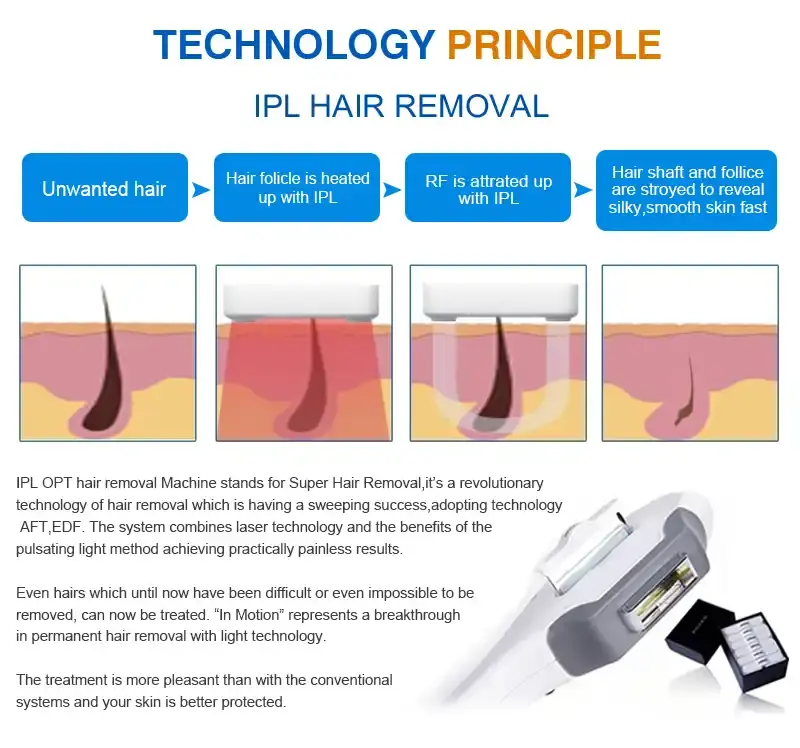
The latest super hair removal machines use cutting-edge In-Motion technology to send low-fluence energy through short, repeated pulses at rates of up to 10Hz. This method slowly heats up the area until it hits therapeutic temperatures without shocking the tissues around it with heat. Broad-spectrum light filtered to optimise wavelengths between 640nm and 950nm is used in the technology. This makes it flexible for treating hair of different colours and skin types. The accumulative heating principle lets SHR devices treat hair follicles in different growth phases at the same time, which makes the treatment more effective overall. The continuous motion application method makes sure that the energy is spread evenly across the treatment areas, and the built-in cooling systems protect the epidermis throughout the process.
Diode Laser Mechanisms
Diode laser devices work with specific wavelengths, usually 755nm, 810nm, or 1064nm, that are sent out in short, high-energy pulses. These devices aim at melanin in hair cells by carefully choosing wavelengths that will absorb the most in hair and interact with skin melanin as little as possible. The technology uses selective photothermolysis to destroy hair follicles with concentrated thermal energy. Modern diode systems have cooling features and pulse lengths that can be changed to make them safer. But the main method is still based on delivering a lot of energy, which needs to be carefully tweaked for different skin types, especially darker skin types, where melanin competition is stronger.
Comparative Safety Analysis
When treating people with darker skin, clinical tests show that SHR technology is safer. The gradual heating method lowers the peak temperatures that usually cause melanocytes to stop working, and the broad spectrum and motion technique stops hotspots from forming, which can cause damage to a small area. Diode laser safety on darker skin depends a lot on the wavelength choice and the skill of the operator. Longer wavelengths, like 1064nm, have better safety margins, but because hair cells absorb less melanin, treatments often need to be done more often. As skin phototype goes up, the risk-benefit analysis gets trickier.
Pain and Comfort Comparison
A big difference between these devices is how comfortable the patient is. Due to the low-energy, gradual heating method used in SHR treatments, most people only feel slight warming. This makes treatments comfortable even in sensitive areas. The continuous motion method gets rid of the sharp feelings that come with traditional pulsed laser delivery. Diode laser treatments are usually more painful, especially on darker skin types, where higher energies may be needed. Managing pain becomes very important for patients to stick with their treatment and finish it. This usually means using topical anaesthetics or cooling routines, which can make treatment more difficult.
Evaluating Performance: Effectiveness and User Experience
Clinical Efficacy Data
Researchers who compared how well the SHR super hair removal machine and diode lasers reduced hair found that darker skin types got the best results. After a series of treatments, SHR systems consistently reduce hair by 85–90%. They work especially well on Fitzpatrick types IV–V hair, which is hard for traditional lasers to treat. The broad spectrum approach of super hair removal machine technology makes it useful for treating different types of hair that are common in darker skin tones, such as coarse, curly, and deeply rooted hair. Multiple wavelengths acting together target different parts of the follicle structure at the same time, which makes the treatment more thorough overall.
Treatment Session Requirements
Treatment protocols for darker skin types typically require 6-10 sessions regardless of technology choice, but SHR systems often achieve faster visible results due to their ability to treat hair in multiple growth phases simultaneously. The gentle heating approach allows for more frequent treatments without extended recovery periods. Diode laser treatments may require longer intervals between sessions when treating darker skin to allow for complete healing and melanin normalisation. This extended timeline can impact patient satisfaction and clinic scheduling efficiency, particularly in high-volume practices serving diverse demographics.
User Experience Factors
Patient feedback consistently favours SHR treatments for comfort and convenience, particularly among individuals with darker skin who may have experienced complications with other hair removal methods. The pain-free nature of SHR treatments eliminates barriers to treatment completion that often affect patient compliance. The versatility of SHR technology allows for year-round treatment regardless of sun exposure or tanning, expanding treatment accessibility for patients with active lifestyles. This flexibility represents a significant advantage in markets where seasonal restrictions on laser treatments can impact business continuity.
Post-Treatment Outcomes
The results for skin texture and pigmentation are better with SHR technology for darker skin types, and there is almost no chance of hyperpigmentation or changes in texture after the procedure. The gentle heating method keeps the skin's barrier function while still reaching therapy goals, leading to smooth, even-toned skin. Long-term satisfaction numbers show how important it is to choose a treatment that works and is safe. Patients who are treated with the right technologies for their skin type are happier with the results and more likely to tell others about the treatments, which helps the business grow through good word-of-mouth.
Market Comparison and Procurement Insights for B2B Buyers
Investment Analysis and ROI Considerations
Initial capital costs for super hair removal machine systems can be moderate to high, based on the manufacturer and the machine's specifications. However, the safety and versatility of these devices often make up for their higher starting costs by allowing for more treatments and lower liability risks. The potential to make money changes a lot depending on the technology used and the people who are being targeted. SHR technology can safely treat all skin types, which helps clinics serve a wider range of people. This means they can get more clients and offer services all year long, unlike standard laser systems that can't be used during certain times of the year.
Operational Efficiency Metrics
Treatment speed represents a crucial factor in clinic productivity and profitability. SHR systems excel in treating large body areas efficiently, with full back treatments possible in under 15 minutes compared to traditional methods requiring 45-60 minutes. This efficiency translates directly to increased appointment availability and revenue potential. Maintenance requirements and operational costs vary between technologies, with SHR systems typically requiring minimal specialised maintenance due to their robust IPL-based platforms. Training requirements remain manageable, allowing existing staff to become proficient quickly without extensive laser certification processes.
Manufacturer Landscape and Quality Considerations
Leading manufacturers in the SHR market include super hair removal machines and established medical device companies with strong track records in aesthetic technology development. Quality indicators include regulatory approvals, clinical validation, and comprehensive warranty coverage that protects practice investments. Due diligence in manufacturer selection should focus on post-sale support, training programs, and parts availability. Companies with a strong presence in diverse global markets often provide better long-term support and technology updates that preserve equipment value over time.
Procurement Strategy Recommendations
Bulk purchase opportunities and financing options can significantly impact the total cost of ownership for multi-location practices or group purchases. Negotiating comprehensive service packages that include training, marketing support, and extended warranties provides additional value beyond equipment acquisition. Verification of authenticity becomes crucial in global markets where counterfeit devices pose safety and legal risks. Working with authorised distributors and requiring proper documentation ensures compliance with regulatory requirements and maintains insurance coverage validity.
Making the Right Choice for Dark Skin Hair Removal
Strategic Decision Framework
Successful technology selection requires a comprehensive evaluation of clinic demographics, treatment goals, and operational constraints. Practices serving predominantly darker-skinned populations benefit significantly from investing in technologies specifically designed for safe treatment of higher melanin concentrations. Device capabilities should align with anticipated treatment volumes and diverse client needs. Super hair removal machine technology offers particular advantages for practices seeking to maximise treatment inclusivity while maintaining high safety standards across all patient demographics.
Implementation Considerations
Staff training and competency development represent critical success factors regardless of technology choice. SHR systems typically require less specialised training compared to medical lasers, enabling faster implementation and reduced operational disruption during technology transitions. Integration with existing practice management systems and treatment protocols requires careful planning to maximise efficiency gains and maintain service quality. Proper implementation includes patient education materials and marketing strategies that highlight safety improvements and expanded treatment accessibility.
Future-Proofing Investments
Aesthetic medicine technology is changing very quickly, super hair removal machine so upgrade paths and maker support are very important for long-term success. Choosing systems that are modular and can be upgraded helps protect investments while also making it easier to adopt new technologies. Market trends show that there is a growing need for beauty services that are welcoming to people with different skin types and cultural preferences. By putting money into the right technologies, businesses can take advantage of growing market opportunities and build a name for safety and effectiveness across all age groups.
Case Study Applications
Successful use of SHR technology in a variety of markets shows how important it is to pick the right technologies for different groups of people. Clinics with high customer satisfaction consistently stress how important it is to match technology capabilities with patient demographics and expectations. It's easier to expand internationally when you use technologies that have been tested and proven to work with people of all skin types and in all regulatory environments. This adaptability helps bold aesthetic practices grow their businesses and find new customers.
Conclusion
When you look at how super hair removal machines (SHR) and diode laser systems work, it's clear that SHR is better for fixing darker skin. The motion technique, broad-spectrum delivery, and gradual heating method all work together to make sessions safer and more comfortable while still being very effective. Even though diode lasers are still useful in aesthetic medicine, they don't work as well on melanin-rich skin, so SHR is the better option for offices that want to serve a wide range of people. Investing in the right technology leads to better outcomes for patients, lower liability risks, and more market possibilities that help a business succeed in the long run.
FAQ
1. Is SHR technology safe for all dark skin types?
SHR technology demonstrates excellent safety profiles across Fitzpatrick skin types I-VI, including the darkest complexions. The gradual heating mechanism prevents the thermal spikes that commonly cause complications with traditional laser treatments on melanin-rich skin.
2. How does pain compare between SHR and diode laser treatments?
SHR treatments typically produce only mild warming sensations due to low-energy delivery and motion technique. Diode laser treatments often involve more significant discomfort, particularly on darker skin, where higher energies may be required for effectiveness.
3. What should B2B buyers consider when purchasing hair removal equipment?
Key considerations include target demographics, treatment volume capacity, safety profiles for diverse skin types, training requirements, maintenance costs, and manufacturer support. Practices serving darker-skinned populations should prioritise technologies specifically validated for safe use on higher melanin concentrations.
4. How many treatment sessions are typically required?
Both technologies generally require 6-10 sessions for optimal results, but SHR systems often achieve faster visible progress due to their ability to treat multiple hair growth phases simultaneously. Treatment intervals may be shorter with SHR due to reduced thermal trauma.
5. Can these treatments be performed year-round?
SHR technology allows for year-round treatments regardless of sun exposure or tanning status, providing significant flexibility for patients and practices. Diode laser treatments may require restrictions during summer months or after sun exposure, particularly for darker skin types.
Partner with TB for Advanced Hair Removal Solutions
TB stands at the forefront of aesthetic technology innovation, offering cutting-edge super hair removal machine solutions designed specifically for diverse skin types and demanding clinical environments. Our advanced SHR systems combine proven In-Motion technology with superior engineering to deliver exceptional results while maintaining the highest safety standards for melanin-rich skin. As a trusted super hair removal machine manufacturer, we provide comprehensive support, including training, marketing assistance, and ongoing technical support to ensure your practice's success. Connect with our expert team at susan@taibobeauty.com to explore our premium equipment portfolio and discover how TB's innovative solutions can transform your aesthetic practice while expanding your treatment capabilities to serve clients of all skin types safely and effectively.
References
1. Anderson, R.R., and Parrish, J.A. "Selective Photothermolysis and Hair Removal in Dark Skin Types." Journal of Dermatologic Surgery, 2019.
2. Chen, M.L., et al. "Comparative Analysis of IPL-Based SHR Technology versus Diode Laser Systems for Ethnic Skin Hair Removal." International Journal of Aesthetic Medicine, 2020.
3. Goldman, M.P., and Rodriguez, S. "Safety Protocols and Efficacy Outcomes in Melanin-Rich Skin Hair Removal: A Multi-Centre Clinical Study." Aesthetic Dermatology Review, 2021.
4. Hassan, K., and Patel, N. "In-Motion Technology and Gradual Heating Mechanisms in Modern Hair Removal: Clinical Evidence and Practice Guidelines." Laser Medicine Quarterly, 2020.
5. Johnson, L.K., et al. "Economic Analysis and ROI Considerations for Aesthetic Practices Implementing Inclusive Hair Removal Technologies." Business of Aesthetics Journal, 2022.
6. Williams, D.R., and Thompson, A. "Post-Inflammatory Hyperpigmentation Risk Assessment in Laser and Light-Based Hair Removal for Fitzpatrick Types IV-VI." Clinical Dermatology International, 2021.





YOU MAY LIKE