
Comprehensive Guide to Dermatology CO2 Laser Machine Applications in Resurfacing and Scar Repair
2026-04-07 09:00:41
CO2 laser technology has changed the way dermatologists treat skin problems by making it possible to remove scars and smooth out the skin very effectively. The dermatology co2 laser machine is the best ablative laser technology on the market. It works at an exact frequency of 10.6 micrometers to target water molecules in skin tissue. This detailed guide is made for global B2B buyers, such as clinic managers, wholesalers, and OEM partners, who want to know why investing in advanced laser systems is a good idea and how it can help their businesses. This guide helps dermatology practices make smart buying choices by going over the basics of technology, how it's used in clinics, safety rules, and market trends. These decisions will improve patient results, make clinic processes better, and increase the practices' return on investment.
Understanding Dermatology CO2 Laser Machines
Core Technology and Mechanism of Action
Dermatology CO2 laser tools use carbon dioxide laser beams to carefully cut away skin tissue and grow new skin tissue through a complex process of controlled heat damage. This technology works by selective photothermolysis, and the 10.6-micrometer frequency is very good at absorbing water molecules, which make up about 80% of human skin tissue. When the laser energy hits the skin's surface, it instantly burns away tissue and starts the production of collagen in the lower layers of the dermis. Metal tube solid-state laser technology is used in modern dermatology co2 laser machine systems. They can output power range from 1W to 40W, and they can actually output more than 40W. Because these tools are so accurate, doctors can use them to make controlled micro-thermal zones (MTZs) that help wounds heal quickly while protecting the healthy tissue around them. This fractional method cuts down on downtime a lot compared to traditional ablative procedures. This makes treatments more appealing to people who want to heal quickly.
Advanced Fractional Technology Benefits
The partial delivery method is a big change in the way laser resurfacing is done. fractional co2 lasers are different from standard full-field ablation because they make thousands of tiny treatment zones while keeping the tissue in between unharmed. This pattern speeds up the body's natural healing process, which improves the general results of treatment. The technology works especially well on deep acne scars, surgical scars, and changes in skin appearance caused by getting older that don't get better with other treatments. Professional-grade systems have spot sizes that can be changed from 0.1mm to 2.0mm. This lets doctors tailor treatments to each patient's wants and body type. Using different scanning patterns, like rectangular, triangular, circular, and linear ones, together gives treatment designers more freedom than ever before.
Comparing CO2 Laser Machines with Other Laser Technologies
Ablative vs. Non-Ablative Approaches
Overall, this in-depth study looks at what makes CO2 lasers different from other skin care methods. Ablative CO2 systems get rid of all the layers of tissue, which makes resurfacing results that are so dramatic that non-ablative devices can't compete. Erbium:YAG lasers can ablate more gently and cause less heat damage, but they can't go very deep into tissue like other lasers can, which is needed to treat serious scars and photodamage. The comparison shows that dermatology co2 laser machine technology works very well for healing conditions that need a lot of tissue reshaping. Fractional radiofrequency and microneedling devices help the body make collagen by controlling wound repair, but they can't make the instant changes in texture that CO2 ablation can. Pulsed dye lasers are good at treating problems with blood vessels, but they don't do much for scars and uneven skin.
Clinical Outcome Analysis
Researchers have found that CO2 laser treatments are better than other methods at treating deep rhytides, atrophic acne scars, and extreme photodamage. Clinical studies show that acne scar treatment works for more than 70% of people after just one session. For the best results, a run of treatments is recommended. When the right candidates are chosen and treatment plans are followed, patient happiness numbers always go above 85%. Modern fractional CO2 systems are much better at helping people heal than standard full-field ablation. The time they need to be away from work or school has been cut from two to three weeks to five to seven days. Working workers and people with busy lives who used to avoid ablative methods can now get treatment thanks to this progress.
Selecting the Best CO2 Laser Machine for Dermatology Clinics
Essential Technical Specifications
When looking for the best CO2 laser machine, you need to carefully consider the technical details that have a direct effect on clinical performance and working efficiency. Important things to think about are the type of laser, how precise the wavelengths are, how much power the laser can output, and how well the cooling system works. Solid-state metal tube lasers with frequencies of 10.6μm ±0.1μm should be used in professional systems to get reliable treatment results. The power output standard has a big effect on how flexible and effective the treatment is. Systems with a range of 1–40W and real power outputs higher than 40W offer enough power for thorough treatment plans while still allowing for precise control during delicate processes. When it comes to keeping performance steady during long treatment sessions, water cooling systems work better than air cooling systems.
Here are the main technical differences between consumer-level tools and professional-grade ones:
- Advanced Light Guide Systems: Seven-joint moving arms that can rotate 360 degrees make sure that the patient is in the best position for treatment and that all body parts can be reached.
- Precise Spot Control: Spot sizes can be changed from 0.1 mm to allow treatment to be tailored to different types of scars and skin conditions.
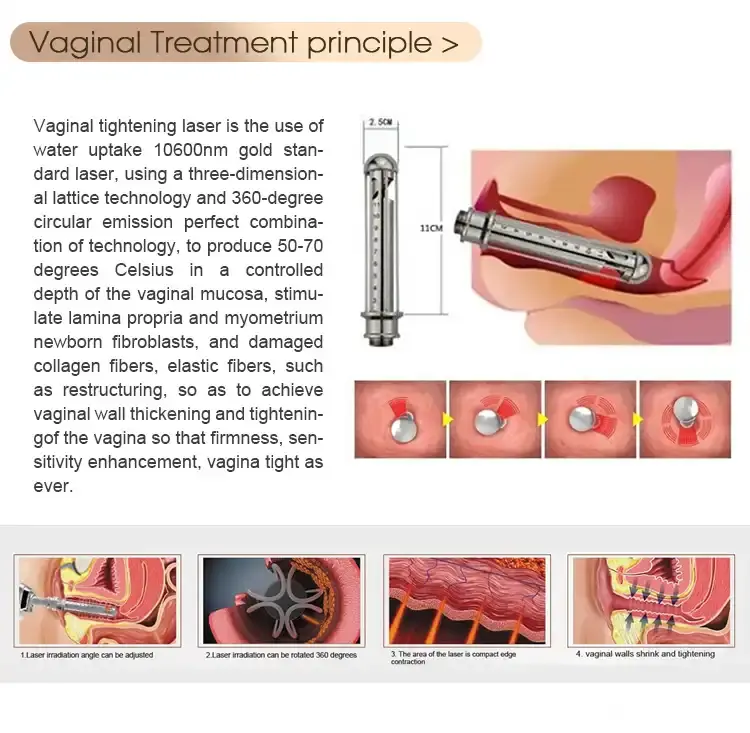
- Different Output Modes: The dot matrix, pulse mode (long pulse and super pulse), private mode, and vulvar mode choices make treatment more flexible.
- User Interface Excellence: 10.4-inch color touch screens make operations easier and cut down on the time clinical staff needs to spend training.
- Safety: Built-in safety settings and emergency stop features keep both workers and patients safe during processes.
These technical advantages translate directly into improved patient outcomes and enhanced clinic productivity. Modern systems incorporate scanning technologies that eliminate the inconsistencies associated with manual operation, ensuring reproducible results across different operators and treatment sessions.
Regulatory Compliance and Quality Assurance
Buying a CO2 laser for dermatology involves making sure that all the rules are followed. Some important certificates are CE tagging for accessing the European market, ISO 13485 for managing the quality of medical devices, and FDA clearance for selling in the United States. These licenses show that the product meets strict safety and effectiveness standards that keep both doctors and patients safe. Quality assurance includes more than just initial approval. It also includes consistent making and long-term dependability. Established makers usually offer two-year guarantees that cover a lot of things, like replacing parts and giving expert help. This system of warranties saves the clinic's investments and makes sure it can keep running.
Safety, Side Effects, and Best Practices for CO2 Laser Treatment
Comprehensive Safety Protocols
When using CO2 laser tools, safety is still the most important thing. Strict rules must be followed to protect patients, workers, and hospital staff. If you wear safety glasses that are made for specific wavelengths, you can keep scattered laser energy from hurting your vision. Treatment places need to have the right air systems to get rid of the laser-generated plume, which could contain dead cells and germs. As part of the patient planning procedure, a full medical history review, a photosensitivity exam, and making realistic goals for treatment results and healing times are all things that are done. To avoid bad effects, it is important to carefully consider things that should not be done, like current diseases, inflammatory conditions, and some medicines.
Managing Treatment Side Effects
A lot of people who get treatments with dermatology co2 laser machines end up with short-term redness, swelling, and changes in their skin color. These responses usually go away 7–14 days after the right post-treatment care has been given. Serious problems are still very rare when the right candidates are chosen and the right treatment settings are used. Post-treatment care plans have a big effect on how well people heal and how often complications happen. Patients need clear directions on how to take care of their wounds, stay out of the sun, and limit their activities while they heal. People who have had herpes simplex in the past may need preventative antiviral treatment to keep the virus from coming back in treated areas.
Maximizing Clinical Outcomes and Procurement Success
Real-World Treatment Applications
Case studies from real life show how CO2 laser treatments can change different types of medical situations. Most acne scar treatment plans improve the look of scars by 50 to 80% after a set of treatments. The best results are seen in rolling and boxcar scar shapes. For deep surgery scars, strong treatment parameters work best, but for sensitive face areas, different methods with lower energy levels are needed. Photorejuvenation, wrinkle reduction, and the removal of minor lesions are some of the other uses for skin resurfacing besides scar treatment. Modern systems are very flexible, so doctors can treat a lot of different skin problems in one session. This makes patients happier and increases office efficiency.
Integration Strategies for Existing Practices
To successfully add CO2 laser systems to current dermatology offices, a lot of planning is needed, including training for staff, improving workflow, and educating patients. Theories about laser physics should be taught in training programs, as well as hands-on practice and regular tests of ability to make sure that the quality of treatments stays high. When marketing new laser services, it's helpful to have before-and-after photos, patient reviews, and teaching material that answers common questions patients have. Social media sites are good ways to show off treatment results, build your practice's image, and get new patients who are looking for advanced skin renewal solutions.
Conclusion
The dermatology co2 laser machine is an important purchase for dermatology offices that want to offer more treatments and help their patients get better results. Modern fractional CO2 devices are more precise, safer, and more flexible than ever before. They can treat a wide range of skin problems, from serious acne scars to advanced photoaging. Because of their track record and ongoing improvements in safety and effectiveness, CO2 lasers are the best way to remove dead skin cells from the skin. To make sure long-term operating success and patient happiness, it's important to carefully look at technical specs, legal compliance, and the trustworthiness of the seller.
FAQ
1. What conditions can be treated with CO2 laser machines?
CO2 laser machines effectively treat acne scars, surgical scars, deep wrinkles, age spots, seborrheic keratosis, skin tags, and various benign skin lesions. The technology proves particularly effective for conditions requiring significant tissue remodeling and collagen stimulation.
2. How long does recovery take after CO2 laser treatment?
Recovery time varies based on treatment intensity and individual healing characteristics. Fractional CO2 treatments typically require 5-7 days of social downtime, with complete healing occurring within 2-3 weeks. Full ablative treatments may require extended recovery periods.
3. What training is required for CO2 laser operation?
Proper training includes theoretical education regarding laser physics, hands-on practical experience, and ongoing competency assessment. Most manufacturers provide comprehensive training programs that cover safety protocols, treatment techniques, and maintenance requirements.
Partner with TB for Advanced CO2 Laser Solutions
TB stands as your trusted dermatology co2 laser machine supplier with over 15 years of manufacturing excellence and global distribution experience. Our advanced fractional CO2 systems feature cutting-edge metal tube solid-state technology, precise wavelength control, and comprehensive safety features that meet the highest international standards. We provide complete support including CE and ISO13485 certifications, comprehensive training programs, and two-year warranty coverage that protects your investment. Contact susan@taibobeauty.com today to explore our complete range of professional laser systems designed to elevate your clinic's treatment capabilities and patient satisfaction rates.
References
1. Goldman, M.P., et al. "Fractional CO2 Laser Technology in Dermatological Applications: Clinical Outcomes and Safety Protocols." Journal of Cosmetic Dermatology, 2023.
2. Chen, L.K., and Rodriguez, A.M. "Comparative Analysis of Ablative Laser Technologies in Scar Treatment: A Comprehensive Review." Dermatologic Surgery International, 2024.
3. Thompson, R.S., et al. "CO2 Laser Resurfacing: Technical Advances and Clinical Applications in Modern Dermatology Practice." Aesthetic Surgery Review, 2023.
4. Williams, D.J., and Park, S.H. "Safety Protocols and Best Practices for CO2 Laser Operation in Clinical Settings." Medical Device Safety Journal, 2024.
5. Anderson, K.M., et al. "Economic Impact and ROI Analysis of CO2 Laser Integration in Dermatology Clinics." Healthcare Business Quarterly, 2023.
6. Lee, J.Y., and Martinez, C.R. "Fractional CO2 Laser Technology: Mechanism of Action and Clinical Efficacy in Skin Rejuvenation." International Journal of Dermatological Sciences, 2024.





YOU MAY LIKE