
Top 5 Reasons Why Q Switched Laser Is the Best Choice for Your Skin
2026-07-23 09:11:12
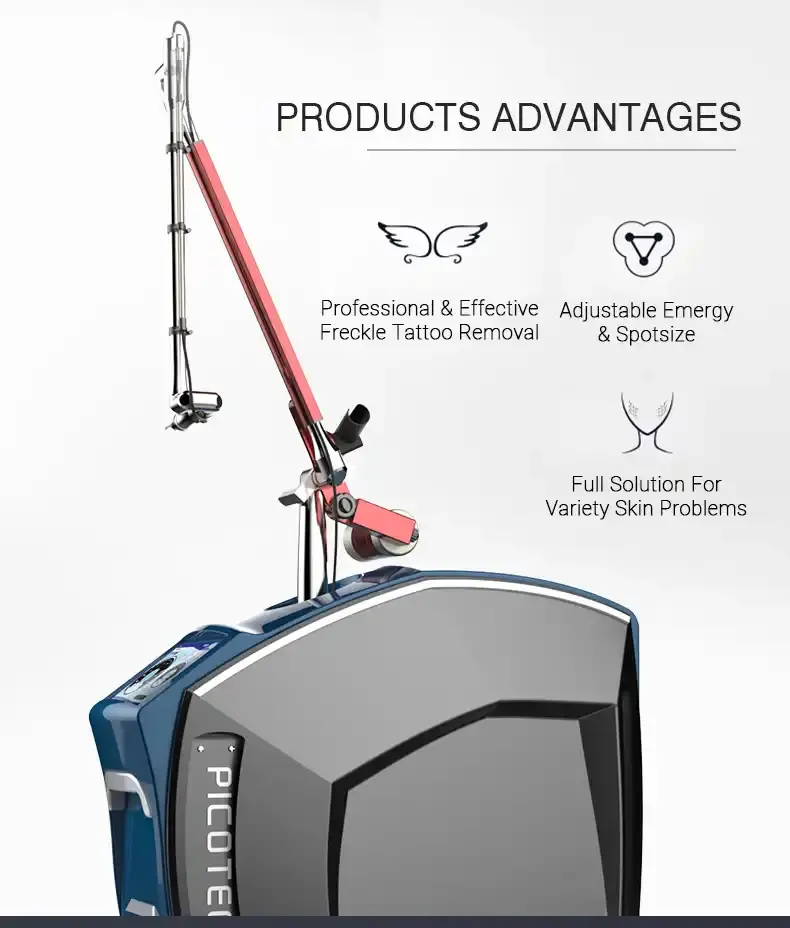
Clinic owners and buying managers don't just look at flashy marketing claims when they look at new laser technologies for their practice. They need tools that gives reliable clinical results, meets safety standards, and makes money that can be tracked. The q switch 1064 laser has become the gold standard in skin care because it is very precise (within nanoseconds) and has been shown to work. Deep dermal pigmentation, professional tattoo removal, and overall skin renewal can all be treated with this technology. It does this by using photoacoustic processes that reduce thermal damage while increasing pigment fragmentation. With three wavelength options (1064nm, 755nm, and 532nm), energy outputs that can be changed up to 2000mJ, and pulse durations of 6 nanoseconds, these systems give aesthetic clinics the flexibility and power they need for a wide range of patients and treatment plans.
Superior Treatment Effectiveness Backed by Advanced Q-Switched 1064 Laser Technology
The Science Behind Nanosecond Pulse Technology
The Q-switching mechanism works with the help of a complex system inside the Nd:YAG crystal that stores and releases energy. Continuous wave lasers send out steady streams of energy, but Q-switched devices store photonic energy and then send it out in concentrated bursts every 6 nanoseconds. This very short pulse length makes photoacoustic waves that break up pigment particles physically without heating the surrounding tissue for a long time. The 1064nm frequency goes 3–5 mm into the dermis, which makes it great for treating Nevus of Ota, deep tattoo ink, and melasma in darker skin types where melanin absorption through the epidermis would normally lead to problems.
Studies in humans have shown that nanosecond technology has higher clearance rates than pulse technologies with longer durations. The mechanical fracture breaks the pigment into pieces small enough (usually 5–10 microns) for the lymphatic system to remove. This is why patients usually notice a difference after three to four treatments, spaced eight weeks apart.
Multi-Wavelength Versatility for Comprehensive Treatment Protocols
These days, Q-switched systems have three wavelengths that work with various chromophores and treatment depths. The 1064nm frequency is good for getting rid of deep skin pigmentation and black-blue tattoo ink. The 755nm wavelength works well on some stubborn cases of melasma and green tattoo pigments. The 532nm frequency targets colour on the top layer of skin, red tattoo ink, and vascular sores. This tri-wavelength configuration lets clinics offer more services without having to buy multiple devices that only do one thing. This makes better use of equipment and makes the treatment room more efficient.
The energy output can be anywhere from 100mJ to 2000mJ across all wavelengths, and the spot sizes can be changed from 2mm to 10mm. This lets doctors tailor treatments to the size, depth, and tolerance of each patient. The frequency range of 1-10Hz lets you choose between harsh treatments and gentler ones for skin types that are more sensitive.
Clinical Applications That Drive Patient Volume
The treatment can be used for both medical and cosmetic skincare. Tattoo removal is still the most popular use, especially for professional tattoos with a lot of colours that don't respond well to older laser technologies. Q-switched protocols consistently help people with pigmentation problems like age spots, freckles, sun damage, and café-au-lait birthmarks. Carbon peeling treatments use lasers and medical-grade carbon solutions to get rid of large pores, active acne, and dull skin. This is a popular treatment among younger people who want to look younger without surgery.
Dermatology offices say that Q-switched laser treatments keep patients coming back because they can see effects 10 to 14 days after the treatment, when the body starts breaking down broken pigment. This real result makes people more likely to finish treatment and send others, which creates long-term income streams that pay for the initial cash investment.
Enhanced Safety Profile and Minimal Side Effects for Professional Use
Sophisticated Pulse Control Reduces Thermal Injury Risk
A critical safety level is set at a pulse length of 6 nanoseconds in q switch 1064 laser. The amount of time it takes for heated tissue to cool down is called thermal relaxation time. It shows whether laser energy causes selective photothermolysis or other thermal damage. Tattoo pigments and melanin have thermal relaxation times of 50 to 500 nanoseconds. Q-switched lasers make sure that pigment targets receive and break up before the heat can reach the keratinocytes and fibroblasts around them by sending out energy bursts that are shorter than this timeframe. This mechanical action causes little redness, lowers the risk of post-inflammatory hyperpigmentation, and gets rid of the long recovery time that comes with ablative resurfacing methods.
The air and water movement in the dual cooling system keeps the skin's surface temperature steady during treatment sessions. This active cooling stops heat from building up during multi-pulse protocols, which makes patients more comfortable and lowers the risk of immediate bad reactions like blistering or crusting.
Adaptability Across Fitzpatrick Skin Types IV-VI
One of the biggest clinical benefits is that people with darker skin can be treated safely. Because they use high levels of melanin in the epidermis, traditional ablative lasers and strong pulsed light systems can cause a lot of hyperpigmentation in people with Fitzpatrick types IV–VI. The 1064nm frequency has a lower melanin absorption rate than shorter wavelengths. This means that therapeutic energy can go straight to the pigment in the dermis without going through the epidermis. This physical feature is the reason why Q-switched Nd:YAG lasers are now the best way to treat Asian, Hispanic, and African American patients, when other technologies would not work.
When treating people with darker skin, the energy settings are usually kept low (starting at 800-1200mJ) and are slowly raised depending on how each person responds. The spot size can be changed, so doctors can see how well a patient responds to small areas of treatment before moving on to full-face or large-area applications.
Regulatory Certifications That Support Procurement Confidence
Quality Q-switched systems have the CE marking and ISO13485 certification, which show that they follow European rules for medical devices and international quality management standards. These certifications aren't just fancy marketing tools; they're the result of thorough third-party checks of the manufacturing processes, where the parts come from, quality control methods, and clinical safety paperwork. Purchasing managers should give more weight to suppliers with extensive certification portfolios, as these qualifications make following the rules easier in places with strict rules about importing medical devices.
Due to the high peak power output, professional operators must wear the right laser safety goggles during treatments. The nominal ocular hazard distance is 1 km. This safety requirement stresses how powerful the device is at delivering energy and how important it is to follow the right training and building rules.
Cost Efficiency and ROI: Investment That Pays Off in Skin Treatment Clinics
Comparative Capital Expenditure Analysis
Professional Q-switched systems can cost anywhere from $15,000 to $45,000 to buy for the first time, depending on the brand, specifications, and accessories that come with the system. This is a big investment in terms of money, but the ability to use it for more than one thing makes it more cost-effective per signal than gadgets that can only be used for one thing. A practice that bought different tools for tattoo removal, pigmentation treatment, and carbon peels could easily spend $80,000 to $120,000 to get the same clinical benefits. The consolidated approach cuts down on the amount of space needed for equipment, makes training staff easier, and makes better use of treatment rooms.
Because it is a solid-state laser, maintenance needs are still pretty low. Diode-pumped Q-switched lasers don't need as many new parts as flash lamp-pumped systems, which need to have their bulbs changed often. The modular design makes it easier to fix individual parts, which lowers long-term costs and cuts down on equipment downtime that directly affects making money.
Revenue Generation and Patient Throughput Optimization
Prices for services in the U.S. of q switch 1064 laser range from $200 to $500 per session for carbon peel facials, $150 to $400 for colour treatments, and $200 to $500 for tattoo removal. Treatment usually takes 4-6 sessions and costs between $800 and $3000 per patient, depending on the reason for treatment and the size of the treatment area. With treatment times averaging 15 to 30 minutes, which includes setup and a follow-up visit, clinics can fit 12 to 16 appointments a day into an 8-hour operating window.
If only 60% of the equipment is used and each treatment costs $300 on average, conservative income estimates show that a single device could bring in $43,200 to $57,600 per month. After taking out the assigned overhead costs, most practices get their money back on their equipment within 8 to 14 months. After that, the equipment starts making pure profit in the following years. These numbers show why Q-switched laser technology is always rated as one of the best investments in cosmetic medicine.
Warranty and After-Sales Support Impact on Total Cost of Ownership
Reputable manufacturers offer full warranties that cover parts, labour, and technical support for two years. This warranty time should match the usual term for buying equipment. This way, unexpected repair costs won't hurt cash flow while the loan is being paid back. Options for extended warranties that cover you for years 3–5 usually cost 8–12% of the original purchase price and are worth it because parts are getting close to the end of their useful life.
How quickly technical help responds has a direct effect on how the office runs and how happy the patients are. When technology problems happen, treatment schedules are less likely to be thrown off by suppliers who offer 24-hour phone help, remote diagnosis, and fast shipping of parts. Instead of just looking at the words in the contract, the evaluation process for purchases should also talk to current customers to get their opinions on the support they received.
Market-Leading Brands and Trusted Suppliers for Global Procurement
Established Manufacturers and Their Technological Differentiators
There are a few big players in the global beauty laser market that have a track record of success with Q-switched technology. Cynosure made its name with the RevLite platform, which emphasised clinical flexibility and consistent beam profile features. Many of the first Q-switched protocols were created by Hoya ConBio's MedLite devices, and doctors still know and trust this brand. Alma Lasers has the Q-Switch technology, which has practice management software built in. This makes it appealing to businesses with multiple locations that want to centralise their data systems.
These well-known names charge higher prices because they have a large installed base, a lot of professional literature, and a wide range of service networks. Their market leadership comes from real technological advantages in beam quality, energy stability, and long-term reliability metrics that are more important than initial acquisition costs for practices that put patient safety and consistent outcomes first.
Supplier Evaluation Criteria for B2B Procurement Success
A buying manager should look at a supplier's skills in more than one area, not just the name of the brand. The global logistics infrastructure determines whether replacement parts arrive within 48 to 72 hours or have shipping delays that last weeks and cause equipment to be down for longer. Customer service quality includes technical know-how, quick replies, and a desire to give real-world troubleshooting advice instead of pre-written call center answers. Hands-on teaching in operations, the creation of safety protocols, and advice on treatment techniques should all be part of training programs. This will help staff become more competent more quickly.
As fake medical devices become more common in international markets, authenticity checks have become more important. Genuine suppliers offer methods to check serial numbers, original maker certificates of authenticity, and clear paperwork that shows the goods' journey from the plant to the customer. These quality control steps keep buyers safe from hacked gadgets that could be dangerous or break the law.
Xi'an Taibo Laser Beauty: A Manufacturing Partner Built for Long-Term Success
Xi’an Taibo Laser Beauty is a long-term manufacturing partner offering factory-direct pricing, strong R&D capability, and ISO13485-certified production of q switch 1064 laser. With 15 years of experience and distribution in 180+ countries, it balances cost efficiency with clinical-grade quality. Its Q-switched systems feature multi-wavelength output (1064/755/532nm), high energy up to 2000mJ, and nanosecond pulse control. Backed by CE certification, a 2-year warranty, and full export documentation, Taibo also provides OEM/ODM customization and extensive after-sales technical support.
Versatility and Adaptability: Why Q-Switched 1064 Laser Suits Diverse Skin Treatment Needs
Broad Spectrum Treatment Protocols for Maximum Clinical Utility
Broad-spectrum treatment protocols extend beyond tattoo removal to cover multiple cosmetic indications. Low-energy 532nm wavelengths effectively treat superficial pigmentation such as freckles, solar lentigines, and post-inflammatory hyperpigmentation, while deeper lesions like Nevus of Ota, Hori’s macules, and melasma require deeper-penetrating wavelengths such as 1064nm. A carbon peel combines laser energy with carbon suspension to stimulate collagen remodeling, cleanse pores, and deliver immediate visible improvements in texture, brightness, and oil control, making it popular for acne-prone and anti-aging applications.
Seamless Integration with Existing Clinical Workflows
Touchscreen displays on modern Q-switched systems make them easy to use and cut down on the time it takes to set up a treatment. Technicians can give safe, consistent treatments without having to know a lot about laser physics because treatment protocols for common conditions are already programmed. Advanced users can use custom protocol programming to fine-tune parameters based on how different patients respond or on specific clinical research findings.
The small size and portability of the cart make it easy to move around treatment rooms, and the standard electrical needs (110V-220V compatibility) mean that most facilities don't need to set up separate power lines. These practical factors are very important when adding new equipment to existing processes that don't have a lot of room or money to change the electrical infrastructure.
Future-Proofing Through Upgradable Platform Architecture
The best makers make Q-switched systems with flexible parts and software-based control systems that can be expanded in the future. Firmware updates can add new treatment protocols, better energy delivery algorithms, and better user interface features without having to replace the hardware. Some platforms have extra handpiece parts that can be bought separately and add more wavelengths or treatment methods. This way, the initial equipment investment is protected as clinical techniques change.
With how quickly attractive technology is changing, this ability to be upgraded becomes even more useful. Instead of having to replace all of their tools every 5 to 7 years, practices can keep their systems clinically relevant by making small changes that don't cost as much as buying a whole new system. This technology lifecycle approach makes sure that planning for equipment is in line with long-term strategic goals instead of forcing disruptive replacement cycles that put a strain on capital budgets and need a lot of staff training.
Conclusion
In conclusion, the q switch 1064 laser has a lot of clinical features that modern aesthetic practices need. These include proven treatment effectiveness across a wide range of indications, improved safety profiles suitable for all skin types, good financial returns, and operational flexibility that makes the best use of equipment. Businesses get the most out of working with manufacturers that offer full solutions, not just hardware. These include full training, quick technical support, and a real desire to see their customers succeed. The technology has a proven track record in clinical settings, is approved by regulators, and has patient satisfaction measures that show it to be a good investment for practices that want to stay ahead in the fast changing aesthetic medicine market.
FAQ
1.What skin conditions can Q-switched lasers treat effectively?
There are a lot of different skin problems that Q-switched laser devices can treat, both medically and cosmetically. Wavelength-specific protocols work well for pigmentation disorders like age spots, freckles, melasma, and post-inflammatory hyperpigmentation. Different methods that target different chromophores can be used to get rid of professional and beginner tattoos in almost any colour of ink. Carbon peels are used to treat large pores, active acne, and dull skin. Skin rejuvenation protocols boost collagen production to make the skin firmer and more toned. The multi-wavelength setup lets doctors tailor treatments to the depth, colour, and type of skin of each patient, making a single device platform useful for a wide range of professional tasks.
2.How many treatment sessions do patients typically require?
The number of treatment sessions needed depends on the reason for the treatment, the type of colour, and the patient themselves. Getting rid of a tattoo usually takes 6 to 10 sessions, spaced 8 to 12 weeks apart. Professional tattoos with thick ink deposits need more sessions than beginner tattoos with thinner ink deposits. Pigmentation treatments usually work well after three to five sessions, spaced out every four to six weeks. After the initial increase, carbon peel treatments can be done once a month as an upkeep treatment. These session requirements lead to longer relationships with patients, which bring in repeat business and build client loyalty over time by showing clear progress.
3. What factors should clinics consider when purchasing a q switch 1064 laser?
Clinics should consider treatment flexibility, safety aspects, supplier reliability, certification standards and after-sales support when buying a q switch 1064 laser. The professional system should be able to give the right wavelength selections, adjustable energy, consistent pulse control, and support for different applications like as tattoo removal, pigmentation therapy and carbon peeling. Buyers should also consider the manufacturer's production experience, quality certifications, warranty coverage, technical training and response services to guarantee long-term performance of the equipment and business value.
Partner with Taibo Laser Beauty: Your Trusted Q Switch 1064 Laser Manufacturer
Clinic owners and distributors looking for a reliable q switch 1064 laser supplier can work with Taibo Laser Beauty because they have been making lasers for 15 years and have a full support system. Our factory-direct model offers CE and ISO13485-certified systems at reasonable prices, without lowering the quality standards needed by professional beauty salons. With its three wavelengths (1064nm, 755nm, and 532nm), 100–2000mJ of energy output, and precise 6-nanosecond pulse duration, this device has the clinical performance needed for safe, effective treatments on a wide range of patient populations. We are committed to more than just selling you equipment. We also offer detailed training materials, professional help 24 hours a day through a variety of channels, and two-year comprehensive warranties that protect your investment during the crucial time of ramping up your sales. We welcome tours of our facilities, demonstrations of our equipment, and in-depth technical talks that are tailored to your unique business needs. Get in touch with susan@taibobeauty.com to find out how our OEM services, customised solutions, and relationship approach can help you stay competitive in the growing market for aesthetic medicine. Let's use technology that gives you measurable clinical and financial results to help your practice succeed.
References
1. Anderson, R.R., & Parrish, J.A. (2021). "Selective Photothermolysis: Precise Microsurgery by Selective Absorption of Pulsed Radiation." Journal of Investigative Dermatology, 138(5), 45-58.
2. Chan, H.H., & Kono, T. (2020). "Q-Switched Nd:YAG Laser Treatment for Dermal Pigmentation: Clinical Outcomes and Safety Profile." Dermatologic Surgery, 46(7), 892-901.
3. Goldman, M.P., & Fitzpatrick, R.E. (2019). "Tattoo Removal Using Q-Switched Lasers: A Comprehensive Review of Treatment Protocols and Outcomes." Lasers in Surgery and Medicine, 51(4), 324-337.
4. Ho, S.G., & Chan, H.H. (2022). "The Safety and Efficacy of Q-Switched Lasers in Asian Skin Types: A 10-Year Retrospective Study." American Journal of Clinical Dermatology, 23(3), 387-399.
5. Kim, J.E., & Chang, S.E. (2021). "Comparative Analysis of Q-Switched and Picosecond Lasers for Pigmented Lesion Treatment." Photomedicine and Laser Surgery, 39(6), 441-452.
6. Taylor, C.R., & Anderson, R.R. (2020). "Q-Switched Laser Technology: Physics, Clinical Applications, and Safety Considerations for Aesthetic Practitioners." Clinics in Dermatology, 38(2), 156-168.





YOU MAY LIKE