
The Beauty Benefits of ND: YAG Q-Switched Laser
2026-05-27 09:08:31
Cosmetic medicine has never been the same since the q switched nd yag laser 532 nm came out. It breaks up pigmentation, gets rid of bright tattoos, and makes skin look younger without having to do any painful treatments. The green wavelength of this laser can be seen and is aimed at melanin and hemoglobin chromophores in the epidermis and top layers of the dermis. This helps doctors get rid of freckles, age spots, sores from blood vessels, and stubborn red-yellow tattoo ink. The 532 nm wavelength has a pulse length of 6 nanoseconds and an energy output range of 50 to 1000 mJ. It is a safe, adjustable, and scientifically proven way for dermatology offices and med spas to offer more services and make customers happy.
Introduction
Businesses that deal with beauty are always looking for tools that work well in the office and can be counted on at work. Because it can treat skin better, the Q-Switched ND: YAG Laser is now an important tool for beauty shops, health centers, and dermatologist offices. The 532 nm band stands out because it can treat skin pigmentation and bright tattoo paints better than any other laser.
The buying team needs to know about this wavelength's technical specs and business advantages so that they can find a good mix between treatment outcomes, safety standards, and return on investment. You can learn about the science behind Q-Switched ND: YAG Laser systems and how to use them in this guide. It tells you how to buy them, too, so you can pick the right ones. Learn about 532 nm technology in depth to get the best results for your clients and your tools, whether your business is getting rid of tattoos, changing color, or making the skin look younger overall.
Understanding the ND: YAG Q-Switched Laser 532 nm Technology
The Science Behind Q-Switching
When you use a laser for Q-switching, you can make very short bursts of high energy that last only nanoseconds. The "Q" number tells you how good the laser cavity resonator is. The system quickly changes the hollow's quality factor, which lets out held energy in a short burst instead of a steady beam. Photoacoustic waves are created by this targeted energy transfer. They physically break up pigment particles without hurting close tissues for a long time.
Because it is Q-switched, the laser can go through the top layer of skin and reach pigment deposits deeper down. The laser pulse quickly makes melanin clumps or tattoo ink particles grow and break apart when it hits them. Over the next few weeks, the body's lymphatic system breaks these tiny pieces down and gets rid of them. Pulses that last 6 nanoseconds are used in modern devices to keep the energy on the target chromophore. This keeps other tissues from getting too hot, which lowers the chance that they will get hurt or change color.
Why 532 nm Wavelength Matters
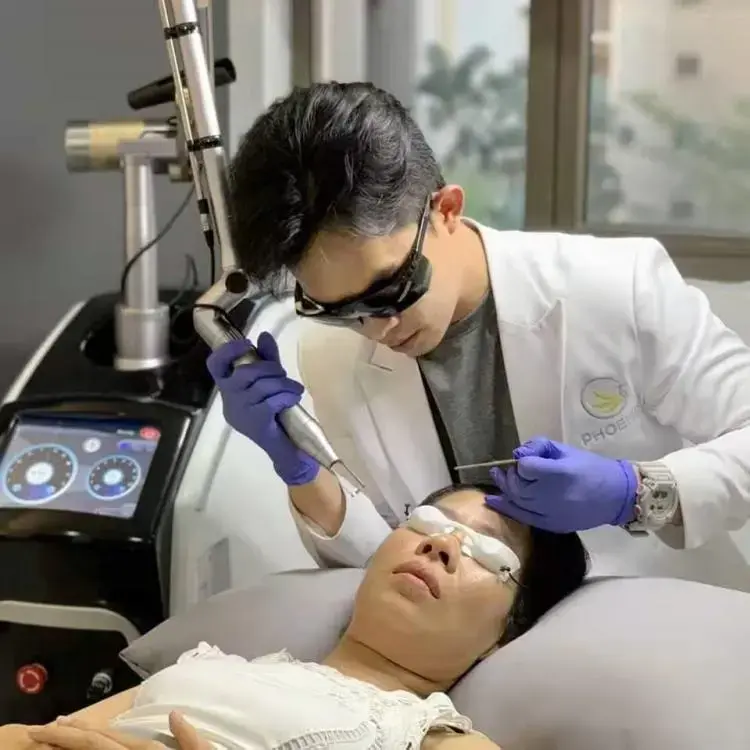
The q switched nd yag laser 532 nm frequency is in the green area that we can see. A lot of this frequency is taken up by melanin and oxyhemoglobin. It works really well to get rid of freckles, sunspots, and lentigines that are on the top of the skin because it only absorbs certain colors. The 532 nm beam targets the top layers of skin, which is where a lot of typical skin problems are found. This is not the same as infrared rays, which reach deeper into the skin.
Hemoglobin can also be taken at this frequency, which means that vascular problems like spider veins and swelling can be treated. When you can use the same energy to target both pigment and artery systems, it gives you more options in the clinic. The energy level can be changed from 50 mJ to 1000 mJ, and the spots can be 2 mm to 10 mm in size. This lets them treat each patient and disease in a way that is best for them. Because it is flexible, it is possible to make treatment plans that are best and most successful for all skin types and conditions.
Comparing ND: YAG Q-Switched Laser 532 nm with Other Laser Technologies
532 nm vs 1064 nm Wavelength
1064 nm is another wavelength that Q-Switched ND: YAG Lasers often give off. This wavelength hits darker colors like blue and black tattoo ink because it goes deeper into the skin. It is safer for people with darker skin because melanin in the epidermis doesn't soak up this much infrared light. A lot of the time, clinics use methods that use both bands together to treat a wider range of tattoos and color types. The 532 nm wavelength works best on spots on the skin's surface and warm tattoo colors like red, orange, and yellow. The 1064 nm wavelength, on the other hand, works best for deep coloring of the skin and dark inks.
Putting these bands together in one device makes treatments more flexible and lets places do full services for getting rid of tattoos and fixing coloring. Professionals can switch between systems with both bands while working on the same project. This makes things better for tough cases with mixed-depth coloring or lots of different ink colors.
Q-Switched vs Picosecond Lasers
Picosecond lasers use even shorter wavelengths, usually between 350 and 750 picoseconds. This should make them more accurate and protect against heat damage better. On the other hand, Q-switched nanosecond lasers are still very good, and most small hospitals and beauty shops can afford to buy them. For many everyday jobs, there might not be a big difference in how well high-quality Q-switched systems and picosecond devices work. If a company needs to find a good mix between cost and scientific results, Q-switched technology is a good choice.
Teams in charge of buying things should compare these technologies based on their price-to-performance rates, treatment goals, and patient data. It has been shown that Q-switched lasers work better and are more effective in the lab. Also, they need less money to start. On the other hand, high-end businesses that want to show off their cutting-edge technology might be interested in picosecond devices. Each method works best when it is used by trained professionals on the right people.
Beauty Applications and Clinical Advantages of ND: YAG Q-Switched Laser 532 nm
Multicolor Tattoo Removal
One of the hardest things that a beauty laser can do is get rid of tattoos. When it comes to tattoo paints, the 532 nm light can cut through red, orange, yellow, and warm-toned ones. The 532 nm wavelength and the 1064 nm wavelength are often used together to get rid of scars that are more than one color. A photoacoustic blast is made by the nanosecond wave. The ink particles are broken up into very small pieces that macrophages can naturally break down and get rid of.
The body has enough time between treatments—about two months—to get rid of broken pigment before the next one with q switched nd yag laser 532 nm. A lot of tattoos need more than one session to heal. Professional ink needs more sessions than starting ink because the color goes deeper and is thicker. If you want to keep things safe and efficient, you should pick the right energy and change the spot size. This is very important for people with darker skin or scars that are close to sensitive areas of the body.
Pigmentation Correction and Skin Rejuvenation
Aside from getting rid of tattoos, the 532 nm laser can also help with other skin problems that make people feel bad about their looks and self-esteem. You can get rid of age spots, freckles, café-au-lait spots, and redness from inflammation with a custom laser treatment. The laser's selective photothermolysis idea makes sure that the energy is mostly absorbed by cells that are a certain color. This keeps the healthy tissue around the wound safe and speeds up the healing process.
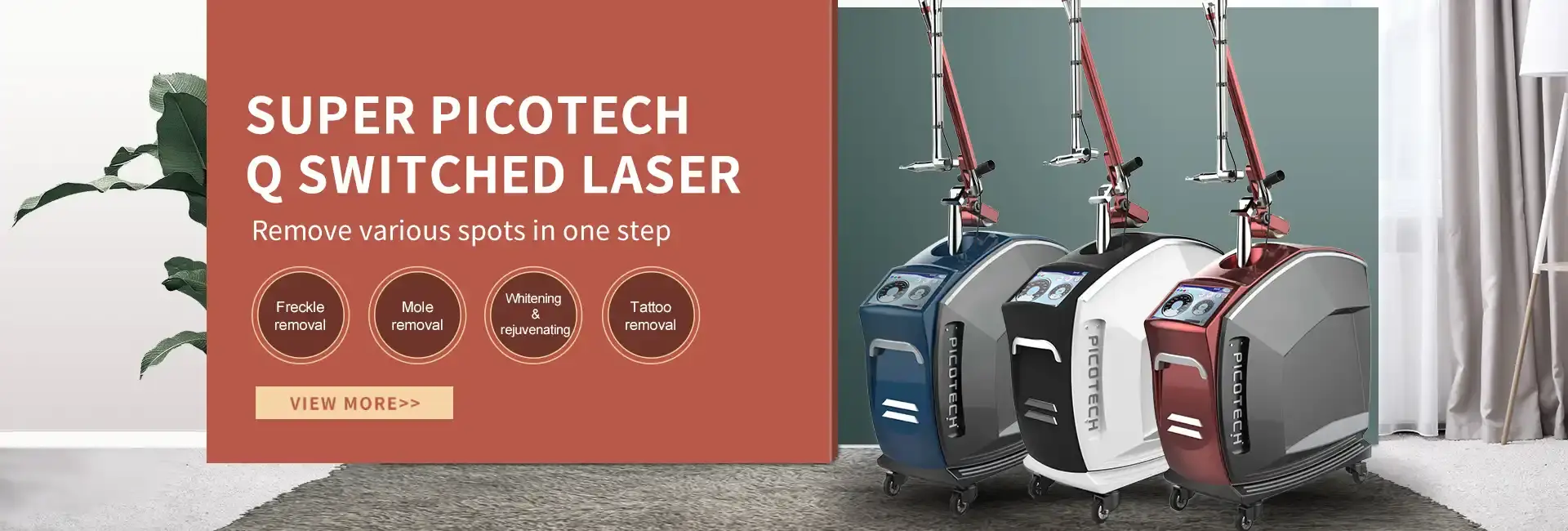
Just recently, laser toning techniques for treating melasma were added to the list of health benefits. When sub-threshold fluences with bigger spot sizes are used, melasma spots can be lightened gently without causing inflammatory reactions that make the disease worse. This method is an effective way to treat this very hard pigmentation disease, but it needs special training and careful parameter selection. Carbon cream and a laser are used together in the Hollywood Peel skin renewal treatment to clean out pores, make the skin less oily, and make it look better overall through controlled exfoliation.
Procurement Considerations for Q-Switched ND: YAG Lasers 532 nm—A B2B Buyer's Guide
Evaluating Technical Specifications
When buying Q-Switched ND: YAG Laser systems, people in charge of procurement have to think about a lot of technical details. These things have a direct impact on how well the device works in the office and how reliable it is to use. Still, the pulse length is very important, and 6-nanosecond bursts work well for breaking up photoacoustic pigment. The energy output range (50–1000 mJ for 532 nm) should be able to handle a range of treatment plans, from light coloring to heavy removal of pigment.
The working frequency, which is usually between 1 and 10 Hz, affects how fast the treatment goes and how well the user does their job. Big areas can be treated faster when the return rate is high, which boosts productivity and makes patients happy. You can change the spot size from 2 mm to 10 mm, so you can treat both small, precise tumors and larger colored areas. Using both air and water to cool things keeps performance fixed during long treatment sessions and increases part life by keeping optical elements from being stressed by heat.
Supplier Selection and Quality Assurance
You can be sure that you will get better service after the sale if you buy from a well-known company whose factories have been checked out and come with foreign qualifications. Xi'an Taibo Laser Beauty Company is a great example of the steadiness and skill that buying teams should look for. They have been making things for over 15 years and have sent them to more than 180 countries. If you can, going to a workplace is a great way to learn about how things are made, how to check for quality, and how to do technical things.
People who want to use laser tools for work must get the right license. If something has the CE mark, it means it meets safety and environmental standards in Europe. If something is certified by ISO 13485, it means that it follows quality control methods for medical devices. People who buy these things know that they meet strict foreign standards because they have these certifications. They also lower the legal risks that come with bringing tools into the country. Several test results and continued attempts to get FDA certification show that a producer is always working to improve quality and get more goods into new markets.
Operating Best Practices and Safety Protocols for Q-Switched ND: YAG Laser 532 nm
Pre-Treatment Assessment and Parameter Selection
Before starting a successful laser treatment, the patient must be fully evaluated. This includes using the Fitzpatrick scale to find out their skin type, looking at the lesions and their medical background, and finding out what kind of skin they have. Around 532 nm, people with darker skin should be extra careful because it soaks up a lot of melanin. It's more likely that this will lead to hypopigmentation or post-inflammatory hyperpigmentation. Test spots on parts of the body that won't be seen help find the right amount of energy and figure out how the treatment will work before the full sessions start.
You should pick factors that are a good mix of those that work well and are safe. If you start with low amounts of energy and slowly increase them based on how the cells respond, you can get the results you want without worrying about bad things happening. What size spot to use depends on how big and deep the tumor is. Smaller spots focus on coloring that is tough to get rid of, while bigger spots quickly and effectively cover large areas. It is possible to change the pulse frequency to reach different medical goals. It is easier to exactly target small tumors when the rate is slower, but it is easier to cover bigger areas evenly when the rate is faster.
Safety Equipment and Operator Training
Lasers are only safe if you follow the rules and wear the right safety gear for q switched nd yag laser 532 nm. It's very bad for your eyes to be around 532 nm. The retina could be hurt right away at a minimum ocular danger distance (NOHD) of 1 kilometer. In the treatment room, everyone has to wear safety glasses that are made for that range and have an optical density of more than 6 at 532 nm. Green laser goggles that aren't made for 1064 nm lasers don't block visible green light at all, so they should never be used for green light.
Operators are fully trained in laser science, how the skin works, safety rules, how to treat people, and what to do in an emergency. When you buy something, it's worth a lot more if the company that makes it gives training programs, classes to get certified, and ongoing teaching help. Staff at Taibo Laser Beauty Company are trained thoroughly before they help patients. They do this by giving them detailed instructions, training videos, and one-on-one talks. By spending money on education, you lower the chance of complications, get better care, and make all of your patients happy.
Maintenance and Performance Monitoring
Tech that is fixed on a regular basis works better and lasts longer. Every so often, air and water cooling systems should be checked and cleaned so they keep working at their best. After about 500,000 to 1,000,000 shots, the output efficiency starts to drop, which means it's time to fix the flashlamp. How much of the 532 nm range is made depends on the state of the KTP crystal. Not being able to control the temperature makes the output unstable and the performance goes down.
Setting up rules for paperwork and repair plans helps find speed issues quickly and avoids unplanned downtime. There are a lot of self-diagnosis and tracking spots in new systems that let workers know about problems before they get in the way of good care. It is easier to keep up with maintenance and costs less over the life of the equipment if you buy from companies that make flexible designs and new parts that are easy to find.
Conclusion
The q switched nd yag laser 532 nm can make all the difference for a beauty business that wants to help more people and do better. People often worry about how they look, so this treatment targets skin coloring, warm-colored tattoo inks, and vascular tumors specifically. There is proof that it is safe and works. When people who work in buying look at different pieces of equipment, the most important things for them to consider are the technical specs, any certifications that need to be met, and full support services. Trustworthy technology, helpful customer service, and ongoing training tools that help you get the most out of your investment and improve clinical success are all things that you can be sure of when you work with well-known providers.
FAQ
1. What makes the 532 nm wavelength effective for tattoo removal?
It's clear that the green wavelength can only soak up red, orange, and yellow tattoo ink. It can't do that well with other colors. Light and sound waves from it break up these warm-colored paints into tiny pieces that the body's lymphatic system can remove on its own. You can get rid of all tattoo colors when you mix the wavelengths of 532 nm and 1064 nm. This is because they cover the whole pigment range.
2. Can this laser safely treat darker skin types?
If you want to treat Fitzpatrick skin types IV through VI with the 532 nm range, be very careful because the epidermis soaks up a lot of melanin. People with darker skin need to use a lot less energy, do a lot of test spots, and wait longer between treatments to lower their risk of hypopigmentation. Many doctors say that 1064 nm is better for people with darker skin and 532 nm is better for people with lighter skin or certain conditions.
3. How does pulse duration affect treatment outcomes?
Photoacoustic effects caused by the 6-nanosecond pulse length break up pigment physically without too much heat damage to the skin. If you compare this exact energy transfer to longer pulse systems, it lowers the chance of damage and coloring after inflammation. When waves are shorter, they focus their energy on the time it takes for target chromophores to cool down. This makes selective photothermolysis better and raises the safety profile.
Partner with Taibo for Your Q-Switched ND YAG Laser 532 nm Procurement
If you need beauty tools, Xi'an Taibo Laser Beauty Company can help. They have a lot of experience making q switched nd yag laser 532 nm and can do a lot of OEM customization. We have been in business for 15 years and have an established export network that includes more than 180 countries. This means that our supply lines are stable, our prices are fair, and we can get expert help quickly. If you email susan@taibobeauty.com, you can talk to our buying team about your needs, get full product specs, and look into ways to customize that fit your business goals. We offer full training for operators, a warranty that lasts for two years, and ongoing support to make sure you get the most out of your tools and the best clinical results.
References
1. Anderson, R.R., and Parrish, J.A. (1983). Selective photothermolysis: precise microsurgery by selective absorption of pulsed radiation. Science, 220(4596), 524-527.
2. Chan, H.H., Lam, L.K., Wong, D.S., Kono, T., and Trendell-Smith, N. (2004). Use of 532 nm frequency doubled Nd:YAG laser in the treatment of nevus of Ota. Dermatologic Surgery, 30(2), 149-154.
3. Bernstein, E.F., Schomacker, K.T., Basilavecchio, L.D., Plugis, J.M., and Bhawalkar, J.D. (2012). Treatment of superficial cutaneous pigmented lesions with the 532-nm Nd:YAG laser. Lasers in Surgery and Medicine, 44(1), 37-44.
4. Goldman, M.P., Fitzpatrick, R.E., and Ruiz-Esparza, J. (1993). Treatment of port-wine stains with the flashlamp-pumped pulsed dye laser: A comparative study. Journal of Dermatologic Surgery and Oncology, 19(10), 889-896.
5. Taylor, C.R., and Anderson, R.R. (1994). Ineffective treatment of tattoos with Q-switched lasers. Archives of Dermatology, 130(12), 1521-1527.
6. Levin, M.K., and Ng, E. (2011). Treatment of pigmentary disorders in patients with skin of color with a 755-nm Q-switched alexandrite laser. Dermatologic Surgery, 37(12), 1772-1776.





YOU MAY LIKE