
Tattoo Removal Lasers: Q-Switch Vs. Picosecond
2026-06-04 09:18:57
The choice between Q-Switch and Picosecond lasers for tattoo removal in your clinic or spa affects treatment results, customer happiness, and ROI. A q switch laser tattoo removal machine uses nanosecond pulses (usually 6ns) to break tattoo ink particles at 1064nm, 755nm, and 532nm. Picosecond devices split pigment into smaller particles with less heat damage in 350ps pulses, working quicker. Both systems use selective photothermolysis, but their processes, clinical effects, and costs differ. Understanding these variations helps you choose equipment that fits your client demographics, treatment volume, and budget.
Understanding Tattoo Removal Laser Technologies
How Q-Switch Laser Systems Work
A quality-switching mechanism stores energy in the laser medium and releases it swiftly to create high-intensity pulses in the Q-switched Nd: YAG laser. This method generates peak power to shatter ink particles without heating tissues. Taibo's professional Q-Switch laser tattoo removal machine has a laser generator, articulated arm, innovative cooling system, and intelligent control interface. The gadget offers 2000mj/cm² energy densities in 2mm to 10mm spot sizes, enabling practitioners to tailor treatments to tattoo depth, ink density, and anatomical position.
Explosive photoacoustic impact affects epidermal and dermal pigmentation. Rapid energy absorption from the 6ns pulse expands and breaks tattoo ink pigment particles into tiny fragments that macrophages may digest and remove through the lymphatic system. The same applies to professional tattoos with thick ink deposits and amateur tattoos with inconsistent pigment dispersion.
Picosecond Technology Fundamentals
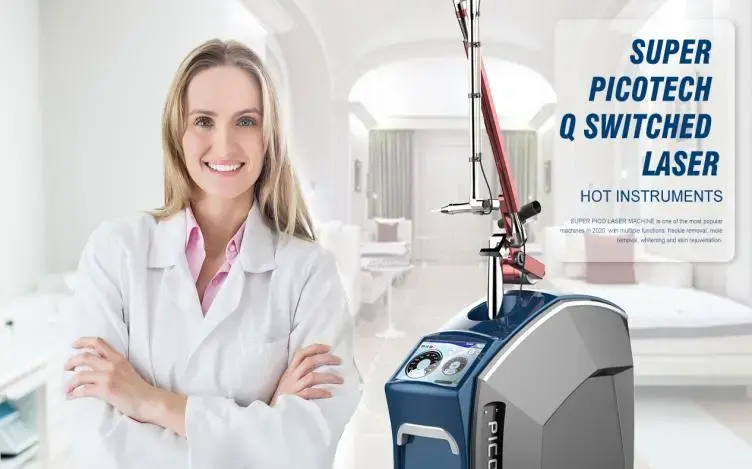
Q-switched systems operate in nanoseconds, yet Picosecond lasers operate at 350 picoseconds. Shorter contact times increase photomechanical impact and reduce heat transport to nearby tissues. The Taibo Picotech method uses seed source amplification to pulverize pigment into dust-like particles a few micrometers in diameter.
Picosecond energy stimulates fibroblast activity in the dermal layer, boosting collagen production and cellular rejuvenation beyond tattoo removal. Many practitioners provide Picosecond ink removal and skin rejuvenation treatments because of its dual-action mechanism. The method works well with multi-colored tattoos, including cyan, green, and purple, which previously needed numerous laser wavelengths or dye-enhanced handpieces.
Q-Switched vs. Picosecond Lasers – Core Comparisons
Treatment Efficiency and Session Requirements
Clinical studies show that Picosecond lasers remove tattoos in 4-6 sessions, while Q switch laser tattoo removal machine systems need 8-12 sessions for identical ink density and coverage area. This efficiency comes from improved photomechanical fragmentation, which reduces particle sizes for immune system absorption. A two-month delay permits macrophage digestion of fragmented ink between treatments, eliminating premature retreatment that might impair findings or exacerbate side effects.
Faster clearance boosts patient throughput and satisfaction. For large or heavily inked tattoos, clients need faster results and less time. Q-switched technology is still effective for conventional black ink cleanup when followed properly. Q-switched devices produce energy at 1-10Hz to meet pain tolerance and treatment area sensitivity.
Patient Comfort and Downtime Considerations
Picosecond lasers create less heat sensation during treatment; pain perception depends on anatomical location, ink depth, and pain thresholds. Most patients describe it as a rubber band snap rather than a severe pain from lengthier pulses. Mild erythema and localized edema decrease within 2-4 hours after treatment, enabling same-day resumption of routine activities.
Q-switched treatments may cause more instantaneous whitening (frosting) due to dermal gas bubble production, which lasts 20–30 minutes. The integrated air and water cooling technology on professional units decreases energy delivery discomfort and recovery time. Proper endpoint determination prevents overtreatment, which can cause textural alterations or protracted healing.
Key Considerations for Procuring Tattoo Removal Machines
Matching Technology to Your Business Model
Cosmetic medical spas and clinics may emphasize Picosecond technology for its marketing attractiveness and skin rejuvenation capabilities, which provide many revenue streams. The ability to promote tattoo removal and anti-aging therapies on one platform enhances equipment use and ROI. Q-switched systems may offer better clinical results at lower costs for ink clearance dermatology treatments.
Treatment volume forecasts guide equipment and capacity planning. Robust cooling systems and ergonomic design provide successive treatments without temperature buildup or operator fatigue in high-volume operations. Professional units' articulated arms provide accurate targeting of anatomically difficult locations while preserving standoff distance and beam perpendicularity.
Evaluating Manufacturer Credentials and Support Infrastructure
Supplier reputation affects equipment dependability, regulatory compliance, and long-term support. Taibo's 15-year production experience and presence in 180 countries establish its medical-grade aesthetic device manufacturing capabilities. The company's R&D, quality assurance, and after-sales service teams provide technical support throughout the equipment's lifespan.
CE certification and ISO 13485 compliance for the Q switch laser tattoo removal machine verify conformity with European medical device directives and worldwide quality management standards. These certifications are audited periodically to ensure devices fulfill strict safety and performance standards. Verify vendors' certifications and legitimacy using issuing body databases.
Operation and Maintenance Best Practices for Laser Machines
Essential Operator Training and Certification
Responsible device usage begins with laser safety training, which covers tissue interactions, protective equipment, and emergency response. Q-switched systems' nominal ocular hazard distance (NOHD) is 1 kilometer, treatment room staff must wear wavelength-specific optical density ratings. Safety and treatment methods are reviewed regularly to guarantee worker competence.
Clinical training includes patient selection, informed consent, test spot technique, and adverse impact identification. Avoid issues and improve patient satisfaction using Fitzpatrick skin typing, tattoo age and composition evaluation, and reasonable outcome expectations. Experience with training modules or guided treatments boosts confidence and technique before solo operation.
Routine Maintenance Protocols
External surface washing, water reservoir inspection, and cooling system performance verification are daily maintenance tasks. Weekly responsibilities include articulated arm joint examination, fiber connector cleaning, and treatment log review to measure accumulating pulse counts toward service intervals. The air and water cooling system needs monthly filter replacement or cleaning to optimize thermal management and avoid component damage.
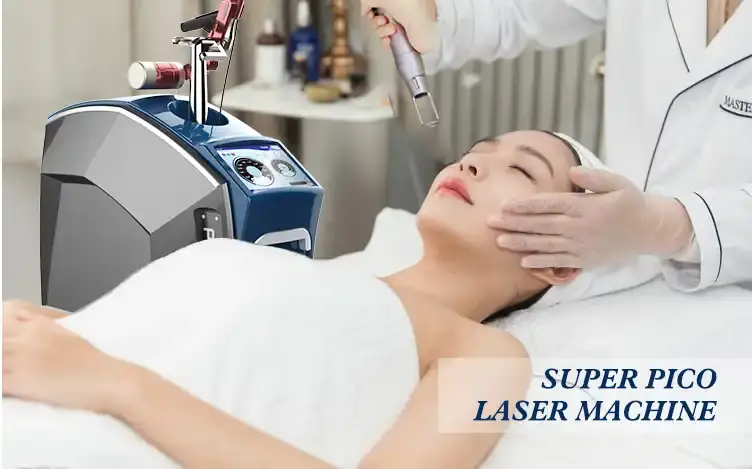
Internal optical alignment, energy calibration, and safety system testing are performed annually by professionals. Taibo's modular design makes component replacement and access easier, saving time and money. Detailing service records helps with regulatory compliance, warranty claims, and equipment valuation.
Future Trends and Innovations in Tattoo Removal Lasers
Advances in Pulse Duration Technology
Nanosecond and attosecond pulses are being studied below picoseconds. Ultra-short contacts may increase mechanical fragmentation while reducing thermal impact. Energy storage, beam distribution, and commercial-scale production provide engineering obstacles to practical application.
Practitioners might customize treatment parameters for certain ink kinds or depths using hybrid systems with different pulse durations. Switching between nanosecond pulses for bulk ink reduction and Picosecond pulses for resistant pigment may speed clearing while preserving safety. This adaptability would benefit clinics with varied patient populations.
Integration of Artificial Intelligence and Smart Targeting
Personalised treatment regimens for a Q switch laser tattoo removal machine might optimise energy levels, spot sizes, and session intervals using machine learning algorithms that analyse treatment histories, ink properties, and skin type data. Real-time skin analysis employing integrated imaging systems may avoid undertreatment and excessive energy exposure by providing treatment endpoint feedback. Taibo Picotech systems with over 30 built-in monitoring stations allow self-inspection, an early form of intelligent quality assurance.
Augmented reality guiding devices might help tattooists keep correct technique, especially for big or geometric designs. Systematic coverage and documentation would benefit from visual overlays of treated regions, energy distribution maps, and estimated clearance progression. These technologies are under development but might improve treatment uniformity and results in a decade.
Market Growth and Strategic Positioning
Growing societal acceptability of cosmetic operations, tattoo regret rates, and technology advances improving safety and efficacy drive the worldwide aesthetic laser industry. This development helps B2B equipment sales, as savvy customers seek reputable suppliers that can handle multi-location operations and develop clinical practices. Research, regulatory compliance, and customer support infrastructure help manufacturers develop.
Equipment vendors can vertically integrate consumables, aftermarket accessories, and training. Software upgrades, protocol libraries, and remote technical assistance subscriptions generate income and build client connections. From transactional equipment sales to continuous relationships, medical and aesthetic B2B industry trends are evident.
Conclusion
Clinical needs, patient demographics, and commercial goals must be considered when choosing Q-switched or Picosecond laser systems. A q switch laser tattoo removal machine offers reliable, affordable, and effective treatment for black ink tattoos across a wide range of skin types. Picosecond technologies provide faster clearance, enhanced effectiveness on multi-colored tattoos, and additional skin rejuvenation benefits. When operated by qualified professionals using a properly maintained q switch laser tattoo removal machine or picosecond system, both technologies can remove tattoos safely and effectively. Successful procurement requires careful evaluation of device specifications, manufacturer reputation, warranty coverage, and long-term support infrastructure to ensure consistent clinical performance throughout the equipment's service life.
FAQ
1. How many treatment sessions are typically required for complete tattoo removal?
Depending on ink depth, density, color composition, and immune system performance, Picosecond or Q-switched systems need 4-6 or 8-12 sessions to clear. Professional tattoos with deeper pigment deposits clear more slowly than amateur tattoos with shallow ink application. Two months between treatments is required for immunological processing of fragmented ink particles.
2. Can these lasers safely treat all skin types, including darker complexions?
The 1064nm wavelength on Q-switched and Picosecond devices securely penetrates epidermal melanin to target dermal ink on darker skin types (Fitzpatrick IV-VI). Darker skin is more susceptible to pigmentary changes from shorter wavelengths like 532nm, hence conservative energy settings and monitoring are needed. Test spots determine individual reaction before complete treatment.
3. What maintenance is required to keep laser equipment functioning properly?
Daily cleaning, weekly cooling system inspections, and monthly filter maintenance prolong gadget life. Annual professional service includes optical calibration, energy verification, and safety system testing. The main cooling system consumable after distilled water is the xenon bulb, which has to be replaced every 1-3 million pulses, depending on use.
Partner With Taibo for Your Tattoo Removal Equipment Needs
We understand the laser technology investment issues that aesthetic practices confront. Taibo, a 15-year-old Q switch laser tattoo removal machine manufacturer, offers reliable equipment and extensive service. Our Q-switched systems provide 2000mj/cm² energy across three wavelengths (1064nm, 755nm, 532nm), while our Picotech platform offers 350ps pulse duration for better clearing. These platforms fulfill worldwide safety standards your clients demand with CE and ISO 13485 certification.
Beyond equipment delivery, we offer a two-year warranty, 24-hour technical support, extensive training, and OEM customization. We customize tattoo removal procedures to meet clinical needs and budgets. Discuss your needs, product demonstrations, and bulk pricing with susan@taibobeauty.com. We'll help you succeed with proven technology and responsive cooperation.
References
1. Anderson, R.R., & Parrish, J.A. (1983). Selective photothermolysis: precise microsurgery by selective absorption of pulsed radiation. Science, 220(4596), 524-527.
2. Bernstein, E.F. (2016). Laser treatment of tattoos. Clinics in Dermatology, 24(1), 43-55.
3. Kossida, T., Rigopoulos, D., Katsambas, A., & Anderson, R.R. (2012). Optimal tattoo removal in a single laser session based on the method of repeated exposures. Journal of the American Academy of Dermatology, 66(2), 271-277.
4. Ross, V., Naseef, G., Lin, G., Kelly, M., Michaud, N., Flotte, T.J., & Anderson, R.R. (1998). Comparison of responses of tattoos to picosecond and nanosecond Q-switched neodymium: YAG lasers. Archives of Dermatology, 134(2), 167-171.
5. Sardana, K., Ranjan, R., & Ghunawat, S. (2015). Optimising laser tattoo removal. Journal of Cutaneous and Aesthetic Surgery, 8(1), 16-24.
6. Weiss, E.T., Brauer, J.A., & Anolik, R. (2013). 1064 nm Q-switched neodymium-doped yttrium aluminum garnet laser for the treatment of Nevus of Ota: a systematic review. Dermatologic Surgery, 39(2), 171-178.





YOU MAY LIKE