
Q-Switched Laser Tatto Removal: The Essential Facts for Safe and Effective Tattoo Fading
2026-06-04 09:18:55
Tattoo regret is growing as aesthetic tastes change, generating demand for sophisticated removal technology in medical spas, dermatological clinics, and wellness centers. A revolutionary method, the q switch laser tattoo removal machine uses nanosecond pulse technology to dissolve ink particles without damaging surrounding tissue. The FDA-approved selective photothermolysis method targets pigment chromophores with ultra-short energy bursts while sparing epidermis. Clinic owners and procurement experts may make educated investment decisions that balance clinical efficacy, patient safety, and operational economics by understanding these nine crucial facts.
Understanding How Q-Switched Laser Tattoo Removal Works
The technology underlying Nd: YAG lasers involves accurate wavelength delivery and energy management. These devices flash high-intensity light in billionths of a second, causing photoacoustic pressure that breaks ink molecules into minuscule particles that the lymphatic system naturally removes.
The Principle of Selective Photothermolysis
Modern Q-switched technology uses wavelength-specific absorption. The 532nm frequency-doubled output targets red, orange, and yellow inks near the surface, while the 1064nm wavelength targets black and blue pigments deeper in the dermis. A 755nm alexandrite option makes green and cyan tones versatile. With 6ns pulse duration, multi-wavelength capacity, and customizable spot sizes between 2-10mm, practitioners may adapt treatments based on tattoo depth, ink density, and patient skin type.
A seven-joint articulated arm transmits powerful optical energy from the Nd: YAG crystal with little power loss. Q-switched systems, unlike continuous-wave lasers, create 2000mJ/cm² peak power densities, fragmenting pigment by mechanical shockwaves instead of harmful heat. This differentiation significantly decreases scarring and post-inflammatory hyperpigmentation, especially for darker skin tones.
Safety Standards and Side Effect Management
Clinicians must use laser-specific eyewear and maintain a 1km minimal ocular danger distance when operating a q switch laser tattoo removal machine. The air and water cooling system avoids device and patient overheating during repeated pulses up to 10Hz, extending device life and comfort. If pre- and post-treatment skin examinations and protocols are followed, erythema, edema, and light localized bleeding disappear within days. Eight to twelve weeks between sessions enables metabolic clearance of broken particles, reducing inflammation.
Key Benefits of Using Q-Switched Laser Tattoo Removal Machines
Nanosecond laser technology improves treatment results and streamlines procedures, giving clinics an edge. These systems reliably produce results across varied patient populations with minimum downtime to encourage client cooperation.
Clinical Efficacy Across Ink Colors and Skin Types
Quality Q-switched devices can handle intricate multi-color tattoos for amateurs and pros. The triple-wavelength design targets refractory pigments, and the 1064nm output safely treats Fitzpatrick skin types IV–VI without hypopigmentation. Carbon-based black inks take four to eight sessions, while brighter colors may need more, depending on ink composition and dermal depth.
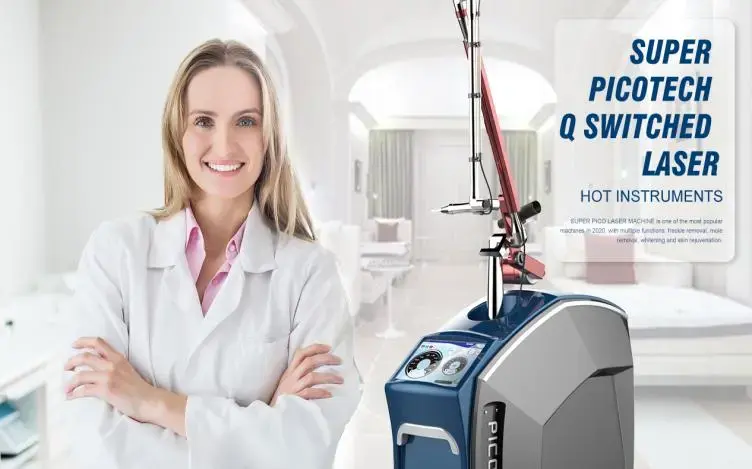
The non-invasive nature of therapies keeps patient satisfaction high. Most customers resume regular activities after the treatment with only moderate sunburn-like redness. This convenience boosts appointment adherence and clinic reputations through good word-of-mouth referrals.
Operational Efficiency and Return on Investment
Beyond therapeutic benefits, these devices enhance workflow with 15–20-minute treatment durations. Over thirty diagnostic points are regularly monitored by the integrated self-inspection feature, alerting operators to possible errors before they influence performance. The predictive maintenance method reduces unplanned downtime that interrupts scheduling and profitability.
Maintenance is minimal due to sealed optical pathways and modular component architecture, which simplifies repairs. Before replacement, the xenon bulb provides one to three million pulses, depending on use. High-margin tattoo removal services that complement existing treatment menus let clinics reach favorable ROI estimates within 12–18 months with extensive two-year warranties on materials and labor.
Choosing the Best Q-Switched Laser Tattoo Removal Machine for Your Clinic
Compare technical specs to clinical demands and budget while choosing laser technology. Understanding wavelength flexibility, energy output consistency, and long-term support infrastructure helps procurement teams compare solutions.
Critical Technical Specifications
Wavelength flexibility is essential for varied patient demands. A single platform with 532nm, 755nm, and 1064nm choices provides full coverage without numerous machine acquisitions. Output changes of over 5% between pulses cause inconsistent outcomes and increased adverse event risks. Top manufacturers use active Q-switching with electro-optical modulators instead of passive dye filters to generate nanosecond pulses.
Beam profile quality impacts treatment uniformity in a q switch laser tattoo removal machine. Top-hat energy distribution prevents center hotspots that modify texture or peripheral weak zones that under-treat edges by distributing fluence over the spot diameter. Manufacturing CCD beam profiler verification validates this essential performance attribute.
Comparing Q-Switched to Picosecond Technologies
Picosecond lasers with 350ps pulse widths are newer, yet nanosecond Q-switched systems continue to provide great clinical results at reduced acquisition costs. Budget-conscious clinics frequently believe 6ns pulse technology offers the best efficacy and cost, especially when treating mostly black and dark-blue tattoos in various patient demographics. Resistant brilliant colors and faster treatment times enhance picosecond benefits, justifying a premium price for high-volume, quick-clearing marketing.
Best Practices and Safety Guidelines for Operating Q-Switched Laser Machines
Safe, effective treatments require operator experience and defined protocols, not just new technology. Clinics with thorough training and rigorous patient evaluation methods attract referrals and retain patients.
Pre-Treatment Assessment Protocols
Thorough consultations begin with medical history screening for photosensitivity, immunosuppression, current infections, and healing-affecting drugs. The Fitzpatrick scale determines wavelength and fluence for each skin type. Tattoo age, ink density, color composition, and depth affect realistic session numbers and fading durations.
Test locations on initial visits allow for unique healing responses before complete treatments. This cautious technique identifies individuals at risk of hypertrophic scarring or extended erythema, allowing protocol changes to avoid problems. Photographic records at each visit enable objective progress monitoring and medicolegal protection.
Optimized Treatment Parameters and Post-Care
Energy settings should be modest, especially for darker skin, and gradually increased when tissue response tolerability is verified. Smaller areas penetrate difficult ink better, whereas bigger diameters enhance efficiency throughout lengthy tattoos. Overlapping passes by 20% ensures comprehensive coverage without tissue harm.
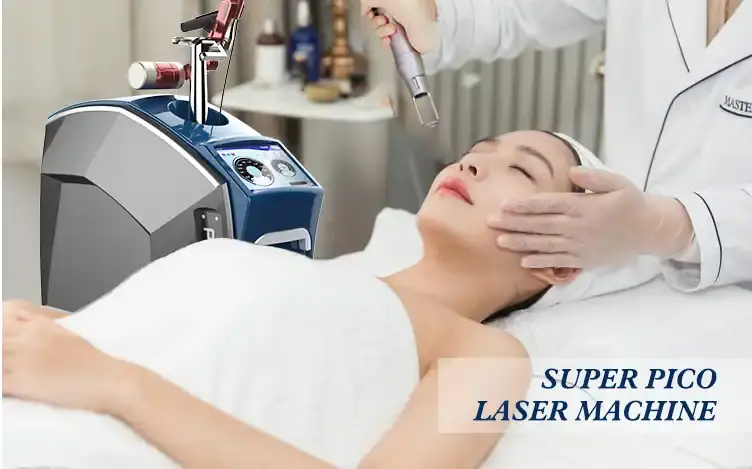
Post-treatment instructions include gentle washing, antibiotic ointment for 72 hours, and sun avoidance throughout recovery. Applying an ice pack after a workout decreases pain and swelling. To minimize scarring and pigment change, patients should not pick at scabs or impede healing.
Procurement Considerations: Buying, Warranty, and Support for Q-Switched Laser Machines
Strategic equipment purchasing considers the total cost of ownership, financing flexibility, and long-term vendor relationships. Good procurement decisions safeguard capital investments and maintain operational capacity.
Cost Analysis and Financing Options
Q-switched systems start at $8,000 to $15,000, while premium articulated-arm setups with additional features cost $25,000 to $40,000. When estimating profitability, B2B purchasers should include consumables, maintenance, and financing costs in each session. Many manufacturers provide lease or installment payment solutions to maintain operating capital for service line launches, marketing, and personnel.
Multi-location practices and distributors seeking goods for resale networks benefit from bulk purchasing reductions. Volume purchasers buying three or more units frequently get 10–15% price cuts, extended warranties, and free training.
Warranty Coverage and Service Agreements
Standard two-year parts-and-labor warranties for q switch laser tattoo removal machine cover manufacturer faults and premature component breakdowns. Buyers should clarify consumable restrictions, replacement part shipping charges, and on-site vs. depot repair choices. Extended warranties or yearly service contracts reduce revenue-impacting downtime by providing predictable budgeting and priority technical assistance.
Assessing manufacturer service infrastructure is crucial—regional parts distribution, multilingual technical assistance, and extensive video training libraries enable fast problem resolution. Taibo Laser's modular component architecture and 24-hour assistance provide easy troubleshooting and field-replaceable part installation without downtime.
Logistics and Installation Support
International purchase entails customs paperwork, import taxes, and shipment procedures. Reliable providers give CE certification, ISO 13485 compliance documentation, and origin certifications to simplify clearance. Aluminum boxes with bespoke foam inserts safeguard transit, and manufacturer collaborations with recognized freight forwarders simplify delivery.
Professional installation checks setup, calibrates energy production, and trains operators. This initial investment eliminates user mistakes that might impact safety or performance during vital early operating stages when staff gain confidence and competency.
Conclusion
A mature, clinically established technology, the q switch laser tattoo removal machine continues to offer excellent outcomes for varied patient populations. Understanding the nine critical factors above—from photoacoustic pigment fragmentation processes to procurement best practices—enables aesthetic firms to confidently offer this revenue-generating service. Clinics position themselves for clinical quality and sustained profitability by prioritizing technical criteria like triple-wavelength capability, consistent energy production, and complete manufacturer support. Strategic equipment investments and operator skill provide tattoo removal companies an edge in a growing sector.
FAQ
1. How many treatment sessions does complete tattoo removal typically require?
Professional tattoos often take six to ten sessions to clear, depending on ink composition, color variety, tattoo age, and immune system effectiveness. Lighter ink concentration amateur tattoos may dissolve in four to six sessions. Eight to twelve weeks between sessions allows metabolic clearance of broken particles and tissue healing.
2. Can Q-switched lasers treat all tattoo colors equally?
Triple-wavelength methods remove 95% of tattoo pigments. Black and blue inks work best at 1064nm, red and orange at 532nm, and green and cyan at 755nm. All laser technologies struggle with bright yellow and white pigments due to poor chromophore absorption at accessible wavelengths.
3. What qualifications do operators need to perform treatments safely?
Laser safety officer certification, device-specific training, and physician monitoring for non-medical practitioners are usual requirements. For license maintenance, several areas require documented training hours, competence exams, and continuous education. Clinics should verify local laws and keep full training records.
Partner with TB for Superior Tattoo Removal Solutions
With 15 years of technical expertise, TB (Taibo Laser Beauty) is a trusted q switch laser tattoo removal machine manufacturer servicing 180 countries. Our CE-certified and ISO 13485-compliant systems use precise German optical components, military-grade Q-switching, and seven-joint articulated arms to output 2000mJ of energy. For distributors creating regional market presence, we provide two-year warranties, 24-hour multilingual technical support, and customizable OEM branding choices. Our production plant has quality control, R&D, and after-sales teams to ensure every item fulfills performance criteria before shipping in aluminum cases. Contact Susan at susan@taibobeauty.com to see how our q switch laser tattoo removal machine provider can increase your aesthetic service options with dependable, lucrative technology and responsive relationship commitment.
References
1. Anderson, R.R., and Parrish, J.A. (1983). "Selective Photothermolysis: Precise Microsurgery by Selective Absorption of Pulsed Radiation." Science, 220(4596), 524-527.
2. Bernstein, E.F. (2007). "Laser Treatment of Tattoos." Clinics in Dermatology, 25(4), 434-444.
3. Kirby, W., Desai, A., Desai, T., and Kartono, F. (2013). "The Kirby-Desai Scale: A Proposed Scale to Assess Tattoo-Removal Treatments." Journal of Clinical and Aesthetic Dermatology, 6(7), 32-37.
4. Sardana, K., and Garg, V.K. (2014). "Laser Treatment for Tattoo Removal." Journal of Cutaneous and Aesthetic Surgery, 7(3), 169-174.
5. Srivastava, D., and Singh, A. (2019). "Q-Switched Lasers in Dermatology: Current Concepts and Practice." Journal of Cutaneous and Aesthetic Surgery, 12(2), 65-72.
6. Weiss, E.T., Geronemus, R.G., and Brightman, L.A. (2011). "Laser Tattoo Removal: An Update." American Journal of Clinical Dermatology, 12(1), 23-37.





YOU MAY LIKE