
SHR Laser Hair Removal Explained: How It Works and How It Compares to IPL
2026-07-08 09:07:10
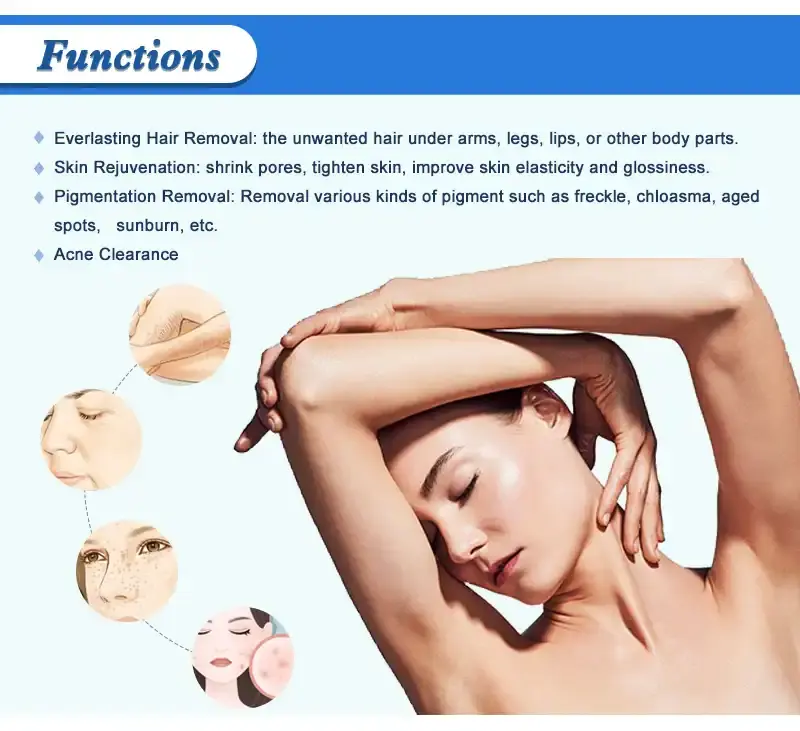
The beauty business is always changing, and hair removal technology is at the heart of this change. You may have heard of "SHR" if you run a spa, dermatology center, or beauty salon in the United States and been curious about how it differs from more standard ways. A SHR Hair Removal Machine is a big step forward. It uses Super Hair Removal technology, which heats hair cells slowly by sending out low-energy pulses at high repeat rates. This method provides effective, almost painless treatments for all skin types, solving long-standing problems in the industry like clients being uncomfortable and treatments not working well for darker skin tones. SHR devices work differently than regular intense pulsed light systems, which use short bursts of high energy. Instead, they use slow, continuous heating to hurt hair follicles while saving the tissue around them. This complete guide looks at how SHR technology works, compares it to other IPL options in a structured way, and gives useful information for making B2B purchasing choices.
Understanding SHR Hair Removal Technology
The Super Hair Removal technology has changed the way that beauty companies do permanent hair removal. "In-Motion" is the name of the method that SHR devices use instead of harsh single waves that can be very painful. For this method, the handpiece is moved over the area being treated while sending out short, high-frequency waves that range from 1 to 10 Hz.
The Science Behind Cumulative Heating
The main thing that sets SHR apart from past methods is the buildup of heat. Traditional lasers use strong energy waves to target melanin, which quickly destroys hair follicles and shafts. SHR technology goes in a different direction by slowly raising the temperature of the skin to between 45 and 50 degrees Celsius. The high amount of heat that stays on for a long time hurts stem cells in the hair bulb and papilla without making clients feel pain like older equipment does. The slow method lowers the chance of epidermal burns by a large amount. This is especially important when treating people with higher Fitzpatrick skin types (IV and V) or tanned skin.
Clinical Benefits for Your Practice
Using SHR technology in your building gives you real practical benefits. Traditional IPL treatments for big areas like backs or full legs take 45 minutes, but SHR devices only take 15 minutes. This directly raises your hourly wage potential. Client satisfaction goes up because the experience is almost painless, which encourages return trips and good word-of-mouth. This also means that you can treat people of all skin tones, so you can get more clients all year long instead of just treating people who aren't brown during certain seasons.
Technical Specifications That Matter
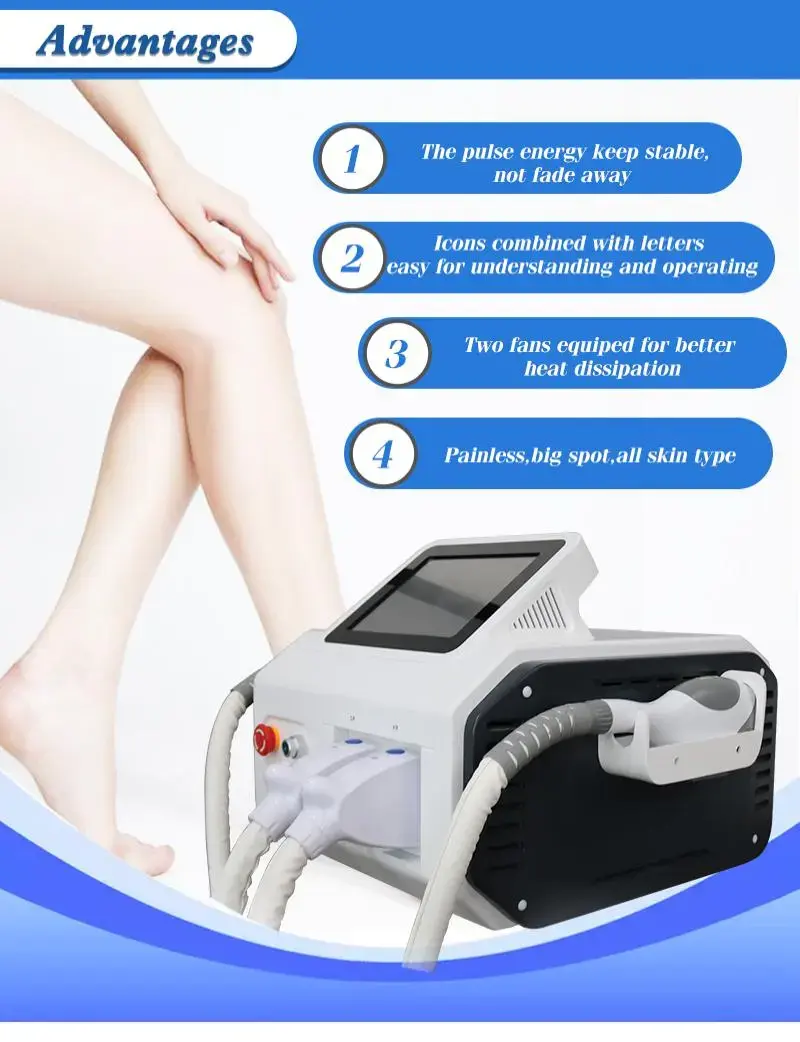
Professional-grade SHR systems have certain technical features that make sure they are safe and work well. Handpiece temperatures stay between -5°C and 5°C while they are being used thanks to advanced cooling systems that usually combine sapphire TEC cooling with water movement systems. The constant cooling saves the skin, and the heating that builds up attacks the inner follicular structures. High-quality units filter wavelengths between 640nm and 950nm, carefully avoiding water absorption peaks that would heat the surface too much. The strong power source, which often goes over 2000W, keeps delivering energy consistently even during short pulse patterns without losing quality.
SHR vs IPL Hair Removal: A Comprehensive Comparison
Knowing the main differences between SHR and IPL methods helps people make smart choices about what tools to buy. In the broad area of light-based hair removal, both are very different in how they work, how their customers feel, and how well they do in business.
Technology and Energy Delivery
Broad-spectrum xenon flash lights with wavelengths from 430nm to 750nm are used in IPL devices for shr hair removal machine. These wavelengths are filtered to target melanin in hair follicles. These machines use a "stamping" method where the handpiece stays still on each treatment spot to send out a single, high-intensity pulse of energy, usually between 30 and 50 J/cm². This concentrated energy burst destroys hair follicles right away and causes strong pain reactions. SHR devices work in a more refined way, sending out smaller amounts of energy (5–50 J/cm²) in a series of short waves as the handpiece moves over the skin. This type of spread energy builds up heat slowly, reaching the point where hair follicles are damaged without causing the sharp pain that clients don't like.
Client Comfort and Treatment Speed
The difference in how these tools work has a huge effect on how happy clients are and how efficiently the business runs. A lot of the time, IPL treatments hurt like rubber bands snapping against skin. Some clients need cooling cream or decide not to get treatment at all. The gentle warming feeling from SHR makes treatments comfortable enough that most clients can relax during them. This will help your clinic's image and encourage people to stick with their treatments. The differences in speed are also very interesting. SHR treatments cover large areas quickly with a constant gliding motion, while IPL treatments need to cover each spot carefully, which takes more time during the visit.
Skin Type Suitability and Safety Profiles
When used on darker skin, traditional IPL systems can be dangerous because the high-energy waves can't tell the difference between melanin in hair follicles and melanin in the epidermis. This means that burns or discoloration could happen. The lower per-pulse energy and gradual heating method of SHR technology get around this problem, making it safe to treat Fitzpatrick skin types IV and V. This extra ability is especially useful in the diverse U.S. market, where you would have a much harder time finding customers if you could only treat lighter skin types. SHR equipment removes barriers that used to keep out large groups of people from companies that serve multicultural areas.
Cost Analysis and Return on Investment
Professional SHR systems typically cost $8,000–$25,000, comparable to or slightly higher than IPL devices. However, ROI extends beyond purchase price: faster SHR treatment times increase daily client capacity and revenue. Lower consumable use, such as reduced cooling gels, also decreases per-session costs. Maintenance is similar across platforms, with xenon lamps lasting 300,000–1,000,000 shots depending on usage and manufacturer specifications, making long-term efficiency and throughput key profitability factors.
Selecting the Right SHR Hair Removal Machine for Your Business
There are many technical, legal, and business factors that go into procurement choices for a shr hair removal machine, which affect long-term happiness and profits. To make smart choices, you need to know what certifications are needed, check out the manufacturer's records, and match the product's specs to your business's needs.
Essential Certifications and Regulatory Compliance
In the United States, people who work with beauty gadgets must follow certain quality and safety rules. European conformity is shown by CE certification, and commitment to medical device quality control systems is shown by ISO13485 approval. These licenses aren't just paperwork; they're proof of safety tests and controls in the manufacturing process that protect your customers and your business from liability. When reviewing providers, don't just take verbal promises; ask for proof of their current certification status. Legitimate makers are happy to give you copies of their certificates and let you check them with the authorities that issued them.
Evaluating Technical Specifications
It is important to compare specifications because not all SHR systems work the same way. Wavelength range decides how versatile a treatment is. Devices with different filters (640nm, 690nm, 750nm) can be used for more than just hair removal. They can also be used for skin renewal and vascular treatments. Frequency options that can be changed (1-10 Hz) let you make changes based on the size of the treatment area and how sensitive the client is. The size of the spot is very important. Larger treatment windows (15x50mm, for example) make it easier to cover big areas quickly, while smaller spots let you work more precisely on the face. The quality of the cooling system has a direct effect on the comfort and safety of the client. The best way to cool with sapphires and move water around is currently to use both.
Infrastructure for Manufacturer Reliability and Support
The relationship you have with your equipment provider goes far beyond the initial buy. At Xi'an Taibo Laser Beauty Company, we've seen how the level of manufacturer help affects the long-term success of a business. When looking at possible providers, find out how they handle service after the sale. Can they help you with tech issues in your time zone? Do they keep spare parts on hand so they can ship them quickly? What training materials come with buying equipment? Companies that have been doing business internationally for a long time, like our 15-year-old company that exports to more than 180 countries, have support systems that younger or smaller sources can't match. This level of organizational stability means that problems can be fixed faster and there is less downtime when they do happen.
Pricing Strategies and Volume Considerations
Businesses that are growing or owners of multiple locations who are organizing their tools can save a lot of money by buying in bulk. Many manufacturers have tiered pricing systems that let you get big savings when you buy more than one unit, sometimes up to 15-20% less than the price of a single unit. In addition to the cost of the equipment itself, you should also include the cost of foreign shipping, customs taxes, and any installation fees that might come up in your budget. Payment options are also important. Reliable providers accept a range of payment methods, such as bank transfers, credit cards, and payment plans that are paid over time. This makes managing cash flow easier during growth times.
Best Practices for Using SHR Hair Removal Machines
Getting high-tech tools is only the first step. To get the best clinical results and keep clients safe, you also need to follow the right operational practices, do regular upkeep, and make sure your staff is skilled. These factors work together to show if your SHR investment gives you the results you expect.
Establishing Treatment Protocols
Treatments should be spread out so that they coincide with hair growth cycles for the best effects when using a shr hair removal machine. Most people need 6–8 lessons, spaced out 4–6 weeks apart, to get rid of hair effectively on their bodies, though face treatments may need slightly shorter breaks. Before each practice, carefully check the skin to see if there are any problems that could make it unsafe, such as recent sun exposure, active infections, or medicines that make the skin more sensitive to light. Change the energy settings based on the client's skin type, hair color, and treatment history. Starting with low settings will help them feel more comfortable, and as they get used to them, the settings should be slowly raised in later sessions. Make a list of all the treatment factors to make sure they are the same from one session or service to the next.
Equipment Maintenance Requirements
With proper repair, equipment lasts longer and keeps working well. Water cooling systems need to be checked once a month. To keep them working well, only use pure water and avoid chemical buildup that can damage internal parts. Check the handpiece crystals often for cracks or scratches that make it harder for light to pass through. Clean the surfaces that come into touch with clients using solutions suggested by the maker that get rid of product residue without hurting sapphire windows. Keep track of shot numbers to know when to change lamps before customers notice a drop in performance. The proactive maintenance method stops fails in the middle of a treatment, which can hurt your professional image and cause schedule problems.
Staff Training and Certification
Equipment effectiveness depends on properly trained staff with both technical and clinical expertise. Training should cover device operation, parameter selection, complication management, and patient communication to build trust. Many suppliers, including ours, provide initial onboarding training upon purchase. Ongoing refresher courses and advanced technique development help maintain and improve skills. Encouraging operator certification from recognized aesthetic organizations enhances credibility and may also support insurance compliance requirements in certain regions.
Client Communication and Expectation Management
Clear communication keeps people from being unhappy because they had unrealistic standards. Explain that "permanent hair reduction" is a better term than "permanent hair removal" during meetings. Most clients achieve 70–90% hair reduction after finishing the treatment series, and regular maintenance sessions are needed to keep the results. Talk openly about any possible side effects, such as brief redness, minor swelling, or very rare changes in skin color. Clients like it when therapists are honest about how they'll feel during treatment. SHR is much more comfortable than conventional methods, and calling it a "warm massage" sets realistic standards that make people happier when the experience lives up to those expectations.
Future Trends and Innovations in SHR Hair Removal Technology
It's important for businesses in the beauty technology field to keep up with new developments so they can buy tools that will keep them competitive as markets change.
Artificial Intelligence Integration
In the next version of SHR platforms, AI-driven parameter optimization looks at skin type, hair type, and treatment history to suggest the best options automatically. These smart systems lower the chance of human mistake and speed up the time it takes to set up a treatment. Some more modern units already have built-in spectrophotometers that measure melanin concentration and automatically figure out the skin type of the user. This gets rid of the need for subjective judgment. As AI gets better, we can expect predictive analytics that can guess how a treatment will work based on factors unique to each client. This will help doctors have more accurate consultations.
Multifunctional Platform Convergence
More and more, the market wants flexible tools that combine different types of care into a single unit. Modern SHR systems often combine the ability to remove hair with the Nd:YAG laser's ability to treat veins, get rid of tattoos, and even out color. This coming together has huge benefits for businesses. When you buy new equipment, you can use it for more types of treatments, you don't need as much room, and your staff will be trained on a single set of operating systems. Our newest platforms have wavelength choices that range from 430nm to 1320nm. This means that doctors can use just one device to treat hair removal, skin renewal, vascular lesions, and pigmentation problems.
Market Growth Projections
According to research, the market for professional hair removal tools like shr hair removal machine will grow a lot until 2030. This is because more people are becoming open to cosmetic procedures and more places outside of traditional urban centers will be able to get treatments. As traditional views change about getting rid of body hair across all age groups, North American markets are especially strong. At the same time, regulations are changing. For example, the FDA is continuing to tighten its control over safety claims and device classifications, which helps well-known companies with strong quality systems. Businesses that work with approved providers who are ahead of the rules can avoid problems when the government goes after rivals who aren't following the rules.
Conclusion
SHR technology is a big improvement over standard IPL systems because it makes treatments faster and more comfortable for a wider range of clients. The gradual heating process greatly reduces pain while keeping effectiveness, and the ability to work with a wider range of skin types opens up new income possibilities that weren't possible before. When choosing tools, it's best to go with certified makers that have a history of providing good customer service. Also, make sure that the specs match your service menu and that you follow thorough training guidelines. Investing in good SHR systems pays off in the form of happier clients, more efficient operations, and a better place in the market as the beauty industry continues to change due to new technology.
FAQ
1.How often should clients receive SHR treatments?
In order to keep up with the normal growth processes of hair, clients usually get treatments every 4 to 6 weeks for body parts. Treatments for the face may happen every three to four weeks instead of every six weeks. A full set usually includes 6 to 8 rounds, but this can vary from person to person depending on hair density, hormones, and genetics. After the first set is over, results are kept up with maintenance lessons every 6 to 12 months.
2.Can SHR technology safely treat all skin types?
When used properly, SHR systems can easily fit Fitzpatrick skin types I through V. The low-fluence, high-frequency method cuts down on epidermal melanin targeting, which can go wrong with standard IPL on darker skin. But people with very dark skin (Type VI) or skin that has just gotten a tan still need to use careful settings and test patches to make sure they are safe.
3.What distinguishes SHR effectiveness from IPL?
The gradual heating method used by SHR hurts follicles by raising the temperature over time instead of destroying them instantly. Most of the time, this method gets the same or better long-term hair loss results with a lot less pain. How well it works depends a lot on the right method. For best results, you need to keep the flying speed constant and choose the right parameters.
Partner with Taibo Laser for Your SHR Equipment Needs
With more than 15 years of experience making beauty equipment, Xi'an Taibo Laser Beauty Company sells approved, high-performance SHR hair removal machines to businesses in 180 countries. Our systems have high-tech features like speeds that can be changed up to 10 Hz, range coverage from 430nm to 1320nm, a strong 2000W power output, and advanced sapphire TEC plus water cooling to make clients as comfortable as possible. Each unit is certified by CE and ISO13485, which means it meets international safety standards.We have been making SHR hair removal machines for a long time, so we know how hard it can be for businesses to buy things in bulk. That's why we offer unique solutions like low volume pricing, full OEM/ODM customization services, and technical help in your time zone. Our professional after-sales team offers thorough training materials, quick replacement of parts, and quick debugging to keep operations running smoothly. We offer a variety of payment choices and keep our foreign shipping logistics running smoothly to make sure you get your package on time.If you're opening a new aesthetics business or growing a current one, our experts will work with you to find the right equipment configurations for your target clients and treatment goals. Get in touch with susan@taibobeauty.com right away to talk about your needs, get full specs, or set up equipment demonstrations. Let us help you improve your services by giving you tried-and-true technology and the best support in the business.
References
1. Anderson, R.R. and Parrish, J.A. "Selective Photothermolysis: Precise Microsurgery by Selective Absorption of Pulsed Radiation." Science, vol. 220, no. 4596, 1983, pp. 524-527.
2. Goldberg, D.J. "Laser Hair Removal: Pearls and Pitfalls." Journal of Cosmetic and Laser Therapy, vol. 19, no. 5, 2017, pp. 303-307.
3. Haedersdal, M., et al. "Evidence-Based Review of Hair Removal Using Lasers and Light Sources." Journal of the European Academy of Dermatology and Venereology, vol. 25, no. 1, 2011, pp. 9-14.
4. Sadick, N.S. and Laughlin, S.A. "Effective Epilation of White and Blond Hair Using Combined Radiofrequency and Optical Energy." Journal of Cosmetic and Laser Therapy, vol. 6, no. 1, 2004, pp. 27-31.
5. Town, G. and Ash, C. "Are Intense Pulsed Light and Laser Units Equivalent?" Journal of Cosmetic and Laser Therapy, vol. 12, no. 6, 2010, pp. 276-285.
6. Rao, K. and Sankar, T.K. "Safety and Efficacy of Hair Removal with Different Wavelengths in Skin Phototypes IV-VI." Indian Journal of Dermatology, Venereology and Leprology, vol. 77, no. 2, 2011, pp. 174-178.





YOU MAY LIKE