
RF Fractional Microneedling Machine: A Buyer’s Guide
2026-08-18 16:08:45
Selecting the right rf fractional microneedling machine can transform your clinic's treatment portfolio and revenue potential. This approach blends classical microneedling with radiofrequency radiation to create controlled hot zones deep in the dermis to stimulate collagen remodeling without substantial superficial damage. These devices use insulated gold-plated needles to provide precise energy, unlike previous ablative lasers that tear whole layers of skin, making treatments safer for varied skin types and lowering downtime. Dermatology clinics, medical spas, and esthetic centers are searching for equipment that offers both clinical effectiveness and operational efficiency. Knowing the capabilities of this hybrid technology allows procurement professionals to make strategic investments that meet both patient expectations and financial objectives.
Understanding RF Fractional Microneedling Technology
How the Technology Works
The overall idea behind this invention is that tiny needles penetrate the skin at variable depths from 0.5mm for superficial textural concerns to 3.5mm for deep dermal remodeling. When the needles reach the desired depth, bipolar radiofrequency energy is delivered between pairs of electrodes, causing controlled heating of the surrounding tissue. This two-sided technique treats skin issues on two levels: the mechanical micro-injuries introduced by needle penetration induce rapid wound-healing responses, while the heat energy denatures old collagen fibers and stimulates neocollagenesis over the following weeks. The insulated needle design prevents the epidermis from heat harm and delivers energy to where collagen formation is most needed.
Clinical Benefits and Treatment Applications
The technology is valued by practitioners for its adaptability across many indications. Skin tightening treatments use RF to cause contraction of septal fibers in the dermis, which produces a lifting effect on the jawline, neck, and around the eyes. Volumetric heating that re-organizes the dermal matrix in conjunction with the mechanical breakdown of fibrotic bands is also helpful for the revision of acne scars, especially for rolling and boxcar scar morphologies. Stretch marks, hyperhidrosis and enlarged pores react well to individually tailored therapy programs. Clinics report great patient satisfaction because of little obvious trauma post-treatment and steady improvements over three to six months as new collagen forms.
Safety Features and Patient Considerations
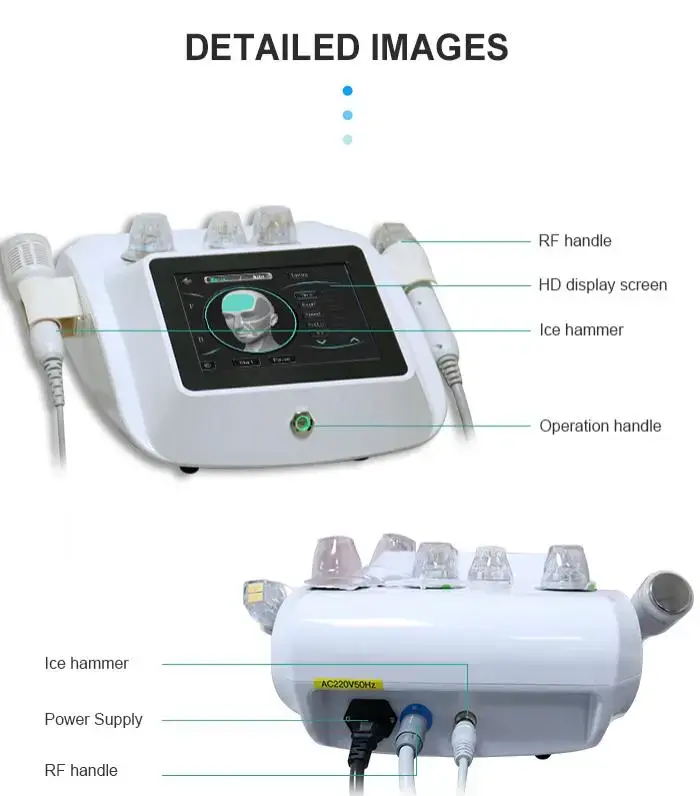
Most modern devices include the functionality to monitor the impedance in real time and adapt the energy supply to the tissue resistance to avoid hotspots and nonuniform heating. The needles are gold plated to prevent skin irritation and increase electrical conductivity over stainless steel counterparts. It offers adjustable depth settings and power outputs from 10W to 200W, allowing practitioners to tailor therapy to particular anatomical zones and skin problems. Ice hammer attachments, integrated cooling systems, help to relieve inflammation and pain right after treatment. These safety precautions allow the use of this technique in Fitzpatrick skin types IV to VI with reduced risk of post-inflammatory hyperpigmentation compared to standard laser resurfacing.
Comparing RF Fractional Microneedling Machines: Insights for Buyers
Advantages Over Traditional Microneedling
Traditional microneedling devices are limited to mechanical stimulation only to stimulate collagen formation, limiting their usefulness for deep skin issues such as extensive scarring or considerable laxity. An rf fractional microneedling machine combines microneedling with radiofrequency energy, improving performance by generating fractional coagulation zones outside of the needle track. Clinical studies show that coupled RF microneedling results in a better improvement in skin elasticity tests and a decrease in scar depth than therapy with needles alone. Each session may induce more remodeling, typically allowing for longer treatment intervals, which translates to better cost-effectiveness per result for clinics and patients.
Performance Comparison with Laser and Chemical Treatments
Procurement managers should evaluate effectiveness, recovery time and patient tolerability while assessing treatment choices. Severe photoaging can be treated very well with CO2 fractional lasers, but, this necessitates seven to ten days of social downtime and there is an increased risk of PIH for darker skin types. Chemical peels may enhance the skin on the surface, but they don’t penetrate to the dermis to address structural problems such as deep wrinkles and scars. RF microneedling straddles a strategic middle ground, providing outcomes equivalent to moderate-depth lasers, but with the safety profile and quicker recovery time of non-ablative therapies. This makes it very attractive to patients who want to see visible results but with out long recovery times.
Evaluating Supplier Reliability and Innovation
In the esthetic device sector, there are established manufacturers with decades of clinical validation and younger entrants with competitive pricing. Procurement specialists should check that suppliers are compliant with regulatory requirements, as shown by CE marking and ISO13485 certification, which are evidence of conformity with medical device quality management standards. The technical specs are quite advantageous: working frequencies close to 2MHz allow for maximum energy absorption in dermal tissue, and the availability of several cartridge choices (10-pin for sensitive periorbital work, 25-pin for face treatments, 64-pin for body applications) increase treatment capacity. The suppliers also provide extensive training programs, prompt technical support and explicit warranty periods – usually one to two years for premium equipment – which decrease operational risks and promote the effective integration of the therapy.
How to Choose the Best RF Fractional Microneedling Machine for Your Business
Assessing Clinical Needs and Treatment Volume
Patient demographics and treatment volume at your institution should dictate your equipment choices. The advantage for high-volume medical spas doing 15-20 treatments per week is the durable equipment with efficient cartridge replacement systems and intuitive interfaces that reduce treatment time. Complex scar revision dermatologic practices demand devices that can provide high power and accurate depth control to successfully treat fibrotic tissue. Smaller wellness centers may choose a device with both invasive needle cartridges and non-invasive nano-needle choices so they may provide a variety of services without the need to acquire several pieces of equipment. Expected patient throughput and revenue per treatment are calculated to estimate proper investment levels and payback periods.
Verifying Certifications and Technical Specifications
Compliance with regulations reduces your responsibility and assures device dependability. CE certification under the Medical Device Regulation ensures compliance with European safety requirements. ISO13485 accreditation guaranties the producer has quality procedures in place to ensure quality throughout manufacturing. Devices intended for the U.S. market must have FDA approval or be the subject of an active FDA application procedure. Beside certifications, consider the technical specifications: the capacity to modify the needle depth to 3.5mm to adapt to different treatment protocols, power levels from 10W to 200W to cater to different intensities, and pulse duration settings from 100ms to 900ms for precise control over the volume of thermal coagulation. Gold plated needle cartridges provide better biocompatibility and conductivity than other materials.
Evaluating Cost and Supplier Support
The cost of the equipment will be greatly affected by the features, brand recognition and extras that come with the purchase. The basic rf fractional microneedling machine units are in the middle range of the investment scale, while the complex systems with several handpieces and superior construction quality are priced more. In addition to the initial purchase cost, you should include the cost of consumables, e.g. replacement of needle cartridges and yearly maintenance needs. Supplier support is a major factor in long-term satisfaction – think about warranty coverage, how quickly they fix technical difficulties, the availability of replacement parts and the amount of training. Clinics may use OEM customisation from manufacturers to create branded lines of therapy, providing commercial difference. Managing your cash flow better when buying equipment may be done by offering financing options or incentives for buying in bulk.
Maximizing Outcomes with RF Fractional Microneedling Machines
Optimizing Treatment Protocols
We need adequate therapy parameters for particular diseases for clinical success. It normally takes 3-4 sessions 4-6 weeks apart to achieve acne scar correction with increased energy levels and deeper needle penetration to breakdown the fibrotic tissue. For anti-aging face rejuvenation, we frequently use moderate settings in three sessions, to stimulate collagen slowly without too much irritation. Customized techniques using body-specific 64-pin cartridges that cover bigger surface areas effectively help neck tightening and stretch mark therapy. Standardized procedures by disease type, skin thickness and patient tolerance enable staff to provide consistent outcomes with safety margins. Discussions in depth provide realistic expectations on when and how therapy will go and improvements happen.
Demonstrating Return on Investment
The smart commercial integration of this technology opens up many sources of income. RF Microneedling Treatments - Premium Pricing RF microneedling treatments are priced more than standard microneedling, often 50-80% more, due to enhanced outcomes and associated investment expenditures. Selling packages for numerous sessions encourages a patient to commit to a series of sessions and provides a more predictable income stream. Cross-selling possibilities naturally occur; patients interested in face rejuvenation typically inquire about neck, décolletage or hand rejuvenation after seeing the first results. Medical spas say that customers who have RF microneedling treatments have greater lifetime values, coming back for maintenance visits and to try other procedures. The payback period, in terms of cost per treatment (including consumables and staffing) vs income per session, is usually six to 12 months in a fairly active clinic.
Strategic Marketing Integration
Effective patient education and commercial positioning are essential for successful technology uptake. "Before and after" photos highlighting incremental changes are wonderful visual proof to use in discussions during consultations and as material for social media. Training professionals to explain the technology’s dual action mechanism in layman’s terms may improve patient trust in the reason for the therapy. By promoting RF microneedling as a premium, cutting-edge scientific treatment, you are able to set your clinic apart from others who provide just basic services. This addresses frequent worries patients have regarding esthetic treatments by highlighting particular advantages including safety for darker skin types, minimum downtime, and gradual natural-looking outcomes. Work with local influencers or provide media demo sessions to raise awareness and position your facility as a regional market innovator leader.
Conclusion
The investment in an RF fractional microneedling machine is a strategic choice and not just the purchase of equipment. This technique tackles the central problem of the esthetic industry: how to get remarkable, enduring effects without the hazards and downtime of severe procedures. Successful adoption calls for thorough supplier assessment, staff training and marketing integration, but the clinical adaptability and patient satisfaction rates justify the investment. Business owners that understand the technological underpinnings, regulatory standards and treatment procedures find themselves in a position to meet the rising demand for sophisticated skin rejuvenation services. The results generated by the synergistic effects of instant mechanical stimulation and deep thermal remodeling are unattainable with single-modality devices. This technology is a crucial element for any clinic to achieve competitive differentiation and sustainable development in a market that is continuously becoming more complex.
FAQ
1. Is RF microneedling safe for all skin types?
The insulated needle design of the technique focuses heat energy in the dermis while preserving the epidermis, thereby decreasing the likelihood of post-inflammatory hyperpigmentation. Clinical validation shows safe usage across Fitzpatrick types I through VI when settings are properly adjusted by practitioners. The first treatments in darker skin types should be cautious in energy levels with progressive increases as tolerance is developed. Real-time impedance monitoring allows quality equipment to automatically adapt energy supply to the tissue properties.
2. What maintenance costs should clinics budget for?
Needle cartridges are the main consumable cost and must be replaced as often as required by the number of treatments and manufacturer recommendations. Most cartridges will last for twenty to thirty treatments before they need to be replaced. Regular service checks keep that calibration accurate and functioning at its best, and tend to cost just a small percentage of the original cost. Facilities that execute a large number of treatments should have handpieces on hand to prevent interrupting service. The operating expenses are low compared to the revenues of therapy.
3. Can manufacturers provide OEM customization?
The majority of established suppliers would accept a large order with a specific color scheme, logos and preferred language for the interface. This feature allows clinics to construct trademark treatment lines or distributors to generate regional brand awareness. Minimum order numbers for customisation vary from maker to manufacturer but generally become financially feasible at volumes over a certain number of units. Custom orders often need an extra few weeks in addition to the regular delivery times.
Partner with TB for Your RF Microneedling Equipment Needs
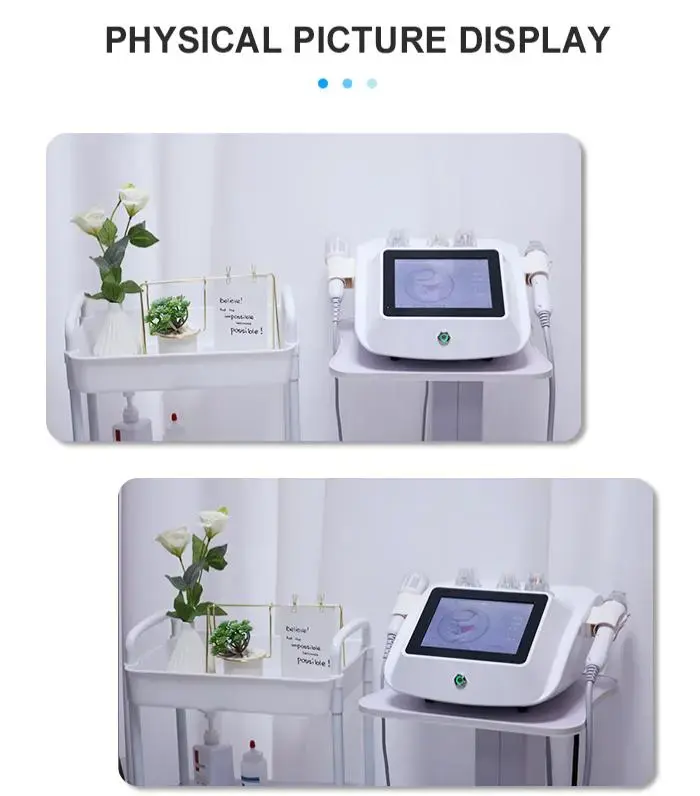
TB has manufactured advanced aesthetic devices for over fifteen years, supporting beauty professionals across 180 countries with reliable, certified equipment. Our rf fractional microneedling machine manufacturer expertise ensures you receive devices featuring precise depth control to 3.5mm, versatile cartridge options (10-pin, 25-pin, 64-pin, and nano-needle configurations), and dual-handle systems including RF and ice hammer attachments. Every device carries CE and ISO13485 certification, backed by comprehensive one-year warranties and responsive technical support from our dedicated after-sales team. Whether you operate a growing medical spa, dermatology clinic, or distribution business, our engineering team provides customized solutions matching your operational requirements and budget parameters. We invite procurement professionals to explore our complete product catalog and discuss bulk purchasing options that support your business growth. Contact susan@taibobeauty.com today to schedule a detailed consultation and discover how our manufacturing capabilities can strengthen your treatment offerings and competitive positioning.
References
1. Gold, M. H., & Biron, J. (2020). Radiofrequency Microneedling: A Comprehensive Review of Clinical Evidence. Journal of Cosmetic Dermatology, 19(8), 1893-1902.
2. Alster, T. S., & Graham, P. M. (2018). Microneedling with Radiofrequency: A New Treatment Paradigm for Acne Scars. Dermatologic Surgery, 44(12), 1515-1523.
3. Bloom, J. D., & Woodward, J. A. (2021). Fractional Radiofrequency Technology in Aesthetic Medicine: Clinical Applications and Safety Considerations. Aesthetic Surgery Journal, 41(6), 673-685.
4. Kwon, H. H., et al. (2019). Comparative Study of Fractional Radiofrequency Microneedling Versus CO2 Laser for Skin Rejuvenation. Lasers in Medical Science, 34(7), 1467-1475.
5. Peterson, J. D., & Goldman, M. P. (2021). Minimally Invasive Skin Tightening Technologies: A Review of Radiofrequency-Based Devices. Dermatologic Clinics, 39(3), 413-425.
6. Zhang, L., & Chen, W. (2022). Evidence-Based Analysis of Radiofrequency Microneedling Devices: Technical Parameters and Clinical Outcomes. International Journal of Aesthetic and Anti-Aging Medicine, 5(2), 89-104.





YOU MAY LIKE