
How to Choose a Reliable HIFU Machine Supplier
2026-08-19 17:55:22
Choosing a reliable source of a HIFU Body Slimming Machine is not only a matter of price comparison but a comprehensive assessment. The proper partner will provide approved equipment with solid after-sales support, clear warranties, and proven clinical performance. Suppliers that understand regulatory compliance, who provide technical training, and who stand behind their gadgets with full service agreements are counted on by spa owners, dermatological clinics, and wellness centers. A trusted vendor will assure uptime, happy customers, and long-term equipment dependability for all treatments, turning your investment into sustainable income.
Understanding the HIFU Body Slimming Machine Market Landscape
High-intensity focused ultrasound-based technology has revolutionised non-invasive fat removal by selectively targeting subcutaneous adipose tissue without harm to adjacent tissues. This method is not like surgical liposuction; instead, it employs targeted heat energy to break down fat cells and, at the same time, stimulate collagen formation. The twin objectives of fat reduction and skin tightening are tackled concurrently.
Core Principles of HIFU Technology
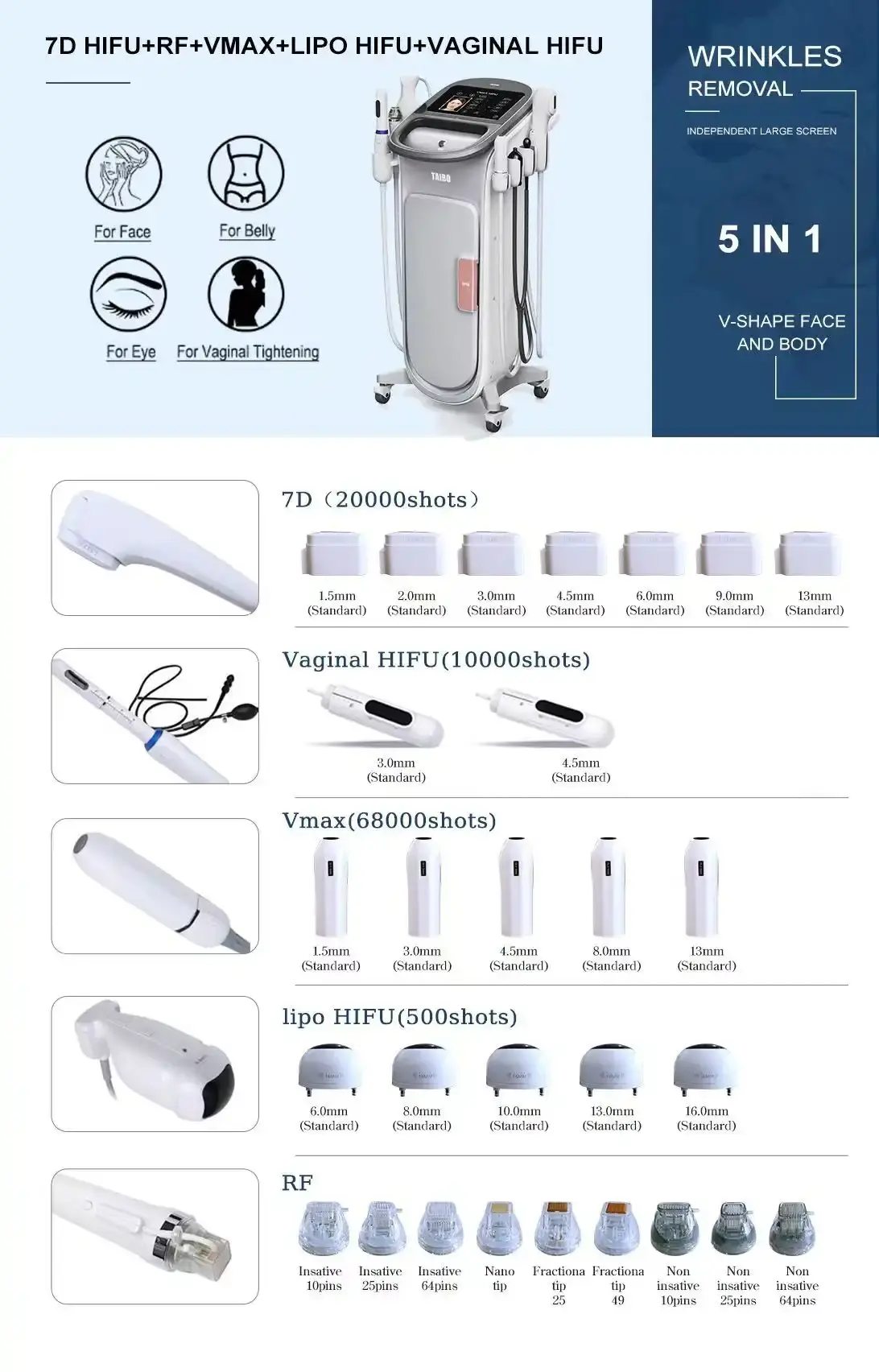
HIFU devices provide concentrated ultrasound radiation to particular depths to create regulated heat zones that induce fat cell demise by coagulative necrosis. The body normally metabolises these injured cells via the lymphatic system over a period of eight to twelve weeks. Treatment depths vary from 6mm for face contouring to 13mm for abdomens, with cartridges designed for varied tissue densities. Today’s systems combine numerous technologies, such as 7D HIFU with radiofrequency microneedling, VMAX protocols, and specialised vaginal tightening features, to provide full treatment options on a single platform.
Current Market Trends and Technology Shifts
The 2026 aesthetic equipment landscape indicates an increased desire for multipurpose platforms that lower the footprint of equipment while improving service offerings. Clinics increasingly choose 5-in-1 systems that can do face lifting, body contouring, wrinkle reduction, and intimate wellness treatments without having to buy separate machines for each one. Buyers are looking for energy efficiency, simple-to-use interfaces with pre-programmed treatment procedures, and longer-lasting cartridges, up to 20,000 shots per unit. The mobile aesthetic practitioners are increasingly adopting portable professional-grade systems. However, the stationary clinic versions still dominate the market with their higher power output and more consistent treatment delivery.
Technology Comparison: HIFU Versus Alternative Modalities
When considering body contouring choices, knowing the mechanics of each body contouring technology helps match equipment with your client demographics and service objectives. Cryolipolysis destroys fat cells with controlled chilling; however, it typically needs additional skin tightening treatments, lengthening the whole treatment period. Radiofrequency devices generally heat tissues and are useful for minor skin laxity, although they lack the same precise depth control as ultrasound. Laser lipolysis is a permanent fat removal process requiring needle insertion, which is quite intrusive. HIFU is unique in that it gives both fat reduction and skin tightening in one treatment, with no downtime, which is very appealing to customers who want all the benefits without the disturbance to their schedules.
Defining Your Procurement Needs and Evaluation Criteria
Strategic equipment procurement starts with internal evaluation, not vendor catalogues. What features you should invest in, and which are just a waste of money, will depend on how many patients you see at your clinic, what kind of treatments you specialise in, and how much income you want to generate.
Clarifying Operational Requirements
First, write out your expected monthly treatment volume and the locations you want to serve. A face rejuvenation facility using a hifu body slimming machine will need different cartridge designs than a medical spa that focuses on body sculpting. Plan your projected treatments each week for the belly, thighs, arms, and face regions to see whether the regular 20,000-shot cartridges will last you long enough, or if you need to have supplier agreements for bulk cartridge purchases. Remember, budget isn’t only the price of the item. Think about delivery, customs fees (if ordering internationally), installation, and training your team. Warranty terms matter a great deal—one-year coverage is the industry norm, but some manufacturers provide longer protection for extra expenses.
Essential Supplier Evaluation Metrics
Supplier credibility is based on certification verification. CE marking indicates conformity with European safety requirements, and ISO 13485 certification indicates compliance with medical device quality management systems. Aesthetic devices don’t need FDA authorisation, but it does give extra peace of mind for purchasers in the U.S. and shows a manufacturer’s adherence to thorough testing standards. Evaluate the supplier’s technical support infrastructure, not just the papers. Does the organization give 24-hour troubleshooting support across time zones? Training materials in video format with detailed examples of operations. Can they send technicians to install on-site and train staff? These services differentiate professional providers from equipment dealers who vanish once the deal is closed.
Total Cost of Ownership Analysis
The sticker price is just part of the picture of your real investment. 3. Consumables: Cost of replacement cartridges, coupling gel, and disposable accessories during a three-year period of use. Take maintenance - certain gadgets must be calibrated or updated every year and have service expenses. Shipment costs vary greatly depending on vendor location and shipment mode. Air freight is far more expensive than ocean freight but reduces delivery windows from weeks to days. Payment terms matter for cash flow; think about suppliers with flexible terms, such as deposit-plus-balance, rather than those that want full prepayment. This detailed financial study shows how more costly solutions may actually be better value by reducing operating expenses and extending the life of equipment.
Comparing HIFU Machines and Supplier Offerings
Equipment specs are just one half of the procurement narrative; supplier reputation, service quality, and long-term partnership prospects round out the assessment picture.
Technology Feature Comparison
Advanced HIFU systems now come with a variety of modalities bundled together to maximise income generated from each unit of equipment. 5-in-1 solution: Traditional ultrasound facelift + specialised body slimming cartridges + microneedling radiofrequency for texture enhancement + VMAX technology for bigger treatment regions + vaginal rejuvenation capabilities. This adaptability enables clinics to treat a larger population without acquiring separate specialised equipment. Interchangeable cartridges allow for customised treatment depth, from 1.5 mm for periorbital wrinkle reduction to 13 mm for targeting deep belly fat, enabling practitioners to precisely target anatomical zones. Power Output Specifications Matter: 200W systems may treat quicker than systems with lesser wattages, enabling an increase in patient throughput at peak periods.
Supplier Categories and Their Advantages
Xi'an Taibo Laser Beauty has its own specialised factories and R&D departments, which makes it more advantageous than third-party distributors. Direct partnerships with manufacturers allow for OEM customisation, including branded interfaces, unique treatment methods, and exclusive territorial rights for serious purchasers. Factory-direct price cuts out distributor markups, although minimum order quantities may apply to large orders. Manufacturers who have been in business for over fifteen years have shown they can continue in the industry. This reduces the chances of your equipment being orphaned if a fly-by-night company leaves the industry. Distributors play an important role for customers who need smaller quantities or want local language assistance, but it is important to ensure that they get them from qualified producers.
Case Study Evidence and Clinical Validation
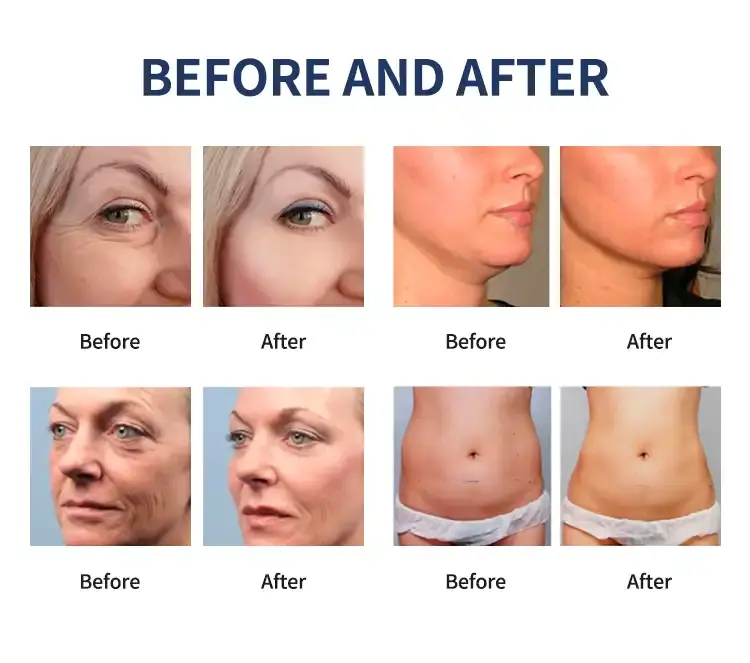
Documented case studies from trusted vendors will demonstrate treatment results for a variety of body types and treatment procedures. This should contain before-and-after photos taken with the same lighting and placement, treatment parameters utilised, and realistic deadlines to see results. Beware of merchants who simply demonstrate spectacular alterations without any clarity about the approach; ethical vendors understand that the outcomes will be different depending on the patient, such as age, skin elasticity, and lifestyle habits. Request customer references from existing clinics in your area to validate the equipment’s dependability, the real treatment results, and the supplier’s reaction in case of technical difficulties.
How to Verify Supplier Reliability and Product Authenticity
Due diligence protects your investment and your clinic's reputation. Thorough supplier vetting requires time investment upfront but prevents costly mistakes that compromise patient safety and business viability.
Company Background Verification Steps
Begin with basic business legitimacy checks. Verify the company's registration status, operational address, and years in business through official trade registries. A supplier claiming fifteen years of experience should have verifiable incorporation dates and traceable business history. Request certification documents directly from issuing bodies rather than accepting supplier-provided copies alone—CE certificates include notified body numbers that you can cross-reference through European database searches. Contact previous buyers through independent channels rather than references provided by the supplier, as these may represent cherry-picked satisfied customers. LinkedIn networks and aesthetic industry forums often connect you with practitioners who share unfiltered equipment experiences.
Factory Inspection and Product Demonstration
Virtual factory tours via video call have become standard for international procurement, allowing you to observe manufacturing environments, quality control processes, and inventory management systems without travel expenses. Look for organized production lines, dedicated testing stations, and proper component storage—chaotic facilities signal operational problems that affect product consistency. Insist on live product demonstrations showing actual treatment delivery rather than promotional videos. During demos, observe cartridge installation processes, interface navigation, and safety feature activation to assess whether your staff can operate the equipment competently. Request treating a test subject if possible, noting the machine's noise levels, treatment speed, and whether temperature controls function as specified.
Warning Signs of Unreliable Suppliers
Certain red flags should terminate procurement discussions immediately. Pricing dramatically below market averages often indicates refurbished equipment misrepresented as new, uncertified devices, or HIFU body slimming machines lacking proper safety features. Vague specifications without detailed technical parameters suggest the supplier lacks engineering knowledge or intentionally obscures inferior components. Reluctance to provide written warranties, unwillingness to discuss after-sales support structures, or pressure tactics demanding immediate payment before documentation review all indicate problematic vendors. Legitimate suppliers welcome technical questions, provide detailed responses, and offer reasonable timelines for decision-making without artificial urgency.
Recommended Procurement Process for B2B Buyers
A systematic acquisition procedure helps eliminate misconceptions and create clear expectations between the buyer and supplier from first contact through to long-term collaboration.
Requirement Documentation and Quote Solicitation
Develop a thorough Request for Quotation (RFQ) document that clearly describes your specific needs — your preferred cartridge combinations, voltage requirements for your area, preferred language for the interface, training needs, and the shipment location. Ask questions regarding warranty coverage details. Does it cover parts only? Does it include labour? What voids warranty coverage? How fast will they respond to warranty claims? Seek itemised quotes that separate equipment prices from shipping, training, and optional extras so you may compare the pros and cons of bundled vs à la carte purchasing. Get quotations from several vendors to get a sense of the market price point, but don't choose a source because they are the cheapest without looking at the whole value.
Negotiation and Contract Finalization
The professional vendors look for negotiation on volume purchases, longer warranties, and training. Discuss payment arrangements that work for both of you: deposits indicate buyer commitment, and withholding the full payment until after successful installation and testing protects your interests. Specify who handles shipping using widely known Incoterms. E.g., FOB (Free On Board) suggests buyers manage shipping, while DDP (Delivered Duty Paid) signifies suppliers handle all logistics to your door. For example, the contract should identify the equipment (to be consistent with your offer), delivery time and penalties for delay, installation, the length and style of training, warranty (in clear English), dispute resolution, etc. Never trust a verbal agreement for big equipment purchases.
Building Long-Term Supplier Relationships
The first purchase of equipment is not the conclusion of a transaction but the beginning of a continuing engagement. Establish routine communication channels for technical concerns, software upgrades, and future growth plans. Suppliers with strong client ties sometimes give early access to new technologies, preferred pricing on cartridge replacements, and priority service during busy seasons. Give comments on the equipment performance and the results achieved with patients. Ethical manufacturers utilise this knowledge to enhance products for all customers. As your firm grows, negotiate bulk purchase arrangements, exclusive distribution options, or bespoke equipment creation that distinguish your service offerings from your competition.
Conclusion
Choosing a reputable provider for HIFU body slimming machine contouring devices involves technical criteria, certification checks, and promises of long-term service. The perfect vendor has manufacturing skills and a full support infrastructure, clear warranty conditions, and a proven track record of dedication to the customer’s success beyond the first transaction. When you evaluate supplier credentials in a methodical way, match technological features to your operational requirements, and create organised procedures for procurement, you put your clinic in a position to achieve better results for your clients while safeguarding your equipment investment. A great supplier alliance turns innovative aesthetic technology into sustained competitive advantage for your organization.
FAQ
1. What differentiates body-specific HIFU cartridges from facial treatment cartridges?
Body slimming cartridges penetrate deeper tissue layers—typically 6mm to 13mm—to reach subcutaneous fat deposits, while facial cartridges operate at shallower depths of 1.5mm to 4.5mm targeting the dermis and SMAS layer. Body cartridges also deliver energy across larger spot sizes to efficiently treat extensive areas like the abdomen and thighs, whereas facial applicators require precision for periorbital and perioral zones. The energy intensity and focal patterns differ significantly between applications due to varying tissue densities and treatment objectives.
2. How long does a typical cartridge last before replacement?
Standard cartridges offer 20,000 shots under normal operating conditions. A full abdominal treatment typically requires 400-600 shots, meaning a single cartridge services approximately 33-50 complete abdomen sessions before depletion. Usage patterns vary based on your service mix—clinics emphasizing facial treatments consume cartridges slower than body-focused practices. Track shot counts through the device interface to schedule replacement orders proactively, avoiding service interruptions when cartridges expire mid-treatment.
3. What certifications should I prioritize when evaluating suppliers?
CE certification and ISO 13485 represent fundamental requirements, confirming the equipment meets European medical device standards and manufacturing quality controls. These certifications undergo periodic renewal and third-party auditing, providing ongoing assurance rather than one-time approvals. While FDA clearance remains optional for many international buyers, it signals additional testing rigor valuable for U.S.-based clinics or those serving discerning clientele who research equipment credentials before booking treatments.
Partner With Taibo Laser Beauty for Certified HIFU Equipment Solutions
Taibo Laser Beauty, established in 2009, brings fifteen years of manufacturing expertise directly to aesthetic businesses across 180 countries through our Xi'an-based production facility. As a certified HIFU body slimming machine manufacturer, we maintain CE and ISO 13485 certifications while offering comprehensive 5-in-1 systems combining 7D HIFU, VMAX protocols, microneedling RF, and specialized cartridges for both facial rejuvenation and body contouring applications. Our equipment features seven interchangeable cartridges with 20,000-shot lifecycles, automatic temperature monitoring, and intuitive interfaces backed by detailed video training and 24-hour technical support. Whether you need single units or bulk procurement with OEM customization, our team provides transparent quotations, flexible payment terms, and robust one-year warranties. Contact susan@taibobeauty.com to discuss your specific requirements and arrange a live equipment demonstration.
References
1. American Society for Dermatologic Surgery. (2023). "Non-Invasive Body Contouring Technologies: Clinical Guidelines and Safety Protocols." ASDS Clinical Standards Journal, Vol. 49, Issue 3, pp. 112-128.
2. Chen, M. & Rodriguez, P. (2024). "Comparative Analysis of HIFU, Cryolipolysis, and RF Technologies in Aesthetic Fat Reduction." International Journal of Cosmetic Medicine, Vol. 18, No. 2, pp. 45-63.
3. European Medical Device Regulation Consortium. (2023). "Quality Management Systems for Aesthetic Equipment Manufacturers: ISO 13485 Compliance Guide." Brussels: EMDRC Publications.
4. Johnson, K., Smith, D., & Lee, S. (2024). "Long-Term Efficacy and Safety of High-Intensity Focused Ultrasound for Body Contouring: A Five-Year Follow-Up Study." Aesthetic Surgery Journal, Vol. 44, No. 1, pp. 78-94.
5. Roberts, T. & Martinez, L. (2023). "B2B Procurement Strategies for Medical Aesthetic Equipment: Risk Mitigation and Supplier Evaluation Frameworks." Journal of Healthcare Supply Chain Management, Vol. 12, Issue 4, pp. 201-219.
6. World Aesthetic Medicine Association. (2024). "Global Market Trends in Non-Invasive Body Contouring: 2024 Industry Report." Geneva: WAMA Research Division, pp. 33-67.





YOU MAY LIKE