
Non Invasive Liposuction Machine: A Guide to Fat Reduction
2026-08-18 16:08:44
The desire for body sculpting solutions has revolutionised the aesthetics business, and a non-invasive liposuction machine has become a revolutionary alternative to conventional surgical fat removal. With these modern technologies, clinics, spas, and wellness centers can provide efficient fat reduction treatments without the hassle of surgery, anaesthesia, or long downtime. They use established technologies such as laser lipolysis, cryolipolysis, and ultrasound treatment to target stubborn fat deposits without damaging surrounding tissues. Understanding how these systems function, their clinical uses, and considerations for procurement may help B2B buyers make smart investments that improve service offerings and customer satisfaction in an increasingly competitive market.
Understanding Non-Invasive Liposuction Technology
Modern body sculpting relies on sophisticated energy-based devices designed to disrupt adipose tissue through controlled mechanisms. Unlike surgical procedures that physically extract fat through incisions and suction, these technologies trigger natural biological processes to eliminate unwanted fat cells safely and effectively.
How Laser Lipolysis Technology Works
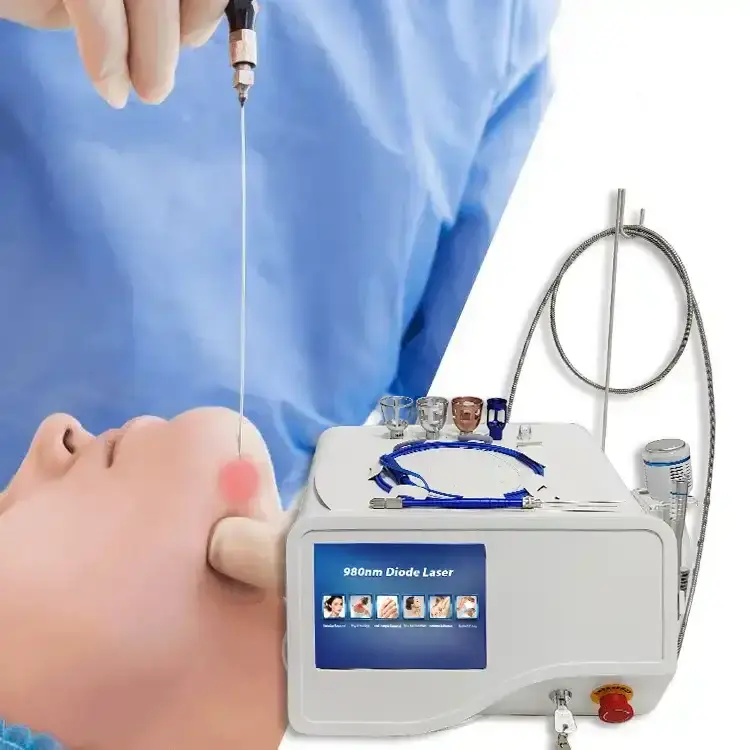
Laser fat removal uses certain wavelengths that pass through epidermal layers to reach subcutaneous fat deposits. The sophisticated 980nm and 1470nm diode laser technology targets energy directly to the adipocyte producing thermal breakdown of the cell membranes. The 1470nm wavelength is better absorbed by lipid tissues and is hence particularly effective in lipolysis operations. When laser radiation is aimed at the fat cells, it warms them to a crucial temperature that triggers apoptosis, the process of programmed cell death. These disturbed cells are then naturally processed and eliminated by the body’s lymphatic system over a period of weeks, resulting in a significant decrease in the fat layer with no damage to neurons, blood vessels, or connective tissue.
Clinical Advantages Over Traditional Methods
The change from invasive to non-surgical fat removal addresses several pain points in today’s aesthetic procedures. Patients are spared the dangers of general anaesthesia, surgical problems such as infection or embolism, and noticeable scars. This reduces the recovery period from weeks to only a few hours, enabling customers to return to routine activities quickly. The accuracy of laser technology allows for targeting regions that are harder to treat with conventional liposuction, like the jawline, neck, and finer contour adjustments. Quality equipment has temperature monitoring systems built in to ensure that the treatment settings are maintained at the correct levels throughout the session to avoid thermal harm.
Treatment Applications and Patient Suitability
Diode laser systems work well on fat pockets that are resistant to diet and exercise. The method is most successful for treatments of the belly, flanks, thighs, arms, and back where the subcutaneous fat lies. But fair expectations are very key. These devices target pinchable subcutaneous fat, not visceral fat around internal organs. The perfect candidates are those with steady body weight but who have areas of concern to improve. This therapy is an adjunct to healthy lives, not a substitute for the principles of weight control, an important difference for client consultations and satisfaction with outcomes.
Comparing Non-Invasive Liposuction Technologies and Devices
Procurement decisions benefit greatly from understanding technological differences between available systems. Each modality offers distinct advantages depending on clinical requirements, patient demographics, and business objectives.
Surgical Versus Non-Surgical Approaches
A classic non-invasive liposuction machine takes fat out of the body and reduces the volume quite a lot, but has dangers such as difficulties with anaesthesia, infection, and a longer recovery period. Non-surgical options provide a slow and gradual natural effect with minimum intervention. Surgical techniques may extract bigger amounts in a single session, but there are trade-offs in terms of increased costs, facility needs, and limited patient eligibility. Energy devices are democratising fat removal by extending the treated patient groups and removing the facility limits of surgery rooms.
Laser Technology Compared to Alternative Methods
Cryolipolysis uses a controlled chilling of fat cells, which then activates natural removal mechanisms over months. It’s a good option for those who want totally passive therapies, but results take longer.” Ultrasound treatment employs concentrated sound waves to mechanically break down adipocytes and is helpful for deeper fat layers. Radiofrequency devices raise tissue temperatures to stimulate collagen formation and induce mild fat loss, often in combination with other technologies. The difference with laser lipolysis is that you may alter the settings and customise the procedure to different parts of the body and the density of the fat. Our device is capable of delivering power from 35W 980nm + 3W 1470nm up to 35W 980nm + 15W 1470nm, offering flexibility across a range of treatment methods.
Key Performance Metrics for Evaluation
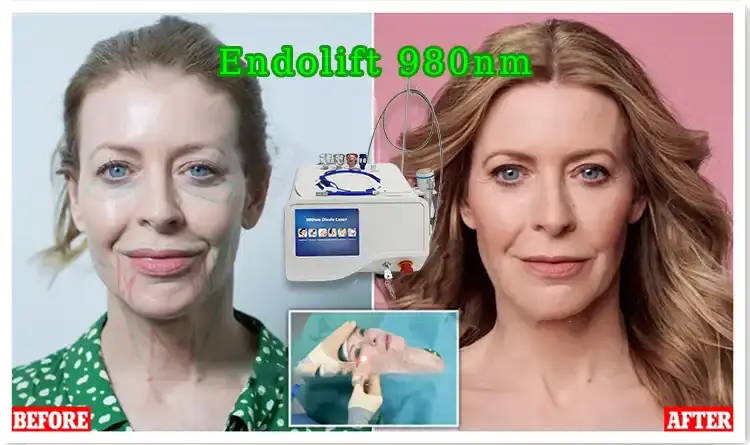
Some key things B2B buyers need to consider when considering equipment choices. Length of Treatment: The length of treatment affects the clinic’s throughput. Efficient sessions are 30-60 minutes long, which allows for the most appointments to be scheduled in a given timeframe. The pulse width (1-100ms) and frequency (1-10Hz) are adjustable, which allows practitioners to vary regimens depending on the region of treatment and patient response. Integration of complementing elements such as vascular elimination capabilities and skin rejuvenation functions to enhance device adaptability. Our technology is a multi-revenue stream asset from a single investment due to the combination of lipolysis with spider vein therapy and anti-inflammation benefits and facelift applications.
Procurement Guide for Non-Invasive Liposuction Machines
Strategic sourcing requires balancing technical specifications, supplier credentials, and long-term operational considerations. Navigating this landscape successfully depends on systematic evaluation of multiple procurement dimensions.
Identifying Qualified Manufacturers and Suppliers
Partner selection significantly influences equipment performance and business outcomes. Established manufacturers with extensive production experience demonstrate proven capabilities through consistent quality and innovation. Xi'an Taibo Laser Beauty Company brings over 15 years of manufacturing expertise with dedicated R&D, production, and international sales teams. Our facility spans three production departments supporting efficient order fulfillment, while dedicated quality inspection and testing departments ensure every unit meets rigorous standards before shipment. Certifications provide essential validation, with CE marking and ISO 13485 compliance confirming adherence to international medical device regulations. These credentials facilitate smoother customs clearance and regulatory approval in target markets.
Pricing Structures and Investment Options
The cost of equipment is determined by the requirements, capabilities, and the position of the provider. Typically, direct ties with manufacturers give more value than via distributor networks by removing middleman markups. Volume gives you the power to negotiate. Bulk purchases qualify for tiered reductions. Consider entire ownership costs, including consumables, maintenance needs, and availability of technical assistance, as well as initial purchasing prices. 2-Year Warranty . A thorough two-year warranty is important because it protects you against component failure and unforeseen repair expenses. We provide flexible payment terms to meet a variety of financial conditions, whether it be bank transfer or credit, depending on the quantity of the transaction.
Aligning Equipment Features With Business Needs
The successful selection of devices aligns technological capabilities with particular operational circumstances. Compact and adaptable systems that support several therapy categories are ideal for smaller clinics to maximise return on floor space investment. High-volume clinics need durable equipment that works flawlessly and can run a non-invasive liposuction machine, with a 10,000-hour laser life expectancy for peace of mind with busy schedules. User interface affects staff training needs and treatment accuracy. Our 8.4-inch colour touchscreen makes parameter changes and treatment customisation easy. Consider the patients’ demographics while setting up power levels. Different types of customers will demand different intensity ranges for best comfort and results.
Ensuring Safety and Efficacy: Quality and Regulatory Considerations
Responsible procurement demands thorough attention to safety profiles, regulatory compliance, and validated performance data. These factors protect both business operations and client welfare while supporting sustainable practice growth.
Managing Treatment Side Effects and Safety Protocols
The non-surgical fat reduction treatments have great safety profiles when used appropriately. Mild redness, swelling, or discomfort at the treatment sites are normal short-term symptoms, usually disappearing in hours to days. Advanced safety features reduce the dangers via real-time monitoring and automated changes. During treatments, temperature sensors monitor the state of the skin and modulate the power immediately if the temperature approaches dangerous levels, avoiding thermal harm. The auto shut-off mechanism, which stops sessions at set endpoints, offers extra safety. Our system comes with an ice compression hammer for instant post-treatment chilling, which reduces inflammation and dramatically improves patient comfort.
Critical Certifications and Compliance Standards
Complete regulatory paperwork is necessary for doing business lawfully in overseas marketplaces. CE certification certifies that the product meets European Union safety and performance criteria. The certification is crucial for sales throughout the European Union, and the CE mark is accepted in many emerging countries. ISO 13485 certification signifies dedication to consistent production controls and demonstrates quality management systems for medical device manufacture. While FDA clearance takes time, it provides access to the lucrative US market and implies high-grade positioning. These certificates not only fulfill legal obligations but also boost the credibility of marketing and buyer trust in procurement discussions.
Result Timelines and Outcome Expectations
Practice may build a favourable reputation if reasonable expectations are set with clients. The outcomes of laser lipolysis are progressive; the body’s normal processes of metabolism eliminate the fat cells damaged by the laser. Patients will often see early results in three to four weeks, and the best results are often seen two to three months after therapy. The outcomes may be improved with many adequately spaced sessions depending upon the treatment regions and individual reaction rates. The fat cells that are killed by apoptosis do not regenerate; hence, the decrease in treated areas is permanent. The surviving cells may grow in size with considerable weight gain. This trait emphasises the significance of positioning therapies as body contouring refinement rather than weight reduction remedies.
Conclusion
Industry evolution is led by aesthetic procedures that embrace state-of-the-art body-shaping technologies. Due to the rising customer need for effective fat reduction without surgical obligations, a non-invasive liposuction machine is in high demand. The 980nm and 1470nm dual wavelength laser system combines established science with practical clinical applications, providing diverse treatment choices that enhance service menus and income possibilities. Procurement choices lead to long-term benefits by thoroughly assessing technical skills, supplier qualifications, and regulatory compliance. Such devices are vital instruments for competitive practices catering to demanding clients who want natural-looking body augmentation outcomes, since they combine patient safety, treatment effectiveness, and operational efficiency.
FAQ
1. How quickly can clients expect visible fat reduction results?
Initial changes typically become noticeable within three to four weeks as the lymphatic system processes disrupted fat cells. Optimal outcomes develop over two to three months following treatment completion. The gradual timeline reflects natural biological elimination processes rather than mechanical extraction. Multiple treatment sessions may be recommended based on the target area size and desired reduction level.
2. What distinguishes laser lipolysis from cryolipolysis technologies?
Laser systems use controlled thermal energy to disrupt fat cells through heating, while cryolipolysis employs freezing temperatures. Laser treatments offer adjustable parameters for customization across body areas, typically shorter procedure times, and additional benefits such as collagen stimulation. The choice between technologies depends on practice preferences, patient comfort considerations, and specific treatment objectives.
3. Are these devices suitable only for professional clinical environments?
Professional-grade equipment requires trained operators for safe, effective application. While compact compared to surgical suites, these machines demand proper technique understanding and patient assessment capabilities. The technical specifications and power levels make them appropriate for medical spas, dermatology practices, and aesthetic clinics rather than home use, ensuring optimal outcomes through qualified practitioner supervision.
Partner With TB for Your Body Contouring Equipment Needs
Taibo Laser Beauty Company stands ready to support your practice expansion with advanced lipolysis technology backed by 15 years of manufacturing excellence. Our non-invasive liposuction machine manufacturer credentials include comprehensive certifications, proven performance across 180 countries, and dedicated customer support ensuring your investment delivers sustained returns. The dual-wavelength system combines fat reduction, vascular treatment, and skin rejuvenation capabilities in one platform, maximizing versatility while minimizing equipment costs. We offer customized OEM/ODM services, tailoring devices to your brand identity and specific operational requirements. Reach out directly to susan@taibobeauty.com for detailed specifications, competitive bulk pricing, and personalized consultation addressing your unique practice goals.
References
1. American Society for Dermatologic Surgery. "Noninvasive Fat Reduction Technology Assessment and Clinical Applications." Journal of Clinical and Aesthetic Dermatology, 2023.
2. International Society of Aesthetic Plastic Surgery. "Global Aesthetic Survey: Non-Surgical Procedure Trends and Market Analysis." Annual Industry Report, 2024.
3. Klein, J.A. "The Tumescent Technique for Liposuction Surgery: Comparative Study of Traditional and Energy-Assisted Methods." Dermatologic Clinics, 2022.
4. Stevens, W.G. & Pietrzak, L.K. "Selective Photothermolysis: Mechanisms and Applications in Body Contouring Devices." Lasers in Surgery and Medicine, 2023.
5. U.S. Food and Drug Administration. "Regulatory Guidelines for Non-Invasive Aesthetic Device Classification and Safety Standards." Medical Device Guidance Documents, 2023.
6. World Health Organization. "Quality Assurance Standards for Medical Laser Equipment in Aesthetic Applications." Technical Report Series, 2022.





YOU MAY LIKE