
Q Switch Tattoo Removal Machine for Beginners
2026-06-08 09:02:41
Learning about the q switch laser tattoo removal machine makes starting or developing a tattoo removal service easy. These innovative gadgets disintegrate ink particles beneath the skin without heat injury, utilizing nanosecond-pulsed laser technology. Q-switched systems use selective photothermolysis to target pigment without damaging tissue, unlike abrasive approaches. They are the gold standard in dermatological clinics and wellness centers across the US due to their accuracy. This article covers everything you need to know when buying new or updating equipment.
Understanding Q-Switched Laser Tattoo Removal Technology
How Q-Switched Lasers Work
These machines use fast energy delivery technology. Laser pulses—typically 6 nanoseconds—create photoacoustic shockwaves when they hit tattoo ink. Pressure breaks pigment particles into microscopic pieces that the lymphatic system can naturally excrete over many weeks. Modern therapies generate less scarring than thermal-based approaches because they prevent extended heat exposure.
Taibo Beauty professional units have twin or triple wavelengths. In professional tattoos, 1064nm penetrates black and blue paints thoroughly. Because these chromophores absorb 532nm more easily, it targets warmer tones like reds, oranges, and yellows. Some advanced versions use 755nm, which works well for green and blue-green pigments that were previously resistant.
Core Technical Specifications
Equipment specifications affect clinical results in numerous ways. The 100mJ to 2000mJ per pulse energy output lets operators vary treatment strength dependent on ink density and depth. High photoacoustic energy breaks resistant professional tattoos, whereas low energy suits sensitive regions or amateur ink.
Pulse duration counts. Quality systems avoid burns and hyperpigmentation by releasing energy more quickly than the skin can absorb heat with a 6-nanosecond pulse width. Practitioners can use 2mm to 10mm spaces to concentrate energy for thick ink or treat bigger areas more efficiently per session.
The cooling system circulates air and water to sustain performance throughout long treatment cycles. Overheating the equipment would reduce energy production and outcomes, but this dual cooling method prevents that. The nominal ocular hazard distance is 1 kilometer, requiring protective eyewear, demonstrating the potency of these devices.
Comparing Q-Switched Laser with Other Tattoo Removal Technologies
Q-Switched Versus Picosecond Lasers
Understanding the difference between picosecond lasers, q switch laser tattoo removal machines, and other emerging technologies helps you choose the right one for your practice. Picosecond devices produce pulses in trillionths of a second, which may enhance photoacoustic effects. This can minimize the number of sessions needed for tough blues and greens.
Q-switched nanosecond systems are still effective and cheaper upfront. Q-switched technology delivers proven outcomes at a lesser cost for tattoo removal clinics starting out or on a budget. Taibo's 2000mJ energy output rivals picosecond technologies, fragmenting most tattoo kinds just as well.
Proper wavelength selection and operator technique are more important than pulse duration for treatment success. A calibrated triple-wavelength Q-switched device is successful in 90-95% of tattoo situations. Picosecond technology may aid the remaining 5-10%, usually unusual ink formulas or highly deep layering, this is a small percentage of most clinics' clients.
Stationary Versus Portable Systems
Operating efficiency depends on device format. Stationary machines have stronger cooling and power supply to operate on busy clinic days. Articulated arms on floor-standing devices set the handpiece precisely without operator fatigue during long sessions.
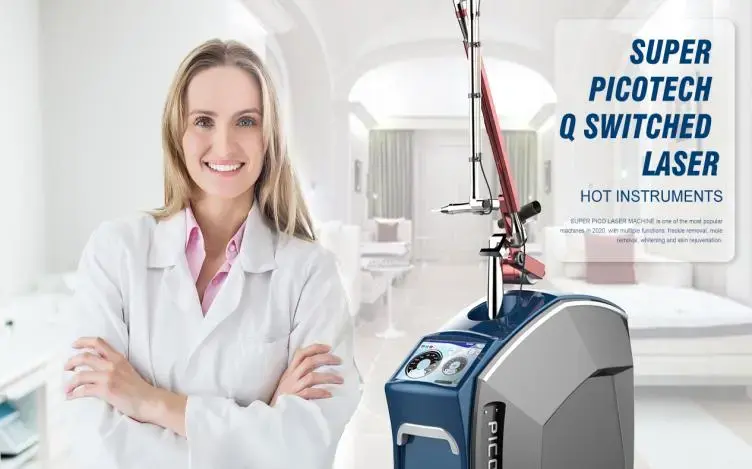
Mobile practitioners and those with small treatment rooms like portable equipment. While these devices may lose power output or cooling efficiency, technical developments have minimized the performance difference. Satellite spa owners may benefit from portable devices, which allow equipment sharing without permanent installation.
It depends on your company model. Stationary systems' longevity and reliability serve high-volume clinics serving many patients daily. Flexible portable devices may appeal to smaller clinics or market testers. CE and ISO13485 certification ensure the machine satisfies international medical equipment standards.
How to Choose the Right Q-Switched Laser Tattoo Removal Machine
Aligning Specifications with Clinical Needs
Honesty about your practice's needs is key to equipment acquisition. A dermatological clinic treating pigmented lesions stresses distinct aspects from a beauty salon developing services. Consider your usual clients—darker skin tones need the 1064nm wavelength to avoid hypopigmentation, whereas lighter skin tones can comfortably use the 532nm wavelength.
Treatment volume predictions affect durability. These systems use xenon lamps that endure 1,000,000–3,000,000 shots. At five treatments per day, this consumable should last several years, but high-volume clinics should check the light lifetime and replacement prices beforehand to avoid surprises.
Evaluating Suppliers and Support Services
Your relationship with your equipment maker goes beyond the sale. Troubleshooting and optimizing treatment methods require reliable technical help. When equipment issues emerge during patient sessions, Taibo Beauty's 24-hour after-sales support is crucial.
Review warranty terms carefully. A two-year parts-and-labor guarantee gives peace of mind, but knowing what circumstances cancel coverage saves surprises. Before signing purchase agreements, establish whether manufacturers exclude particular components or demand specific maintenance periods.
Distributors establishing branded product lines for q switch laser tattoo removal machines need OEM capabilities. Taiwan's broad customisation choices include private labeling, package changes, and technological improvements for regional preferences. Distributors servicing several markets enjoy this versatility, which lets them differentiate products while preserving quality across all branded equipment.
Practical Tips for Integrating Q-Switched Laser Machines into Your Business
Installation and Initial Training
Professional installation assures excellent performance from the start. Taibo Beauty specifies electrical, ventilation, and ergonomic arrangements. The combined air and water cooling system needs proper ambient temperature management and water quality standards—distilled water minimizes mineral accumulation that reduces cooling performance.
Operator training covers theory, hands-on experience, and treatment protocol creation in numerous sessions. Understand how wavelengths interact with ink colors to avoid unsuccessful treatments that cost time and destroy customer confidence. Most tattoos take 6-10 sessions, 8 weeks apart; therefore, training should cover realistic expectations to avoid client frustration.
Before treating real customers, practicing on synthetic tattoo pads increases confidence and stable hand technique for consistent outcomes. Instead of using preset parameters, operators can personalize treatments by observing how energy levels affect pigment fragmentation. This experience sets you apart from competitors when clients compare suppliers.
Developing Treatment Protocols and Pricing
Clear treatment procedures simplify service delivery across all practitioners if you employ many techs. Assessment, wavelength selection, energy level guidelines, and post-treatment care instructions should be documented. This uniformity delivers accurate results regardless of who provides the service.
Market positioning and cost recovery timescales should inform pricing strategies for q switch laser tattoo removal machines. U.S. tattoo removal procedures average $200–$500, depending on size and intricacy. Calculate the number of treatments needed to recover your equipment investment and compare to competition prices to identify the sweet spot that attracts customers while retaining profitability.
Package pricing boosts client loyalty and cash flow predictability. Offering six-session packages at a little discount above single-session pricing encourages upfront payment and reduces treatment dropout. Instead of paying for each session, this method lets consumers budget for the entire eradication procedure.
Maintenance and Troubleshooting
Routine maintenance prevents mid-treatment breakdowns and extends equipment life. Water levels and circulation are checked weekly in the cooling system. Monthly articulated arm checks check mirror alignment, reducing energy loss that may go undetected until results degrade. Taibo's modular architecture simplifies inspections, allowing simple maintenance without technical knowledge.
Annually calibrate energy output with a professional power meter. This assessment proves the gadget provides the claimed energy levels, preserving therapy effectiveness. This maintenance procedure is smart and lawful since certain locations demand calibration paperwork for regulatory compliance.
Troubleshooting common issues includes inconsistent firing, low energy production, and cooling system alarms. The self-diagnostic technology of Taibo automatically detects most faults and displays error codes for remediation. Beyond basic troubleshooting, the 24-hour support staff resolves issues remotely via video chat before dispatching experts.
Conclusion
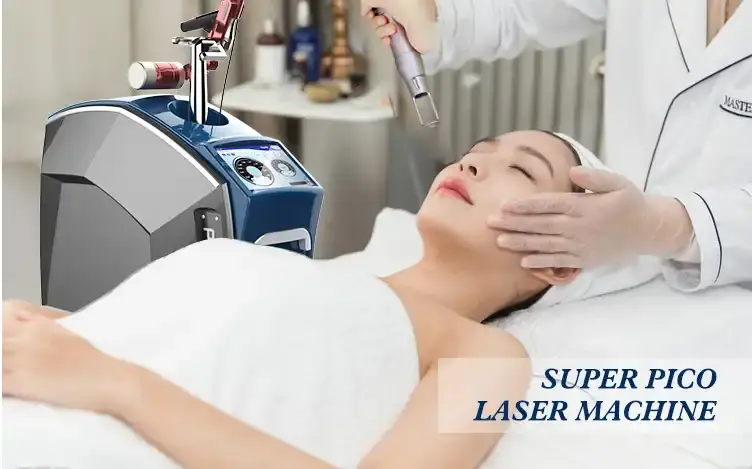
Selecting your first Q switch laser tattoo removal machine represents a significant investment in your practice's future. The technology's efficacy and rising demand for professional tattoo removal provide aesthetic professionals with a compelling commercial opportunity. Understanding basic criteria, analyzing technology alternatives, and engaging with supporting manufacturers like Taibo Beauty prepare your practice for service expansion. These devices' versatility—from tattoo removal to carbon peeling and pigmentation treatment—maximizes ROI and meets different customer demands. Q-switched laser technology may boost income and customer happiness in your clinic with adequate training, realistic expectations, and continued education.
FAQ
1. What tattoo colors can Q-switched lasers effectively remove?
The method works with 90-95% of tattoo pigments. Red, orange, and yellow inks clear best at 532nm, whereas black and dark blue inks at 1064nm. Green and other brilliant blues require 755nm or other technologies. Professional tattoos with rich ink layering require more sessions than amateur ones.
2. How many sessions does complete tattoo removal require?
Most professional tattoos take 6-10 sessions, 8 weeks apart, to allow the lymphatic system to remove pigment fragments. Due to lower ink concentration, amateur tattoos clean after 3-5 sessions. Tattoo age, ink quality, immune system efficiency, and skin type affect session count. Setting realistic expectations during initial sessions reduces client frustration.
3. Is the treatment safe for darker skin tones?
Fitzpatrick skin types IV–VI are safer because the 1064nm wavelength penetrates deeper and absorbs less melanin. Avoid 532nm on darker skin to avoid hypopigmentation. Proper wavelength selection and cautious energy settings prevent side effects and clear pigment across all skin tones.
Partner with Taibo Beauty for Your Q-Switch Laser Tattoo Removal Machine Needs
Taibo Beauty stands as a trusted Q switch laser tattoo removal machine manufacturer with over 15 years of engineering expertise and global distribution experience. Our ISO13485-certified production facility delivers equipment meeting the highest international quality standards, backed by comprehensive two-year warranties and lifetime technical support. The versatile systems we manufacture serve over 180 countries, helping aesthetic practices expand service offerings and increase revenue streams. Our dedicated team provides customized training, installation support, and ongoing consultation to ensure your investment delivers maximum return. Whether you operate a single-location clinic or manage multi-site distribution, our flexible OEM services and competitive wholesale pricing structure support your success. Contact susan@taibobeauty.com today to discuss your specific requirements and discover how Taibo Beauty's advanced laser technology can transform your business capabilities.
References
1. Anderson, R.R., & Parrish, J.A. (1983). Selective photothermolysis: precise microsurgery by selective absorption of pulsed radiation. Science, 220(4596), 524-527.
2. Bernstein, E.F. (2007). Laser treatment of tattoos. Clinics in Dermatology, 24(1), 43-55.
3. Kirby, W., Desai, A., Desai, T., Kartono, F., & Geeta, P. (2012). The Kirby-Desai Scale: A proposed scale to assess tattoo-removal treatments. Journal of Clinical and Aesthetic Dermatology, 5(3), 32-37.
4. Ross, V., Naseef, G., Lin, G., Kelly, M., Michaud, N., Flotte, T.J., Raythen, J., & Anderson, R.R. (1998). Comparison of responses of tattoos to picosecond and nanosecond Q-switched neodymium: YAG lasers. Archives of Dermatology, 134(2), 167-171.
5. Taylor, C.R., Gange, R.W., Dover, J.S., Flotte, T.J., Gonzalez, E., Michaud, N., & Anderson, R.R. (1990). Treatment of tattoos by Q-switched ruby laser. Archives of Dermatology, 126(7), 893-899.
6. Weiss, E.T., Geronemus, R.G., & Brightman, L.A. (2011). Laser tattoo removal: an update. American Journal of Clinical Dermatology, 12(2), 81-98.





YOU MAY LIKE