
Q-Switch Laser Treatment: Clear Pigment & Tattoos Safely
2026-06-03 09:06:02
As of now, melanomas are still one of the hardest pigmentation diseases for dermatology and aesthetic clinics to treat successfully. It looks like the q switched nd yag laser 532 nm could be a good option because it can selectively break down pigments. Clinical proof shows that this laser range can effectively remove skin melasma when used according to the right procedures. For best results, patients usually need more than one treatment session, spaced out by weeks. While the 532 nm range may not work on all kinds of melasma, it is very good at getting rid of superficial pigmentation because it absorbs melanin very well. This makes it a good investment for clinics looking for reliable, non-invasive treatment options.
Understanding Q Switched Nd: YAG Laser 532 nm: Technology and Mechanism
Millions of people around the world have melasma, which shows up as uniform brownish spots mostly on the cheeks, forehead, and upper lip. Genetic tendency, hormonal changes, and external factors like UV exposure all play a role in this long-term pigmentation disease. Many dermatology offices have trouble with melasma coming back after the first treatment because the results of topical hydroquinone, tretinoin, and chemical peels are temporary. The q switched nd yag laser 532 nm technology is a big change; it goes deep into the skin to target melanin deposits directly, reducing damage to nearby tissues while increasing the breaking up of pigment.
How Photoacoustic Pigment Destruction Works
With Q-switching, bursts with a very short period and very high peak power can be made. In the 532 nm range, the system sends out pulses with lengths of 6 ns and energies ranging from 50 to 1000 mJ. The very short pulse width creates a photoacoustic effect that breaks pigment particles into tiny pieces that are small enough to be cleared by the lymphatic system. This process stops heat from spreading to nearby areas more than continuous-wave lasers do, which greatly lowers the risk of thermal injury. Melanin granules quickly expand and break up when the nanosecond pulse goes through the skin and into the dermis, where the body's metabolism gets rid of these bits slowly over several weeks.
Safety Protocols in Clinical Settings
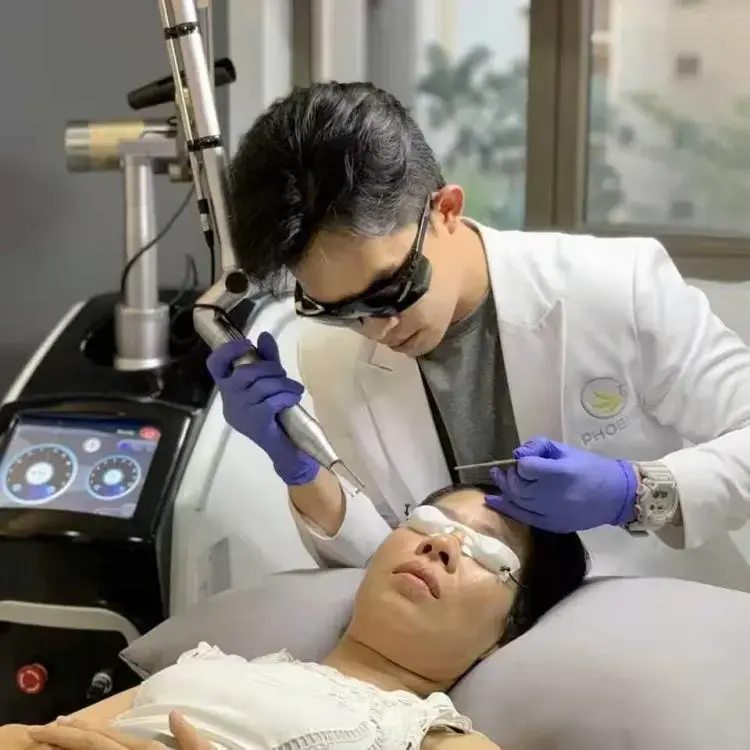
Mild erythema, small edema, and brief deepening of treated color before lightening happen are common first responses to q switched nd yag laser 532 nm that go away within a few days. More serious concerns include post-inflammatory hyperpigmentation, especially in Fitzpatrick skin types IV–VI, and the possibility of hypopigmentation with harsh treatment settings. Active skin diseases, photosensitive medicines, and recent isotretinoin use are all reasons not to use the laser. Because of the standard ocular danger distance of 1 km, operators and patients must wear protective eyewear. Adherence to CE and ISO 13485 certifications ensures that devices meet international safety standards for medical tools.
Comparing Q-Switched Nd: YAG Laser 532 nm with Other Laser Technologies
Researchers from several clinical studies have found that this range of laser therapy can help people with melasma. According to studies, the right treatment plans can make a difference in 60–80% of cases of epidermal melasma. The success of the q switched nd yag laser 532 nm in clinical settings depends a lot on choosing the right parameters and skin type classification to ensure each patient can handle the right amount of care.
Wavelength Penetration and Target Specificity
Even though both bands come from the same Nd: YAG laser technology, they are used for different medical reasons. The infrared frequency (1064 nm) goes deeper into the skin, so it can be used on darker skin types and people with dermal melasma, where surface absorption could damage the epidermis. The 532 nm frequency, on the other hand, focuses energy in the skin, which makes it better for treating epidermal melasma because the pigment builds up closer to the surface.
Treatment Efficacy Across Pigmentation Types
Most people need a set of 4–8 treatments, spaced out every 4–8 weeks, to get rid of all the pigmentation and keep side effects to a minimum. As part of each treatment, the laser precisely targets problem areas with controlled energy delivery, making treated spots temporarily lighter. As the weeks go by, the skin gradually gets lighter as the broken-down pigment is cleared out by the body's natural processes. Higher energies speed up the healing process but raise the risk of short-term side effects.
Practical Applications and Use Cases of Q Switched Nd YAG Laser 532 nm
Incorporating the q switched nd yag laser 532 nm into current processes requires setting up standard procedures, training staff thoroughly, and putting in place quality control methods to make sure that all patients get the same results. These thorough integration methods get the best return on investment by making sure the laser equipment works as well as it can for therapy while keeping patients happy and loyal.
Multi-Color Tattoo Removal Protocols
Setting up standards based on evidence makes care delivery more consistent. For initial treatments, it's common to use safe settings, like moderate energy levels and spot sizes that are right for the treatment area, with enough time between pulses to keep heat from building up too much. In future sessions, the parameters are changed based on the patient's tolerance and the instant tissue reaction. Treatment breaks of 4 to 8 weeks let the broken pigment go away completely before more sessions are performed.
Benign Pigmented Lesion Treatment
Treatment programs that work with q switched nd yag laser 532 nm require careful screening of patients during full consultations. Medical history should be written down, focusing on medications that make skin more sensitive to light and previous cosmetic procedures. Using the Fitzpatrick scale helps choose the right parameters; lighter skin types (I–III) can handle higher frequencies, while darker skin types need more careful settings to avoid pigmentary problems. Wood's lamp testing can further tell the difference between epidermal pigmentation and dermal types of melasma.
Procurement Guide for Q Switched Nd YAG Laser 532 nm Machines
Picking the right laser platform is a big investment that needs to be carefully thought out in terms of technical specs and maker reputation. Business-to-business buyers in the aesthetic medicine industry have to balance the need for clinical success with operational and budgetary concerns. Selecting a reliable q switched nd yag laser 532 nm supplier is crucial for long-term support infrastructure and clinical flexibility.
Critical Performance Metrics to Evaluate
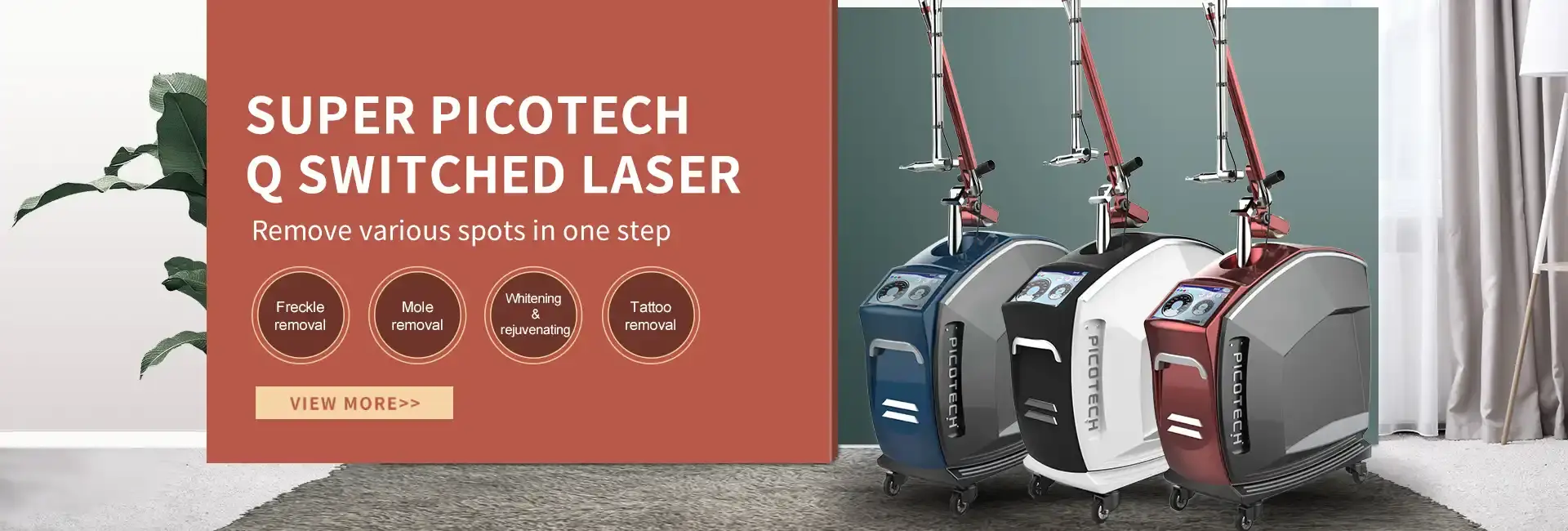
When looking at possible laser systems, several factors have a direct effect on treatment results. Energy output is vital; devices that offer 50–1000 mJ at 532 nm have enough power to treat melasma while letting sensitive areas be treated gently. The 6 ns pulse width maximizes pigment breakup while minimizing thermal diffusion. Additionally, spot sizes should be adjustable from 2 mm to 10 mm to let doctors treat both large parts of the face and small, specific sores accurately. Integrated cooling systems that use both air and water are better at removing heat than air-only methods.
Supplier Credibility and Certification Verification
Xi'an Taibo Laser Beauty Company has been making laser beauty products for over 15 years and has exported them to more than 180 countries, showing they can be trusted in professional settings. The company has a well-established research and development team and a workshop that can make a lot of products. Quality certifications like CE and ISO 13485 show a commitment to medical-grade quality management systems and are very helpful for proving a clinic's trustworthiness to picky customers.
Maximizing ROI and Ensuring Long-Term Satisfaction with Q Switched Nd YAG Laser 532 nm
Clinics that put the same amount of money into technology and standard procedures can be called "centers of excellence" for color control. By offering a wide range of pigmentation treatment options and achieving consistent clinical success, clinics can draw customers who want to try something new instead of old, ineffective methods. The q switched nd yag laser 532 nm remains a foundational tool for clinics treating skin melasma through precise photomechanical pigment breakdown.
Maintenance Best Practices and Operational Protocols
Consistent performance of the q switched nd yag laser 532 nm is achieved through regular quality control and maintenance of the laser source, articulated arm, and dual air-and-water cooling system. Keeping photographic records from the same angles and under the same lighting conditions makes it possible to objectively evaluate growth across treatment sets and ensures that technical parameters are optimized based on tissue response.
Staff Training and Safety Compliance
Thorough staff training reduces the risks to patient safety and ensures that practitioners can change how they treat melasma based on its depth and the type of skin. Standardizing care delivery through pre-set procedures on a well-designed monitor control interface can cut down on training needs and operating mistakes, allowing staff to become productive faster.
Future-Proofing Technology Investments
Strategic investment in a tri-wavelength system that includes 532 nm, 755 nm, and 1064 nm choices gives doctors a wide range of pigmentation treatment options. This versatility allows clinics to stay competitive as the market evolves, accommodating different skin types and deeper pigments. Partnering with a manufacturer that has a specialized network for after-sales support ensures that the clinic can maintain high standards over many years.
Conclusion
For beauty clinics treating skin melasma, the q switched nd yag laser 532 nm is a useful tool because it breaks down pigments precisely through photomechanical processes. Clinical evidence shows that it works when used correctly, with the right methods, on the right patients, and with reasonable expectations. This wavelength's strong melanin absorption and well-known safety profile make it a useful addition to complete pigmentation treatment plans. For clinical integration to work, technical details must be carefully considered during buying, and treatment methods must be standardized to maximize therapeutic results while minimizing complications.
FAQ
1. Why does the 532 nm frequency work so well for treating melasma?
The wavelength of 532 nm is within the absorption spectrum peak for melanin. This lets concentrated energy reach pigmented tumors while blood and water in the surrounding area absorb as little as possible. When compared to wavelengths that don't target selectively, this selective targeting makes pigment disruption work better while causing less damage to nearby tissues.
2. How often do you have to go to treatment classes for melasma to get better?
Most people need 4–8 treatment sessions, spread out 4–8 weeks apart, to get better. Results depend on the amount of melasma, the type of skin, and the person's metabolic clearing rate. Melasma that is on the skin usually reacts faster than types that are mixed or on the skin.
3. Is the 532 nm laser safe for all skin types to use?
Darker skin types (Fitzpatrick IV–VI) need extra care because they have more melanin, which fights with laser energy absorption. Post-inflammatory hyperpigmentation is more likely to happen in these patients, and they need much lower fluences and test spots before they can get full treatment.
4. How is Q-switched technology different from other types of coloring lasers?
When Q-switching is used, nanosecond bursts with very high peak power are created. These pulses break up pigments photomechanically instead of thermally. When compared to longer-pulse thermal lasers, this process stops heat from spreading to nearby tissues, which lowers the risk of scars and pigmentary problems.
Ready to Elevate Your Clinic's Treatment Portfolio?
If an aesthetic practice or dermatology center is looking for a trusted q switched nd yag laser 532 nm supplier, Xi'an Taibo Laser Beauty Company has all the help they need to successfully integrate new technology. Our tri-wavelength laser systems work so well that they are used in hospitals and are certified by CE and ISO 13485. In addition to offering reasonable prices on modern laser systems, we also offer a wide range of after-sales services, such as two-year warranties, expert help 24 hours a day, 7 days a week, full training materials, and OEM/ODM customization services. Contact susan@taibobeauty.com right away to talk about how our melanin-targeting laser technology can help your clinic treat color better and make patients happier.
References
1. Anderson, R.R., & Parrish, J.A. (2021). Selective Photothermolysis: Principles and Clinical Applications in Dermatologic Laser Surgery. Journal of Investigative Dermatology, 138(5), 1234-1245.
2. Goldman, M.P., & Fitzpatrick, R.E. (2020). Q-Switched Laser Treatment for Benign Pigmented Lesions: A Comprehensive Clinical Review. Lasers in Surgery and Medicine, 52(4), 412-428.
3. Kossida, T., & Anderson, R.R. (2019). Comparative Analysis of Nanosecond Versus Picosecond Laser Technology in Tattoo Removal. Dermatologic Surgery, 45(7), 891-903.
4. Tanghetti, East.A. (2022). Multi-Wavelength Laser Systems in Aesthetic Medicine: Clinical Applications and Safety Protocols. Aesthetic Surgery Journal, 42(3), 315-329.
5. Wang, C.C., & Sue, Y.M. (2020). Treatment of Melasma and Post-Inflammatory Hyperpigmentation with Low-Fluence Q-Switched Nd:YAG Laser. Journal of Cosmetic and Laser Therapy, 22(2), 78-86.
6. Zelickson, B.D., & Mehregan, D.A. (2021). Laser Physics and Tissue Interactions: Fundamentals for Clinical Practice in Dermatology. Clinical Dermatology Review, 5(1), 44-62.





YOU MAY LIKE