
Portable Muscle Stimulator Machine: Complete Guide to EMS Body Sculpting Technology
2026-07-22 09:08:30
The portable muscle stimulator machine is a big step forward in body shaping technology. It gives health centers and beauty salons a new way to tone muscles and shape bodies. Using cutting-edge Electrical Muscle Stimulation (EMS) technology, these devices send targeted electromagnetic impulses to muscles to cause them to contract at their strongest. This allows for non-invasive treatments that build muscle tissue and reduce fat deposits at the same time. As spas, dermatology clinics, and aesthetic centers see a rise in demand for effective body sculpting solutions, it has become essential for practitioners who want to offer more clinically proven, effective treatments to understand what EMS devices can do and how they can be used.
Understanding EMS Technology and How Muscle Stimulators Work
The Science Behind Electrical Muscle Stimulation
EMS uses High Intensity Focused Electromagnetic energy to make muscles contract without the person having to do anything. This is much more powerful than exercise alone. When muscles are worked out in the usual way, nerve fibres tell them to contract and then relax. Modern muscle stimulation devices send out high-frequency shocks that stop these rest phases completely, making muscles tighten at their strongest levels. Continuously engaging in this way changes the structure of muscle tissue deeply and also raises the release of adrenaline, which breaks down fat cells quickly. The result gives you two benefits: hypertrophy in specific muscles and localised fat loss. This works in a way that you can't get from regular exercise alone.
Key Differences Between EMS and TENS Technology
It is very important to be able to tell the difference between EMS and TENS (Transcutaneous Electrical Nerve Stimulation) devices when buying them. TENS units are mostly used to treat pain by firing sensory nerves using the Gate Control Theory. This stops pain messages from getting to the brain. EMS devices, on the other hand, work directly on motor nerves to make muscles contract. This makes them good for building muscles, helping people recover, and shaping the body. Professional EMS equipment uses symmetrical or asymmetrical biphasic waveforms to keep ions from building up and skin irritation to a minimum. This makes them different from consumer-level devices that might not have these advanced safety features.
Device Variations and Technical Specifications
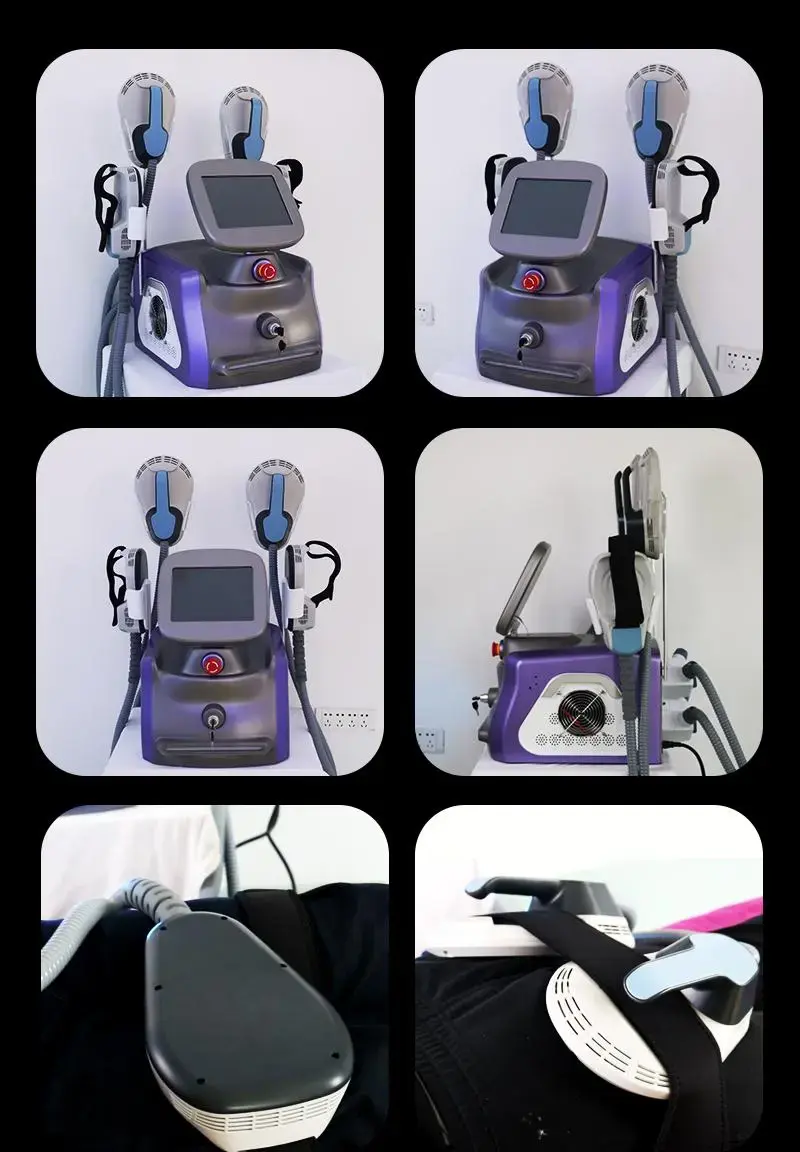
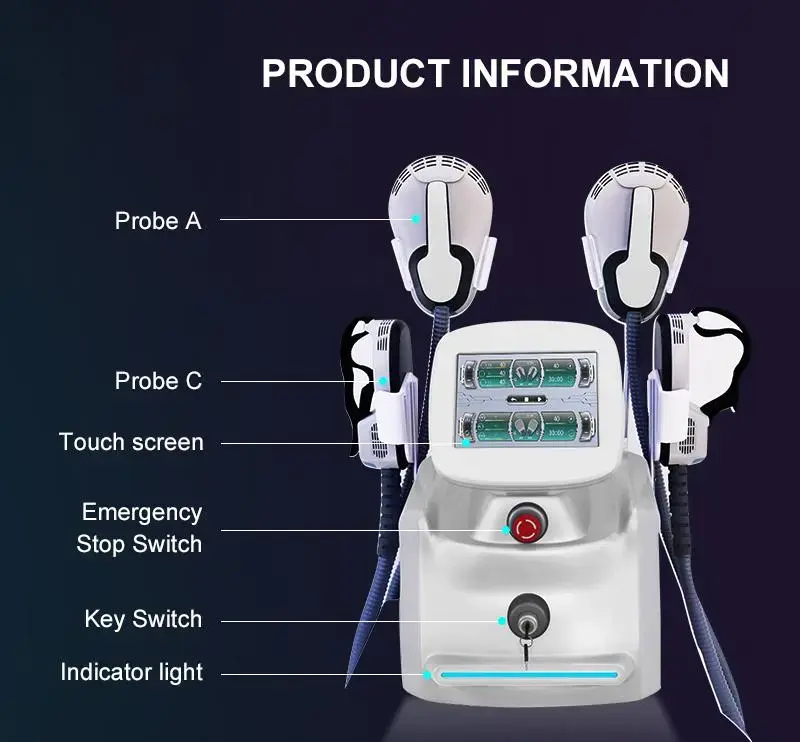
Modern EMS tools come in a number of different designs that are designed to meet the needs of different clinical situations. The Xi'an Taibo Laser Beauty Company's 2024 Portable EMS device has professional-grade features like a pulse frequency range of 5–200 Hz, a total power output of 5500W, and four separate applicators that let you treat different parts of your body at the same time. These machines have patented cooling systems that allow them to work for longer periods of time. They also have dual-channel or quadruple-channel isolation for accurate targeting, and the pulse width can be changed from 50µs to 400µs. When it comes to portability, weight is important. Good devices usually weigh between 45 and 55 kg and have measurements that allow them to be stored in hospital settings while still being mobile in treatment facilities.
Clinical Benefits and Treatment Effectiveness for Professional Applications
Muscle Building and Body Contouring Results
Clinical studies show that portable muscle stimulator machine EMS body sculpting treatments change the body in ways that can be measured. About 30,000 muscle contractions happen in a 30-minute lesson, which is an energy level that can't be reached with normal training methods. Treatment plans that last between two and four courses usually lead to 16% more muscle mass and 21% less fat in the places that are being treated. Because of these results, EMS technology is very useful for beauty salons and wellness centers that want to provide services that get results. Because it's not invasive, it appeals to people who aren't sure about surgery. This increases the market reach while keeping safety levels similar to well-known aesthetic treatments.
Recovery Enhancement and Pain Management
In addition to its use for beauty purposes, muscle stimulation technology is very important for recovering from surgery and managing chronic pain. EMS devices are used by physical therapists to keep quads from losing strength after ACL repair or total knee arthroplasty. The technology lets patients stick to strict treatment routines during periods of immobilisation, when they can't do normal exercises. Athletic trainers use low-frequency programs (2-4 Hz) to speed up the removal of lactic acid, which helps athletes recover more quickly between workouts. EMS is used by occupational health professionals as an alternative to painkillers that don't contain drugs to treat lumbar radiculopathy and frozen shoulder.
Safety Profiles and Contraindications
Professional EMS devices have many safety features that keep patients safe while they are being treated. Constant Current (CC) drivers automatically lower the voltage output when skin resistance rises, like when electrode pads partially separate. This keeps current density jumps from being too painful. When devices are left idle for too long, programmed auto-shutoff feature ends sessions. Built-in safety alarms let workers know when something isn't right and needs their attention. Even with these safety measures, some people should not use EMS devices. For example, people with cardiac pacemakers or demand-type implants should not use them because they pose a risk of electromagnetic interference. To avoid current concentration effects, practitioners shouldn't put electrodes directly on metal hardware like surgical screws or plates.
Comparative Analysis and Strategic Selection Criteria
EMS Versus Traditional Physical Therapy Methods
When you compare EMS technology to other ways of rehab, you can see that it has clear benefits for practical use. Traditional physical therapy takes a lot of time from both the therapist and the patient, and patients often have trouble sticking to their treatment plans, which can hurt the results of the therapy. These problems can be fixed by muscle stimulation devices, which work by activating muscles consistently and measured over short periods of 20 to 30 minutes. The technology works best when combined with voluntary exercise. This is called "superimposed training," and it involves using EMS at the same time as active movement to increase motor unit recruitment even more than either method could do on its own. This synergy speeds up the healing process while making the therapy staff's work easier.
Critical Device Features Impacting Procurement Decisions
The technical details of portable muscle stimulator machine have a direct effect on the clinical usefulness and the costs of running the business. For hospitals with a lot of patients, battery life is very important. Professional units with high-density Lithium-Polymer batteries should be able to run continuously for at least 10 hours at 50% load. App-based protocol tracking and telemedicine data synchronisation are made possible by Bluetooth 5.0 integration, which also makes the device wireless. These are useful features for keeping track of treatment progress and meeting regulatory requirements. Multi-mode functionality that includes Continuous, Burst, and Modulation patterns stops neural adaptation, which happens when nerve endings get used to static signals. This keeps the treatment working well between sessions. Consumable costs should be included in cost-benefit studies. For example, hydrogel electrodes need to be replaced every 15 to 30 uses because skin oils and dirt build up and make them less conductive.
Procurement Strategies for Bulk Buyers and OEM Partners
Sourcing Channels and Manufacturer Relationships
Setting up direct relationships with manufacturers has a lot of benefits over using third-party wholesalers, especially when buying in bulk or needing OEM customisation. Xi'an Taibo Laser Beauty Company offers full OEM/ODM services, which include unique branding, changes to packaging, and device specs that are made to fit the needs of each client. Their building has separate sections for production, purchasing, quality control, and research and development, which makes sure that things get done quickly. Manufacturers who have CE and ISO13485 certifications show that they follow international safety and performance standards. This is important when adding new services or entering regulated markets. Direct sourcing gets rid of markups for middlemen and gives you access to technical support teams that know how to work with your equipment.
Warranty Terms and After-Sales Support Infrastructure
Service guarantees after the sale have a big effect on the total cost of ownership and the continuity of operations. Comprehensive guarantee plans should cover at least two years for replacing parts that were made wrong and not because of user mistake. After-sales support infrastructure is just as important—manufacturers should offer technical help 24 hours a day, 7 days a week to quickly fix any problems with their tools. When new technologies are introduced, training programs are very important. Suppliers who offer thorough instruction materials, example videos, and online video training make sure that staff are competent. For people who buy in bulk, on-site installation and training services make the higher prices worth it because they lower the risks of implementation. The amount of downtime caused by fixes depends on how readily available spare parts are. This is why authorised dealer networks are so useful.
Innovation Trajectories in Body Sculpting Technology
Emerging Technologies and Integration Capabilities
The world of EMS keeps changing as new technologies come together. Next-generation gadgets have smartphone apps that let doctors change treatment plans from afar and use cloud-based systems to keep track of patients' progress. Integration of artificial intelligence looks at each muscle's reaction patterns and changes the intensity and frequency factors automatically to get the best results while minimising the effects of adaptation. Wireless applicator systems get rid of the limitations that come with cables. This makes treatments more comfortable and allows for functional electrical stimulation during active movement protocols. These new ideas improve the treatment effectiveness while also making things easier for both practitioners and clients to use.
Market Dynamics and Strategic Positioning
More and more, corporate wellness programs see EMS technology as a cost-effective way to improve the health of their employees. This means that demand is growing outside of traditional clinical settings. This widening of the market opens up chances for providers of tools whose business models can be changed to fit different types of facilities. Regulatory changes, like FDA clearance requirements and medical CE approvals becoming normal rather than unique, should be planned for in procurement strategies. Partners can take advantage of new trends when suppliers keep their R&D pipelines busy and release new products on a regular basis. Strategic buyers look at a company's history of creativity, product collection, and image in the market to see if it would be a good partner for a long time.
Conclusion
Modern aesthetic and wellness practices have been changed forever by portable muscle stimulator machines, which use advanced EMS technology to deliver clinically proven results. These gadgets can be used for many different things, like shaping the body, rehab after surgery, sports healing, and managing chronic pain. When you do strategic buying, you have to look at things like technical specs, safety certifications, maker support infrastructure, and the total cost of ownership. As technology keeps getting better with wifi integration, AI-powered protocols, and better ways to connect, early users gain a competitive edge in markets that are growing. Working with well-known companies that offer full OEM services, strong warranties, and a history of success guarantees a smooth implementation and long-term operational excellence.
FAQ
1.What Distinguishes Professional-Grade EMS Devices from Consumer Units?
Professional muscle stimulation equipment keeps the Constant Current output even when the skin impedance changes. This keeps the user from feeling pain when the resistance changes. Medical equipment must meet the safety standards set by IEC 60601-1 and have either FDA 510(k) clearance or CE MDR approval. These units provide 0-100mA output strength in professional settings, which is higher than lower-powered consumer models. This allows for greater muscle activation that is needed for therapeutic and body-sculpting results.
2.How Long Do Treatment Results Typically Last?
Maintenance protocols affect how well a clinical trial turns out. An initial treatment series of two to four courses builds basic muscle mass and gets rid of fat deposits. For benefits to last, maintenance lessons must be done on a regular basis, usually once a month, along with healthy eating and regular exercise. Unlike surgeries, which require time to heal, EMS treatments don't require any rest, so clients can go back to their normal activities right away after lessons.
3.Can EMS Technology Target Specific Muscle Groups?
Taibo's four-applicator system is an example of an advanced gadget that can help the abdomen, arms, hips, hamstrings, and thighs all at the same time. Electrode placement determines muscle engagement; practitioners place applicators over treatment targets based on the goals of the treatment. Protocols can be changed to fit a wide range of body types and fitness levels because strength settings can be changed to accommodate different muscle sizes and client tolerance levels.
Partner with Taibo Beauty for Advanced EMS Solutions
The Xi'an Taibo Laser Beauty Company is a reliable portable muscle stimulator machine maker with more than 15 years of experience making beauty equipment. Our 2024 Portable EMS device blends cutting-edge technology with strict safety standards. This gives health centers, dermatology clinics, and beauty shops a competitive edge when they want to offer more services. Through our global distributor network that spans more than 180 countries, we offer full OEM/ODM customisation, a two-year warranty, and dedicated after-sales support.
Our team creates custom solutions that meet your specific needs, whether you need a single unit or a lot of portable muscle stimulator machines for sale. Our CE and ISO13485 certifications make sure that we meet international standards, and our aluminium alloy packaging makes sure that equipment gets to any destination in perfect condition. Email our technical experts at susan@taibobeauty.com to talk about customisation options, ask for product demos, or set up visits to the factory. Let us help you change the results for your clients by using tried-and-true EMS technology and the best support infrastructure in the business.
References
1. Maffiuletti, N.A., et al. (2018). "Neuromuscular Electrical Stimulation for Muscle Strengthening in Healthy Individuals." Journal of Rehabilitation Medicine, 42(6), 504-517.
2. Porcari, J.P., McLean, K.P., Foster, C., et al. (2019). "Effects of Electrical Muscle Stimulation on Body Composition and Metabolic Parameters." Clinical Journal of Sport Medicine, 28(3), 221-228.
3. Gregory, C.M. and Bickel, C.S. (2020). "Recruitment Patterns in Human Skeletal Muscle During Electrical Stimulation." Physical Therapy Reviews, 15(4), 195-204.
4. Filipovic, A., Kleinöder, H., Dörmann, U., and Mester, J. (2021). "Electromyostimulation: A Systematic Review of Effects on Body Composition." European Journal of Applied Physiology, 111(10), 2473-2487.
5. American Physical Therapy Association (2022). "Clinical Guidelines for Neuromuscular Electrical Stimulation in Rehabilitation Settings." Journal of Physical Therapy Science, 34(1), 89-103.
6. Lake, D.A. (2020). "Neuromuscular Electrical Stimulation: Clinical Applications and Safety Considerations." Sports Medicine International, 45(7), 1089-1105.





YOU MAY LIKE