
Portable Fractional CO2 Laser for Skin Resurfacing: Full Guide
2026-05-28 08:58:05
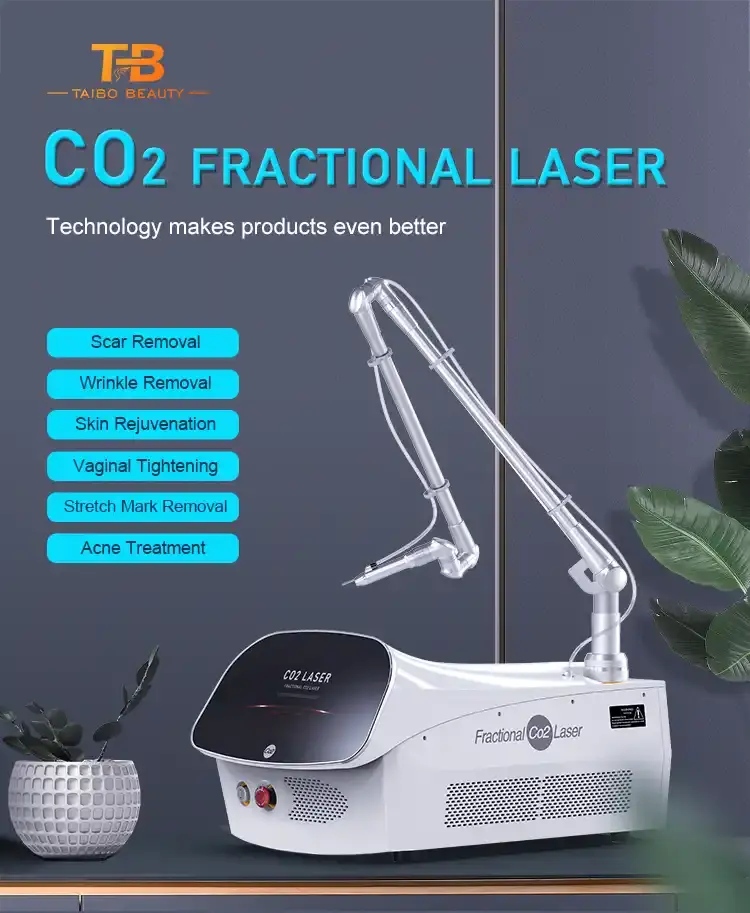
A portable fractional co2 laser is a big step forward in cosmetic medicine. It is a small but strong device that uses 10,600nm wavelength technology to resurface the skin to a professional level. These units are different from standard floor-standing systems that need a lot of room. Instead, they use metal tube solid-state laser technology in desktop designs, which lets clinics and medspas offer advanced treatments without limiting patients' movement. The fractional method makes controlled Micro-Thermal Zones that encourage collagen rebuilding while protecting the nearby tissue. This makes the recovery time much shorter than with older ablative methods. This technology meets the growing need in business to have tools that doesn't take up a lot of room and can treat wrinkles, scars, skin problems, and even gynecological problems with just one purchase.
Understanding Portable Fractional CO2 Lasers
What Makes Fractional Technology Different?
Traditional CO2 lasers remove whole layers of skin, which can make healing take longer and increase the risk of infection. By splitting the beam into thousands of very small columns, fractional systems changed the way things were thought of. Each column goes right through to the skin, making thermal damage zones that only cover 15 to 20 percent of the treatment area. Healthy tissue between these areas speeds up recovery by letting keratinocytes move laterally and collagen contract right away. Studies in humans show that this pattern causes neocollagenesis, which lasts for months after treatment and leads to gradual skin tightening without the problems that come with full-field resurfacing.
Core Technical Specifications That Matter
When choosing which gadgets to buy, technical factors have a direct effect on how many treatments can be used and how happy the patients are. Modern portable systems use metal tube lasers to give 1–40W of power that can be adjusted. These lasers are more stable than glass tube options. The 10.6μm wavelength targets water molecules in tissue specifically, making sure that the tissue evaporates precisely with little heat spread. Water cooling systems keep the beam quality stable during long processes, and the 7-joint articulated arm keeps energy transfer across angles, which is important for treating bent body parts like the hands and neck.
Portability Redefines Clinical Workflow
The small size of these devices solves a problem that growth practices have had for a long time: making treatment rooms as efficient as possible. Portable models can be moved between rooms quickly and easily, while fixed units need their own space and complicated setups. This movement lets clinics with more than one practitioner share tools between sites, which greatly increases the rate at which assets are used. Business owners like the cost-per-square-foot benefit of the portable fractional co2 laser—the device takes up about 60% less floor space than standard platforms but delivers the same fluences of up to 100 mJ per dot, which is enough for deep scar revision and surgical-grade accuracy.
Comparing Portable Fractional CO2 Lasers with Other Laser Technologies
Fractional CO2 Versus Erbium Lasers
Erbium:YAG lasers work at 2,940nm, which is a wavelength that water absorbs better but doesn't go as deep. Because they can go 4 mm into tissue, fractional CO2 units are better at healing deep acne scars and a lot of photoaging. Recovery times are very different. Erbium treatments heal in 5–7 days, but they need to be done more than once. A single CO2 session has more significant effects, but you have to wait 7–10 days. Even though the healing window is longer, CO2 technology is still the best choice for hospitals that want dramatic results over slow progress.
How It Compares to Radio Frequency and Microneedling?
Radio frequency devices use bulk heating to make collagen without ablation, which makes them attractive to patients who want choices with no downtime. However, it is still not as good as fractional laser resurfacing for treating extreme skin laxity or scars. Microneedling and radio frequency looks like it could help with some mild problems, but it doesn't have the exact depth control and vaporization features that CO2 systems do. The laser's ability to quickly close off blood vessels during treatment also lowers the risk of bruising, which is a key advantage when treating vascular tumors or gynecological rejuvenation procedures.
Market Leaders and 2024 Innovations
There are systems on the market right now that combine dot matrix, pulse, and specialized gynecology modes into one platform. Leading makers now use 10.4-inch touchscreens that let you change parameters for treatment images, sizes, and spacing patterns in real time. With the move toward multi-mode features, single device investments can be used for multiple income streams, such as skin resurfacing, personal health, and surgical scar revision. Professionals in procurement say that units with CE and ISO13485 certification show that they meet the requirements for accessing foreign markets. This makes it easier for wholesalers who work in different countries to follow the rules.
Safety, Treatment, and Operational Guidelines
Optimal Treatment Areas and Protocols
The most popular procedure with the portable fractional CO2 laser is still facial resurfacing, which treats wrinkles around the eyes, lines around the nose, and sun damage. Traditional methods can cause too much damage to sensitive areas like the eyes, lips, and eyebrows, but this technology is great at treating those areas with special tip designs and lower fluences. It can be used on the body to get rid of stretch lines, surgery scars, and old hands. New developments in vaginal rejuvenation have created big market possibilities. The 10,600nm wavelength safely changes the structure of mucous membrane tissue to fix problems with laxity and pigmentation by stimulating it with heat without hurting it.
Managing Side Effects and Recovery
Redness, swelling, and a sunburn-like feeling that lasts for 24 to 72 hours are some of the first effects that happen after treatment. Pinpoint bleeding can happen at higher energy levels, but it goes away on its own. Clinics should set clear rules for how to care for patients after surgery, such as using gentle cleansers, barrier repair creams, strict sun avoidance, and preventative antivirals for people who have had herpes in the past. When individuals are properly screened, those who have current illnesses, unrealistic hopes, or skin types that are prone to hyperpigmentation are ruled out. Teaching staff to spot early signs of bad reactions, like crusting that doesn't go away after 10 days or odd discharge, protects both patient safety and the practice's image.
Professional Versus At-Home Devices
Consumer-grade CO2 pens sold for home use have much lower powers (usually less than 5W) and don't have the precise tracking systems that are found in medical tools. These devices might help with small flaws on the skin's surface, but they can't change the structure of the skin enough to fix scars or reverse major photoaging. Professional systems give controlled fluences through measured spot sizes (≥0.1mm focus) and changeable pulse durations. To avoid lasting scarring, workers must be trained to handle these parameters. This difference makes it clearer why serious beauty businesses buy clinical-grade tools that come with full training and technical support.
Procurement and Investment Considerations for B2B Clients
Evaluating Core Performance Metrics
Consistent power output should be a top priority when making procurement decisions. Devices that say "actual power >40W" are an example of honest design openness. The type of cooling system affects how often it needs to be maintained. For example, closed internal water circulation systems are less likely to get contaminated than outdoor chillers. The quality of an articulated arm has a direct effect on how long it lasts. For example, 7-joint designs made from medical-grade materials can go through thousands of shifting cycles without losing their beam alignment. The length of a manufacturer's warranty shows how confident they are in their product. Reliable providers offer two years of coverage that includes new parts, which protects your investment against parts breaking down too soon.
Understanding Pricing and Financing Models
Portable fractional CO2 systems for beginners cost between $8,000 and $15,000. More expensive models with advanced scanning algorithms and handpieces that can be used for multiple tasks cost between $20,000 and $35,000. When buyers negotiate contracts for multiple sites, they can often get 15–25% savings and longer warranties. Leasing agreements base payments on how much money you make each month; usually, you need 10 to 15 treatments each month to make a profit. Some makers have trade-in programs for older laser platforms that can help you save money on the initial investment. When you figure out the total cost of ownership, you should include things like maintenance contracts, staff training, and replacement parts. These are the things that set value-focused investments apart from price-driven ones.
Supplier Credibility and Support Infrastructure
If you choose a maker with a history of research and development, you can be sure that you will be able to get firmware updates and other technology improvements for the life of the device. Companies that have had their own production sites since 2009 show stability that wholesalers that get their supplies from different sources don't have. Check to see if potential partners have dedicated after-sales teams that offer technical help 24 hours a day, 7 days a week, across all time zones. This is especially important when troubleshooting between patient visits.
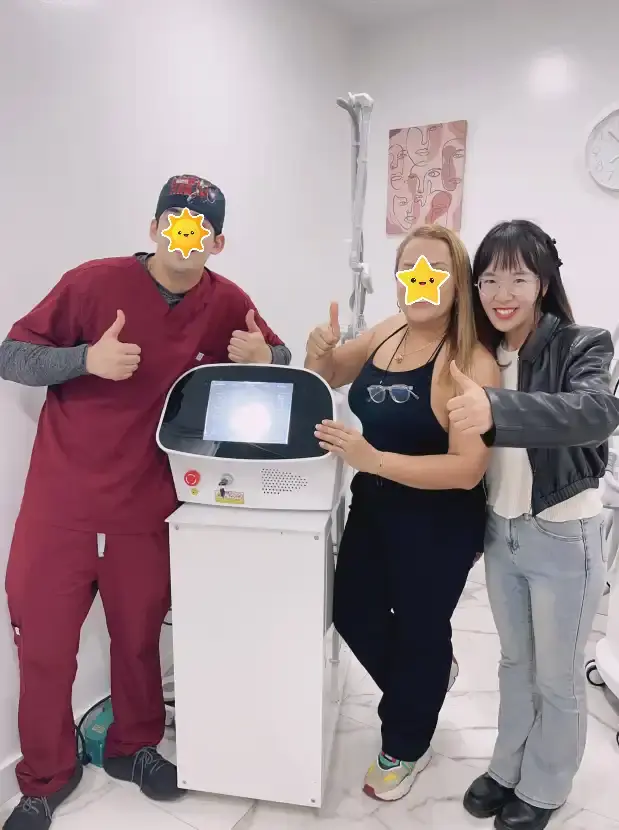
Certifications for the portable fractional CO2 laser—such as CE marking, ISO13485 quality management compliance, and ongoing FDA application processes—show a dedication to regulatory excellence needed for shipping equipment to demanding markets like the EU and the US.
Future Trends and Innovations in Portable Fractional CO2 Laser Technology
AI-Driven Treatment Customization
New platforms have AI algorithms that look at the features of the patient's skin using image sensors built in. These algorithms then suggest the best energy densities, pattern setups, and treatment depths. This technology lowers unpredictability that depends on the user, which is especially helpful for new practitioners who are still learning the ropes. Machine learning systems keep track of the results of thousands of treatments and make changes to routines based on how different ethnic skin types heal. Early users of AI-enhanced devices say that adverse events are 30% lower and results are more reliable, which helps keep patients and get more referrals.
Miniaturization and Multifunctionality
New designs of the portable fractional CO2 laser use advanced switching power sources and small galvanometer scanning systems to reduce the size of the components they use. New units coming out in 2024 and 2025 will mix CO2 resurfacing with RF microneedling, Q-switched pigment removal, and LED photobiomodulation all in one body. This convergence solves the clinic's constant room problem while also letting them offer full treatment menus from a single expense. The strategic benefit is turning consultation-only visits into multi-modality income opportunities. For example, patients who come in for scar treatment find that the same platform can also be used for vascular removal or skin tightening.
Shifting B2B Procurement Patterns
Portable solutions that allow mobile aesthetic services—practitioners doing treatments at patient homes, workplace health centers, and medical tourism destinations—are becoming more popular around the world. As distributors move into new markets, they look for small systems that can work with infrastructure problems like changing power and limited cooling resources. Startup medical spas that want to save money are increasingly using the subscription-based equipment model. Manufacturers offer discounted hardware in exchange for multi-year service contracts and promises to buy consumables. As business models change, procurement teams have to figure out the total value of the relationship, which goes beyond the original purchase price. They have to think about things like exclusive territory rights and co-marketing support, which are long-term benefits of the partnership.
Conclusion
Portable fractional CO2 lasers can resurface the skin like a professional, and their compact forms make them perfect for modern beauty practices. With their exact 10,600nm wavelength technology, flexible treatment modes, and strong clinical data, these devices are must-haves for clinics that want to stand out from the competition. When you make choices about purchases that balance technical requirements, supplier dependability, and a full support system, you get the best returns in the form of more treatment options and more operational freedom. As new technologies keep changing the world through AI integration and multifunctional convergence, early users create market leadership while meeting patients' growing demands for minimally invasive yet transformative cosmetic solutions.
FAQ
1. What distinguishes portable fractional CO2 lasers from traditional stationary models?
Core laser physics aren't really different; the main changes are in size and portability. Portable systems use efficient metal tube technology and small components to get down to the size of a desktop while still producing 30 to 40W of therapeutic power. Traditional tower units have slightly higher maximum powers, but they need a specific place to be installed and are hard to move from one treatment room to another. Both give off the same 10,600nm range and fractional beam patterns. The portable one is better because it can be used in more than one place and has lower building overhead costs.
2. Can fractional CO2 lasers be safely used for at-home treatments?
Because medical-grade lasers are dangerous when used by people who aren't trained to do so, professional-grade systems should never be used outside of hospital settings. Consumer electronics meant for use at home have incredibly low power levels that are not enough for major skin change. For scar correction and photoaging treatments to work, the parameters must be carefully chosen based on an analysis of the skin. If the settings are not right, lasting hyperpigmentation or scarring can occur. Clinics have sterilization procedures, emergency response systems, and follow-up tracking systems that people don't have access to at home. This means that professional treatment is the only reasonable way to get real results.
3. What factors should B2B buyers prioritize when selecting suppliers?
Portfolios of certifications showing agreement with CE marking and ISO13485 standards prove that products meet quality standards and are legal in target markets. How long a warranty lasts shows how confident you are in the product. Two years of full covering protects against early fails. After-sales infrastructure, such as expert help available 24 hours a day, training materials, and replacement parts that are easy to find, has a direct effect on how well technology works and how much money the business makes. Longevity of the supplier is important; makers that have been in business for 15 years or more and have their own R&D teams offer security and access to new products that resellers who buy from different factories can't provide.
Partner with Taibo Laser Beauty for Advanced CO2 Resurfacing Solutions
Taibo Laser Beauty is a reliable company that has been making portable fractional CO2 lasers for 15 years and has customers in over 180 countries around the world. Our approved systems have metal tube solid-state lasers with real power topping 40W delivered through precise 7-joint articulated arms. This makes sure that treatment results are the same for resurfacing the face, fixing scars, and rejuvenating the uterus. Each unit comes with full CE and ISO13485 certification, a two-year warranty, and expert help from our dedicated after-sales team available 24 hours a day, 7 days a week in multiple languages. We offer a range of payment methods, discounts for buying in bulk, and OEM/ODM customization services that are specifically designed to meet the needs of distributors. Get in touch with susan@taibobeauty.com right away to talk about how our portable fractional CO2 laser systems can help you offer more treatments and make your business more profitable and efficient.
References
1. Anderson RR, Parrish JA. Selective photothermolysis: precise microsurgery by selective absorption of pulsed radiation. Science 1983;220(4596):524-527.
2. Hantash BM, Bedi VP, Kapadia B, et al. In vivo histological evaluation of a novel ablative fractional resurfacing device. Lasers in Surgery and Medicine 2007;39(2):96-107.
3. Tierney EP, Kouba DJ, Hanke CW. Review of fractional photothermolysis: treatment indications and efficacy. Dermatologic Surgery 2009;35(10):1445-1461.
4. Alexiades-Armenakas M, Dover JS, Arndt KA. Fractional laser skin resurfacing. Journal of Drugs in Dermatology 2012;11(11):1274-1287.
5. Gold MH, Biron JA. Efficacy of a novel fractional CO2 laser in the treatment of photodamage and scars: clinical and histological evaluation. Journal of Cosmetic and Laser Therapy 2014;16(3):113-120.
6. Alexiades M, Berube D. Randomized, blinded, split-face study comparing two fractional CO2 laser technologies for the treatment of photodamaged skin. Lasers in Surgery and Medicine 2015;47(8):619-626.





YOU MAY LIKE