
Best Portable 808nm Diode Laser Hair Removal for Small Clinics
2026-05-28 08:58:03
When your small office needs effective hair removal technology but doesn't want to spend a lot of money or take up too much floor space, portable 808nm diode laser hair removal systems are the best choice. These small powerhouses use the standard 808nm range to selectively target melanin in hair cells through photothermolysis. This stops hair growth for good while still being portable enough to move from room to room. Instead of bulky floor-standing units that need to be installed by a professional, these desktop devices save money on shipping, lower initial capital costs, and allow service delivery to multiple rooms. They are perfect for spas, boutique dermatology practices, and wellness centers that want to offer high-quality treatments without having to deal with a lot of logistics issues.
Understanding Portable 808nm Diode Laser Hair Removal Technology
The Science Behind 808nm Wavelength Precision
Learn about the technology behind portable 808nm diode laser hair removal. The frequency of 808nm is just right for melanin, the pigment that is mostly found in hair cells. When light from a laser goes through the skin, melanin absorbs it and turns it into heat. The heat can hurt the hair follicle's healing structures. This heat destruction only affects the melanin-rich skin tissues and not the less melanin-rich tissues around them. This keeps unintended damage to a minimum and speeds up the healing process. Studies have shown over and over that this wavelength can reach depths of 3–4 mm, hitting the bulge and bulb areas where stem cells live. This means that lasting hair reduction is possible in most body areas.
Comprehensive Safety Protocols for Clinical Use
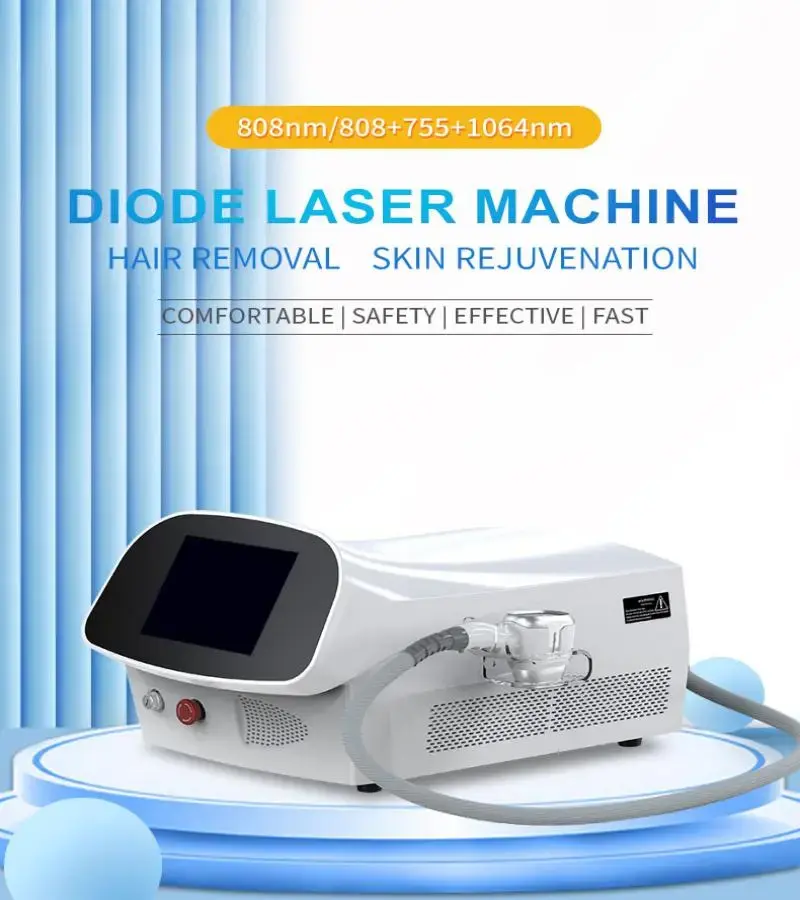
Modern laser systems feature contact cooling (-5°C to -10°C) to protect the epidermis and reduce pain. Dual safety interlocks prevent accidental activation; real-time temperature monitoring auto-adjusts energy output. TB's TEC, semiconductor, and water cooling enable 72-hour continuous operation without burning risk—critical for busy clinics. Multi-layer thermal management ensures patient comfort and equipment longevity during high-volume treatment schedules.
Operator Training and Patient Selection Criteria
Staff training covers Fitzpatrick skin typing, fluence selection (10–120 J/cm²), and pulse duration adjustment (10–400ms) based on hair thickness. Ideal candidates have dark hair and light skin; tri-wavelength systems expand treatable populations. Contraindications include active infections, recent sun exposure, photosensitivity disorders, and pregnancy. Thorough consultations assessing these factors protect both patient safety and treatment outcomes.
Comparing Portable 808nm Diode Laser with Other Hair Removal Solutions
Portable Diode Lasers Versus Stationary Systems
Putting the portable 808nm diode laser hair removal up against other ways to get rid of hair, stationary laser systems definitely have more constant power output and bigger water tanks that can keep things cool for longer. But there are big problems that come with these benefits. Stationary units usually weigh between 80 and 150 kg, need their own power lines, and take up important treatment room space all the time. Installation usually needs skilled technology setup and may need changes to the building. Advanced portable systems, on the other hand, now offer similar power rates between 600W and 2000W thanks to high-efficiency diode bar stacks brought from American companies such as Coherent. It's impossible to say enough about how useful mobility is. Portable units let centers make the best use of their space, move equipment between treatment rooms based on demand, and even offer mobile services to satellite sites. This flexibility changes the business economics for small offices where every square meter affects the amount of money that can be made.
IPL Technology and Alexandrite Laser Comparisons
IPL uses broad-spectrum light, reducing hair removal efficacy versus monochromatic lasers—requiring more sessions. Alexandrite (755nm) excels on light skin with fine hair but risks burns on darker tones due to epidermal melanin absorption. The 808nm wavelength optimally treats Fitzpatrick types I–V. TB's tri-wavelength systems (755/808/1064nm) enable customized protocols: 755nm for blonde hair, 808nm as standard, 1064nm for dark/tanned skin.
Traditional Methods: Waxing and Electrolysis
Waxing provides temporary results lasting 3–6 weeks, generating recurring revenue but never permanent reduction. It causes significant pain with risks of ingrown hairs, skin irritation, and occasional infection. Electrolysis offers true permanent hair removal by inserting needles into follicles and applying electrical current. However, it is extremely time-consuming—treating a full back takes months versus 30–45 minutes with laser. Clinics prioritizing patient satisfaction and treatment volume should choose laser technology.
Selecting the Best Portable 808nm Diode Laser Device for Your Clinic
Essential Technical Specifications to Evaluate
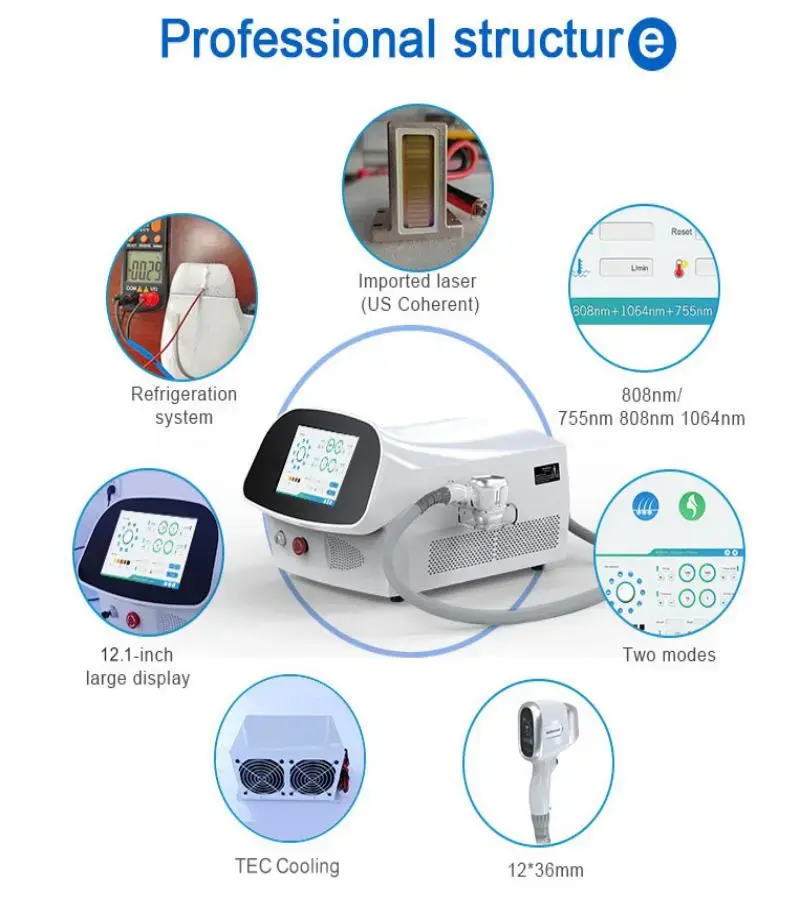
Wavelength accuracy must be 808nm ±5nm. Power output (600–2000W) scales with hair thickness—higher power enables faster treatment. TB's 12x36mm spot size covers more skin per pulse versus cheaper 9x9mm competitors, reducing session time. Adjustable 1–10Hz pulse frequency balances speed and comfort. Energy density up to 120 J/cm² ensures sufficient fluence for stubborn hair on areas like men's backs. Premium cooling integrates water, semiconductor, air, and TEC systems for consistent handpiece temperature.
Certifications, Warranties, and After-Sales Support
ISO 13485 confirms medical device quality systems; CE marking indicates EU safety compliance. TB offers a two-year warranty (vs. industry standard one year), covering non-user-caused part failures. This lowers total ownership cost. TB's 24/7 multilingual support includes video troubleshooting, operation guides, and training videos. Handpiece rated for 20 million pulses ensures years of reliable service. Readily available spare parts enable rapid repairs when needed.
Pricing Models and International Logistics Considerations
Single-wavelength 600W units offer entry-level laser services; tri-wavelength 2000W systems cost more but provide greater treatment versatility and faster sessions. Calculate per-treatment cost against projected patient volume and session pricing. Many clinics achieve equipment payback in 6–12 months. TB's 15 years exporting to 180+ countries streamlines shipping, customs, and import taxes. Options include air freight (fast), sea freight (economical), and express carriers (urgent). Custom metal cases with foam inserts ensure safe delivery.
Operating and Maintaining Your Portable 808nm Diode Laser Device
Step-by-Step Operational Guide for Clinical Workflows
Pre-treatment consultation covers skin type, hair type, medical history, and realistic expectations. Skin must not be waxed (hair roots need below-surface heat conduction). Treatment area must be cleaned of oils or makeup. Device setup: power on, allow cooling system to reach temperature (2–3 minutes), select parameters. Higher fluences (100–120 J/cm²) for dark hair on light skin; lower settings (60–80 J/cm²) for lighter hair or darker skin. TB's 12-inch touchscreen simplifies operation. Maintain steady speed with 10–20% overlap between passes.
Maintenance Routines and Troubleshooting Tips
For portable 808nm diode laser hair removal devices, daily maintenance includes cleaning the handpiece contact window with approved solutions, checking cooling fluid levels, and verifying connections. Weekly: inspect handpiece cable for damage; review pulse count logs toward maintenance intervals. Calibration occurs at manufacturer-specified pulse milestones. TB offers remote video calibration, avoiding costly on-site visits. Common issues: insufficient cooling (check refrigerant, clean air screens) and uneven power delivery (loose connections or outdated software). Detailed manuals and training videos enable staff self-resolution; 24/7 support handles complex issues.
Maximizing ROI and Enhancing Patient Satisfaction in Small Clinics
Strategic Integration into Existing Service Menus
Adding laser hair removal services opens up a lot of ways to make money besides just treatment fees. Package price encourages patients to stick with treatment plans, which usually include 6–8 sessions spread 4–6 weeks apart. This creates a steady stream of income. Membership programs that offer discounts on regular repair sessions help businesses build long-term relationships with clients and keep their cash flow stable. Cross-selling chances will present themselves easily; people who want to get rid of hair often want other treatments, like skin rejuvenation or body contouring, that your equipment may already be able to support.
Scheduling planning helps get the most out of the tools you have. Shorter treatment areas, like the upper lip or underarms, are easy to fit into time breaks. On the other hand, bigger areas, like the legs or back, can hold together appointment blocks. High-power movable devices allow for fast treatment times, which means that more patients can be seen each day without having to keep the clinic open later. Strategic placement of prices is important—looking into the prices of local competitors helps set fees that are both competitive and profitable. Many clinics can charge higher prices as long as they give their patients better experiences by using high-tech tools and skilled workers.
The Implementation Success Stories
Small offices all over the US have changed how they do business by strategically adding laser equipment. A small medical spa in California added a portable diode laser system to the treatments they already offered for facials. At first, they were hesitant to do this because they didn't have much room in their city site. The small size made it possible to set up in a room that was used for more than one service. After only eight months, laser hair removal became their most profitable service, bringing in enough money to pay for a second device and another expert. Because the portable 808nm diode laser hair removal equipment was portable, they were able to move it to their second site twice a week, which meant that they could serve two markets with just one device.
A dermatology practice in Texas specializing in medical treatments found aesthetic laser services attracted younger patient demographics who then became medical patients for acne or skin cancer screenings. The practice marketed their ability to safely treat people with different skin tones in their mixed community by emphasizing their tri-wavelength capability. More than 90% of patients were satisfied, and the modern cooling technology and well-trained staff were credited with the few problems that did happen. During their growth phase, the two-year guarantee gave them peace of mind, and TB's quick help answered small technical questions without stopping service.
Emerging Technology Trends and Future-Proofing Investments
The beauty laser business keeps growing quickly. Adding artificial intelligence means that skin type recognition and setting optimization will be done automatically, which will cut down on the need for operator training and improve uniformity. Better cooling technologies that are being worked on could make it possible to have even higher energy levels with no pain. Handpieces that use both radiofrequency energy and laser light show promise for better results on fine hair that is hard to treat. When choosing equipment partners, look for manufacturers that show they are committed to ongoing innovation and upgrade paths. TB's established research and development (R&D) team regularly releases new software and better handpiece designs that are often compatible with current system platforms. This keeps your equipment from becoming outdated too quickly.
Conclusion
Choosing the right portable 808nm diode laser hair removal device is an important purchase that can change the services your small clinic offers and the amount of money it can make. This technology is perfect for practices that want to offer more beauty services but don't have the room or budget for bigger systems. It has been shown to work in clinical trials, is easy to use, and doesn't require a lot of money up front. By carefully looking at technical specs, choosing approved equipment with full support, and working with makers with a lot of experience, you can be sure that adding permanent hair removal services will make patients happy and help your business grow in the long term.
FAQ
1. What skin types can be safely treated with portable 808nm diode laser devices?
When the right settings are chosen, the 808nm frequency can safely treat Fitzpatrick skin types I through V. People with lighter skin (I–III) and dark hair get the best results with higher fluences. People with darker skin (IV–V), on the other hand, need lower energy settings and maybe longer pulse lengths to keep the epidermis from getting too hot. Tri-wavelength systems that include 1064nm offer extra safety for skin with a lot of pigmentation. Type VI skin needs to be treated with great care, and 1064nm Nd:YAG systems may work better than 808nm bands for some people.
2. How long does each treatment session typically take?
How long a session lasts depends on the size of the treatment area and the features of the device. Small areas, like the upper lip or underarms, take 5 to 10 minutes. Medium areas, like the Brazilian or full arms, take 15 to 25 minutes. Large areas, like men's backs or full legs, usually take 30 to 45 minutes. Higher-power devices (1200W–2000W) with bigger spot sizes finish treatments more quickly than lower-power options. TB's 12x36mm handpiece effectively covers a large area, cutting down on chair time compared to smaller spot sizes.
3. What warranty and support can B2B buyers expect from reputable suppliers?
Good makers offer warranties that last at least one year, but top providers like TB offer two years of full coverage that includes free part replacement for manufacturing flaws. After-sales support should include expert help 24 hours a day, online troubleshooting, thorough teaching on how to use the product, and replacement parts that are easy to find. International buyers should make sure that the company offers help in their language in their area. Guarantees on the life of the handpiece, like TB's 20,000,000 pulse rate, give you even more peace of mind about its long-term value. Make sure you know what the warranty doesn't cover, how long it usually takes to get an answer, and if you can get major fixes done on-site.
Partner with TB Laser Beauty as Your Trusted Portable 808nm Diode Laser Hair Removal Supplier
For 15 years, TB Laser Beauty has been making high-quality products that small centers can trust to get rid of hair effectively. We are a well-known company that makes portable 808nm diode laser hair removal equipment. Our products have ISO 13485 and CE certifications, and they are made with American Coherent laser bars, Italian pumps, and Japanese cooling technology. These parts make sure that the equipment works the same way after millions of pulses. Our three-wavelength systems are safe for all skin types, and your investment is protected by a two-year guarantee and 24-hour, international customer service. Our expert team will help you with selection, shipping, and training, whether you need a few units customized in a specific language or a lot of units with your own name on them. You can email susan@taibobeauty.com to talk about your clinic's needs, get full technical specs, or set up equipment demos that show why practices in more than 180 countries trust TB for their aesthetic technology needs.
References
1. Anderson, R.R., & Parrish, J.A. (1983). Selective photothermolysis: Precise microsurgery by selective absorption of pulsed radiation. Journal of Investigative Dermatology, 77(1), 13-19.
2. Campos, V.B., et al. (2017). Laser and light-based hair removal techniques: Comparison of effectiveness, safety, and satisfaction among different technologies. Journal of Clinical and Aesthetic Dermatology, 10(11), 32-40.
3. Goldman, M.P., & Weiss, R.A. (2011). Treatment of unwanted hair with lasers and light sources: A comprehensive review of clinical efficacy and safety. Dermatologic Surgery, 37(12), 1755-1767.
4. Haedersdal, M., & Wulf, H.C. (2006). Evidence-based review of hair removal using lasers and light sources. Journal of the European Academy of Dermatology and Venereology, 20(1), 9-20.
5. Tanzi, E.L., Lupton, J.R., & Alster, T.S. (2003). Lasers in dermatology: Four decades of progress. Journal of the American Academy of Dermatology, 49(1), 1-31.
6. Zachary, C.B. (2019). Modulating the Er:YAG laser. Lasers in Surgery and Medicine, 45(2), 78-88.





YOU MAY LIKE