
Get To Know CO2 Fractional Laser Skin Resurfacing
2026-08-18 16:08:43
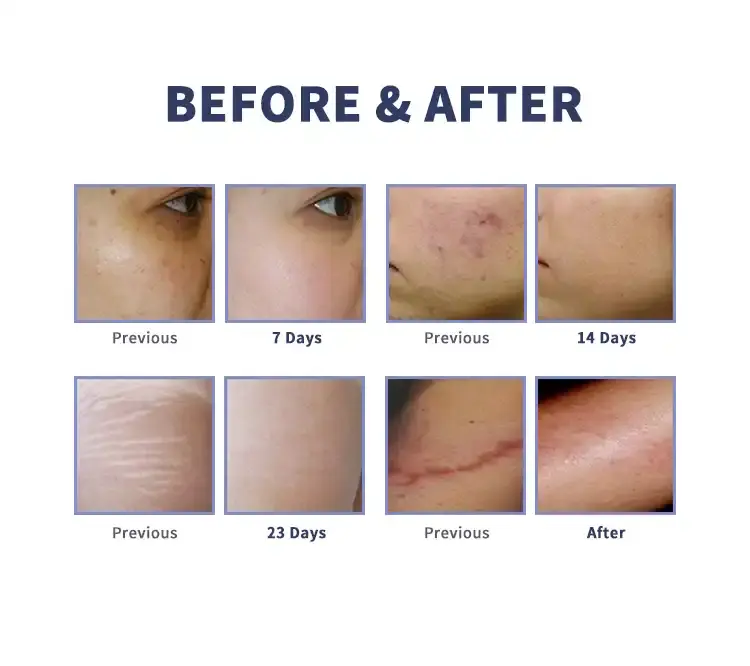
CO2 fractional laser skin resurfacing is a revolutionary breakthrough in aesthetic treatment that provides clinics and med spas with a potent instrument for total skin regeneration. The fractional co2 laser does not strip away whole layers of skin like other completely ablative lasers, but instead uses a precision-engineered process termed fractional photothermolysis. It produces thousands of tiny therapeutic zones, leaving the surrounding tissue untouched, which decreases patient downtime from weeks to days. The 10,600 nm wavelength targets water molecules in skin tissue and causes controlled thermal injury to encourage natural collagen formation and tissue remodelling. It is the optimum option for treating deep wrinkles, severe acne scarring, and considerable photodamage.
Understanding Fractional CO2 Laser Technology
The Science Behind Micro Thermal Zones
With CO2 laser technology, the operational brilliance comes in its capacity to generate Micro Thermal Zones (MTZs) across the treatment region. Once the laser beam penetrates into the dermis, it produces heat that coagulates the water content of the skin cells, which leads to precise epidermal ablation. The untreated tissue around it works as a biological “heal server”, speeding up healing while minimising problems. This strategy addresses a key issue that has hampered classic resurfacing approaches—how to balance treatment efficacy and patient safety. Clinics may now provide stunning outcomes without the serious side effects that have previously hindered usage.
Key Technical Parameters That Drive Clinical Outcomes
Modern fractional CO2 systems provide an incredible degree of control with their variable settings. The TB laser device works at a wavelength of 10.6 μm and an actual power > 40W, so that physicians may adjust the depth of therapy, the spot size, the energy density, and the pulse duration. The system provides many output modes such as dot matrix, long pulse, super pulse, and specialised private and vulvar modes for complete aesthetic applications. The water-cooling system keeps the temperature in check throughout protracted treatments, ensuring patient comfort and extending the life of the equipment. The 7-joint articulated light guide arm delivers accurate beams with little light loss, allowing uniform treatment of complicated anatomical regions.
Clinical Advantages Over Traditional Ablative Methods
Clinicians like the way this technology changes the way they operate. Traditional CO2 lasers needed considerable patient prep and post-procedure care, limiting throughput and income potential. For most patients, the fractional method decreases recovery time from 14-21 days to 5-7 days. The spot size with a 0.1 mm focus is changeable so that the therapy may be tailored to the individual’s skin type and condition. The 10.4-inch touchscreen interface makes it easier to modify parameters throughout an operation, which cuts down on the amount of training new staff members need. These operational efficiencies also immediately transfer to improved patient satisfaction and higher treatment volume.”
Comparing Fractional CO2 Laser with Other Skin Treatment Solutions
Fractional CO2 Versus Erbium Lasers
Erbium lasers have a wavelength of 2940 nm and are not as deeply absorbed in tissue as CO2 systems. Erbium treatments provide a modest advantage in healing time with less thermal damage, but lack the depth necessary for severe scarring and deep rhytides. CO2 fractional systems go deeper into the dermis, prompting more active collagen remodelling. Erbium technology may be beneficial for clinics that mainly handle mild to moderate skin issues, while facilities treating advanced symptoms of ageing and major texture defects need the full capabilities of CO2 fractional platforms.
Microneedling and Chemical Peels: Complementary or Competitive?
Microneedling is when mechanical needles are used to generate regulated micro-injuries. Chemical Peels employ acid formulations to provide controlled exfoliation. Both techniques provide usefulness for certain indications, including modest textural problems and surface pigmentation. However, fractional CO2 laser offers better outcomes in cases of deep acne scars, surgical scar correction, and significant skin laxity. The thermal energy provided by CO2 technology results in more dramatic neocollagenesis than mechanical needling or chemical exfoliation. Most effective clinics use all three techniques, using microneedling and peels for maintenance treatments and saving CO2 resurfacing for the big guns.
Non-Ablative Lasers and Long-Term Efficacy
The non-ablative laser systems leave the epidermis completely intact and transmit heat energy to the dermal layers without affecting the surface. These technologies have little downtime, but take many visits to get apparent benefits. In clinical investigations, fractional CO2 treatments indicate more significant improvement in fewer sessions, notably in photoaging and acne scarring. Patient satisfaction surveys regularly rate CO2 results better than non-ablative options, although the recovery time is longer. Procurement teams have to balance client expectations with clinical skills when choosing between ablative and non-ablative systems.
Procurement Insights for Fractional CO2 Laser Machines
Understanding Total Cost of Ownership
Good buying is not only about the first price tag. The TB fractional Co2 laser system is priced competitively and provides tremendous value via sturdy engineering and thorough service. The key cost drivers are power usage, costs of consumables, maintenance needs, and personnel training. Water-cooling systems need repair now and again, but they avoid the kind of frequent component failures you see with cheap air-cooled systems. The 7-joint articulated arm is a high-end component that ensures beam integrity for thousands of treatment cycles. Calculate the treatment volume vs. cost per procedure and assess how long it will really take to recoup your investment. In an established clinic, this is generally 6-12 months.
Device Features That Impact Clinical Performance
Procurement experts should be looking for certain technological characteristics in fractional CO2 laser vendors. The therapy is adjustable for pulse width and spot form, allowing for customisation for different patient demographics. The highest fractional width possible in contemporary systems of 30 mm substantially decreases the process time compared to smaller treatment windows. There are many scanning strategies (non-sequential and maximum spacing patterns) that enable the practitioner to optimise therapeutic responses. The TB system's CE and ISO 13485 certifications signify conformity with international medical device quality standards and reduce regulatory compliance concerns for buying organisations.
Top-of-the-line, well-known manufacturers’ equipment often includes unique technology that improves both safety and results. The TB platform includes national innovation patents, which provide technical distinction and performance dependability. TB systems are supported by a two-year guarantee – much beyond industry norms – to safeguard capital investments against premature component failure. The post-sale support infrastructure is equally crucial. 24-hour technical assistance, extensive training materials, and timely parts availability help minimise expensive downtime that disturbs practice income streams.
Strategic Negotiation and OEM Opportunities
Bulk purchase solutions provide tremendous benefits to multi-location owners and distributor networks. TB provides OEM customised services, such as logo design, interface adjustment, and colour matching. A package purchase of equipment and the needed consumables and accessories often saves 15-25% over a separate purchase. We have preferred supplier connections with manufacturers like TB, giving us priority technical assistance, early notification of product improvements, and the opportunity to participate in beta testing programs for new technologies. Such interactions turn transactional vendor relationships into strategic alliances that provide competitive benefits.
Professional Application and Treatment Protocols
Customizing Parameters for Optimal Patient Outcomes
Successful CO2 fractional treatments require precise parameter selection based on skin type, condition severity, and treatment objectives. Lighter skin types (Fitzpatrick I-III) typically tolerate higher energy densities and deeper penetration depths compared to darker complexions, where conservative settings minimize hyperpigmentation risks. Treating active acne scars demands different configurations than addressing rhytides or dyschromia. The TB system's adjustable energy output from 1-40W enables practitioners to create individualized treatment protocols. Starting with conservative settings and progressively adjusting based on tissue response ensures patient safety while optimizing clinical results.
Recovery Management and Patient Education
Proper post-treatment care directly influences healing quality and patient satisfaction. Immediately following CO2 fractional procedures, treated areas exhibit erythema and mild edema lasting 2-4 days. Instructing patients on gentle cleansing techniques, appropriate moisturization, and strict sun protection prevents complications and enhances outcomes. Most patients resume normal activities within 5-7 days, though complete tissue remodeling continues for 3-6 months post-treatment. Clinics should provide detailed written instructions, scheduled follow-up appointments, and accessible communication channels for addressing patient concerns during recovery. This comprehensive support framework reduces complication rates and generates positive reviews that drive new patient acquisition.
Clinical Applications Across Treatment Categories
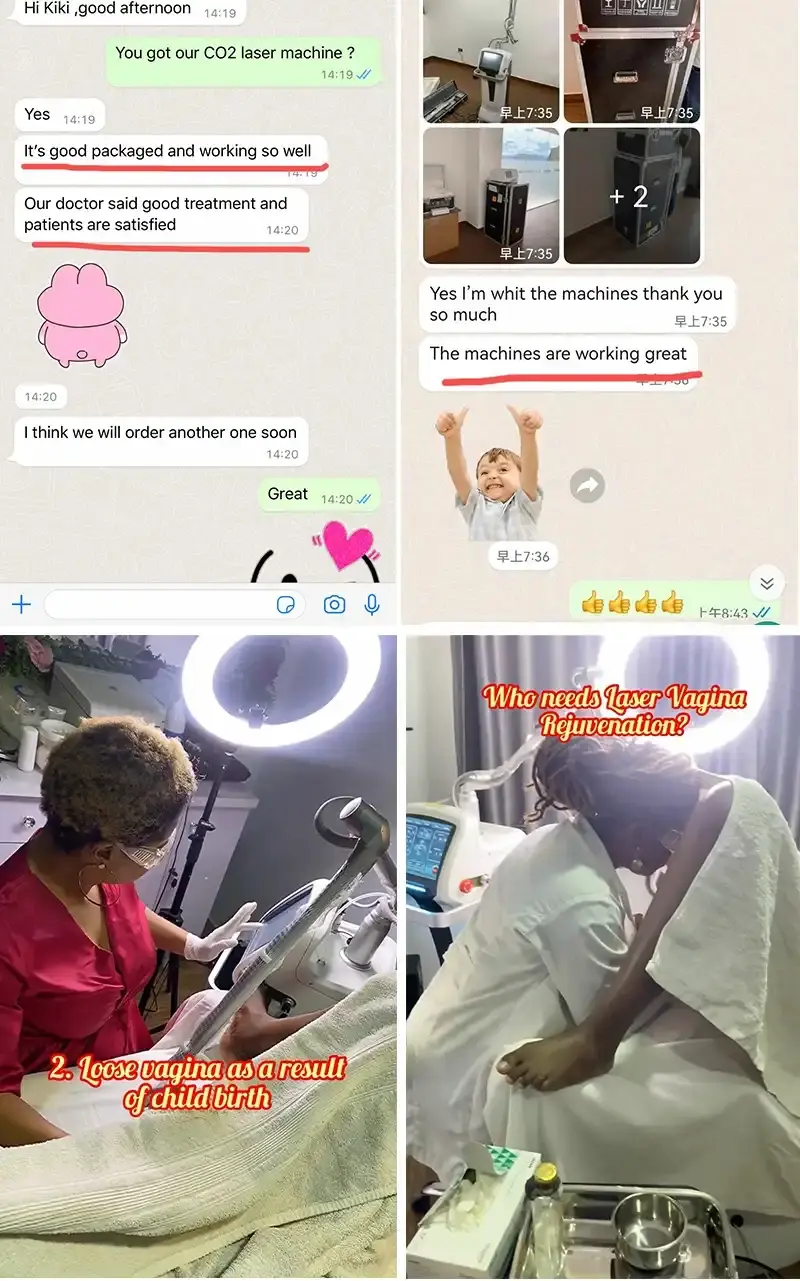
The versatility of fractional CO2 technology enables revenue diversification through multiple treatment offerings. Acne scar revision addresses one of dermatology's most challenging conditions, with TB systems effectively treating icepick, boxcar, and rolling scar morphologies. Periorbital rejuvenation targets crow's feet and lower eyelid texture irregularities where precision proves essential to avoid complications. The specialized vulvar and vaginal modes expand service lines into functional aesthetics, treating stress urinary incontinence and vaginal atrophy through mucosal tissue remodeling. Skin-tightening applications for face and neck laxity appeal to aging demographics seeking non-surgical alternatives to facelifts. This clinical breadth maximizes equipment utilization and return on investment.
Maximizing Investment Value and Future Trends
Revenue Generation and Treatment Pricing
CO2 fractional laser treatments are expensive because they are so effective and require specific equipment. Average procedure expenses are generally $ 1,500- $ 4,000, depending on the size of the treatment region and the market circumstances in the geographic area. A properly used system doing 15-20 treatments a month will produce $25,000-$60,000 a month in income. Gross profit margins are generally 60-70%+ per procedure when taking in the cost of equipment, consumables, staff time, and overhead of the facility. Package pricing for multi-session procedures fosters patient commitment and improves cash flow predictability. Premium packages include CO2 treatments with adjunct services like PRP therapy or topical growth agents to boost average transaction values.
Emerging Technologies and Protocol Innovations
The aesthetic device business continues to improve fractional CO2 capabilities via technology development. Newer systems provide AI-assisted parameter suggestions based on skin analysis to reduce operator variability and improve consistency. Hybrid platforms that combine CO2 with radiofrequency radiation hold promise for improved collagen stimulation with less thermal injury. Innovations in protocols, such as the combination of fractional therapies with exosome therapy or stem cell-derived growth factors, may magnify regenerative responses. Keeping abreast of these advances via manufacturer collaborations, industry conferences, and peer-reviewed publications, clinical products stay competitive as patient expectations shift.
Regulatory Compliance and Sustainable Practices
Procurement of medical devices must consider regulatory requirements that differ by country. The TB fractional CO2 laser is CE marked to comply with the European market and ISO 13485:2016 certified to comply with the quality management system. Facilities that serve U.S. markets should confirm FDA permission for the particular clinical indications they provide. There is a growing desire to buy with the environment in mind thanks to sustainability pledges, such as energy-efficient designs, recyclable packaging, and manufacturer take-back programs to dispose of end-of-life equipment. Documenting regulatory compliance and responsibility for the environment enhances institutional credibility and reduces legal and reputational threats.
Conclusion
For aesthetic offices dedicated to providing revolutionary patient results, CO2 fractional laser skin resurfacing is an important technique. The financial investment required for clinics wishing to distinguish their service offerings might be justified by the precise control, versatility, and proven performance of contemporary fractional systems. Armed with this introduction to the technological underpinnings, comparative benefits, and purchasing considerations, decision-makers may more easily choose the equipment that best matches their clinical goals and business models. The TB fractional CO2 laserplatform is an example of how cutting-edge engineering, full support, and competitive value marry to create successful adoption and ongoing practice growth.
FAQ
1. How long does recovery take after CO2 fractional laser treatment?
Most patients experience 5-7 days of visible healing, during which mild redness and peeling occur. Complete tissue remodeling continues beneath the surface for 3-6 months. This represents a significant improvement over traditional fully ablative CO2 lasers that required 14-21 days of social downtime.
2. How does fractional CO2 compare to microneedling for acne scars?
Fractional CO2 laser delivers superior results for moderate to severe acne scarring through deeper dermal penetration and more robust collagen stimulation. Microneedling effectively treats mild texture concerns and serves well for maintenance, but cannot match the dramatic remodeling achieved with thermal laser energy for significant scarring.
3. What factors influence fractional CO2 laser equipment pricing?
Equipment costs reflect power output capabilities, cooling system sophistication, articulated arm quality, software features, and manufacturer support infrastructure. Systems ranging from $ 15,000 to $ 45,000 suit different practice scales and clinical requirements. Total cost of ownership, including maintenance, consumables, and training, should inform purchasing decisions beyond initial acquisition price alone.
Partner with TB for Your Fractional CO2 Laser Needs
TB delivers comprehensive solutions for aesthetic practices seeking a reliable fractional CO2 lasermanufacturer. Our Xi'an-based factory combines 15 years of production expertise with rigorous quality control, evidenced by CE and ISO 13485 certifications that meet international medical device standards. The TB fractional CO2 system features advanced specifications including 40W actual output power, water cooling reliability, and versatile treatment modes addressing everything from acne scarring to vaginal rejuvenation. Our two-year warranty exceeds industry norms, while 24-hour technical support and comprehensive training resources ensure seamless integration into your clinical workflows. Contact susan@taibobeauty.com to discuss OEM customization options, competitive pricing for volume purchases, and how our proven technology can elevate your aesthetic practice's capabilities and profitability.
References
1. Anderson RR, Donelan MB, Hivnor C, et al. "Laser treatment of traumatic scars with an emphasis on ablative fractional laser resurfacing: consensus report." JAMA Dermatology 150.2 (2014): 187-193.
2. Carniol PJ, Hamilton MM, Carniol ET. "Current status of fractional laser resurfacing." JAMA Facial Plastic Surgery 17.5 (2015): 360-366.
3. Alexiades-Armenakas MR, Dover JS, Arndt KA. "The spectrum of laser skin resurfacing: nonablative, fractional, and ablative laser resurfacing." Journal of the American Academy of Dermatology 58.5 (2008): 719-737.
4. Tierney EP, Kouba DJ, Hanke CW. "Review of fractional photothermolysis: treatment indications and efficacy." Dermatologic Surgery 35.10 (2009): 1445-1461.
5. Brightman LA, Geronemus RG, Reddy KK. "Laser treatment of port-wine stains." Clinics in Dermatology 30.5 (2012): 465-472.
6. Hantash BM, Bedi VP, Chan KF, Zachary CB. "Ex vivo histological characterization of a novel ablative fractional resurfacing device." Lasers in Surgery and Medicine 39.2 (2007): 87-95.





YOU MAY LIKE