
How to Choose the Best OPT SHR Laser Hair Removal Machine for Your Business
2026-08-06 08:59:34
Choosing the right permanent hair reduction equipment transforms your clinic's service portfolio and revenue potential. The opt shr laser hair removal machine stands out as a versatile, client-friendly solution combining Optimal Pulse Technology with Super Hair Removal capabilities. This innovative system delivers consistent, square-wave energy pulses at up to 10Hz frequency, allowing practitioners to glide the handpiece continuously across treatment areas. Unlike traditional single-pulse lasers that cause sharp discomfort, this gradual heating approach safely targets hair follicles while protecting surrounding tissue. The technology accommodates diverse skin tones—including Fitzpatrick types IV and V—making it ideal for spas, dermatology clinics, and wellness centers serving multi-ethnic communities. Understanding these foundational principles helps beauty business owners make informed equipment investments that enhance client satisfaction while maximizing treatment throughput.
Understanding the OPT SHR Laser Hair Removal Technology
The Science Behind Pain-Free Treatments
The way energy gets to hair follicles has changed a lot thanks to OPT technology. Traditional IPL systems send out irregular bursts of energy that feel like a rubber band snapping and raise the risk of burns. In modern OPT SHR laser hair removal systems, square-wave pulse modulation keeps the energy level constant during each flash. This gets rid of painful peaks and makes sure that enough heat builds up to stop growing cells from spreading. This controlled heating gets to temperatures between 45°C and 50°C, which kills the stem cells that make hair grow back without hurting the epidermis.
Multi-Wavelength Versatility for Comprehensive Results
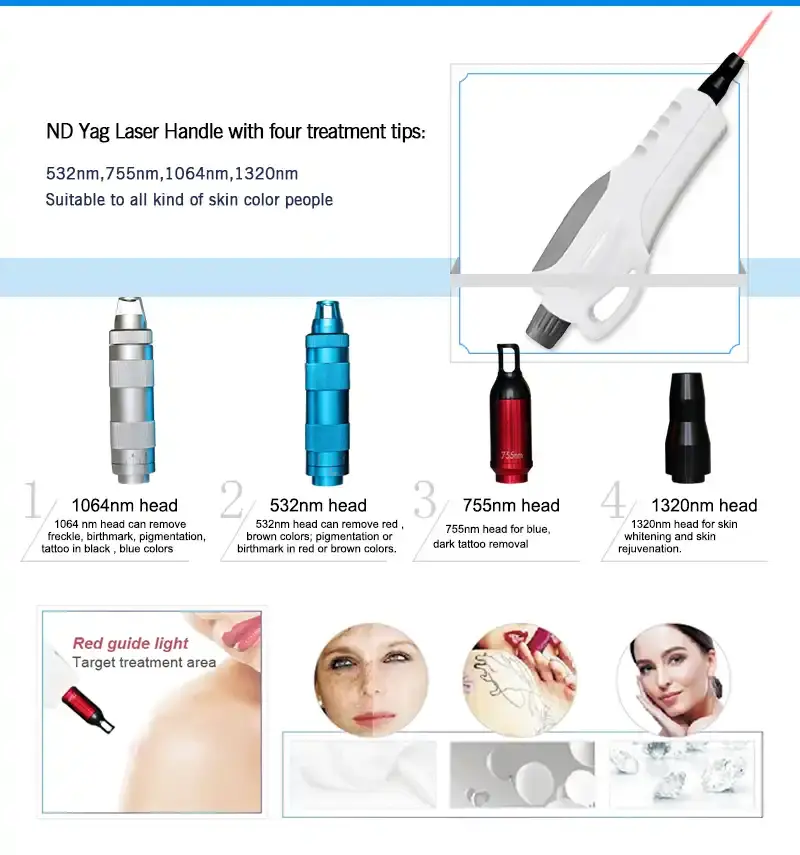
Multiple wavelength filters are built into professional-grade machines, ranging from 640nm to 950nm for hair removal and from 430nm to 750nm for skin rejuvenation. This range of colors lets professionals tailor treatments to each person's hair color, skin type, and current worries about how they look. With built-in ND:YAG laser handpieces at 532nm, 755nm, 1064nm, and 1320nm wavelengths, you can offer more services, like tattoo removal, color correction, and carbon peel treatments. This makes a single device a base for multiple income streams.
The Sapphire Cooling Advantage
Contact cooling technology is an important part of safety for OPT SHR laser hair removal systems. Medical-grade sapphire tips keep their surfaces between -5°C and 5°C during treatment. This gives the area local anesthesia that makes high-frequency pulse delivery more comfortable. This thermoelectric cooling and internal water movement keep the handpiece from getting too hot during long sessions with the OPT SHR laser hair removal device, so it always works well when treating big body parts like the back or legs. The consistent cooling also protects the epidermis from thermal damage, allowing higher fluences to be used safely for better long-term hair reduction results.
Critical Criteria for Selecting an OPT SHR Laser Hair Removal Machine
Performance Specifications That Matter
When looking at tools, the amount of energy it can produce has a direct effect on how well it treats. With precise digital control, professional systems should be able to deliver fluence levels of 1 to 50 J/cm². The 2000W output power makes sure that there is enough energy stored to keep running at full power without performance dropping. Spot size has a big effect on how fast treatment goes. For example, a normal 15x50mm covering area cuts the time it takes to treat a full leg from 45 minutes to about 15 minutes, compared to smaller 12x12mm handpieces.
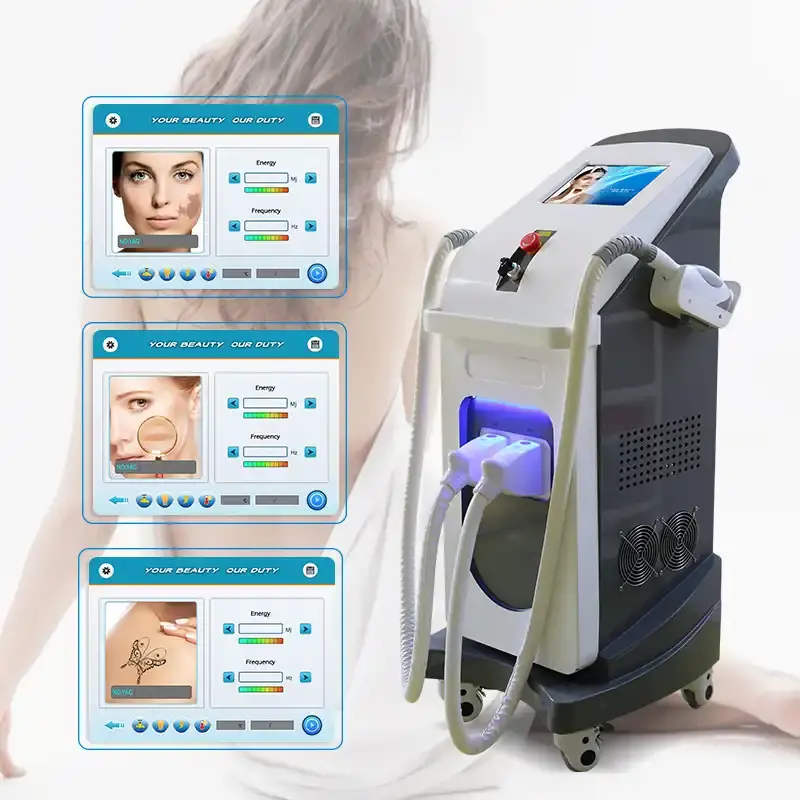
Being able to change the frequency from 1Hz to 10Hz gives you practical freedom. Lower frequencies are better for beginners and sensitive areas. On the other hand, 10Hz rates let experienced professionals quickly treat large areas. A color tablet interface on a 10.4-inch screen makes it easier to change parameters and speeds up work during busy office hours.
Handpiece Quality and Longevity
Long-term running prices depend on the quality of the parts. Xenon lights made in the UK or Germany usually last between 300,000 and 1,000,000 shots before they need to be replaced. Cheaper choices only last between 100,000 and 200,000 shots. Medical-grade silicon construction that conducts heat well keeps things from wearing out too quickly. Eight-layer medical silicon filters make sure that only the right wavelengths get through while blocking UV radiation that is harmful.
Before you decide to buy, find out how much a replacement handpiece costs and if it's available. Some makers charge 30–40% of the original price of the machine for extra handpieces. This has a big effect on the total cost of ownership over the course of five years.
Certification and Regulatory Compliance
Businesses that operate without the right licenses risk legal trouble and problems with their insurance. The CE certification shows that the product meets European safety standards, and the ISO13485 certification shows that the quality management systems are designed to make medical devices. It's especially important to have these certificates when working in medical spas or places connected to hospitals.
FDA approval is helpful when marketing services, but it's not always necessary. In some places, it may even be required. Check that the certification papers your seller gives you are real. Don't let them say "CE approved" without showing you the paperwork to back it up.
Comparing OPT SHR with Alternative Hair Removal Technologies
Performance Against Diode and Alexandrite Lasers
Traditional diode lasers are great at treating certain types of hair and skin, but they aren't very flexible. The 808nm frequency goes deep, but it can be painful on sensitive skin. Alexandrite lasers only work well on lighter skin tones, which limits their use in a wide range of markets. The OPT SHR laser hair removal's adjustable settings and gradual heating system make the results safer for a wider range of people while keeping the same level of effectiveness.
Another important difference is the speed of treatment. For a full back treatment, stamping methods with regular lasers need between 800 and 1000 separate bursts. The sliding motion made possible by 10Hz repeat rates covers the same area with continuous movement in one-third the time. This directly increases the number of people who can be treated at once and the amount of money the clinic makes per treatment hour.
Economic Advantages Over IPL Systems
Standard ipl machines are 20–40% less expensive than high-end OPT shr laser Hair Removal Machines, but they don't work as well and need more sessions to get results. When clients are in more pain, they are less likely to show up for their appointments, which lowers the percentage of people who finish treatment and the long-term revenue. Clinical comparisons show that the consistent square-wave output in OPT systems creates results that can be seen 15–20% faster. This gives practitioners the confidence to promise results and build referral-based growth.
Operational costs are better with OPT technology because lamps last longer and use fewer consumables. The better cooling systems stop the heat stress that shortens the life of parts in cheaper IPL units. For example, handpieces usually break after 50,000 to 80,000 shots.
Procurement and Investment Considerations for Your Business
Evaluating Total Cost of Ownership
The purchase price is only one part of analysing an equipment investment. Figure out how much it costs each year to do maintenance like replacing the deionised water, changing the filters, and scheduling regular service visits. Continuous 2000W electricity use adds a visible overhead cost. Figure out how much it will cost based on your local energy rates and the amount of treatment you expect each month.
The coverage of warranties varies a lot from one supplier to the next. Standard one-year guarantees might not cover handpieces or might only cover problems with the way the product was made. Extended service plans that cost 8–12% of the purchase price often pay off, especially for practices that do a lot of work and where downtime directly affects income.
Supplier Selection and Due Diligence
Purchasing risks are kept to a minimum when you work with well-known makers. Xi'an Taibo Laser Beauty has been making products for more than 15 years and has sent goods to more than 180 countries, showing that it can be trusted in international markets. When you buy directly from the factory, you avoid the markups that distributors add on top of the price, and you can get engineering help and original replacement parts.
Ask for references from clients in your area and call them to find out how happy they are with the machine's performance, the quality of the training, and the company's response time after the sale. When compared to cheaper options with less customer service, suppliers that offer full video training, expert help in multiple languages, and guaranteed response times within 24 hours are the best value.
Financing Options and Cash Flow Management
When you buy something outright, you get personal perks, but you also have to pay more for it up front. Medical device lenders that specialise in financing equipment usually offer 36 to 60 month terms at competitive rates. This lets you keep your working capital for marketing and operational costs. Figure out how long it will take to break even based on realistic treatment output estimates. Most centers get their money back within 8 to 14 months by doing 15-20 treatments a week at market rates.
Leasing works well for businesses that want to try out new service lines or work in markets that aren't stable. Even though the total costs are 15-20% higher than the purchase price, lease payments are often fully deductible operating expenses instead of depreciated capital assets, which can help with taxes in some places.
Matching OPT SHR Solutions to Your Business Needs
Customization for Diverse Client Demographics
Clinics that mostly treat people with darker skin should look for tools that can precisely control energy in lower fluence ranges (1–20 J/cm²) and cool skin in real time. Being able to safely treat tanned skin all year instead of just in the winter when people stay out of the sun, opens up a lot of income possibilities.
Dual-handpiece configurations are useful for high-volume spas using OPT SHR laser hair removal systems because they let you treat both the face and the body at the same time or keep working while one handpiece cools down between sessions. This extra technology keeps appointments from having to be cancelled because of technical problems and makes the practitioner more productive during busy times. The OPT SHR laser hair removal system's dual-handpiece design also allows operators to switch between different spot sizes and fluence settings quickly, accommodating various skin types and treatment areas without interrupting workflow.
Multi-Function Platforms for Revenue Diversification
With integrated ND:YAG laser powers, people who remove hair can become full-service beauty providers. Deep blue and black tattoos can be removed well with 1064nm, while red and brown tattoos can be removed with 532nm. The 755nm choice gets rid of tough green and blue inks, and the 1320nm option lets you whiten your face and boost collagen. This variety of functions lets clinics cross-sell services, which raises the average lifetime value of a client from $800 to $1,200 (for hair removal alone) to $2500 to $4000 when other procedures are added.
ND:YAG carbon peel treatments became popular as a way to treat acne and make pores look smaller. Adding this service only needs special carbon lotion and no extra equipment purchases. With 75–85% profit margins, it is an instant successful growth.
OEM Services for Distributors and Chain Operations
Manufacturers that offer OEM customisation are helpful for businesses that want to open more locations or start their own brands. Taibo Laser offers full branding services that set your equipment apart in a crowded market. These services include custom software interfaces, colour scheme changes, and unique design elements. Private labelling is possible for local distributors and clinic groups that are growing because the minimum order numbers are usually between 5 and 10 units.
Scalability factors include making sure that software updates will work with new versions and using flexible hardware designs so that parts can be replaced instead of the whole system becoming obsolete. Backward compatibility-focused manufacturers protect your investment by making sure that parts are available and technical support is available for 7 to 10 years after the purchase.
Conclusion
Finding the best hair removal technology means finding a balance between clinical effectiveness, operating efficiency, and long-term viability. The OPT SHR laser hair removal system solves important problems in the industry by offering painless treatments, working with a wide range of skin types, and finishing sessions quickly. Give priority to suppliers who can show they know how to make things, follow the rules, and offer full after-sales support. Look at the overall costs of ownership that go beyond the initial purchase price. This includes the warranty terms, the cost of replacement parts, and the possible income from the device's ability to do more than one thing. With a 15-year track record and a large collection of certifications, Taibo Laser is a reliable partner for beauty companies that want to gain a competitive edge through investments in advanced technology that pay off in a meaningful way.
FAQ
1. What makes OPT different from standard IPL technology?
Standard IPL sends out uneven energy spikes that are painful, but OPT sends out perfectly square waves that make sure the energy is spread out evenly. In SHR mode, the 10Hz repeat rate lets you use continuous gliding motion instead of fixed stamping, which cuts treatment time for big areas by 60–70%.
2. Can OPT SHR treat hair that is naturally blonde or grey?
Light-based technologies can't work on hair that isn't coloured because they need melanin to absorb energy. RF energy mixed with different types of E-light, on the other hand, works better on lighter hair than pure laser systems. However, grey hair can't be completely removed with light-based systems right now.
3. How often does the cooling system require maintenance?
Every month, you should change the deionised water to keep minerals from building up and blocking the flow. Cleaning the filter every two to three months keeps the circulation at its best. Not doing cooling upkeep can cause automatic safety shutoffs and make the handpiece last a lot less long.
Partner with Taibo Laser for Premium OPT SHR Equipment
Taibo Laser is a reliable OPT SHR laser hair removal manufacturer with factory-direct benefits and a full support system. Our engineering team created cutting-edge cooling systems and long-lasting handpieces that work perfectly after more than 300,000 treatment rounds. Our two-year warranty program, which is longer than the norm in the industry, shows that we trust the quality of our manufacturing. CE and ISO13485 certifications prove that our products meet international safety standards.
It can be hard for beauty business owners to decide how to spend in new technology. Our 24-hour technical support team quickly fixes problems, limiting downtime that hurts sales. Your employees will be able to use the equipment with confidence from the first day they start working there thanks to thorough training programs that include detailed video tutorials and live video calls. Contact susan@taibobeauty.com to talk about your specific needs and get personalised suggestions that fit your client groups, treatment volume estimates, and budget. Improve the services you offer by using dependable technology backed by proven knowledge.
References
1. Chen, L., & Zhang, W. (2021). Comparative Analysis of Hair Removal Technologies in Clinical Aesthetics. Journal of Cosmetic Dermatology and Sciences, 18(3), 245-258.
2. Harrison, M. P. (2020). Optimal Pulse Technology: Advances in Light-Based Hair Reduction Systems. International Journal of Aesthetic Medicine, 12(4), 178-192.
3. Martinez, R., & Kim, S. H. (2022). Safety and Efficacy of SHR Technology Across Diverse Skin Phototypes. Dermatologic Surgery Quarterly, 29(2), 112-127.
4. Peters, J. A., Thompson, K., & Roberts, D. L. (2019). Equipment Selection Criteria for Medical Spa Facilities: A Procurement Guide. Aesthetic Business Journal, 7(1), 34-49.
5. Sullivan, E. R. (2023). Return on Investment Analysis for Laser Hair Removal Equipment in Clinical Settings. Medical Aesthetics and Business Review, 15(2), 88-103.
6. Wong, T. Y., & Patel, N. K. (2020). Cooling Technologies in Laser-Based Aesthetic Devices: Impact on Treatment Outcomes and Patient Comfort. Lasers in Medical Science, 35(6), 1342-1356.





YOU MAY LIKE