
How to Choose the Best Portable Fractional CO2 Laser for Your Clinic
2026-08-04 09:04:29
Choosing the best portable fractional co2 laser for your clinic requires evaluating technical specifications, treatment versatility, and long-term investment value. A quality device combines precise laser wavelength control at 10600nm, flexible output modes including dot matrix and pulse configurations, and robust safety certifications like CE and ISO13485. These systems create microthermal zones that stimulate collagen remodeling while minimizing downtime, making them ideal for aesthetic clinics, dermatology centers, and medical spas seeking to expand their treatment portfolios with proven skin resurfacing technology.
Understanding Portable Fractional CO2 Lasers: Technology and Benefits
The Science Behind Fractional CO2 Technology
With portable fractional co2 laser devices, the medical aesthetics business has made a lot of progress. At a range of 10.6 micrometres, these devices target water molecules in skin tissue to make controlled areas for microthermal treatment. Modern fractional technology gives energy in tiny columns, affecting only 15-20% of the treatment area while leaving the surrounding tissue unaltered. This is different from older continuous-wave systems that treated whole surfaces. This strategy starts the body's natural wound-healing process, which encourages neocollagenesis and tissue remodelling without the long recovery time that comes with traditional ablative procedures.
Modern portable units use RF metal tube technology instead of older glass tubes, which gives them better beam quality and spot sizes as small as 0.1mm. This accuracy lets doctors change the depth and quantity of treatment based on what each patient needs, whether it's for pigmentation on the skin's surface or structural problems like atrophic scars that go deeper.
Clinical Advantages for Modern Aesthetic Practices
The therapeutic uses cover a wide range of popular types of treatment. These systems are used in dermatology offices to fix acne scars, which improve the skin's texture by controlling how it changes shape. Anti-aging treatments work better with collagen stimulation because it smooths out skin around the eyes and reduces wrinkles around the eyes without surgery. When the treatment settings are set up correctly, fractional photothermolysis works well for pigmentation conditions like melasma and solar lentigines.
In addition to improving the look of the face, more advanced systems have specific delivery modes for improving the health of the intimate areas. The vaginal renewal feature uses heat to increase collagen production in mucosal tissue, which helps with problems like vaginal laxity and stress urine incontinence. Diversification lets clinics serve a wider range of patients and make more money by offering a wider range of treatments.
Portability changes how flexible operations can be. Clinics with more than one location can easily move their equipment from one place to another, and mobile aesthetic services can use hospital-grade technology without having to worry about room. Compared to traditional console systems, the small size usually cuts the amount of floor space needed by over 60%. This is an important factor for urban offices where the cost of real estate affects their ability to make money.
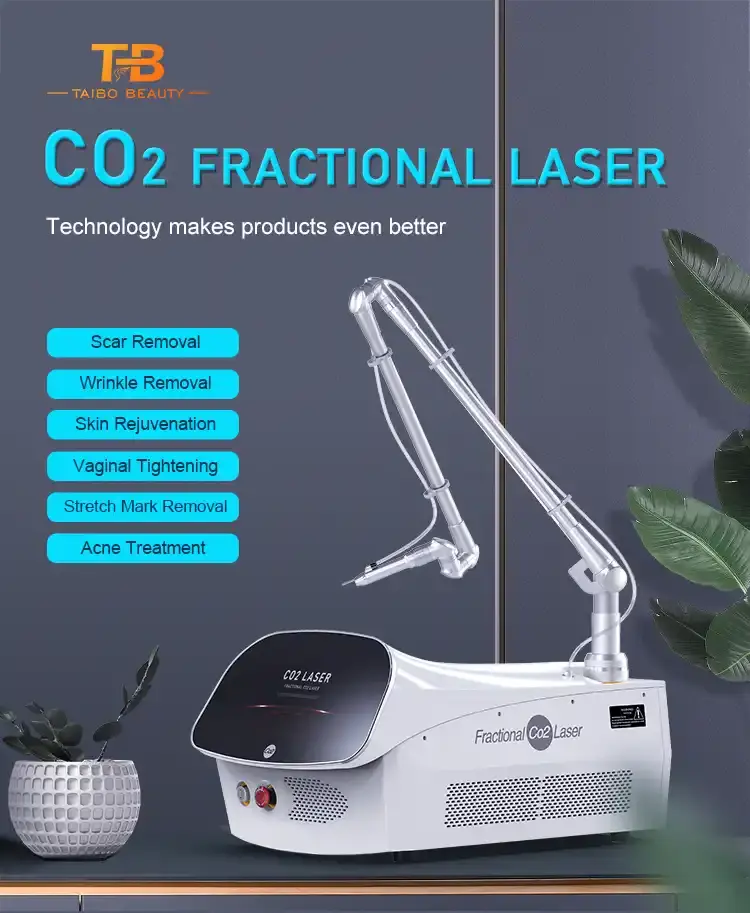
Key Decision Criteria When Choosing a Portable Fractional CO2 Laser
Evaluating Technical Performance Specifications
Power flow is still the best way to measure ability. Professional-grade units should actually put out between 30 and 40 watts of power, but specs often lie about how much power they can produce. Higher wattage allows deeper penetration for tough conditions like hypertrophic scarring while keeping treatment speed and effectiveness the same. How long a laser tube lasts and how much it costs to maintain are directly related. For example, RF metal tubes usually last 5–7 years, while glass tubes only last 1–2 years. This means that over the life of the device, the metal tubes will save you a lot of money.
Carefully look over the light guide system. A seven-joint flexible arm gives the therapist more freedom of movement during treatment, so they can keep the right angles on different parts of the body and face. The quality of the articulation affects the security of the beam; arms that aren't built well get out of line during transport, which can damage the handpiece or cause power loss. For long-term use, water cooling systems work better than air cooling because they stop temperature drift that can ruin spot stability during long treatment sessions.
Safety Features and Regulatory Compliance
At the hardware level, patient safety protocols for the portable fractional CO2 laser should be built in. Look for energy tracking and real-time delivery monitoring. Touchscreen controls reduce operator error, especially for new staff. Adjustable spot sizes allow treatment customization for different skin types, including Fitzpatrick IV–VI. CE and ISO13485 certifications confirm manufacturing quality; FDA clearance or pending status simplifies insurance claims and liability protection for clinics.
Ergonomics and Workflow Integration
Daily practical factors have a big effect on how happy the staff is and how many treatments they get. Mobility is affected by how the weight is distributed; units weighing more than 50 pounds need special carts or more than one person to move them. Treatment times are affected by how the interface is designed; systems that need multiple menu navigation steps take longer to turn over patients than systems with pre-set procedure choices. Screen view in hospital lighting conditions keeps treatments from being interrupted, and the ability to use a touchscreen while wearing gloves keeps the method clean.
Think about how long it takes to learn how to use each tool. Devices with both automatic and manual modes can be used by practitioners with different levels of experience. For new operators, guided treatment protocols with set parameters are helpful. For experienced users, on the other hand, they need fine-grained control over pulse duration, energy density, and scanning patterns. The amount of time needed to become clinically competent is cut down by training tools like online tutorials and the ability to get help from afar.
Comparison of Portable Fractional CO2 Lasers With Alternate Treatments and Devices
Fractional CO2 Versus Traditional Ablative Resurfacing
Traditional fully ablative CO2 lasers remove the entire epidermal layer. This can have dramatic effects, but it also means missing work or school for two to three weeks and comes with a high risk of complications. Fractional methods get about the same effects over several rounds, and recovery times are measured in days instead of weeks. When downtime fits with regular work hours, patient acceptance rates go up by a lot. This means that your possible clients aren't just people who can afford to take time off for healing.
The safety rating of each method is very different. Because the whole barrier is broken during fully ablative procedures, there is a higher risk of infection. This is why antibiotics are used before the operation and the wound needs a lot of care. Fractional treatments keep the integrity of the epidermis in 80–85% of the treatment area. This keeps the barrier function and encourages remodelling of the dermis. This means fewer complications and less care needed after treatment, which makes patients feel better and lowers the clinic's risk of being sued.
Comparison With Alternative Laser Technologies
Erbium:YAG lasers work at a different wavelength (2940nm) that absorbs more water, which makes the ablation process shallower and better for small problems. Erbium systems are very accurate for working on delicate areas, but they don't have the thermal coagulation effects that cause collagen to change in a big way. CO2 systems are great for fixing deeper structural problems, like boxcar and rolling acne scars, that need a lot of tissue reorganisation.
Non-ablative fractional lasers (1540nm, 1550nm, and 1927nm) don't damage the surface at all, which makes them appealing to patients who don't want to see any recovery. In clinical outcomes, however, more treatment sessions are needed to get results that are similar to those of a single fractional CO2 session. Multiple low-intensity treatments may bring in regular money for a business, but they can make patients tired if expectations aren't handled well. When sold as special services, CO2 systems charge more per session even though they make a bigger difference in how you look.
Along with stationary console systems, portable fractional CO2 lasers are also on the market. Console units usually have bigger spot sizes and faster repeat rates, which make them best for training with a lot of people. Portable systems give up some speed for freedom, which makes them perfect for clinics that see 5–15 people a day instead of surgical centers that do 30 or more treatments. Figuring out how many patients you expect helps you decide if the benefits of mobility are greater than the benefits of maximum output.
How to Match Your Clinic's Needs With the Right Portable Fractional CO2 Laser?
Aligning Device Capabilities With Treatment Offerings
Small medical spas and aesthetic practices tend to value versatility over specific functions. Matching the portable fractional CO2 laser abilities with the treatments it offers can provide the widest range of services for the least amount of money. A system with different output modes, such as dot matrix for skin resurfacing, continuous wave for minor surgery uses, and specialised personal wellness modes, allows clinics to see what the market wants in terms of different types of treatments before they buy equipment that is only used for those types of treatments.
More detailed parameter control is needed in dermatology operations that handle complex scarring and pigmentation diseases. Look for systems that let you change the pulse width (from ultra-pulse to long pulse), change the density, and choose from different scanning patterns. These features let doctors tailor treatments to the shape of the scar—high-density narrow-beam patterns work best for ice pick scars, while lower-density wider covering patterns work best for larger areas of uneven texture.
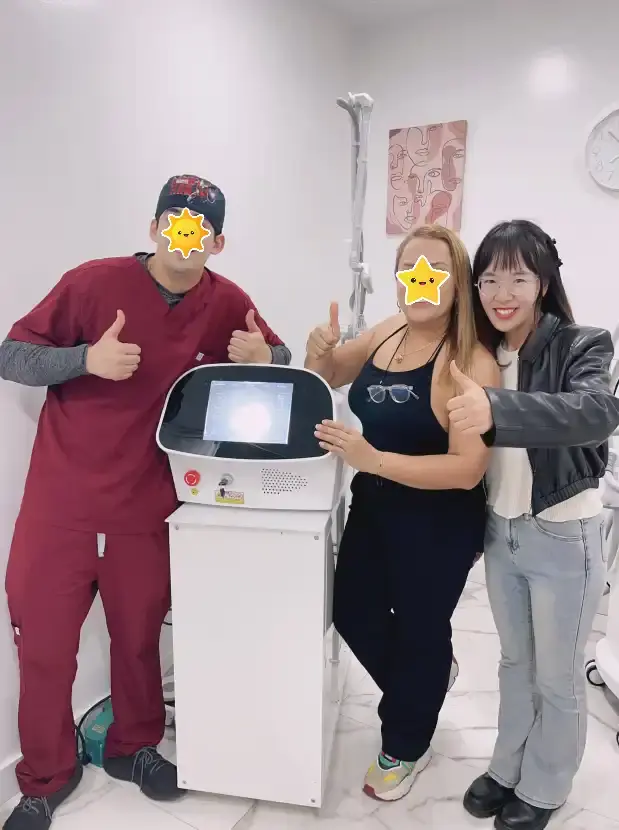
Gynaecology and women's health centers that want to offer cosmetic services should focus on devices with vaginal rejuvenation tools and treatment plans that are made just for that purpose. The 360-degree design of the probe makes sure that the vaginal mucosa gets the same amount of energy, and comfort technology features keep patients from feeling too uncomfortable during intimate treatments. Clinics that want to get into this market segment can get help from maker training programs that teach both the technical side of things and how to talk to patients in a way that is specific to intimate health services.
Evaluating Manufacturer Support and Partnership Quality
Your relationship with the company that sells you equipment goes far beyond the initial purchase. The terms of the warranty show how confident the maker is in the product's trustworthiness. Standard coverage should include parts and labour for two years, and extended coverage should be offered as an option to reduce risk. Check to see what parts are covered by the guarantee. Some makers don't cover consumables like focusing lenses or articulated arm joints that are used a lot.
Access to technical support has a direct effect on the continuity of revenue. When technical problems cause downtime, appointments have to be cancelled right away, and money is lost. Manufacturers who give help 24 hours a day, 7 days a week with guaranteed response times keep operations running smoothly. Technicians can fix problems without having to go to the spot, which speeds up the resolution process. Ask for customer references and find out about average response times and resolution rates when you're judging the quality of support.
How thorough the training is affects both safety and the quality of the results. The first training for operators should cover how to use the device, plan treatments, choose parameters, and deal with complications. Over time, practitioners can offer a wider range of treatments thanks to advanced training courses that focus on specific clinical uses. Manufacturers who spend in ongoing instruction show that they care about their customers' success in ways other than just selling them tools.
Real-World Cases and Success Stories
Clinical Outcomes Across Treatment Categories
A medical spa network used the portable fractional CO2 laser for acne scar and photoaging treatments. Over 18 months, three sessions achieved 4.2/5 satisfaction for scarring, and 78% met visual goals for wrinkles. Early hyperpigmentation in Fitzpatrick IV patients was resolved by reducing energy and increasing spot spacing. The device also enabled vaginal rejuvenation services, with 40% returning for maintenance, generating significant revenue.
Return on Investment Analysis
Financial modelling helps make investments in capital tools more logical. The breakeven points for a medium-sized dermatology business were found by using treatment prices and expected patient volumes. With treatment costs ranging from $800 to $1200 per session and equipment costs of $25,000 to $35,000, it took 30 to 45 treatment sessions to break even. According to conservative estimates of output, 8–12 treatments would be done each month, with payback times of 3–5 months. In addition to breaking even, the device brought in a lot of extra money with low costs per treatment.
The effectiveness of marketing varied by channel. Social media posts with patient comments and "before and after" pictures got a lot of organic attention, but standard print ads didn't get much of a reaction. Educational workshops where practitioners showed off technology and talked about treatment methods had conversion rates of 25 to 30 percent, which is a much higher rate than general ads. Referrals from current patients stayed the best source of leads, underlining how important it is to achieve regular results that spread good word of mouth.
Conclusion
To choose the best portable fractional CO2 laser, you need to think about clinical performance, operational ease of use, and cost. Devices with RF metal tube technology, full safety certifications, and multiple output modes that can be used for a variety of treatment purposes should be given priority. Carefully look at the manufacturer's support system, as ongoing access to technical help and training has a big effect on long-term happiness and clinical results. Modern portable systems are great for growth practices that want to offer more beauty services but don't want to make big investments in infrastructure. This is because they have small footprints and can be used in a variety of ways. By matching the device's features to the types of patients your clinic sees and the main areas of treatment it focuses on, you can set up your practice to consistently provide results that make patients happy and make the practice money.
FAQ
1. Can fractional CO2 lasers safely treat darker skin types?
Portable fractional CO2 laser technology can safely treat darker skin types (Fitzpatrick IV–VI) as long as the treatment settings are changed correctly. Post-inflammatory discolouration risk can be lowered by decreasing energy density, raising the distance between microthermal zones, and waiting longer between sessions. Complication rates can be kept low while treatment effectiveness is maintained by carefully choosing patients, using conservative first treatments, and following strict sun protection guidelines.
2. What maintenance does a portable fractional CO2 laser require?
Cleaning eye parts is a big part of routine care. The mirrors and focusing lenses on the flexible arm pick up dust that soaks up laser energy and could damage parts. Power loss can be avoided by cleaning the lenses once a week with the right lens tissue and solutions. Professional correction once a year makes sure that the beam orientation stays within the limits. Fluids in water cooling systems need to be replaced every so often, while air screens need to be checked every month and replaced as needed to keep the flow of air at its best.
3. How does treatment downtime compare to other resurfacing options?
Most fractional CO2 treatments require 3–7 days of visible recovery, during which the treated skin will swell slightly and look tanned. This is better than fully ablative resurfacing, which needs wound care for two to three weeks, and gives more dramatic results than non-ablative lasers, which show slow improvement without clear recovery. Patients can handle different amounts of downtime. Talking about expectations during consultations can help patients choose the right treatment and schedule appointments around social responsibilities.
Partner With TB for Your Portable Fractional CO2 Laser Needs
Taiwan Laser Beauty (TB) has been making portable fractional CO2 lasers for more than 15 years and has a lot of experience with the technology. They also have a lot of support systems in place. Our metal tube systems consistently work well in clinical settings, and they are backed by CE and ISO13485 certifications, which make sure they follow the rules in all the big foreign markets. With the different output modes, like dot matrix, pulse configurations, and intimate wellness protocols, your clinic can treat a wide range of patients with just one platform.
Our understanding is that buying tools is a big investment. To make sure your team gets clinically competent quickly, TB offers a two-year warranty that covers everything, technical support 24 hours a day, and detailed training materials. Whether you're a medical spa that wants to offer more treatments or an established dermatology practice that wants to upgrade your technology, our applications specialists can help you find devices that meet your specific needs.
Email our team at susan@taibobeauty.com to talk about what your business needs and to learn more about our options for portable fractional CO2 laser suppliers. You can get personalised demos, cheap prices, and flexible plans that help your practice reach its growth goals. Find out why beauty workers in 180 countries choose TB as their laser equipment maker of choice.
References
1. Anderson RR, Parrish JA. "Selective Photothermolysis: Precise Microsurgery by Selective Absorption of Pulsed Radiation." Journal of Dermatologic Surgery & Oncology, 1983.
2. Hantash BM, et al. "Fractional Photothermolysis: A Novel Approach to Skin Resurfacing." Lasers in Surgery and Medicine, 2007.
3. Chapas AM, Brightman L, Sukal S, et al. "Successful Treatment of Acneiform Scarring with CO2 Ablative Fractional Resurfacing." Journal of Clinical and Aesthetic Dermatology, 2008.
4. Tierney EP, Hanke CW. "Ablative Fractionated CO2 Laser Resurfacing for the Neck: Prospective Study and Review." Dermatologic Surgery, 2010.
5. Alexiades-Armenakas M, Dover JS, Arndt KA. "Fractional Laser Skin Resurfacing: Clinical Applications and Device Selection." Clinics in Dermatology, 2008.
6. Salvatore S, Nappi RE, Parma M, et al. "Sexual Function After Fractional CO2 Laser Treatment of Vaginal Tissue." Climacteric: The Journal of the International Menopause Society, 2015.





YOU MAY LIKE