
Liposuction Machine for Cosmetic Surgery Clinics: What to Know
2026-08-03 09:09:16
When considering advanced body contouring solutions for your clinic, understanding the capabilities of a surgical liposuction machine becomes fundamental to delivering exceptional patient outcomes. These sophisticated devices represent a significant investment, combining laser-assisted fat reduction technology with vascular treatment capabilities. Modern systems utilize 980nm diode laser technology to precisely target adipose tissue while minimizing trauma, offering cosmetic surgery centers a versatile platform that addresses multiple aesthetic concerns beyond traditional suction-based methods.
Understanding Surgical Liposuction Machines: Technology and Benefits
Core Functionality of Laser-Assisted Systems
As technology for getting rid of fat has improved, laser-assisted lipolysis has become a better option to traditional suction methods. Our TL-Lipo-2024 type has a 980nm diode laser system that can work at power levels between 20W and 40W. This means that doctors can change the strength of treatment based on the patient's body and the area being treated. The wavelength targets hemoglobin and fat cells specifically, causing controlled thermal disruption that melts fat tissue, making it easier to remove through fiber insertion points with limited access.
Traditional suction cannulas need a lot of force to be used, and they make bigger cuts. Laser lipolysis systems, on the other hand, use fiber-optic delivery mechanisms that are less than 1mm in diameter. This technology approach keeps surgeons from getting tired during long procedures and lets them work more precisely in sensitive areas like the submental region, jawline, and inner legs, where mechanical methods used to be more likely to cause problems.
Safety Features That Protect Both Patient and Practice
Many safety features are built into modern equipment to answer common procedure worries. Real-time temperature monitoring is built into the TL-Lipo-2024, and it can turn off automatically when tissue temperatures get too high. The adjustable pulse width (1-100ms) and frequency sets (1-10Hz) give you fine-grained control over the energy transfer, which keeps the skin from getting too hot, which could damage it.
The built-in ice compression hammer on the surgical liposuction machine does two things: it cools the area right after the treatment, which lowers swelling and pain for the patient, and it protects the skin during the procedure. This cooling technology keeps treatment areas within safe temperature ranges on the surgical liposuction machine. This greatly reduces the number of burns, uneven contours, and long recovery times that can hurt a clinic's reputation and patient satisfaction scores. The surgical liposuction machine's integrated cooling also allows surgeons to apply higher aspiration pressures more comfortably, improving fat removal efficiency without compromising patient safety.
Operational Advantages for High-Volume Clinics
The productivity and revenue of a clinic are directly affected by how reliable its equipment is. The continuous-use 980nm diode laser system has an impressive 10,000-hour operating lifespan. This means that it will work reliably for years, even in busy surgery centers. The 8.4-inch color touch screen makes work easier by making it easy to change parameters and get feedback on treatments in real time. This cuts down on the time needed to train new staff.
The solid-state laser design means that it doesn't need as much maintenance as older IPL and flash lamp systems did because it doesn't need to replace consumable lamps. This design choice lowers long-term running costs by a large amount while maintaining uniform performance over thousands of treatment cycles. This is a key factor when figuring out the total cost of ownership over the normal lifetime of equipment.
Comparing Surgical Liposuction Machines: Choosing the Right Technology for Your Clinic
Laser-Assisted Versus Traditional Mechanical Liposuction
The main difference between regular suction-assisted lipoplasty (SAL) and laser lipolysis is how the tissues interact with each other. Negative pressure (usually -0.95 bar) is given through rigid cannulas in traditional methods to physically break up and remove fat cells. This method works well for reducing large amounts of tissue in fibrous areas, but it requires a lot of strength from the user and causes a lot of tissue damage, which makes healing take longer.
Selective photothermolysis is how laser-assisted devices work. The laser energy only absorbs into target chromophores, like fat cells and hemoglobin, leaving surrounding connective tissue alone. This selectiveness has three clear benefits: it lowers bleeding during the procedure by coagulating blood vessels at the same time; it tightens the skin more by stimulating collagen below the skin's surface; and it makes the final shape smoother because fat is removed more evenly across the treatment plane.
Multifunctional Capabilities Beyond Fat Reduction
Advanced laser platforms are different from liposuction machines that only do one thing because they can be used for a variety of cosmetic purposes. The 980nm wavelength is great at treating vascular lesions, which means that the same device can be used to get rid of spider veins, treat telangiectasia, and treat varicose veins with EVLT. Clinics can use this ability to do more than one thing to offer more services without having to buy separate, specialized tools.
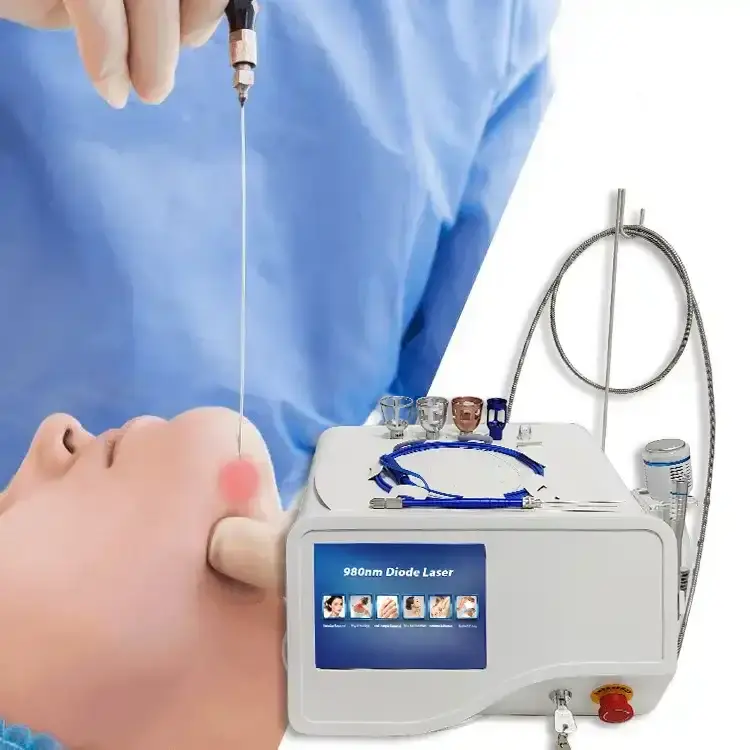
Skin renewal through collagen remodeling, nail fungus treatment, and physiotherapy uses are some of the other treatments that can be done. This flexibility is especially helpful for medical spas and dermatology offices that want to buy equipment that can help them make money in more than one way while staying within their capital equipment budget. Because practitioners can change certain parameters in treatment protocols to suit each patient's needs, they can use a single platform to address a wide range of issues, from minor cosmetic improvements to more extensive body contouring procedures.
Investment Considerations and Cost Structures
Buying equipment is a big financial commitment that needs to be carefully thought through in terms of both the initial costs and the long-term value. The two-year complete warranty on the surgical liposuction machine guards against unexpected repair costs during the important early operational period. When procurement managers look at price proposals for the surgical liposuction machine, they should think about the total cost, which includes the initial purchase price as well as costs for consumables (for example, fiber optics for lipolysis need to be replaced every so often), service contract options, and the device's potential to make money through its many treatment uses. The surgical liposuction machine's versatility across both traditional suction-assisted and laser-assisted lipolysis procedures enhances its revenue-generating potential, making it a more attractive investment compared to single-purpose devices.
When the equipment is added to existing cosmetic surgery or aesthetic dermatology practices, facilities that do a lot of procedures usually see a return on investment (ROI) within 8 to 12 months. The small size (45 x 40 x 120 cm) and light weight (30 kg) make it easy to put in standard treatment rooms without making any changes to the building. This saves money on renovation costs that come with installing bigger pieces of equipment.
Procurement Guide: How to Buy the Best Surgical Liposuction Machine?
Aligning Equipment Specifications with Clinical Needs
To do effective buying, you must first honestly evaluate your clinic's patient population and care areas of focus. Low-power levels that can be changed and exact fiber delivery systems work best for practices that focus on facial rejuvenation and small-area contouring. Facilities that offer full body shaping, on the other hand, need higher power (30–40W range) to effectively treat larger body parts like the belly and flanks within acceptable process times.
Treatment rate estimates affect how long equipment needs to last. Under normal conditions, the laser's 10,000-hour life span allows for about 2,000 to 3,000 treatments on patients. Clinics that are planning aggressive marketing campaigns or taking care of a lot of patients should make sure that this operational capacity meets their expected demand. If it doesn't, they may have to replace equipment too soon, which can throw off their financial plans.
Evaluating Manufacturers and Supplier Credentials
Verification of your certification keeps your business safe from legal problems and equipment performance problems. The TL-Lipo-2024 has CE certification and ISO13485 compliance, which show that it meets international standards for making medical devices. These credentials show that the company has put in place quality management methods at all stages of production, from finding parts to following the rules for final tests.
With established distribution networks that reach 180 countries, Xi'an Taibo Laser brings 15 years of specialized production knowledge to the market for beauty tools, including our surgical liposuction machine. This long history of operations suggests that the company is stable and has built up technical know-how that newcomers to the market can't match. When evaluating a supplier for the dermatology co2 laser machine, you should also look at their after-sales service infrastructure. Check to see if they offer technical support in English, where their spare parts are kept in relation to your facility, and how long it usually takes for them to respond to service requests for the dermatology CO2 laser machine. For the dermatology CO2 laser machine, our regional warehouses in the US and Europe maintain critical spare parts such as laser tubes, scanning motors, and handpieces, ensuring most repairs are completed within 48 hours of parts arrival.
Warranty Coverage and Financial Flexibility Options
Full guarantee terms lower the total cost of ownership by a large amount and provide operating security during the phase of integrating the equipment. The usual two-year warranty covers replacing parts that were damaged during production or that break down mechanically for reasons other than user error or normal wear and tear. Knowing what the guarantee doesn't cover can help you avoid unexpected costs. For example, consumable items like laser fibers aren't usually covered, and neither are damages caused by poor upkeep or unauthorized changes.
Payment flexibility lets different types of clinics use different financial strategies. Xi'an Taibo Laser takes a number of payment options, such as bank transfers, credit card processing, and PayPal. This lets purchasing managers schedule payments around budget cycles and cash flow issues. People who buy in bulk may be able to get big savings and extra services like on-site installation training. These are things that should be talked about when the contract is being made.
Best Practices for Operating and Maintaining Surgical Liposuction Machines
Operator Training and Safety Protocol Implementation
The level of sophistication of the equipment requires the same level of investment in staff competency development. A thorough training program should teach the student how to choose the right device parameters based on their treatment goals, how to insert fibers correctly so as not to damage the blood vessels, and how to spot signs of an adverse event during procedures. Xi'an Taibo Laser gives users full instructions and video training materials, as well as direct video consultation access until they are skilled.
Setting up standardized treatment procedures lowers the risk of complications and increases the consistency of patient results. The instructions should list the best power settings for different parts of the body, the right pulse lengths for different types of tissue, and breaks for cooling to keep heat from building up. The clinical team stays up to date on new best practices and improved techniques in the field of cosmetic surgery through regular procedure review sessions.
Preventive Maintenance Schedules and Equipment Longevity
Systematic maintenance keeps performance traits and increases the useful life of an operation beyond what the maker predicted. Daily procedures include using approved disinfectants to clean the outside, checking the handpiece for damaged fibers or worn connectors, and making sure the cooling system works. As part of your weekly tasks, you should check the calibration using the test methods provided by the maker and write down any changes in parameters that could mean that a problem is developing with a component.
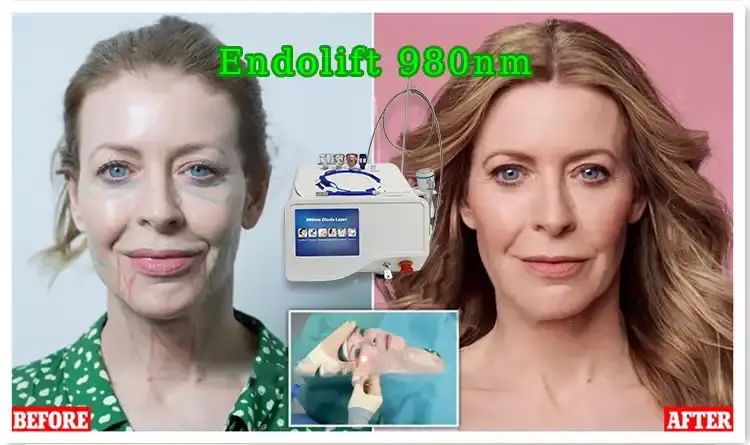
Comprehensive inspections that happen once a month give you a chance to find problems before they stop the process or raise safety concerns. Check that all the wire connections are tight, that the touch screen works properly, and that you can read the error logs that are saved in the system memory. The device has a built-in repair alert system that lets busy clinic staff know when service times are coming up. This way, they don't have to keep track of schedules by hand.
Troubleshooting Common Operational Challenges
Understanding common user mistakes speeds up troubleshooting and reduces downtime. Treatment failures often result from incorrect power settings for tissue density—fibrous areas need higher energy than light fat deposits. The adjustable light spot (four diameters) allows bulk volume reduction or precise work near neurovascular structures. Inconsistent outcomes stem from insufficient cooling between pulses; planned ice hammer breaks prevent thermal injury near the dermal junction. Maintaining detailed treatment logs enables pattern recognition and technique refinement over time.
Future Trends and Innovations in Surgical Liposuction Machines
Integration of Smart Technologies and Real-Time Monitoring
New versions of the surgical liposuction machine have artificial intelligence programs that look at how tissues react during procedures and change settings automatically to best disrupt fat while keeping nearby structures safe. These smart systems keep improving the way they give energy based on what works best for each patient group and the treatment data they collect on the surgical liposuction machine. Using real-time impedance monitoring to find out where the fiber is in relation to the tissue planes lets operators know when the fiber gets close to the skin or muscle fascia, where heat damage could happen with the surgical liposuction machine. This AI-driven feedback loop on the surgical liposuction machine not only enhances safety but also reduces the learning curve for new surgeons, as the system provides audible and visual alerts when approaching critical anatomical boundaries.
Connectivity features let you do online diagnostics and software changes that make devices more useful without having to buy new gear. Cloud-based treatment databases let clinics compare results to anonymous industry data, which helps them find ways to improve their techniques and position their services in a competitive market. These technological advances turn medical devices from passive tools into active partners in making clinical decisions. This lowers the variation in outcomes that depends on the operator.
Market Evolution and Changing Patient Expectations
Consumer demand increasingly favors minimally invasive procedures offering shorter recovery periods and reduced complication risks compared to traditional surgical approaches. This preference shift drives adoption of laser-assisted technologies that deliver meaningful aesthetic improvements through lunch-hour procedures rather than requiring surgical facility time and extended social downtime. Clinics investing in versatile platforms position themselves advantageously as patient preferences continue evolving toward gentler treatment modalities.
As cosmetic services become more common in medical offices, it opens up new market possibilities for companies that make medical tools. Primary care centers and health centers now offer body contouring along with their other services. This means that more people can use them than just people who go to plastic surgery centers. Equipment that can be used for more than one thing, like reducing fat, treating blood vessels, and rejuvenating the skin, is very appealing to these new market segments that want to get the most out of their investments.
Preparing Your Practice for Next-Generation Technologies
Strategic equipment purchase weighs the practical needs of the present with the potential needs of the future. Platforms with software-upgradable design let clinics use new treatment plans and better parameters as the technology lasts, instead of having to buy a whole new system. By looking at how much money manufacturers spend on research and development, you can tell which suppliers will keep coming up with new ideas and which ones will offer outdated technology as clinical standards change.
Instead of focusing on specific equipment types when teaching technical skills, staff development programs should stress being flexible and always learning. Cross-training operators on a variety of treatment methods supported by flexible platforms increases operational flexibility and improves clinicians' understanding of how tissues interact with each other. With this base of knowledge, teams can quickly learn how to use next-generation systems as they come out, staying ahead of the competition by using new technologies before they become popular.
Conclusion
It's important to find the right body contouring tools by weighing clinical effectiveness, cost, and long-term strategic standing in an aesthetic market that is always changing. The 980nm diode laser platform is a tried-and-true piece of technology that has been shown to be safe and has a wide range of uses, from reducing fat to treating blood vessels and rejuvenating the skin. For clinics evaluating a surgical liposuction machine, the same principles apply—balancing mechanical aspiration capabilities with energy-assisted features to offer comprehensive body contouring solutions. To be successful at procurement, you need to carefully evaluate suppliers, train your staff, and follow structured maintenance routines that protect your equipment investments and make sure that patients always have the same results. As technology continues to improve aesthetic medicine, clinics that have platforms that can be used for multiple things—such as a surgical liposuction machine that integrates both suction and laser-assisted options—will be able to meet the changing needs of their patients and take advantage of more service opportunities.
FAQ
1. What makes laser lipolysis different from traditional liposuction equipment?
Laser-assisted systems use heat to break down fat cells before they are removed. This means that they need smaller access points and hurt the flesh less than mechanical suction methods. The 980nm frequency clots blood vessels at the same time, which stops bleeding and bruises and increases collagen production to make the skin tighter.
2. How long does the laser system remain effective before requiring replacement?
It is rated to work for 10,000 hours, which is about 5 to 7 years in high-volume hospital settings. The diode laser keeps working perfectly during that time. Regular upkeep and correct use make things work longer, and most parts last much longer than their original guarantee terms.
3. Can one device effectively serve multiple treatment purposes?
With their adjustable parameters, advanced platforms like the TL-Lipo-2024 can treat a wide range of cosmetic issues. For example, the same system can reduce fat, get rid of spider veins, perform EVLT procedures, and rejuvenate the skin by changing the power settings and delivery methods to meet specific clinical goals.
Partner with Xi'an Taibo Laser for Your Surgical Liposuction Machine Needs
Picking the right surgical liposuction machine supplier affects not only the quality of the equipment but also the long-term success of your clinic's business. Xi'an Taibo Laser has been making lasers for 15 years and has a full support system that includes technical training, quick after-sales service, and OEM/ODM customization options. Our CE and ISO13485-certified devices meet strict international safety standards and offer a range of treatment options that make the most of your investment. Get in touch with susan@taibobeauty.com to talk about how our 980nm laser platform can help your aesthetic services and get specific information that fits your clinical needs.
References
1. American Society of Plastic Surgeons. (2023). Evidence-Based Clinical Practice Guidelines for Liposuction. ASPS Quality & Safety Committee Report.
2. Coleman, W.P. & Lawrence, N. (2022). Laser-Assisted Lipolysis: Techniques, Safety Profiles, and Comparative Outcomes. Journal of Cosmetic and Laser Therapy, 24(3), 145-159.
3. International Organization for Standardization. (2021). ISO 13485:2016 Medical Devices Quality Management Systems. Geneva: ISO Publications.
4. Goldman, M.P. & Hexsel, D. (2023). Advanced Technologies in Body Contouring: A Comprehensive Clinical Review. Dermatologic Surgery, 49(5), 412-428.
5. Rohrich, R.J. & Morales, D.E. (2022). Liposuction Evolution: Safety Considerations and Equipment Selection for Modern Practices. Plastic and Reconstructive Surgery, 150(2), 298-312.
6. U.S. Food and Drug Administration. (2023). Medical Device Classification and Regulatory Pathways: Guidance for Aesthetic Equipment Manufacturers. FDA Center for Devices and Radiological Health.





YOU MAY LIKE