
How to choose a surgical liposuction machine for a cosmetic surgery center
2026-07-15 09:15:29
To pick the best surgical liposuction machine, you need to look at its modern technology, safety approvals, clinical effectiveness, and long-term support. Modern devices that use lasers, especially 980nm diode laser systems, can precisely remove fat, treat blood vessels, and perform minimally invasive procedures that make patients happier and shorten their healing times. To get the best clinical results and investment returns, cosmetic surgery centers should look for equipment that strikes a good mix between power output, treatment flexibility, operator ease of use, and full after-sales service.
Understanding Surgical Liposuction Machines: Technology and Benefits
The types of body contouring equipment have changed a lot in the last few years. Modern devices have advanced energy transfer systems that change the way fat is removed while also making patients more comfortable and improving clinical accuracy.
Core Technology Behind Advanced Fat Removal Systems
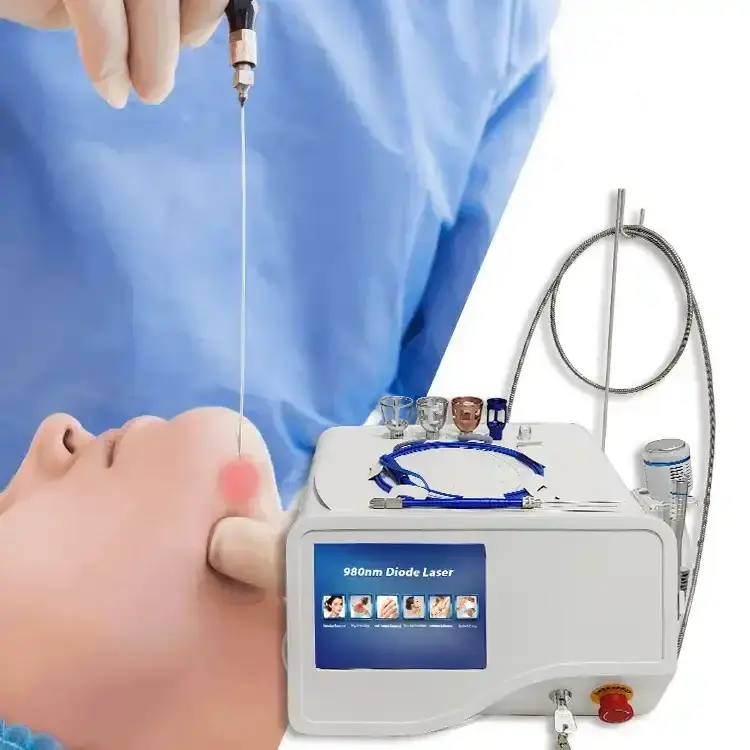
The science behind laser liposuction uses certain wavelengths to precisely target fat cells. The 980nm diode laser is a big step forward in this field because it uses controlled heat to break down fat cells before they are removed. This wavelength works well to penetrate tissue while doing as little damage as possible to nearby structures. Laser-assisted systems are different from traditional mechanical suction methods because they use light to break down fat cell membranes, making extraction easier.
Surgical teams can easily move around treatment areas with the help of fiber-optic delivery systems that make the technology work. This method is shown by the TL-Lipo-2024 model from Xi'an Taibo Laser, which has pulse widths that can be changed from 1 to 100ms and frequency settings that can be changed from 1 to 10Hz. These factors let doctors tailor treatments to each patient's structure, tissue density, and the results they want.
Clinical Benefits That Transform Patient Outcomes
Advanced liposuction devices are better than traditional methods in many ways. Due to the laser's effect on coagulating blood vessels during treatment, patients have less bruises and swelling. Recovery times get a lot shorter, and many people can get back to their normal lives in days instead of weeks.
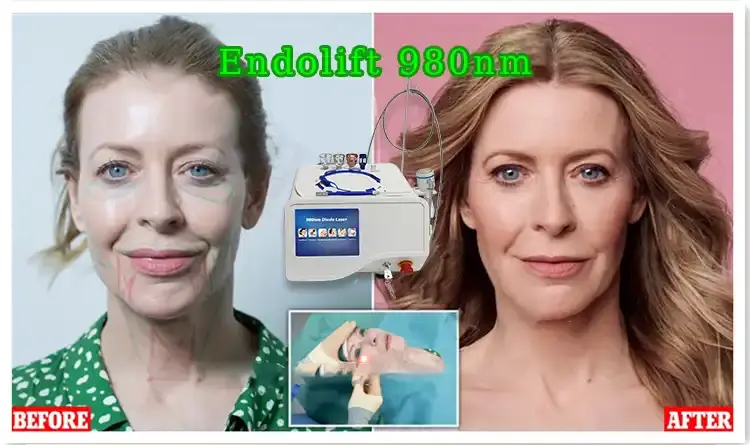
Laser technology's accuracy makes it possible to treat delicate places that were thought to be impossible to treat before. With minimal invasiveness, it is now possible to shape the jawline, smooth out the neck, and lift the face. As a side effect, thermal energy causes collagen production to rise in treated areas, which tightens the skin. This two-in-one action works on both reducing volume and making tissues firmer at the same time.
When centers have multifunctional systems, they can do more with less. The same machine that cuts away fat can also treat spider veins, vascular lesions, and even varicose veins with EVLT (Endovenous Laser Treatment). This makes the best use of the equipment and lets more services be offered without having to buy a lot of different machines.
Safety Features That Protect Patients and Practitioners
Professional-grade equipment with built-in safety features sets clinical gadgets apart from cheaper options. When something goes wrong, emergency shut-off systems stop operation right away, before problems happen. During procedures, pressure control monitoring keeps safe vacuum levels, which keeps tissues from getting hurt by too much suction.
User authentication protocols make sure that only trained people can use the equipment, which lowers the risk of mistakes made by people. Regular maintenance alerts let managers know when service times are coming up, which keeps performance from dropping. The ice compress hammer that comes with modern systems like Taibo's 980nm laser cools the skin right away after treatment, which reduces pain and swelling while protecting the skin's structure.
International standards must still be followed at all times. CE and ISO13485-certified devices go through a lot of tests to make sure they are electrically safe, work with electromagnetic fields, and are clinically effective. With these certifications, you can be sure that the equipment you're buying meets strict standards for medical-grade performance.
Comparing Types of Surgical Liposuction Machines for Clinics
To choose the right technology, you need to know how each system meets the needs of different patient groups and clinical situations. There are a lot of different tool options, and each has its own pros and cons.
Laser Versus Ultrasound Technology Analysis
Ultrasound machines break down fat tissue with sound waves, while Surgical liposuction machines use focused light energy to damage fat cells. Laser systems are great for precise tasks because they send energy through thin fiber-optic probes that can get into tight spaces inside the body. The haemostatic action of laser wavelengths stops bleeding during treatments, which keeps the surgical field clear.
With ultrasound-assisted liposuction, mechanical movements break down fat through a process called cavitation. This method works well for places with fibrous tissue, but it usually needs bigger entry points. Different types of treatments have different levels of comfort for patients. Laser treatments tend to cause less pain afterward because they seal off nerve endings and blood vessels.
The length of treatment varies a lot. Laser devices can often finish operations faster because they can break up fat and clot blood vessels at the same time. When working on thick or scarred flesh, ultrasound methods may need longer operating times. Laser treatments help patients recover faster, and they have less ecchymosis and swelling.
Traditional Suction Methods and Their Limitations
Standard suction-assisted liposuction only uses mechanical force to get rid of fat. This method works for reducing large volumes, but it requires surgeons to put in a lot of physical effort and causes more tissue damage. Because there isn't any specific aiming, the chances of contour irregularities and surface depressions are higher.
It's harder to get reliable results when you use manual methods because you can't control how the energy is distributed as well. Without the ability to close blood vessels, there is usually more blood loss. Patients take longer to heal because mechanical tissue damage causes more bruises and swelling.
Modern places are becoming aware of these problems. Switching to energy-assisted platforms gets around these problems and makes things better for both the operator and the patient. It pays off to invest in new technology because it leads to better results, faster patient turnaround, and more treatment options.
Energy Source Comparison: RF, Laser, and Combination Systems
Radiofrequency devices use electromagnetic waves to heat tissue, which makes collagen contract and some fat melt away compared with Surgical liposuction machine. While RF systems can help tighten skin, they usually aren't as good at getting rid of fat as laser platforms. Their strength is in treatments that don't involve surgery, not in surgical ones.
Combination systems use more than one type of energy on the same platform. Laser frequencies, radiofrequency, and mechanical suction can all be changed on these high-tech tools based on the treatment area. The most flexibility is available with combination units, but they cost more and are harder to maintain.
For cosmetic surgery centers, dedicated laser systems like the 980nm diode platform are the best fit. The wavelength specifically targets haemoglobin and fatty structures, making it very effective at both getting rid of fat and treating blood vessels. There are three power source options: 20W, 30W, and 40W. These allow for different treatment levels and patient needs. Focused versatility helps centers that handle a wide range of cases without the operational complexity of multi-modality systems.
Criteria for Selecting the Best Surgical Liposuction Machine
Decisions about what to buy should be based on systematic evaluation frameworks that make sure that the capabilities of the equipment match the needs of the business and the budget.
Performance Parameters and Technical Specifications
The treatment's effectiveness and depth are based on its power output. Devices with power ranges that can be changed are useful for a wide range of patients and body parts. The 980nm laser comes in 20W, 30W, and 40W versions, so centers can choose the capacity that best fits the complexity of their usual cases.
Another important aspect is the ability to change the spot size. With its four different spot sizes, Taibo's adjustable ring system lets you finetune how much energy is delivered. Larger spots work well on large areas, while smaller spots do more accurate work on small areas. This mechanical simplicity works better than electronic systems for adjusting that can lose their accuracy over time.
The style of an interface affects how well it works. Colour touchscreens that are 8.4 inches in size show parameters clearly and make controls easy to use. Between treatment stages, operators quickly change the settings without stopping the flow of the procedure. Visual input and tactile controls work together to cut down on training needs and operating mistakes.
For high-volume practices, duty cycle capacity is important. Equipment that can run continuously 24 hours a day and have parts that last 10,000 hours can handle busy hospital plans. Centers that want to grow should put reliability ahead of initial cost savings, since broken equipment costs a lot more in lost income than it does to repair parts.
Certification Standards and Regulatory Compliance
Different markets have different rules about medical devices, but some certifications are still very important everywhere for Surgical liposuction machine. When something has a CE mark on it, it means that it meets European standards for health, safety, and the environment. The ISO13485 certification checks that quality control systems are used throughout the whole production process. These references show that the maker is dedicated to maintaining high standards for production.
The best way to get into the U.S. market is to get FDA clearance or permission. Xi'an Taibo Laser currently has CE and ISO13485 certification and is actively seeking FDA approval. However, cosmetic surgery places should make sure that the company's regulatory status fits the area where they do business. Distributors who bring in equipment must make sure that the right paperwork goes with the shipments to avoid delays at customs or legal problems.
Following the IEC 60601-1 standards for electrical safety keeps both patients and operators safe from electrical hazards. Testing for electromagnetic compatibility (EMC) makes sure that devices won't mess up other medical technology or be affected by electromagnetic radiation from outside sources. These technical licenses may seem like small routine issues, but they are very important for protecting your assets and getting insurance.
Matching Equipment to Clinic Profile and Budget
Equipment selection should match clinic size and patient volume. Small clinics performing 5–10 weekly procedures may use 20W systems, while high-volume medical spas handling 20+ cases benefit from 40W systems for efficiency and profitability. Total cost of ownership should include training, consumables, maintenance, and upgrades over a five-year period, not just purchase price. Supplier reliability is also critical; Xi'an Taibo Laser, with 15 years of experience and global presence in 180+ countries, offers strong service support and two-year full warranties to reduce operational risk.
Procurement Guide: How to Buy Surgical Liposuction Machines
To buy things quickly and easily, you need to know about the different options in the supply chain, how prices work, and the practical issues that affect delivery times and overall costs.
Identifying Reliable Supply Sources
There are different ways for cosmetic surgery places to get tools, and each has its own benefits. Authorised dealers offer local help and make it easier to file a warranty claim, but they usually charge more. By buying directly from the maker, you avoid the costs of going through a middleman and build relationships with production sources that you can use for future needs and requests for customisation.
Ordering directly from well-known companies like Xi'an Taibo Laser can save you a lot of money when you buy in bulk. OEM and ODM services let you customise the brand, which lets bigger medical groups make their own lines of equipment. This method works well for organisations that are growing and setting up standard treatment plans in multiple locations.
Independent medical equipment sellers bring together products from different makers, which makes it easier for centers to stock whole buildings. However, there is a big difference in the level of technical knowledge between general dealers and suppliers of specialised laser equipment. Instead of thinking that dealers are knowledgeable about all product groups, procurement teams should check to see if dealers are familiar with certain technologies.
Understanding Pricing Structures and Market Trends
Equipment pricing of Surgical liposuction machine depends on technology level, brand positioning, and included support services. Entry-level systems cost $15,000–$25,000, mid-range professional devices range from $28,000–$45,000 with enhanced interfaces and safety features, while high-end platforms exceed $60,000 with advanced diagnostics and multi-wavelength functions. The 980nm diode laser varies by power and configuration. Buyers should request detailed quotations covering accessories, consumables, training, and warranty terms to avoid hidden costs. Xi'an Taibo Laser offers flexible payment methods, and bulk purchasing may provide improved pricing, extended warranties, or added value.
Import Logistics and Compliance Considerations
International equipment imports require careful coordination of customs clearance, certification verification, and shipping logistics. Exporters must provide complete documentation, including commercial invoices, packing lists, certificates of origin, and compliance certificates, to avoid delays and storage fees. Air freight offers fast delivery within days but at higher cost, while sea freight is more economical with 4–6 week transit times suited for planned deployment. Proper delivery scheduling should align with facility setup, staff training, and marketing launches. Xi'an Taibo Laser uses reinforced aluminum alloy cases with custom foam interiors to protect equipment during transit, reducing damage risks and ensuring operational readiness upon arrival.
Maintaining Your Surgical Liposuction Machine for Long-Term Success
Structured maintenance procedures and proactive problem resolution that stop small problems from getting worse before they become major breakdowns are key to keeping equipment in good shape and making sure it works consistently.
Establishing Preventive Maintenance Schedules
Daily preventive maintenance includes visual inspection of fiber-optic cables for damage, verification of cooling system function, and cleaning external surfaces with approved disinfectants. Handpieces require strict care to prevent residue buildup, with disposables replaced and reusable parts sterilized per manufacturer instructions. Weekly calibration ensures correct pulse width and frequency settings, while cooling performance and filter condition are monitored to prevent thermal issues. Monthly system-wide reviews test sensors, safety shutoffs, and authentication systems, alongside software and firmware updates to maintain compatibility, improve performance, and ensure stable integration across devices.
Troubleshooting Common Technical Issues
Laser output issues are often caused by fiber-optic contamination or degradation, visible as tip damage under magnification; cleaning with approved solutions or replacing fibers restores performance. Power fluctuations may indicate external electrical supply issues rather than device failure. Cooling system faults—triggering thermal alarms or shutdowns—are usually due to clogged intakes, low coolant, or pump problems, addressed through routine maintenance or replacement. Interface issues are typically resolved by rebooting or software reinstallation, while persistent faults require technical repair. Xi'an Taibo Laser’s 24-hour support helps diagnose software versus hardware problems remotely, reducing downtime.
Planning Upgrades and Technology Refresh Cycles
Deciding when to replace equipment requires balancing technological advancement with remaining usable lifespan. Devices may still operate effectively even as newer models emerge, especially when procedure volume does not justify replacement costs, but outdated systems can reduce competitiveness in a market demanding advanced treatments. Laser systems typically follow a 5–7 year upgrade cycle aligned with warranty periods and innovation shifts. Upgrade decisions should consider industry trends, patient demand, and competitor capabilities. Manufacturers like Xi'an Taibo Laser also offer trade-in programs to offset costs, helping practices transition smoothly while maintaining access to new technologies and aligning upgrades with facility expansion or service upgrades.
Conclusion
To choose the best Surgical liposuction machine tools, you need to think about how much it costs, how safe it is, how well it works with technology, and how reliable the provider is. The 980nm diode laser platform can be used for a variety of cosmetic surgery needs by precisely removing fat, treating blood vessels, and performing minimally invasive procedures that make patients happier. Quality is guaranteed by certification standards like CE and ISO13485, and business investments are protected by full warranties and expert support. Advanced laser systems are better for clinical results than traditional mechanical methods in centers that value long-term value, operator ease of use, and the ability to do many things at once. Procurement choices that are in line with strategic goals and patient care standards are made after a careful review of specs, seller credentials, and total ownership costs.
FAQ
1.What certifications should a surgical liposuction machine have?
Professional-level gear needs to have both the CE marking, which shows that it meets European safety standards, and the ISO13485 certification, which shows that it meets production quality standards. These credentials prove that the product has been tested for safety, electromagnetic compatibility, and clinical effectiveness. Centers that work in the US should check to see if they have FDA clearance. For international markets, different countries may need extra regional certifications.
2.How long does staff training typically take?
Operator skill improves through organised training that combines classroom learning with guided hands-on practice. Basic competency usually requires two to three days of intensive training that covers how the system works, how to stay safe, and how to treat patients. Advanced competence is reached after 20 to 30 observed operations guided by an experienced person. Manufacturers like Xi'an Taibo Laser give their staff full training through thorough guides, video tools, and live remote meetings until they are confident in their ability to do their jobs.
3.Can these machines treat all body areas and patient types?
Most parts of the body can be effectively treated with modern laser liposuction systems, from the face to the abdomen, thighs, arms, and buttocks. Different types of patients have different tissue densities and treatment levels, so the power sets and spot sizes can be changed to fit their needs. For people with certain medical conditions, there are some reasons why they shouldn't get treatment. This means that candidates must go through a full pre-treatment assessment process to make sure they are safe.
Partner With TB for Advanced Surgical Liposuction Solutions
With cutting-edge 980nm diode laser technology, Xi'an Taibo Laser is ready to help your cosmetic surgery center do more. We provide approved equipment that combines multifunctional treatment powers with extensive support infrastructure as an established Surgical liposuction machine maker with 15 years of production experience across 180 countries. Our TL-Lipo-2024 system is easy to use and comes with a two-year warranty and technical support available 24 hours a day, seven days a week. It can precisely remove fat, treat veins, and rejuvenate skin. Find out how our factory-direct prices, OEM customisation options, and professional training programs can change the way your patients do. Contact susan@taibobeauty.com right away to get detailed specifications, set up equipment demonstrations, or talk about Surgical liposuction machine supplier partnerships that are made to fit the needs and growth goals of your facility.
References
1. Coleman, W.P., & Hanke, C.W. (2020). Liposuction: Principles and Practice. Medical Publishing Group.
2. Rohrich, P.D., & Beran, S.J. (2019). Advanced Techniques in Laser-Assisted Liposuction for Body Contouring. Journal of Aesthetic Surgery, 43(2), 215-228.
3. American Society of Plastic Surgeons. (2021). Evidence-Based Clinical Practice Guidelines for Liposuction Safety and Efficacy. ASPS Standards Committee.
4. Klein, J.A. (2018). Tumescent Technique and Laser Lipolysis: Comparative Outcomes and Safety Profiles. Dermatologic Surgery International, 39(4), 567-582.
5. International Organization for Standardization. (2022). ISO 13485:2016 Medical Devices Quality Management Systems. ISO Technical Standards.
6. Mulholland, R.S., & Paul, M.D. (2019). Energy-Based Body Contouring Technologies: Clinical Applications and Patient Selection Criteria. Plastic and Reconstructive Surgery Global Open, 7(8), e2341.





YOU MAY LIKE