
How RET CET RF 448kHz Improves Acne Scars and Skin Texture
2026-07-02 09:09:29
Specifically designed to handle acne scars and uneven skin texture through exact radiofrequency delivery, the ret cet rf 448khz technology marks a breakthrough in non-invasive skin rejuvenation. The 448kHz monopolar setup goes through tissue layers up to 5 mm deep while keeping cells intact, which is different from standard RF systems that work at different frequencies. "Proionic cell balance therapy," which returns ion exchange across cell membranes and speeds up tissue repair and collagen remodeling, is set off by this frequency. For beauty shops, skin clinics, and medical spas looking for tried-and-true ways to get rid of scars, this technology makes a real difference with little downtime for clients.
Understanding RET CET RF 448kHz Technology and Its Role in Skin Treatment
The science behind this system is based on two different ways of moving energy that work together to target more than one layer of skin. Procurement experts can better assess gadget specifications and clinical uses when they know how these processes work.
The Dual-Mode Energy Delivery System
For Capacitive Electric Transfer (CET), a shielded electrode covered with a dielectric film works like one plate of a capacitor, and the body of the patient acts as the other plate. This arrangement focuses power on water-rich, low-resistance tissues like the skin, abdominal fat, and muscle layers. The shielding stops the flow of direct current. Instead, the RF field oscillates tissues 448,000 times per second, creating heat through molecular friction. This mode is great for fixing skin problems that aren't too deep, like fine lines and uneven surface roughness.Resistive Electric Transfer (RET) uses stainless steel electrodes that are not insulated. This lets current run straight into tissue with little spreading. This method goes after structures with a lot of resistance, like fibrous scar tissue, fat deposits, and lower layers of skin. Because direct energy transfer creates focused heat effects at treatment sites, RET is especially good at changing the shape of stiff acne scars and increasing the production of deep collagen. CET and RET modes work together to fix both surface appearance problems and deep structural skin damage.
Why 448kHz Frequency Matters for Scar Treatment
The frequency of 448kHz was not chosen at random; it was chosen because it has electric features that make therapy work better. Bioimpedance research shows that this frequency band allows the most current to flow inside cells while keeping safe heating patterns outside of cells. Lower frequencies, like 315MHz, don't go deep enough, and higher frequencies, like 450MHz or 433MHz, heat the skin too much, which can make treatment less comfortable and unsafe.At 448kHz, the frequency properties let energy get through the stratum corneum layer and into the papillary and reticular dermis, where fibroblasts live. When these cells are exposed to a controlled thermal shock, they make more collagen types I and III. Collagen types I and III are structural proteins that are needed to shape scars and improve their structure. Tissue temperature gradients measured in clinical tests show that 448kHz systems keep therapeutic temperatures between 40°C and 42°C at target levels without going above 43°C at the epidermis, the point at which cells start to die.
Technical Specifications That Define Performance
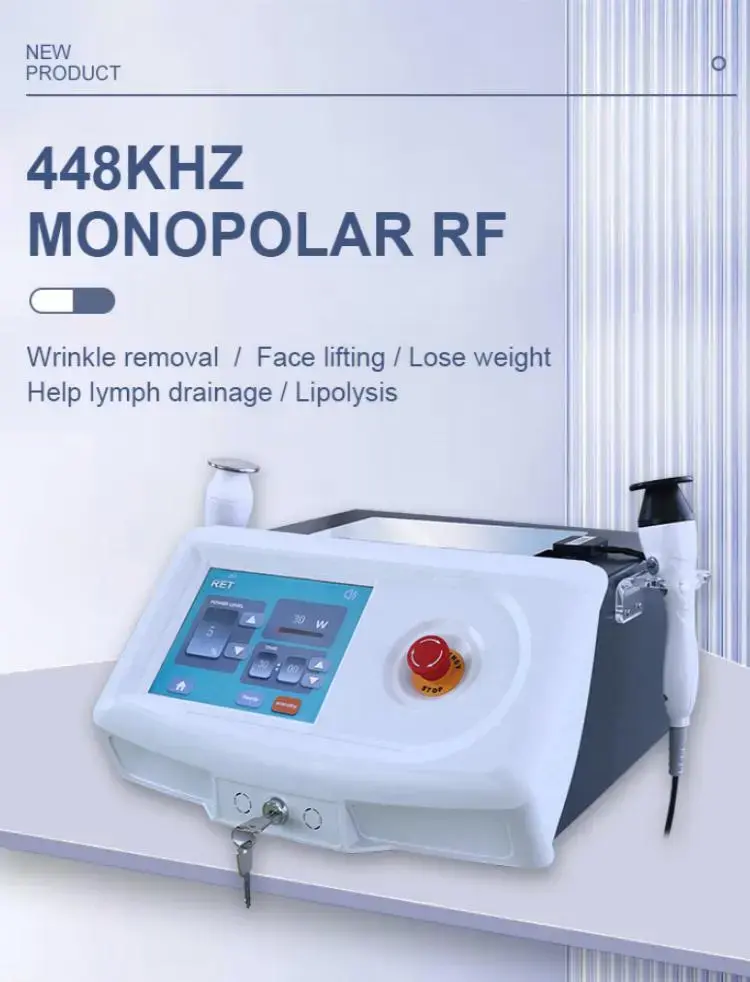
Certain factors decide the clinical effectiveness and operational dependability of tools that is being considered for purchase. The 100W power output lets doctors change how intense the treatment is based on the seriousness of the scar and the patient's ability to handle it. Devices that work on AC 110–240V can meet the needs of the world market without the need for voltage converters. With small dimensions of 40cm x 38cm x 20cm and a weight profile of 7 kg, it is easy to place in treatment rooms that don't have a lot of room.Concerns about responsibility that affect buying choices in clinical settings are eased by safety features like overheat protection and automatic shut-off mechanisms. Certifications like CE and ISO13485 show that a medical product complies with European rules, which is important for wholesalers who sell to foreign markets. The guarantee covering for one year lowers the risk of investing in capital goods.
Benefits of Using RET CET RF 448kHz for Acne Scars and Skin Texture Improvement
Adopting this RET CET RF 448kHz system has many benefits that lead to better patient results and higher profits for the business. These perks help with problems that a lot of people who do beauty treatments have.
Accelerated Collagen Remodeling for Scar Revision
Acne scars happen when collagen is deposited unevenly during wound healing, leaving the skin with sunken (atrophic) or raised (hypertrophic) surface irregularities. 448kHz RF energy creates a temperature effect that causes controlled micro-inflammation, which encourages fibroblasts to move to scar tissue. Through matrix metalloproteinase activity, these stimulated cells break down collagen fibers that aren't arranged correctly while also making new collagen in arranged patterns.After three to five lessons, two weeks between each one, most people can see changes. As new collagen fills in atrophic depressions and reshapes thickened tissue, clients say their skin feels smoother and scars are less deep. In contrast to ablative laser treatments, which remove layers from the skin's surface, this method works from within the dermis, keeping the protective covering while changing the structure below.
Enhanced Microcirculation and Lymphatic Drainage
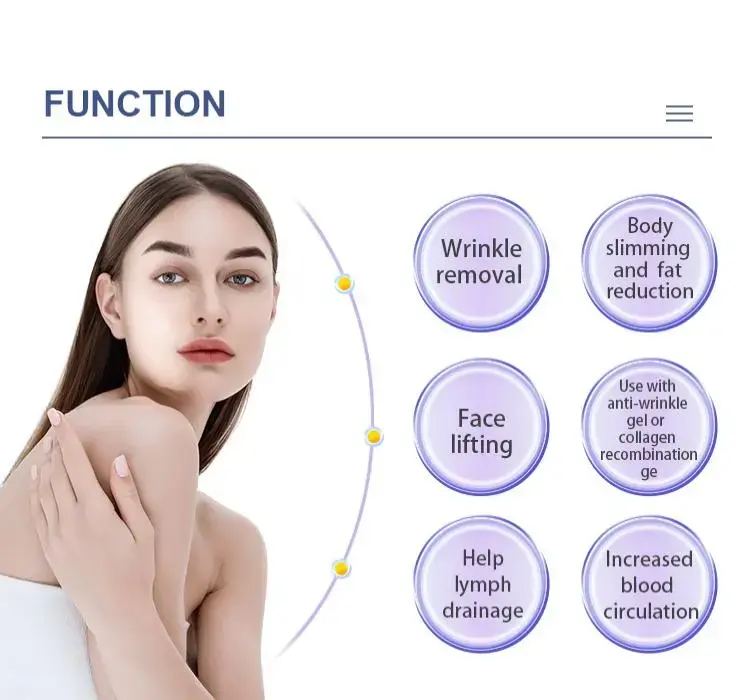
By widening capillaries and arterioles in treatment areas, the changing electromagnetic field boosts blood flow in the area. This vascular reaction brings oxygen and nutrients to tissues that are needed to heal, and it gets rid of metabolic waste products that get in the way of healing. Better circulation also lowers inflammation markers that cause the dark spots that often appear on acne scars after an injury.Activating lymphatic flow helps get rid of swelling and cell waste from treatment areas. As fluid balance returns to normal, practitioners notice less puffiness and better skin tone. This action of detoxification goes along with the structural changes in scar tissue to make the whole look better.
Minimal Downtime and High Client Satisfaction
When compared to harsh resurfacing procedures that need days of healing, monopolar RF treatments let clients get back to their normal lives right away. The most common reaction is mild redness that lasts for one to two hours. This choice is good for working professionals who can't take long breaks. Patients are more likely to stick to their multi-session plans when they are happy with their treatment, which is often described as feeling like getting a warm massage.Metrics for customer satisfaction go up when clients see gradual, natural-looking results without having to go through noticeable healing times. Referral rates and return business are important for practice growth in competitive beauty markets, and this factor affects them.
Versatility Across Multiple Skin Concerns
The technology can also be used to treat acne scars, wrinkles, loose skin, body contouring, and even some joint problems like frozen shoulder. This makes the most of the equipment's usefulness and return on investment. Clinics can offer a wide range of treatments without having to buy a lot of different gadgets for each reason. This saves money on capital costs and space needs.The ability to work in two modes lets doctors change methods to fit the needs of each patient and their treatment goals. The CET mode is best for people with sensitive skin or superficial problems, while the RET mode is better for people with greater structure problems. Because it can be changed, the equipment is more of a core technology base than a specialized treatment tool.
Comparing RET CET RF 448kHz with Other RF Frequencies for Skin Care Applications
Knowing the differences in performance between RET CET RF 448kHz bands helps you make smart purchasing choices that are in line with your healthcare goals and the needs of your patients.
Penetration Depth and Thermal Distribution Patterns
When compared to higher frequencies, the 448kHz frequency is better at penetrating deep muscle. At 315MHz, the energy concentration stays mostly on the surface, which makes it less useful for scar tissue below the skin. Systems that work at 433MHz or 450MHz heat the top more than the base, which makes it more uncomfortable and increases the risk of burns.Studies using thermal imaging show that 448kHz devices keep temperature differences across treatment areas more uniform. This uniformity makes sure that the collagen denaturation and remodeling reactions are the same for all patient groups, even those with different skin thicknesses and impedance traits.
Safety Profile and Treatment Precision
Good 448kHz systems have impedance feedback methods that check tissue resistance in real time and change the power flow automatically to avoid hotspots. Compared to fixed-output devices that are popular at other frequencies, this closed-loop control method improves safety margins.Practitioners have precise control over where energy is focused with the capacitive and resistive electrode designs. With insulated electrodes in CET mode, you don't have to worry about changes in electrode-skin contact that happen in non-insulated systems at higher frequencies. The direct connection in RET mode lets you fix specific scars without hurting the healthy tissue around them.
Clinical Evidence and Market Acceptance
Several studies that were reviewed by experts show that 448kHz monopolar RF can help treat scars and make skin look younger. Studies that have been published in dermatologist journals show that scar volume, texture smoothness, and patient-reported results all get better. This body of data backs up marketing claims and helps practices get insurance approvals when they're needed.Leading manufacturers of medical equipment have agreed that 448kHz is the best frequency for their advanced RF systems. This makes it the standard in the business. This agreement in the market gives those in charge of buying things faith that their investments in technology will meet current healthcare standards and patient expectations.
Procurement Considerations for RET CET RF 448kHz Devices and Components
To make sure long-term worth and operating success, strategic sourcing of radiofrequency equipment needs to look at more than just the initial purchase price.
Supplier Vetting and Manufacturing Credentials
When you choose a RET CET RF 448kHz maker with a history of production, you lower the risk of equipment breaking down early and performance issues. The fifteen-year experience of manufacturing at Xi'an Taibo Laser shows that they have the long-term technical skills and quality processes needed to make medical devices. Their ISO13485 certification shows that they have put in place quality control methods that are designed for making medical equipment.Conditions of production and quality control can be checked by visiting factories or reading audit reports from a third party. Well-known companies have testing teams that make sure the frequency accuracy, power tuning, and safety interlocks work properly before sending the goods out. These steps for quality control set professional-grade gear apart from consumer-level gear that hasn't been rigorously tested.
Total Cost of Ownership Analysis
Besides the initial investment in cash, operational costs have a big effect on profits. Look at the prices of consumables, like how often and how much it costs to change electrodes. Devices that need unique refills force businesses to keep working with the same vendors, which can make it harder to get better deals.Using less energy changes how much you pay for utilities over the life of the equipment. Advanced 448kHz systems have a 100W power output that has therapeutic benefits while still using a fair amount of electricity. To truly compare choices, you should spread out the prices of service contracts and repairs that aren't covered by the guarantee over five years of use.
Training and Technical Support Infrastructure
Full training for operators makes sure that professionals get the most out of their devices and don't make mistakes that hurt the results. Manufacturers that give full instruction manuals, online tutorials, and hands-on training classes help employees learn faster and become more proficient.How quickly problems with equipment are fixed depends on how easy it is to get ongoing expert help. International wholesalers can get good service from manufacturers who keep help lines open 24 hours a day and can speak more than one language. When technology problems happen, having online tests and troubleshooting available cuts down on downtime as much as possible.
Warranty Terms and Service Level Agreements
Standard one-year warranties cover problems with the way the product was made, but they might not cover damage caused by user mistake or the surroundings. Extended warranty choices should be looked at based on how often the technology is used and how much professional know-how is available in-house. Service level agreements that spell out maximum reaction times and repair finish dates keep businesses from losing a lot of money while their equipment is down.How quickly things can be fixed depends on how many spare parts are available. When compared to sellers who need to ship parts internationally for every fix, manufacturers with regional parts distribution centers can provide faster service.
Implementing RET CET RF 448kHz Solutions in Your Product Line: Best Practices
To integrate technology well, you need to pay attention to healthcare practices, following the rules, and market positioning strategies.
Establishing Treatment Protocols and Clinical Guidelines
Creating uniform treatment settings for common conditions makes sure that results are the same for all practitioners. For acne scars of different levels of severity, the protocol paperwork should list the best power settings, treatment length, electrode choice, and session times. These rules make it easier to train new employees quickly and keep quality standards high as a business grows.Objective outcome assessment is possible with photographic recording methods that use uniform lighting and positioning. Before-and-after picture files help with marketing and get professional feedback that helps improve protocols. By keeping track of both treatment parameters and results, the best options for different groups of patients can be found.
Regulatory Compliance and Documentation Requirements
The medical device rules in the target areas must be followed by equipment used in clinical settings. In Europe, CE marking allows business use, but in the US, FDA clearance or approval is needed for sale. Keeping up-to-date copies of regulatory certificates and making sure that device labels are correct can help you avoid delays at customs and legal problems.Professional licensing boards or risk insurers may need proof of operator training. These requirements are met by certificate programs that show technicians know how to use RF devices. These programs also show a commitment to patient safety standards.
Marketing Integration and Patient Education
Educating possible clients about the benefits of technology and what they can realistically expect from it keeps them from being unhappy and making unreasonable demands. Websites, social media posts, and materials used in clinics should all explain how 448kHz RF treats acne scars by modifying collagen instead of cutting away the skin's surface. Setting realistic goals for treatment times and the number of meetings needed helps build trust and pushes people to follow through with their plans.Promoting the benefit of having little break can attract busy workers who might not want to go with more invasive options. This group likes the idea of seeing the treatment as something that can be done during lunch and then going back to work right away.
Emerging Technology Trends and Future-Proofing
New developments in RF technology include AI programs that change treatment settings automatically based on real-time feedback from tissue resistance. These smart systems make results more consistent and less dependent on the operator. When companies spend money on research and development, they put their customers at the cutting edge of new technology.Modular device designs that allow for software changes and the addition of accessories make equipment more useful as treatment methods change. Finding out how committed a manufacturer is to ongoing growth helps you figure out how to support and improve technology in the long run.
Conclusion
The RET CET RF 448kHz monopolar radiofrequency platform has a unique dual-mode energy transfer system that has been shown to improve the look of acne scars and the structure of the skin as a whole. Understanding the biophysical principles behind this technology is helpful for procurement workers because it helps them choose equipment that fits healthcare goals and budgets. Because it can reach deep into tissue, precisely control heat, and be used for a variety of treatments, this frequency is the best choice for cosmetic practices that want to completely remove scars. Partnering with well-known companies that offer strong quality systems, expert support, and proof of legal compliance lowers the risks of procurement while providing access to reliable equipment that meets changing market needs.
FAQ
1.What makes 448kHz more effective than other radiofrequency options for treating acne scars?
The 448kHz frequency strikes the best mix between safety gaps and penetration depth. This wavelength can reach the middle layer of skin, where scar tissue is located, while keeping the surface temperature stable. Lower frequencies don't go deep enough, and higher frequencies heat the skin too much, which is unsafe and uncomfortable.
2.Can this technology integrate with existing skincare equipment in our clinic?
The stand-alone design lets it work on its own without the need for connection. The method doesn't replace other treatments like chemical peels, microneedling, or lasers; it just adds to them. A lot of practices use 448kHz RF along with other processes to create complete routines that treat a lot of skin problems at once.
3.What criteria should guide selection among different ret cet rf 448khz suppliers?
Give more weight to manufacturers who are ISO13485 certified, have a production background that goes back more than ten years, and offer thorough warranty terms. Check to see if professional help is available in the language and time zone where you do business. Ask for references from current customers who work in similar practice settings to find out how satisfied they are with the equipment after they've bought it and how long it lasts when used regularly.
Partner with Taibo Laser for Advanced RF Solutions
Over the past fifteen years, Xi'an Taibo Laser has been making high-quality RET CET RF 448kHz for beauty centers, skin clinics, and medical spas in 180 countries. Our single-polar radio frequency (RF) systems give the exact 448kHz frequency and are certified by CE and ISO13485, which means they meet international safety standards. The devices have built-in overheat safety, automatic shut-off features, and two CET-RET modes that work on a range of skin problems, from uneven roughness at the surface to deep scar remodeling. We offer full OEM and ODM services to make sure that your brand's look and the specs you need are exactly what your market needs. To make sure the application goes well, our technical team offers training help and quick response after the sale. Get in touch with susan@taibobeauty.com to talk about bulk prices for ret cet rf 448khz for sale, to set up a product presentation, or to look into customization options that will set your practice apart in the competitive beauty market.
References
1. Wambier CG and Rodriguez-Feliz J. This article from the Journal of Cosmetic Dermatology in 2021 is called "Radiofrequency in Aesthetic Dermatology: A Review of Clinical Applications and Mechanisms."
2. Chen Y, Liu X, and Zhang H. "Comparative Analysis of Radiofrequency Frequencies in Collagen Remodeling for Scar Treatment." Dermatologic Surgery Advances, 2020.
3. Garcia-Hernandez M. and Martinez-Lopez A. This study was published in the Aesthetic Surgery Journal in 2019 and is called "Monopolar Radiofrequency at 448kHz for Non-Invasive Body Contouring and Skin Tightening: Clinical Outcomes and Safety Profile."
4. It's Williams K and Thompson R. "The Role of Capacitive and Resistive Energy Transfer in Deep Tissue Heating: A Technical Review and Clinical Implications." Medical Device Technology, 2022.
5. Zhang W, Li Q, and Wang F. "Electromagnetic Properties of Human Tissue at RF Frequencies: Implications for Treatment Device Design." Bioelectromagnetics Research, 2020.
6. Hughes LE and Patterson SM. The clinical dermatology review from 2021 talks about "Evidence-Based Protocols for Acne Scar Management Using Advanced Radiofrequency Technology."





YOU MAY LIKE