
Is Painless At Home Laser Hair Removal Safe for Facial Hair?
2026-07-02 09:09:30
When devices meet strict safety standards and are used properly, painless at home laser hair removal is safe for face hair. Modern diode laser systems with an 808nm frequency send specific amounts of energy to hair cells while also having advanced cooling systems that keep the skin on your face safe. These gadgets use air and semiconductor refrigeration systems to keep you comfortable and stop heat harm. Safety standards like CE and ISO13485 show that these technologies have been thoroughly tested for their ability to protect living things from light and to work reliably. Facial hair removal is both safe and successful when people use properly certified tools and follow the manufacturer's instructions about which skin tones work best, how often to treat, and how much energy to use.
Understanding Painless Laser Hair Removal for Facial Hair
The Science Behind Painless Technology
The 808nm diode laser range is a big step forward in painless at home laser hair removal technology. This wavelength can reach deep into hair shafts without being absorbed too much by skin tissue around them. This makes it perfect for use on the face. The laser energy turns into heat inside the hair cell, which stops the growth cycle. At the same time, the cooling system keeps the skin safe.The precise release of energy is what sets professional-grade home devices apart from simple IPL units. Devices with energy levels that can be changed between 5J/cm² and 40J/cm² can be customized based on the thickness of the hair and the sensitivity of the skin. A 9x12mm spot size covers the face's curves perfectly, combining treatment speed with accuracy around sensitive areas like the upper lip and jawline.
Why Facial Hair Requires Specialized Approach
The thickness, sensitivity, and quantity of hair follicles on the face are very different from those on the body. The hair on your face is usually thinner and more sensitive to hormones, so you need to stick to the same treatment plans every time. These unique features are taken care of by combining diode laser technology with multiple levels of cooling systems. Devices with 1–5 level cooling sets can adjust to different areas of the face, cooling more deeply in sensitive spots while keeping the healing effect.Clinical study shows that the 808nm frequency is the best for absorbing melanin in hair shafts while causing the least damage to nearby tissue. This selectivity is very important for face uses that need to be precise. When treatment sessions are spaced out properly, the skin has enough time to heal, which is needed for safe, slow hair loss that doesn't damage the skin.
Pain vs. Painless: Comparison of At Home Facial Hair Removal Methods
Traditional Methods and Their Limitations
Each of the common ways to get rid of face hair has its own problems that affect the user experience and effects. Threading and tweezing are short-term fixes, but they need to be done often and can cause ingrown hairs or folliculitis. Waxing gets rid of hair at its root, but it's very painful and can hurt the skin, which is especially bad for the face, where the skin is more sensitive.Chemical depilatories made for the face remove hair from the surface, but they can burn or cause allergic reactions in people with sensitive facial skin. While shaving is convenient, it can cause hair to grow back quickly, leave behind stubble, and even irritate the skin. These methods only treat the signs and not the root causes of hair loss, so they need to be used regularly but don't produce long-lasting results.
Technological Advantages of Diode Laser Systems
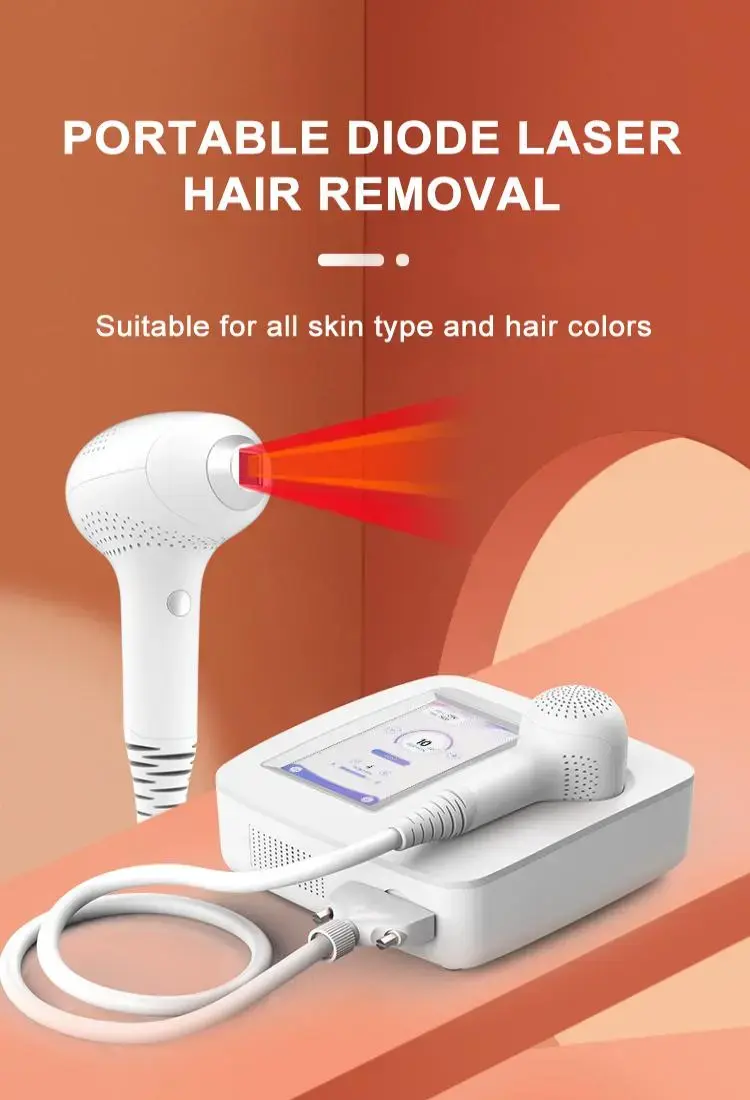
Through a number of technical advances, modern diode laser devices have changed the painless at home laser hair removal experience. Because 808nm lasers can fire quickly, treatments can be finished in minutes instead of the longer sessions that older IPL technology needed. With frequency sets ranging from 1Hz to 10Hz, doctors can change pulse rates based on the treatment area and how the skin reacts, making the treatment more comfortable and effective.When air cooling and semiconductor refrigeration are combined, a dual-action thermal control device is made. This mix keeps the skin at a temperature that cancels out the heat feeling from the laser waves, making the treatment truly painless for the user. Contact sensors and body recognition systems make the device safer by making sure it only works when it's properly pressed against skin. This stops unexpected discharge.
Cost-Efficiency and Long-Term Value
Professional treatments at salons usually take 6–10 sessions, which cost $200–500 each. Home laser devices, on the other hand, only cost one time and can be used for any number of times. Commercial-grade home units with 100W to 200W of power give you professional-level results without the long-term costs. Distributors and salon owners know this to be true because selling retail devices along with professional services brings in extra money and caters to a wide range of customer tastes.
Addressing Safety Concerns and Side Effects for Facial Hair Removal at Home
Common Side Effects and Prevention Strategies
Common side effects of at-home laser hair removal include mild redness and warmth that resolve within hours, indicating normal follicle response. Proper device calibration prevents overstimulation, with gradual energy increases improving tolerance and results. Incorrect settings may cause hyperpigmentation or hypopigmentation, which can be reduced using melanin-sensing skin tone technology and appropriate Fitzpatrick-based adjustments. Over-treatment may lead to folliculitis; prevention includes proper cleansing, spacing sessions 2–3 weeks apart, and using soothing creams and broad-spectrum sunscreen post-treatment.
Special Considerations for Sensitive Skin
Skin sensitivity on the face changes a lot from person to person and from one part of the face to another. For example, the skin is thinner and there are more nerves in the perioral area than on the chin or lips. Adjustable cooling levels are needed to deal with these differences; putting the most cooling in sensitive areas and lessening it in areas where people can handle it better improves both comfort and results.Before starting laser treatments, people with active skin diseases like rosacea, eczema, or who have recently had face surgery should talk to a doctor. Medical devices that meet ISO13485 quality standards go through biocompatibility testing, which checks how safe it is for skin touch. This gives people with sensitive skin peace of mind.
Guidelines for Safe Home Use
Setting up the right treatment methods makes things safer and more successful. In order to get ready for treatment, the target area must be shaved 24 hours ahead of time, since the laser targets color in hair cells instead of hair on the surface. Photoreaction risks can be lowered by staying out of the sun and stopping medicines that make you more sensitive to light two weeks before the event.Keeping the device in constant touch with the skin during treatment makes sure that the energy is delivered evenly and sets off safety alarms. Overtreatment can be avoided by moving slowly across treatment zones and not crossing pulses. After a session, routines that focus on hydrating, cooling, and UV protection help the skin heal and improve the overall success of the treatment. Users should keep track of their treatment plan, energy settings, and skin reactions so that they can make the next session better based on their own results.
Selecting the Best Painless At Home Laser Hair Removal Device for Facial Hair
Critical Technical Specifications
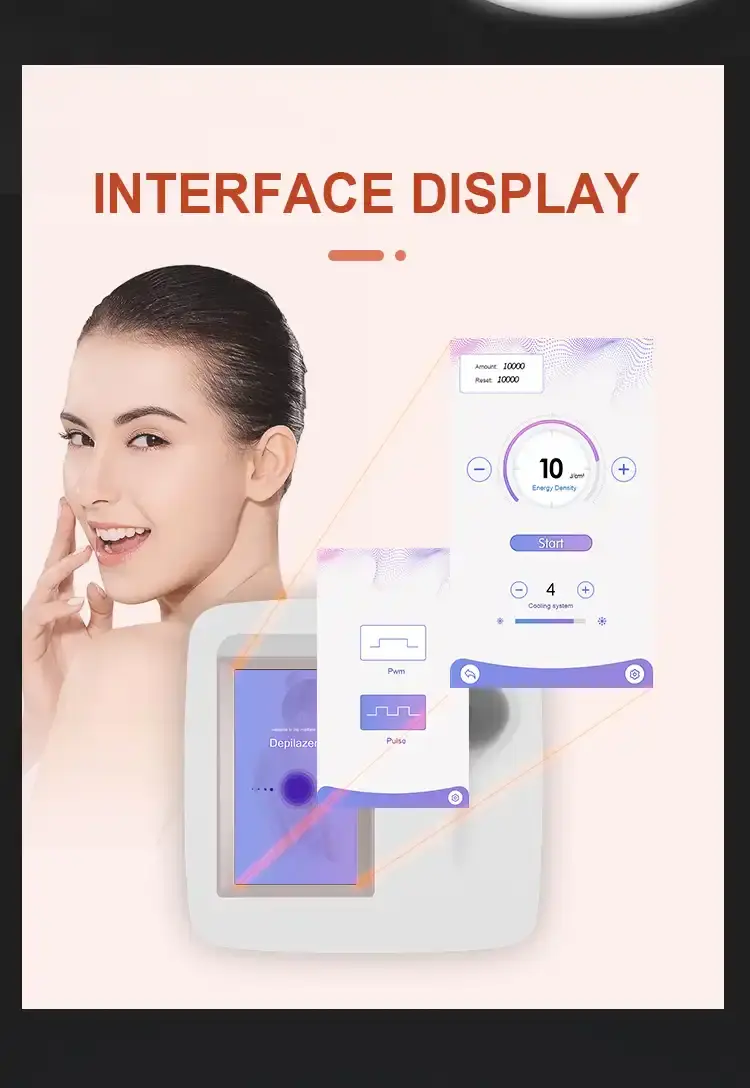
When professionals buy things, they need to know how specifications relate to clinical results in painless at home laser hair removal. Dermatological study over many years has shown that the 808nm frequency works well. It can reach deeper into hair follicles than shorter wavelengths while still being safe. The power output, which ranges from 100W to 200W, affects how fast and effectively the treatment works. Higher wattage units work faster and have stronger effects, which is useful for business use.Energy flow rates between 5J/cm² and 40J/cm² give you the freedom you need to serve a wide range of clients. Lower energy settings are better for people with sensitive skin or lighter hair, while higher energy settings are better for people with thick, tough hair. The rhythm of the treatment is set by the pulse frequency. Higher frequencies are best for quick treatments over big areas, while lower frequencies are better for precise work on the face's features.
The design of the cooling system has a direct effect on how safe and comfortable users are. Dual-mode cooling, which combines air flow with semiconductor refrigeration, is better at controlling temperature than single-method systems. Temperature sensors that turn off automatically stop devices from getting too hot, which is especially important for home use that isn't being watched.
Certifications and Compliance Standards
Devices with the CE mark show that they meet the safety, health, and environmental protection standards of the European Union. The ISO13485 certification shows that the company follows quality management systems that are special to medical equipment. These systems include controls for design, risk management, and tracking. These certifications give people who work in buying peace of mind that the ways products are made meet foreign standards.The license collection shows that a company is committed to following the rules in many different places. Devices that are approved for both business and home use have a special place in the market and are sought after by distributors who work with a variety of outlets. Warranty programs that last at least a year show that the company that made the product is confident in its longevity and regularity of performance.
Evaluating Supplier Capabilities
Evaluating suppliers involves more than product specifications; it includes manufacturing experience, support systems, and partnership flexibility. Companies with 15+ years in laser beauty demonstrate production expertise and stability, especially when supported by R&D teams, quality control, and after-sales networks. OEM/ODM services enable customization for regional regulations, branding, and packaging, while flexible MOQs support both startups and large distributors. Strong supply chain capability includes production planning, inventory management, and multiple shipping options, with transparent communication enhancing trust and reliability.
How to Integrate Painless At Home Laser Hair Removal Devices into Your Product Portfolio
Market Dynamics and Consumer Trends
The market for painless at home laser hair removal has grown a lot because people want professional-quality results in the safety and ease of their own homes. Facial hair removal is a particularly strong section, since more and more people want smooth, hair-free skin. The move toward harmless technology gets rid of the main thing that kept people from using it before: the fear of pain.Home laser devices are popular with a wide range of age groups, from youth to middle-aged users. The technology is especially useful for workers who are short on time and can't make regular salon visits. This type of customer cares about quality, safety standards, and brand image, which are things that set premium products apart from cheaper ones.
Strategic Product Positioning
A well-integrated portfolio strikes a balance between making products stand out and making them easy for customers to get. Putting home laser devices on the market as professional-grade tools for personal use builds up the quality image and meets the demand for ease. Buyers learn about performance skills by focusing on technical details like 808nm wavelength, customizable energy levels, and advanced cooling systems.Putting together packages that include teaching papers, protective eyewear, and skin care items for after treatment increases the perceived value and encourages proper device use. These packs also raise the average transaction value and improve relationships with customers by offering complete solutions instead of separate goods.
Distribution Channel Strategy
Multi-channel marketing makes it easier to reach a wide range of consumers. E-commerce platforms let you reach a lot of people and keep your costs low, and partnerships with beauty stores let you try out products in person, which boosts customer trust. Professional channels, like spas and dermatology offices, offer endorsement possibilities. When professionals suggest certain home devices for care between appointments, qualified buyers are more likely to make a purchase.By using their current customer networks and logistics systems, B2B agreements with well-known beauty equipment sellers speed up entry into the market. OEM deals with private label brands let you get into the market without having to spend money directly building your brand. For each channel, you need different marketing strategies, pricing systems, and customer service models that work with how that channel works.
Regulatory Compliance and Quality Assurance
When you work in foreign markets, you need to be aware of the different rules and regulations that apply. For the US market, products must get FDA approval or be registered, while for the EU market, they must have CE marking. Knowing these standards before choosing a provider will help you avoid costly compliance problems that slow down your entry into the market.Brand image is protected by quality assurance methods that go beyond initial certification and include ongoing production tracking. Long-term relationships can only be built with suppliers who do things like batch testing, component traceability, and written quality control processes. When evaluating suppliers, asking for test results, documentation of the manufacturing process, and certifications of the quality management system can help you find partners who are committed to ongoing greatness.
Building Customer Trust Through Support
Post-sale support infrastructure is what sets market players apart from providers of goods. Full user guides with pictures, video lessons showing the right way to do something, and quick customer service methods all help users feel more confident and stop them from abusing the product. help in various languages caters to a wide range of markets, and technical help through phone, email, and chat makes sure that everyone can get it.Training programs give distributor sales teams and store partners the skills they need to teach end users well. Customers are less likely to return items when retail partners answer their questions with confidence. This also builds brand loyalty. By setting up ways for users to give feedback on products and marketing messages, you can create feedback loops that keep improving things.
Conclusion
Advanced diode laser technology, advanced cooling systems, and user-centered design have come together to make painless at home laser hair removal for face hair possible at home. When properly certified and used, devices that work at 808nm wavelength, give energy in different ways, and cool at different levels are safe and effective options. The technology gets rid of long-standing problems like pain and inconvenience that kept people from adopting it earlier. This opens up huge market possibilities for makers and dealers.If you want to be successful in the market, you need to pay attention to technical requirements, safety certifications, provider skills, and support infrastructure. The market is in a good place because more and more people want professional-quality home treatments and more and more people feel comfortable talking about and dealing with facial hair. Strategic product placement, multi-channel distribution, and full customer support set competitive products in this growing area apart from each other.
FAQ
1.Are Painless Claims Legitimate or Marketing Exaggeration?
When devices have proper cooling systems, painless at home laser hair removal claims are based on real technology progress and not just marketing talk. When 808nm diode lasers use both air cooling and semiconductor refrigeration, the thermal feeling from laser bursts is cancelled out. Users usually feel mild warmth instead of pain, but how sensitive they are changes from person to person. Devices with programmable energy settings let users find treatment conditions that are both comfortable and efficient. As a condition of getting certified, safety and performance claims must be checked against tests. This gives regulators confidence in what manufacturers say.
2.How Long Before Visible Results Appear?
How long it takes to lose hair depends on how fast and how often you use the treatment. After 3–4 treatments spread 2–3 weeks apart, most people notice their hair density going down. Because hair on the face grows more quickly than hair on the body, it reacts more quickly. Most people see the best results after 8 to 12 lessons, and upkeep sessions every couple of months keep the results going. Response rates are affected by differences in hair color, thickness, and hormones. Hair that is darker and rougher reacts more quickly, while hair that is lighter needs more treatments.
3.Can All Skin Tones Safely Use These Devices?
Modern 808nm diode laser technology works better with more skin tones than older IPL devices, but it's still not perfect for people with very dark skin. When set up correctly, devices that have skin tone monitors and energy sources that can be changed can safely treat Fitzpatrick skin types I–V. People with very dark skin (type VI) are more likely to get hurt because their melanin levels are higher, which makes it harder for laser energy to be absorbed. People with darker skin should make sure that the device's specs say it's good for their skin type and start with low energy settings to see how they react.
Partner with TB for Premium Painless At Home Laser Hair Removal Solutions
With over 15 years of specialized experience in the creation and marketing of laser beauty tools, TB stands out as a committed painless at home laser hair removal company. Our 808nm diode lasers have a power output of 100W to 200W, advanced semiconductor cooling, and CE/ISO13485 certifications to give you professional-grade performance for face uses. TB has been around since 2009 and has a wide range of manufacturing skills. It has specialized R&D, quality inspection, and after-sales service teams that help partners in more than 180 countries.With our flexible OEM/ODM services, one-year guarantee coverage, and technical support infrastructure, procurement professionals and wholesalers can stay ahead of the competition. TB's mature production systems and legal compliance portfolio make it easier to get into the market, whether you need to buy in bulk for retail distribution or make changes to meet special needs for private label projects. Our engineering team gives you detailed training on the products we sell, marketing materials, and ongoing technical support that makes your relationships with your customers stronger.Are you ready to add approved, effective facial hair removal technology to your beauty tools line? You can talk about your special needs, ask for technical details, or set up plant visits by emailing susan@taibobeauty.com. Find out how TB's track record of manufacturing quality and focus on partnerships can help your business succeed in the growing market for home laser hair removal.
References
1. Anderson RR, Parrish JA. Selective photothermolysis: precise microsurgery by selective absorption of pulsed radiation. Science. 1983;220(4596):524-527.
2. Haedersdal M, Beerwerth F, Nash JF. Laser and intense pulsed light hair removal technologies: from professional to home use. British Journal of Dermatology. 2011;165(3):31-36.
3. Sadighha A, Mohaghegh Zahed G. Meta-analysis of hair removal laser trials. Lasers in Medical Science. 2009;24(1):21-25.
4. Town G, Ash C, Eadie E. Measuring key safety and performance parameters of intense pulsed light devices. Journal of Cosmetic and Laser Therapy. 2007;9(3):148-160.
5. Wheeland RG, Koreck A. Safety and effectiveness of a new blue light device for the self-treatment of mild-to-moderate acne. Journal of Clinical and Aesthetic Dermatology. 2012;5(5):25-31.
6. Raulin C, Greve B, Grema H. IPL technology: a review. Lasers in Surgery and Medicine. 2003;32(2):78-87.





YOU MAY LIKE