
How OPT SHR Laser Hair Removal Works for Permanent Hair Reduction
2026-07-14 09:14:01
In order to achieve long-lasting follicle reduction, opt shr laser hair removal combines Optimal Pulse Technology with Super Hair Removal. The system sends out steady square-wave energy pulses at high repeat rates (up to 10Hz), heating the dermal structures slowly to kill hair stem cells while keeping the nearby tissue safe. OPT technology keeps the same fluence throughout each pulse cycle, so results can be predicted. This is different from single-pulse standard lasers, which spike energy in unpredictable ways. The in-motion sliding technique lets practitioners treat large areas of the body quickly while keeping clients comfortable with continuous sapphire cooling at temperatures below zero. This makes permanent hair reduction possible for people with all types of skin.
Introduction
Laser hair removal is one of the medical aesthetics industries that is growing the fastest, and it's getting the attention of B2B procurement professionals who are looking for ways to get ahead of the competition. Traditional hair removal systems often don't solve the main problems that make them work, like results that aren't the same for different skin types, long treatment times, and clients who are uncomfortable, which makes them less likely to stick with the system. By combining Optimal Pulse Technology with Super Hair Removal protocols, OPT SHR laser hair removal technology became a solution that offers better safety, operational efficiency, and treatment flexibility than traditional IPL or diode laser platforms.
Aesthetic clinics, health spas, and dermatology centers are under more and more pressure to make smart investments in equipment that meets strict safety standards and maximizes return on investment. This detailed guide explains how OPT SHR works on a technical level, looks at how it compares to other technologies, and talks about important business factors that help people make smart decisions about where to put their money. By understanding these factors, procurement teams can make sure that technology investments are in line with long-term goals for service expansion while still following the rules.
Understanding OPT SHR Laser Hair Removal Technology
Core Technology Integration
OPT SHR laser hair removal integrates three key technologies. Optimal Pulse Technology produces controlled square-wave energy delivery, ensuring even heat distribution and eliminating epidermal hot spots. SHR uses high-frequency, low-fluence pulses with continuous motion to gradually heat hair follicles safely without tissue shock. Modern systems also incorporate bidirectional radiofrequency to enhance results on lighter hair. This combination reduces discomfort, shortens treatment time significantly, and expands suitability to darker skin types (Fitzpatrick IV–V), improving safety and efficiency across a wider patient range.
Technical Specifications and Parameters
Professional-grade SHR systems operate within defined technical parameters, typically using 640–950 nm wavelength ranges to optimize melanin absorption while minimizing interference from hemoglobin. Energy fluence ranges from 1–50 J/cm² with adjustable pulse durations of 1–10 ms, supporting customization for different hair and skin types. High-frequency 10 Hz repetition enables continuous gliding treatment. Systems use long-life xenon flash lamps (500,000–1,000,000 shots), stabilized capacitor banks for consistent output, and 15×50 mm spot sizes for efficiency. Sapphire contact cooling maintains -5°C to 5°C, ensuring epidermal protection and patient comfort.
Safety Architecture and Cooling Systems
A key safety feature that sets professional systems apart from entry-level options is the built-in cooling mechanism. A two-layer safety system is made up of thermoelectric sapphire cooling and flowing water systems. During treatment, the chilled sapphire crystal comes into direct contact with the skin and moves heat away from the epidermis. At the same time, the handpiece's internal water circulation gets rid of any heat that has built up from its parts. This design allows for high-repetition shooting, which is necessary for SHR routines, without putting client safety at risk.
Maintenance schedules have a direct effect on how long a system lasts and how consistently it works. Deionized water needs to be replaced every month, and filter systems, which are usually made up of PP cotton and ion filters, need to be cleaned often to keep the flow going. Temperature sensors stop pulse transmission immediately when safe temperature limits are crossed, which protects both the client and the equipment. When figuring out the total cost of ownership, which includes the initial cash outlay, these engineering aspects are very important.
Comparing OPT SHR Laser Hair Removal with Other Hair Removal Technologies
Performance Against Diode and Alexandrite Lasers
Diode lasers with 808nm wavelengths can reach deep into hair follicles, but they only send out high-energy pulses that need to be stamped on the hair. This method greatly extends the length of the session and causes a lot of pain, especially in sensitive areas. At 755nm, Alexandrite lasers work very well on lighter skin types but are dangerous for darker skin types because they absorb too much melanin from the epidermis. Both of these problems can be fixed by OPT SHR laser hair removal systems, which use safe, slow heating methods that work for Fitzpatrick types I–V. The in-motion process cuts treatment time by about 60% compared to stamping methods.
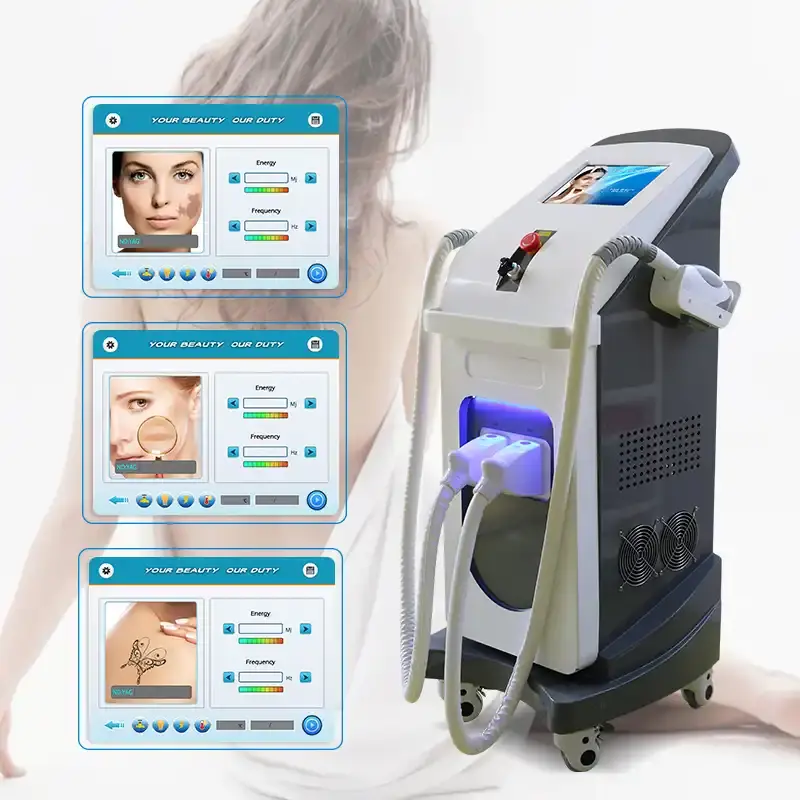
Clinical data from multi-center studies show that properly administered OPT SHR treatments and traditional laser modalities have similar long-term hair reduction rates. Patients are consistently more satisfied with the treatments because they feel less pain. The square-wave energy transfer stops the random power spikes that burn people with regular IPL systems. This makes OPT technology a lot safer when operators are learning how to use it or when they are treating difficult body parts.
Advantages Over Traditional IPL and Temporary Methods
The pulse forms in standard IPL systems aren't always uniform, which means that the amount of energy delivered in each flash isn't always the same. This lack of predictability raises the risk of burns and leads to uneven results that need more correction sessions. The regulated square-wave output of OPT technology gets rid of this variation, making sure that the final sub-pulse has the same amount of energy as the first discharge. Compared to temporary methods like waxing or threading, the economic equation changes a lot: the per-session costs may seem higher, but permanent reduction gets rid of ongoing costs and frees up staff time for services that make money.
Electrolysis is still the only FDA-approved way to get rid of hair permanently, not just reduce it, but it's not realistic for treating big areas because of how it needs to be set up. Because of the need for single-follicle treatment, getting rid of all the hair on a leg could take hundreds of hours, which means it can't be used in the real world. This is where OPT SHR laser hair removal comes in. It offers permanent reduction—usually 80–95% follicle elimination after a full treatment series—at speeds that are commercially viable and allow businesses to grow.
Business Considerations for Procuring OPT SHR Laser Hair Removal Equipment and Services
Manufacturer Evaluation and Certification Requirements
When buying things, companies that can prove they follow international safety and quality standards should be given priority. CE certification shows that a company follows the health, safety, and environmental protection rules of the European Union. ISO 13485 certification shows that a company uses quality management systems that are specific to making medical devices. FDA approval isn't always needed for all markets, but it does give more confidence in the quality of safety tests and production.
Xi'an Taibo Laser Beauty has been making products for 15 years and has built R&D departments, production departments, and a system for providing help after the sale. While still trying to get FDA approval, the company keeps its CE and ISO 13485 certifications, which shows that it is committed to meeting the highest regulatory standards. Looking at how long a maker has been in business, how much they can produce, and how deep their support networks go can help you figure out if a partnership will work after the initial arrival of OPT SHR laser hair removal equipment.
Financial Analysis and ROI Modeling
Professional OPT SHR systems typically cost $15,000–$45,000 depending on configuration, handpieces, and features, with additional operating costs including limited consumables, maintenance contracts, and staff training. Revenue depends on local pricing ($75–$300 per session) and patient volume. Break-even is usually reached after 200–400 full treatment courses (6–8 sessions each), or roughly 12–18 months for clinics serving 15–25 clients weekly. Higher-throughput facilities can shorten ROI further, making accurate capacity planning essential to avoid underutilized equipment.
Supply Chain and Customization Options
Sourcing channels have a big effect on both the total cost of acquisition and the level of long-term assistance. Direct relationships with manufacturers cut out the middlemen and make sure that the parts are real and that the warranty is valid. Taibo Laser provides full OEM and ODM services, which let customers change the branding, interface languages, and even the way things look to match the standards of the facility's branding. This freedom is especially important for businesses with multiple locations that want to standardize their tools or for businesses that are entering new markets and need to support local languages.
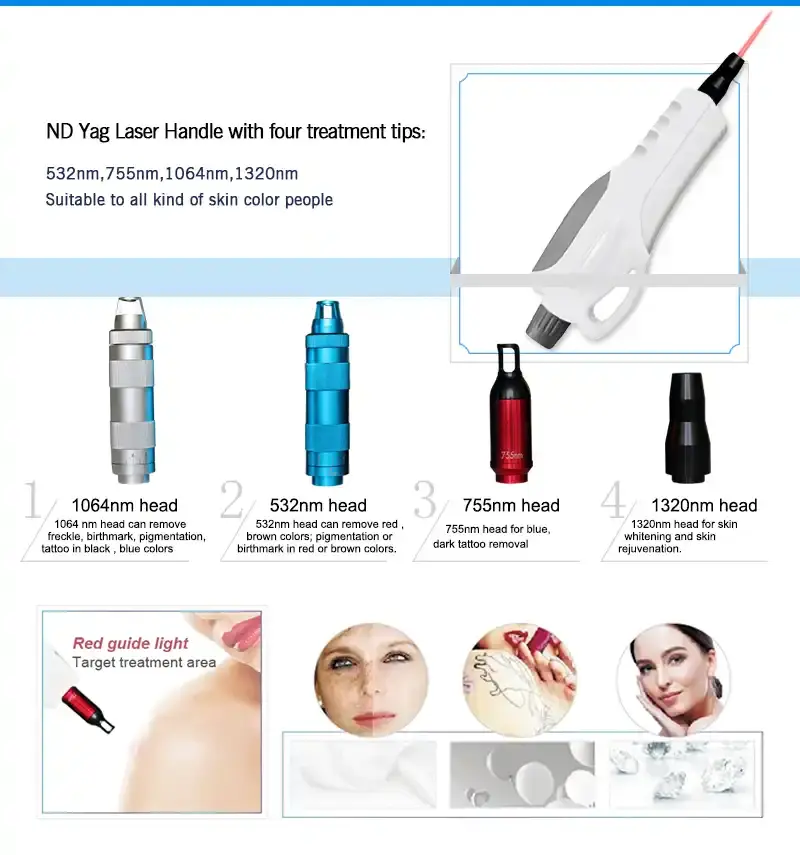
A lot of the time, bulk procurement deals give you access to big discounts, longer warranty terms, and faster expert help. Negotiating training packages during the initial purchase phase, such as on-site installation support and staff certification programs, lowers operational friction during the phases of adopting new technology. Setting up clear ways to talk to technical support teams, like giving them contact information like susan@taibobeauty.com, makes sure that problems are fixed quickly when they happen.
Best Practices to Maximize OPT SHR Laser Hair Removal Results
Pre-Treatment Assessment Protocols
Successful outcomes depend on thorough pre-treatment assessment. Skin type is classified using the Fitzpatrick scale to guide energy settings, with darker skin requiring more conservative fluence despite overall safety advantages. Medical screening identifies contraindications such as photosensitizing drugs, infections, recent sun exposure, or melasma risk. Treatment planning also considers hair characteristics like color, thickness, and growth phase, as active terminal hairs respond best. Clear consultation goals emphasizing long-term hair reduction rather than full removal help manage expectations and improve adherence to multi-session OPT SHR treatment plans.
Treatment Protocols and Session Scheduling
For best results, you need a set of 6–8 treatments, spaced out according to the hair growth cycle in the area you want to treat. Treatments should be spaced out every 4 to 6 weeks for areas of the face with shorter growth cycles and every 6 to 8 weeks for areas of the body with longer cycles. Because OPT SHR technology heats up slowly, it's important to keep the running speed steady. Usually, 1-2 passes per treatment area at a speed of about 1 cm per second are needed to build up enough energy.
Between sessions, parameters need to be changed based on how well the treatment is working and if there are any bad effects. As the number of follicles drops and the client gets used to the warming feeling, subsequent treatments often allow for higher fluence. Keeping track of each client's treatment records, which include energy settings, passes made, and feedback, creates data that helps improve protocols and shows that quality management systems are appealing to buying decision-makers who are assessing operational growth.
Post-Care and Outcome Monitoring
As soon as possible after treatment, the focus is on reducing inflammation and keeping the skin from getting more stressed. After treatment, clients should stay out of the sun for 48 to 72 hours and use broad-spectrum sunscreen every day. They should also avoid hot water and vigorous exercise for 24 hours. The redness usually goes away in a few hours, and treated hairs fall out slowly over 10 to 21 days as the dead follicles get rid of waste.
Tracking performance metrics over a series of treatments gives objective proof of how well the equipment works and how the operators' skills improve. Hair density reduction percentages recorded by standard photography at regular intervals show clients progress and help build case study files that can be used for marketing. Complication rates, client satisfaction scores, and treatment adherence rates are some of the most important performance indicators that help decide what needs to be fixed and who needs to be trained.
Future Trends and Innovations in OPT SHR Laser Hair Removal Technology
Integration of Artificial Intelligence and Smart Diagnostics
The next generation of OPT SHR laser hair removal devices has skin analysis tools driven by AI that use real-time images to automatically suggest treatment settings. Computer vision systems look at skin tone, hair density, and how the treatment worked in the past to suggest the best fluence, pulse width, and pass count. This makes it easier for operators to make decisions and makes sure that results are the same for everyone. Connecting to the cloud makes it possible to collect treatment data, which helps with longitudinal outcome studies and planning maintenance based on real usage trends instead of arbitrary dates.
Smart tests include more than just optimizing treatment. They also include tools for managing clients. Integrated booking tools keep track of each treatment cycle, send automatic appointment notes, and let clients know when their ideal retreatment windows are based on how their hair grows. These features keep clients coming back and make scheduling appointments more efficient, which has a direct effect on revenue per square foot of clinical space, which is a key metric for facility operations managers.
Sustainability and Energy Efficiency Developments
Demand for environmentally friendly medical devices is increasing as stakeholders prioritize sustainability. New OPT SHR systems reduce idle energy consumption by up to 40% through improved power management, while LED indicators and optimized capacitor designs further minimize energy waste, lowering long-term operating costs and emissions. Manufacturers also increasingly use recyclable materials, modular designs, and longer-life components such as xenon lamps rated up to 1,000,000 shots, reducing waste and total ownership costs. Sustainability and recycling practices are becoming key procurement criteria.
Market Expansion and Service Network Development
The demand for cosmetic procedures keeps going up around the world. Southeast Asia, Latin America, and the Middle East are some of the emerging markets that are growing the fastest. As a result of this growth, equipment manufacturers can open authorized service centers and dealer networks in these areas. Taibo Laser sells its products in more than 180 countries, which makes it a good choice for multinational clinic owners who want to expand internationally.
Better after-sales service models include online diagnostic tools more and more, which cuts down on downtime when technology problems happen. With video-enabled support, techs can walk on-site staff through troubleshooting steps in real time, so expensive expert travel is only used when it's really needed. This service architecture is especially important for facilities in secondary markets where there may not be a lot of local technical knowledge. This makes the quality of manufacturer support a key factor in the buying process.
Conclusion
OPT SHR laser hair removal technology is a big step forward in permanent hair reduction. It fixes problems with treatment speed, client comfort, and skin type matching that have been around for a long time. When you combine Optimal Pulse Technology with Super Hair Removal techniques, you get a system that gives aesthetic practices real competitive benefits when they want to set their services apart while also making their operations run more smoothly. The technical design includes square-wave energy delivery, high-frequency pulse repeat, and built-in cooling systems. These features directly lead to measured business benefits, such as faster treatment output, higher client happiness, and a larger market that can be reached.
Systematic review of manufacturer credentials, equipment specs, and total cost of ownership forecasts can help with purchasing choices. By choosing well-known manufacturers with a wide range of certifications and a track record of providing excellent after-sales support, you can lower the risk of investing and ensure long-term operational success. As the technology keeps getting better by adding AI and making it last longer, practices that adopt it early can take advantage of the growing demand from customers for permanent hair removal methods that work well and are comfortable.
FAQ
1.How is OPT technology different from other IPL systems?
Standard ipl machines send out pulses with wavy forms and high levels of energy that can burn skin and give mixed effects. OPT technology creates perfect square-wave pulses that keep the same amount of energy throughout the whole pulse duration. This stops harmful power fluctuations and makes sure that all targeted follicles get the same treatment results.
2.How many treatments are needed to get rid of hair for good?
Most people need between 6 and 8 sessions, split 4 to 8 weeks apart, based on the area being treated and their own hair growth cycles. Most of the time, permanent reduction gets rid of 80–95% of the follicles, but not all of them. Every 12 to 18 months, maintenance sessions take care of any cells that may start to grow again.
3.Is the treatment really painless like they say it is?
The slow heating system and constant cooling of the sapphire make it feel warm instead of the sharp, snapping pain that comes from regular lasers. Most clients say it feels like a warm, comfortable feeling, but sensitivity depends on the person and the area being treated. Compared to regular laser systems, OPT SHR laser hair removal technology makes pain a lot less noticeable.
4.Can people with darker skin get OPT SHR treatments without harm?
The low-fluence, high-frequency method treats Fitzpatrick skin types I–V safely because it doesn't absorb too much melanin from the epidermis, which is what makes regular lasers dangerous for darker skin. When working with darker phototypes, conservative energy parameters and test spots are still important parts of the protocol to make sure safety.
Partner With a Trusted OPT SHR Laser Hair Removal Manufacturer
Picking the right tools provider has a direct effect on your clinic's ability to keep running smoothly and produce excellent results. As a manufacturer of OPT SHR laser hair removal systems with 15 years of experience, Xi'an Taibo Laser Beauty has a wide range of certifications, such as CE and ISO 13485. Our systems have 2000W output power, imported UK xenon lamps rated for more than 500,000 shots, and a dual cooling architecture that makes sure the systems work the same way after thousands of treatment cycles.
We know that decisions about procurement go beyond the initial purchase price and include things like the quality of training, how quickly technical support can help, and how long parts will be available. You can get a two-year warranty from Taibo Laser, and they offer expert help 24 hours a day. They also offer OEM/ODM services that let you change the specifications of their equipment to fit your special needs. Susan@taibobeauty.com can be used to get full specs, set up equipment demos, or talk about volume prices for deployments in multiple locations.
References
1. Anderson, R.R. & Parrish, J.A. (1983). Selective photothermolysis: precise microsurgery by selective absorption of pulsed radiation. Science, 220(4596), 524-527.
2. Bäumler, W., Scherer, K., Abels, C., Neff, S., Landthaler, M., & Szeimies, R.M. (2007). Optimal parameters for the use of intense pulsed light in dermatology. Journal der Deutschen Dermatologischen Gesellschaft, 5(11), 933-942.
3. Gold, M.H. & Biron, J. (2008). Efficacy of a novel combination of optical and capacitive radiofrequency in hair removal. Journal of Drugs in Dermatology, 7(11), 1067-1069.
4. Haedersdal, M., Beerwerth, F., & Nash, J.F. (2011). Laser and intense pulsed light hair removal technologies: from professional to home use. British Journal of Dermatology, 165(Suppl 3), 31-36.
5. Sadick, N.S., Laughlin, S.A., & Brown, D.B. (2004). A comparative study of the safety and efficacy of pulse dye laser and intense pulsed light in the treatment of leg telangiectasia. Dermatologic Surgery, 30(5), 664-670.
6. Town, G. & Ash, C. (2013). Are home light-based hair removal devices effective and safe? Journal of Cosmetic and Laser Therapy, 15(3), 142-143.





YOU MAY LIKE