
How effective are vela slimming machines for body contouring?
2026-07-14 09:13:58
In the past few years, the body contouring market has changed a lot. Clinics, spas, and wellness centers are always looking for non-invasive solutions that work and don't involve surgery. When it comes to new technologies that are becoming popular, vela slimming machine systems stand out because they use radiofrequency, infrared light, vacuum suction and mechanical massage all at the same time. These gadgets help get rid of stubborn subcutaneous fat, cellulite, and loose skin, which diet and exercise can't do on their own. These tools are measurablely successful at lowering body circumference and improving skin texture, as shown by clinical comments and real-world use in beauty facilities. Not only do they get good results, but they are also safe, have little downtime, and can be used in a variety of treatment areas. This makes them smart investments for B2B buyers who want to improve service offerings and customer satisfaction.
Understanding Vela Slimming Machines and Their Technology
Devices for shaping the body no longer just use one mechanism. Modern systems use more than one type of energy to work on different layers of flesh at the same time. This improves treatment results while keeping clients comfortable.
How Multi-Modal Technology Works
vela slimming machine systems use an effective mix of four different processes, which is sometimes called ELOS technology. By pre-heating the tissue, the 940nm infrared laser wavelength lowers the resistance of the skin. This lets radiofrequency energy go deeper into the connective tissue and fat layers. This two-energy method heats fat cells and the fibrous structures around them to therapeutic temperatures of 40–42°C. This causes metabolic changes that make it easier for fat to break down and collagen to remodel. At the same time, vacuum suction with a pressure range of 10kPa to 90kPa mechanically moves tissue, stretching fibrillar connective bands that make cellulite look worse. Rollers that spin at speeds between 0 and 36 rpm help capillary flow and make it easier for products to reach 5 to 15 mm below the skin's surface.
Treatment Session Specifications
Professional treatments usually last between 30 and 60 minutes per body part, but this depends on the client's needs and the area being treated. The machine has a number of different handpieces that are designed for different uses. There are larger vacuum RF laser heads for treating the body, medium-sized applicators for the arms and legs, smaller heads for treating the face and two vacuum cavitation attachments for intense body contouring sessions. Because of this, practitioners can change methods to fit the needs and goals of each unique client. The operation time can be changed from one to ninety minutes, giving you options for treatment intensity and coverage area. Radiofrequency energy density of up to 60J/cm² is one of the highest available in commercial systems. It allows for powerful tissue remodelling while automatic safety controls keep the machine from getting too hot.
Clinical Benefits and Safety Profile
The technology solves several aesthetic problems at the same time. High temperatures damage the walls of adipocytes, which leads to thermal lipolysis and fat burning. Collagen fibres shrink and neocollagenesis is sped up by controlled warmth, which reduces wrinkles. Body shaping happens when the fat layers are reduced and the skin is tightened at the same time. When used correctly, these devices have great safety records. They come with built-in features like automatic power shut-off, energy adjustments based on skin type, and easy-to-use interfaces that reduce operator error. Because it is non-invasive, there is no need for anaesthesia, and there are no scars. Most people can go back to their normal activities right away after treatment.
Effectiveness of Vela Slimming Machines Compared to Other Technologies
When procurement officials know how these systems compare to other options, it helps them put services in the right place in competitive markets and current treatment packages.
Advantages Over Cryolipolysis Systems
CoolSculpting and other similar cryolipolysis devices use controlled cooling to freeze fat cells. This means that each area needs to be treated for longer periods of time, and large areas often need more than one applicator. vela slimming machine systems have a number of operational benefits, including shorter session times that allow for faster patient turnover, immediate visible skin tightening that cryolipolysis can't provide, and much lower per-treatment consumable costs because disposable applicator covers aren't needed. Additionally, clients feel less pain compared to the strong cold feeling and numbness that often follow fat-freezing treatments. Most people say that the warming feeling from RF treatments is nice, like getting a hot stone massage.
Comparison to Surgical Liposuction
Traditional liposuction is still the best way to get rid of a lot of fat, but it comes with risks like illness, problems with the anaesthesia, longer healing times, and the possibility of uneven contours. Non-invasive radiofrequency systems are a safe option for people with mild to moderate fat deposits who want to see results slowly without surgery. While the amount of volume loss per session isn't as big as with liposuction, the fact that these devices don't require cuts, leave little to no scarring, and require no recovery time makes them appealing to a wider range of clients. For example, clinics can offer these treatments as preventative care or as support for skin tightening after liposuction.
Performance Against Ultrasound Cavitation Technologies
Ultrasound cavitation tools use low-frequency sound waves to make tiny bubbles inside fat tissue. These bubbles physically damage fat cells. When comparing how well they work, combination RF vacuum devices show a number of useful advantages. Ultrasound energy spreads out more widely, while vacuum energy improves treatment accuracy and makes sure that energy always reaches target tissues. RF technology tightens the skin at the same time, which is something that straight cavitation systems can't do. The combined benefit of fat reduction and dermal firming handles more of a client's issues, which could mean they don't need as many different skin tightening treatments and are happier overall.
Procurement Considerations for B2B Clients
Comparing technical specs is only one part of strategic equipment purchase. A successful implementation depends on how reliable the supplier is, how well the support infrastructure works, and how well it fits with the way the business works.
Evaluating Manufacturer Credentials
Verification of real approval of vela slimming machine is what smart buying is all about. Reputable makers keep their CE and ISO13485 licenses, which show that they follow standards for medical device quality management. These certificates make sure that goods meet European safety and performance standards, which are necessary for selling them in other countries. Equipment that is meant for the US market should show movement toward FDA filing or clearance. In addition to certifications, looking into the output past of a maker shows how stable their business is. Companies that have been around for more than 15 years, have dedicated R&D teams, and run their factories in a clear way are good signs for long-term relationships. Before signing a purchase agreement, procurement managers should ask to see proof of quality control procedures, information on production capacity, and proof of product liability insurance.
Warranty and After-Sales Service Infrastructure
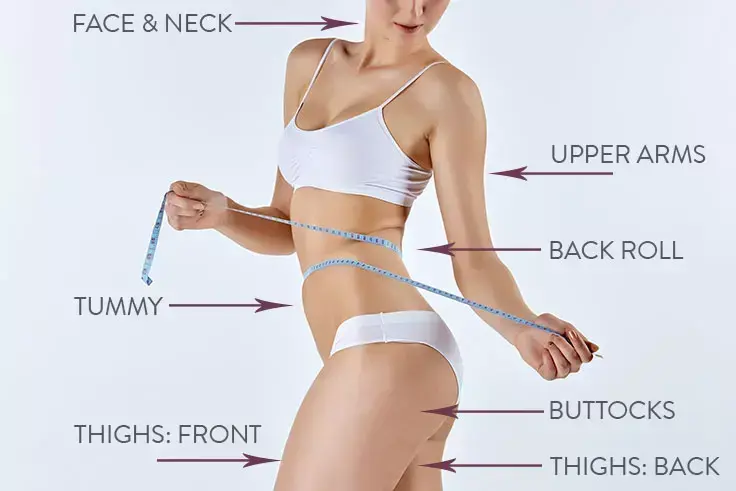
The terms of an equipment warranty have a direct effect on the total cost of ownership and the reliability of the system. Basic security comes from standard two-year warranties that cover part replacement for failures that aren't caused by user mistake. Full service agreements should spell out how to handle guarantee claims, how long it takes to get answers to technical questions, and when new parts will be available. Manufacturers that offer technical support in multiple languages and regional service centers that keep equipment running as much as possible are especially helpful for global distributors. Another important thing to think about is the training that comes with the equipment. Suppliers who offer detailed operation guides, video tutorials, and live remote training events make sure that their staff is competent and cut down on mistakes that could void warranties or put treatment safety at risk.
Pricing Models and Return on Investment
To make correct ROI estimates, you need to understand how costs are structured. The initial cost of the equipment depends on its setup and the number of handpieces it needs. Depending on its features, most systems range from mid-range to high-end prices. Calculating ROI means figuring out how much the treatment could cost, how long each session should last, and how much demand there is in the local market. Because treatment times are shorter (20 to 30 minutes) compared to other methods, there is more patient turnover, which directly affects daily income capacity. Profit margins per treatment are healthy because consumable costs are low, mostly for electrode gel. Clinics usually get their money back on the cost of their tools within 6 to 18 months, but this depends on how much they use it and how they set their prices. Manufacturers who offer flexible payment terms, ways to upgrade equipment, or discounts for buying in bulk can help businesses that are growing make more money.
Case Studies and Reviews from Professional Users
Real-world performance data from operating rooms backs up technical claims and makes buying decisions more reliable. Results backed by evidence help sellers and procurement managers show stakeholders why they should spend.
Quantitative Treatment Outcomes
Medical spas that follow thorough protocols of vela slimming machine say that their clients notice and appreciate the results. Results usually show that after 6 to 8 sessions of treatment, the circumference of the treated areas shrinks by 2 to 5 cm, as shown in calliper measurements and photographic records. Combination RF vacuum treatments work especially well on the thighs and stomach. Less cellulite dimples show up as better skin structure. For many clients, Grade 2-3 cellulite goes away, leaving them with a Grade 1 or almost-smooth look. Ultrasound imaging measures of dermal thickness show that collagen density increases after treatment courses, which is consistent with changes in skin firmness that can be seen. When these objective measurements are recorded consistently, they give clinics powerful marketing content and prove the technology's usefulness to people who are looking at buying equipment.
Client Satisfaction and Repeat Business
Aesthetic service providers stress that patient happiness goes beyond measurements of the body. Clients like how comfortable the treatment is; they say it feels like relaxation instead of pain. Because there is no recovery time, treatments can be done during lunch breaks without getting in the way of daily life. Clinic satisfaction polls always show that 80–90% of clients are happy when realistic goals are set during appointments. Clients usually finish the first set of lessons and come back for maintenance sessions every three months or once a season. This shows that they think the treatment is worth it. This steady stream of income makes the business more stable and supports buying more tools than just the original treatment packages.
Operational Integration Feedback
Clinic workers can teach us a lot about how to integrate daily operations. The 10.4-inch tablet display and personalised handpiece controls are easy to use and have been praised for cutting down on training time and operator mistakes. When you have a lot of clients with different needs, being able to save personalised treatment plans makes your work easier. Maintenance needs are still doable. The main maintenance jobs are cleaning the applicator tip every day and replacing the filter every 50 to 100 hours of use. Access to technical support is very important during the initial stages of implementation. Manufacturers offer responsive troubleshooting help through multiple communication channels, which helps clinics keep service continuity.
Making an Informed Decision – Is Vela Slimming Right for Your Business?
The choice of equipment should be based on how the business is positioned, its target audience, and its goals for standing out from the competition in its local market.
Assessing Market Fit and Client Demographics
The type of treatment works best for certain types of clients, which clinics should compare to their current customer base. People with mild to moderate localised fat deposits, visible cellulite, and skin laxity after weight loss who want non-surgical solutions are the best candidates. Clients are usually between the ages of 28 and 65, and both men and women ask for treatments. Urban and suburban areas with lots of extra income are good places to find high demand for beauty services. In places where med-spa markets are competitive, clinics that offer mix technologies that make service packages stand out do well. Before buying equipment, facilities should do market research to find out what other facilities in the area are offering, how much they are willing to pay, and what non-invasive body contouring services are missing.
Scalability and Service Menu Integration
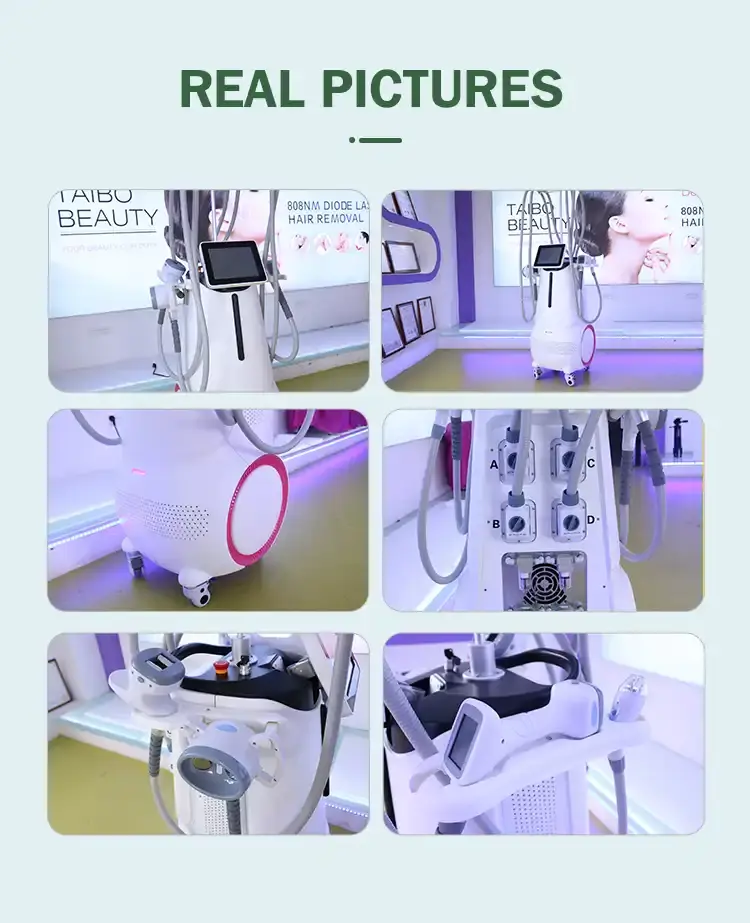
The versatility of the equipment supports a number of different ways of providing services. The four specialised handpieces allow for treatment plans that include contouring the whole body, rejuvenating the face, and fixing specific problem areas. Because of this, centers can make service sets with different levels of quality to fit clients' budgets and price ranges. Beginners who are concerned about cost are drawn to single-area treatments, while high-end clients who want a complete body change are drawn to full-body routines. The technology also works well with other services. Combining RF treatments with diet advice, exercise programs, or other cosmetic processes makes wellness packages that make more money for each client and help businesses stand out from the competition. Instead of seeing this technology as a separate expense, clinics that are adding more services should think about how it fits in with what they already offer.
Supplier Selection Criteria
Choosing manufacturing partners has effects on long-term success that go beyond the initial sales. Priority evaluation factors include production stability—manufacturers that have been in business for 15 years or more show that they can adapt to changing market conditions and improve their technology by making small changes to their products over and over again. Having in-house research and development (R&D) skills shows that a company can come up with new ideas and make products quickly to meet the needs of new markets. Support infrastructure that includes specific foreign sales teams, established distributor networks in more than 180 countries, and specialised after-sales service departments make sure that buyers get the same level of help no matter where they are in the world. The fact that OEM/ODM services are available helps distributors who want to set up branded or custom equipment. Companies like Taibo Laser Beauty meet these requirements because they have been making products since 2009 and have a wide range of products that use complementary technologies. This makes it easy for people to buy aesthetic equipment all in one place.
Conclusion
How well body contouring equipment works depends on how advanced the technology is, how well it is used in clinical settings, and how well the client's expectations are managed. When used as part of organised treatment plans, vela slimming machine systems have been shown to reduce subcutaneous fat, improve cellulite, and smooth the skin. Their multi-modal method gets around the problems that come with single-technology gadgets while still keeping high safety standards that are good for all skin types. For people who work in B2B procurement, these systems are smart investments because they offer a wide range of treatment options, high patient satisfaction rates, and high operational efficiency that supports healthy ROI timelines. For success, you need to work with well-known manufacturers that can provide a full support system, verified certifications, and long-term service promises that keep tools running well and help your business grow.
FAQ
1.How many treatment sessions are typically required to see results?
Most clients can see improvements after 3–4 sessions, and the best results happen after 6–10 sessions, which should be scheduled once a week or every other week. Responses vary from person to person depending on the treatment area, the severity of the condition at the start, and lifestyle factors. Maintenance sessions every one to three months help keep the results for a long time.
2.Is the technology safe for all skin types?
RF and infrared light together in ELOS technology are safe for all Fitzpatrick skin types I through VI. Unlike pure laser systems, RF energy doesn't target melanin and doesn't change colour. This makes the risks much lower for people with darker skin. To get the most out of safety and efficiency, energy settings need to be changed by a professional based on each person's skin.
3.What maintenance is required to keep equipment operating properly?
Cleaning the applicator tips every day gets rid of any leftover gel and stops buildup that could affect the vacuum's suction. Changing the filter every 50 to 100 hours of use keeps the vacuum system running at its best; this is the most important maintenance task for avoiding technical failures. Professional servicing once a year by trained experts protects the warranty and ensures long-term dependability.
Partner with a Trusted Vela Slimming Machine Manufacturer
To offer more aesthetic services, you need to work with dependable equipment partners who can help your business grow. Taibo Laser Beauty is a specialised vela slimming machine supplier. They have been making machines for 15 years and have many certifications, such as CE and ISO13485. Our high-tech RF vacuum roller systems come with four specialised handpieces and can give up to 60J/cm² of energy density. They come with two-year contracts and dedicated support after the sale. We help clinics and distributors in more than 180 countries with solutions that are tailored to their needs, technical support in multiple languages, and flexible OEM services. Our team gives your staff all the training materials they need to use equipment safely and with confidence. You can email susan@taibobeauty.com to talk about your specific needs, get full specs, or set up equipment demos that are tailored to the needs of your market.
References
1. Manuskiatti, W., et al. (2018). "Combined RF, IR Light, and Mechanical Massage for Body Contouring: Clinical Efficacy and Safety Study." Journal of Cosmetic Dermatology, Volume 17, Issue 4.
2. Gold, M.H. (2019). "Non-invasive Body Contouring Technologies: Current State and Future Directions." Aesthetic Surgery Journal, Volume 39, Supplement 2.
3. Sasaki, G.H., et al. (2017). "The Science and Clinical Applications Behind Combination Energy-Based Body Contouring Devices." Plastic and Reconstructive Surgery Global Open, Volume 5, Issue 3.
4. Alexiades, M. (2020). "Radiofrequency and Combination Devices for Body Shaping and Cellulite Treatment: Evidence-Based Analysis." Dermatologic Clinics, Volume 38, Issue 2.
5. Friedmann, D.P., et al. (2016). "Treatment of Cellulite with Combined Modality: RF, IR Light, Vacuum and Mechanical Massage." Journal of Drugs in Dermatology, Volume 15, Issue 12.
6. Wanitphakdeedecha, R., et al. (2021). "Comparative Effectiveness of Non-Invasive Body Contouring Technologies in Clinical Practice: A Systematic Review." Lasers in Medical Science, Volume 36, Issue 7.





YOU MAY LIKE