
How Does a portable muscle stimulator machine Work?
2026-08-26 09:05:44
A portable muscle stimulator machine delivers controlled electrical impulses through surface electrodes placed on the skin, triggering involuntary muscle contractions that mimic natural nerve signals. This technology—known as Electrical Muscle Stimulation (EMS)—works by depolarizing motor neurons, forcing muscles to contract and relax rapidly. These devices are particularly valuable for beauty salons, wellness centers, and dermatology clinics seeking non-invasive body sculpting and rehabilitation solutions. Beyond pain management, modern systems utilize High-Intensity Focused Electromagnetic technology to induce supramaximal contractions that remodel muscle structure while simultaneously triggering fat breakdown through enhanced adrenaline release.
Understanding Portable Muscle Stimulator Machines: How They Work
The Science Behind Electrical Muscle Stimulation
Bioelectrical signals that work like the body's natural communication system are at the heart of muscle stimulation therapy. When you consciously tighten a muscle, your brain sends electrical signals to the nerves in that area. Through skin-contact electrodes, portable muscle stimulator machines send similar signals directly to motor neurons, skipping this pathway. What researchers call "supramaximal contractions" are muscle twitches that are stronger than what can be done by conscious effort alone. The pulse frequency range of this technology is 5–200 Hz. Lower frequencies help blood flow, while higher frequencies make muscles stronger.
Distinguishing EMS from TENS Technology
Both technologies use electricity, but they are used for very different things. Using the Gate Control Theory, Transcutaneous Electrical Nerve Stimulation (TENS) blocks pain signals by focusing on sensory nerves. On the other hand, EMS technology works on motor nerves to make muscles contract in a way that can be seen. This difference is important for beauty professionals because EMS devices change the shape of the body and build muscle, while TENS units only ease pain. The Taibo EMS system sends out shocks at such high frequencies that muscles can't go into their normal rest phase between contractions. This forces adaptive tissue remodeling, which burns fat and grows muscle at the same time.
Core Hardware Components
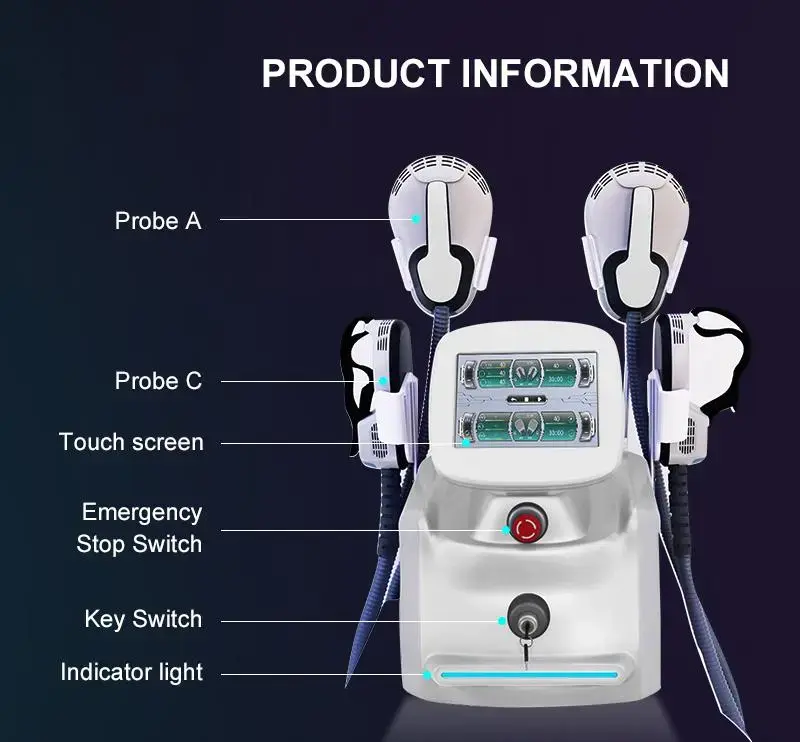
Professional systems have three interdependent pieces. The control unit has a pulse generator. Its precise patterns—symmetrical biphasic square waves—prevent skin irritation. Conductive sensors made from medical-grade materials convey these impulses to the proper areas. Power management controls voltage and current. Modern types use Constant Current drivers that adjust to skin resistance. Avoids hot areas if an electrode pad shifts during treatment. An AC 220-240V power supply powers the Taibo machine's four applicators to target the belly, arms, hips, hamstrings, and thighs with 5500 watts.
Frequency, Intensity, and Waveform Optimization
Therapy outcomes depend on parameter changes. Slow pumping motions between 2 and 4 Hz remove metabolic waste like lactic acid, making them ideal for post-workout rehabilitation. Mid-range frequencies (35–50 Hz) activate the most motor units and build muscles. High-intensity (8 Tesla) magnetic fields may penetrate deep into skeletal muscles and create structural changes that ordinary exercise cannot. Nerves adapt to stimuli over time. Waveform modulation prevents this. Modern devices automatically adjust pulse width and frequency to maintain muscle activation throughout 30-minute treatments.
Benefits and Safety of Portable Muscle Stimulator Machines
Enhanced Muscle Recovery and Performance
Studies in humans show that structured EMS protocols shorten the time it takes to recover by 40–60% compared to passive rest alone. The technology of portable muscle stimulator machines is especially helpful for rehabbing knee injuries after surgery, since staying immobile for a long time after an ACL repair can cause quadriceps atrophy. Beauty salons can help their clients recover by giving them practical rehab programs that keep their muscles toned while they heal. Some sports performance uses of this technology are pre-event potentiation, which is short bursts of high-intensity stimulation that get muscle fibers ready for explosive movements, and active recovery sessions, which get back to normal function between training cycles. The Taibo system works like 30,000 voluntary contractions in just 30 minutes. Over 2 to 4 treatment courses, it increases muscle mass by 16% and decreases fat by 21%.
Comprehensive Pain Management Solutions
In addition to their cosmetic uses, muscle stimulators can help with pain without using drugs. Local circulation is improved by the mechanical pumping action, which brings oxygen and nutrients to the area while getting rid of inflammatory substances that make nerve ends more sensitive. Regular treatment plans work well for long-term problems like lumbar radiculopathy and frozen shoulder. These gadgets are being used more and more by occupational health programs to help workers with repetitive strain injuries keep doing their jobs while getting therapeutic exercise. Treatment is non-invasive and doesn't hurt, so it can be used by people who can't handle physical therapy or would rather not deal with the side effects of medications.
Safety Standards and Risk Mitigation
CE and ISO13485 certificates indicate that professional gadgets satisfy international medical device standards. Products must pass stringent electrical, electromagnetic, and biocompatibility testing under these requirements. Taibo includes several safety measures. Its automated power-off function prevents overtreatment, built-in warnings notify users when an electrode moves, and energy-efficient design maintains output over lengthy usage. Pregnancy, metal treatment devices, heart pacemakers, and active malignancy should be avoided. Correct electrode placement and intensity calibration may prevent skin irritation and muscular soreness. Professionals should be trained to recognise danger indications and adjust settings depending on client capacity.
Power Management and Maintenance Considerations
Procurement professionals must consider operating expenses beyond the purchase price. The Taibo gadget takes 5500 watts at full capacity, yet its clever design reduces energy usage throughout therapy. Hydrogel electrodes need to be changed most often since they only last 15–30 uses. Electrode performance diminishes with skin oils and cell debris, which might cause an unpleasant current concentration. Regular replacement programs keep customers comfortable and service constant. The device is meant for three to five years of continuous occupational usage. Its innovative cooling mechanism lets it be used daily for longer without losing efficacy.
Comparing Portable Muscle Stimulators with Alternative Solutions
Functional Differences: EMS vs. TENS Units
By understanding these differences, you can choose the right portable muscle stimulator machines for your business needs. TENS works at higher frequencies, usually between 50 and 120 Hz, which creates sensory input that stops the brain from getting pain signals. These devices are great at helping people with chronic pain, but they don't change the way your body looks or cause muscles to contract. EMS systems like the one Taibo has work over a wider frequency range, creating strong motor reactions that change the structure of tissues. Beauty clinics that focus on body sculpting and improving appearance should favor EMS capabilities. On the other hand, pain management clinics might benefit from devices that offer both methods.
Electrode Configuration Options
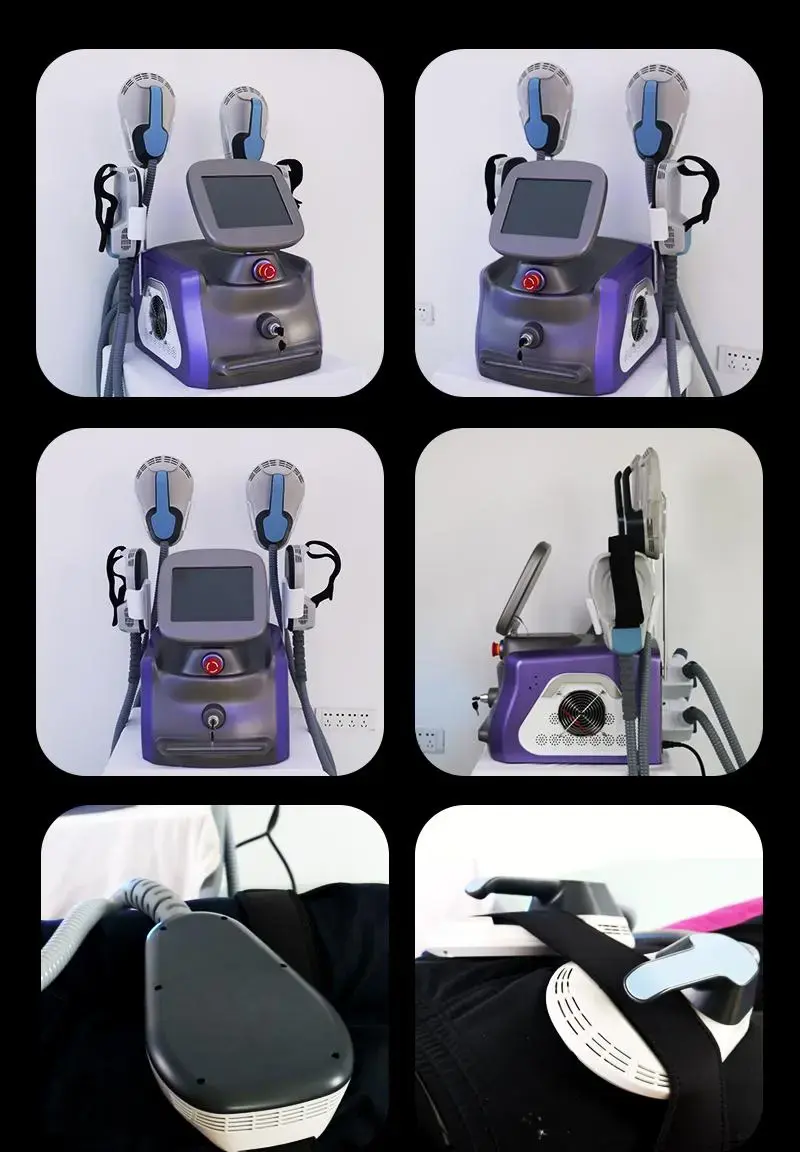
Treatment flexibility depends a lot on how the applicator is made and how it can be placed. The Taibo system has four handles that are designed to target different parts of the body. This lets you treat more than one area at the same time. This arrangement cuts down on session times while keeping the healing level of energy constant across all treatment zones. Other designs that use adhesive pad arrays allow for precise placement, but they need to be moved and replaced often. In high-volume clinical settings, handle-based systems are more efficient, while pad systems are better for home use where treatment frequency is less important. Professional devices should be able to handle different kinds of electrodes so they can meet the needs of a wide range of clients and treatment plans.
Market Positioning and Pricing Analysis
Before investing, consumers must compare up-front expenditures against company longevity and profit potential. New consumer gadgets cost $200–$800. They include basic functionality for personal health use but not enough power or dependability for professional use. Clinical-grade systems cost $3,000–$15,000 but are worth it since they offer greater performance parameters, regulatory approval, and a complete guarantee. Professional Taibo EMS devices have 8 Tesla intensity ratings, four-applicator configurations, and ISO13485 medical device certification. Premium treatments may recoup clinics' costs in three to six months. A class might cost $150–$300, depending on the market.
How to Select and Use Portable Muscle Stimulator Machines for Your Business
Essential Procurement Criteria for 2026
To make smart buying decisions, you need to evaluate the best portable muscle stimulator machines in a planned way across many areas. The variety of treatment options depends on the stimulation modes. Devices should provide 5–7 adjustable fat loss, muscle-building, rehabilitation, and toning programs. For sensitive clients, use 1 mA; for athletes, 100 mA. A warranty shows the maker trusts the product. Complete 2-year part replacement guarantees avoid unexpected repairs. Great after-sales service distinguishes vendors. Find suppliers offering 24/7 tech support, video training, and fast troubleshooting.
Average breakdown time, part quality, and cooling system performance determine device dependability. Unique temperature control keeps the Taibo system cool throughout back-to-back sessions, making it durable. Hague authenticity and other safety certificates show your quality and compliance. Request group testing proof instead of sample-only authorisation, procurement teams.
Operational Best Practices and Training Requirements
To maximise treatment results, choose the proper approach and process. Cleaning and drying the skin improves electrode contact and current flow, which improves therapy results. Gradual strength ramping helps the client relax and adjusts their nervous system. Taibo step training follows natural workout progression patterns. These methods increase client comfort and treatment outcomes. An operator must immediately reduce the power or relocate the electrodes if a client flinches, becomes crimson, or says they feel on fire.
Professional training should address anatomical aspects, contraindications, why parameters were selected, and emergency response. Operators gain confidence and expertise with video lectures and practice. Regular ongoing education keeps staff abreast of current research and best practices. Taibo provides extensive video call training and support until operators are proficient.
Procurement Channels and Pricing Strategies
Each method for business-to-business industrial tool purchases has benefits. Direct manufacturing provides lower prices, personalisation, and faster technical support. OEM/ODM services from Taibo enable labelling and specification changes. Authorised wholesalers charge more but provide regional help and easier processing. Wholesalers are aggregated on B2B platforms for price comparison. Check the merchant and items for authenticity.
Purchase in bulk to save. Multi-location clinics or buying groups have more negotiation leverage. Gadget bundles including training, marketing, and basic supplies make buying. Multiple payment alternatives aid financial flow. For financial needs, Taibo accepts bank transfers, credit cards, Western Union, and PayPal.
Top Brands and Suppliers for Portable Muscle Stimulator Machines
Leading Manufacturer Profiles
Many professional muscle stimulation firms are creative and reliable. Innovative portable muscle stimulators from Xi'an Taibo Laser Beauty Company date back to 2009. The same company handles R&D, production, foreign sales, and after-sales. It ensures quality throughout production and delivers quickly. They specialise in aesthetic medicine using laser, IPL, HIFU, and body sculpting equipment. 180-country exports demonstrate regulatory and commercial conformity.
Tech specs and support differentiate firms. Taibo EMS' 8 Tesla magnetic strength allows deeper entry than competitors' 3–4 Tesla, boosting therapeutic effectiveness. Quadruple-applicator designs streamline visits and boost income. CE, ISO13485, SGS authentication, EMC compliance, and LVD clearance highlight the company's worldwide safety and performance. The FDA and medical CE application processes imply the company will access North American regulated markets.
OEM and Customization Capabilities
Without manufacturing infrastructure, purchasers may produce their own brand-name items using private labelling. Taibo's ODM goes beyond branding. The housing colours, software interfaces, applicator configurations, and package designs are also changed. These talents help existing beauty equipment suppliers find new methods to sell their items and emerging enterprises gain brand awareness. Professional R&D teams help customers create production-ready prototypes and designs throughout the specification phase.
Interface translations for single-unit orders and language customisation enable worldwide operations. Customising colours costs a lot, but it allows you to match your brand. Minimum order numbers depend on the complexity. Basic logo application requires 10–20 units, while major alterations may need 50–100. Flexible manufacturing approaches combine customisation with cost-effectiveness.
Supplier Evaluation Framework
Check numerous factors to find long-term connections. Verify credentials by checking firm registration, manufacturing permits, QMS certifications, and export paperwork. For quality assurance, request CE certificates, ISO13485 audit reports, and product test results. An in-person or third-party factory audit indicates production capacity, quality management, and size.
Analysis of customer feedback gives performance data beyond marketing. Professional networks can provide you with honest feedback from customers on your products' dependability, speed, and customer satisfaction. Reading online reviews requires separating genuine user reviews from fakes or competitive attacks. Taibi encourages factory trips to buyers. Visitors may tour the facilities, check out equipment, and get free training to acquire confidence in the products and manufacturing process.
Conclusion
Knowing how portable muscle stimulator machines work gives beauty workers the power to buy equipment in a way that improves their services and brings in more money. These machines use controlled electrical signals to make muscles contract at their strongest levels. This helps with body shaping and recovery in ways that exercise alone can't. To choose the right technology, you need to look at frequency ranges, intensity levels, safety certifications, and the dependability of the supplier. With its eight Tesla intensity, four-applicator design, and many safety features, the Taibo EMS system performs at a professional level. A successful implementation relies on properly training operators, following set upkeep procedures, and making sure that the device's features match the needs of the target clients. As the market for cosmetic medicine moves toward non-invasive options, muscle stimulation technology is a tried-and-true answer that meets the growing demand from customers for effective treatments that change the way their bodies look.
FAQ
1. Are portable muscle stimulator machines safe for all clients?
Professional portable muscle stimulator machines are usually safe to use as long as it is handled by trained professionals who follow set procedures. Heart pacemakers and demand-type implants are not recommended because electrical interference could stop the devices from working. To keep electricity from concentrating in metal gear like surgical screws or plates, electrodes must be carefully placed away from implant sites. Some other things that shouldn't be done are pregnancy, active cancers, epilepsy, and blood disorders. Before treatment starts, risk factors can be found by properly screening clients with initial forms and phone calls.
2. How long do electrodes last compared to the machine itself?
The Taibo EMS device is designed to work professionally for three to five years with normal use. Hydrogel electrodes are consumable parts that need to be replaced on a regular basis. Depending on how often they are used and how they are stored, electrodes can keep their best conductivity for 15 to 30 applications. As dirt and oils from the skin build up on electrical surfaces, they stop working as well, which can show up as weaker sensation or painful hot spots. Setting up systematic replacement plans keeps treatment experiences constant and stops quality from going down.
3. Can EMS technology replace traditional physical therapy or exercise?
EMS is not a replacement for regular training and recovery; it is a powerful addition to it. The technology uses synchronous activation patterns to recruit motor units, which are different from the asynchronous firing patterns that happen when muscles contract on their own. Because of this, EMS is great for "superimposed" training, which means using stimulation during physical exercise to get more fibers to contract beyond what the person can freely do. Ideal situations for EMS to keep muscle mass during immobilization phases are post-surgery rehabilitation situations where weight-bearing is limited. Instead of abandoning formal training programs, athletes use technology to speed up recovery and get ready for competition.
Partner with TB for Advanced Muscle Stimulation Solutions
Xi'an Taibo Laser Beauty Company helps beauty salons, wellness centers, and dermatology clinics that want to add professional-grade EMS technology to their services in a wide range of ways. The CE and ISO13485 certifications for our 2024 Newest portable muscle stimulator machine back up its cutting-edge muscle stimulation and body contouring features. We offer reasonable prices on equipment and also offer OEM customization, two-year warranties, and 24-hour expert help to make sure your investment lasts. Our expert team can help you choose the right specifications, train your operators, and keep your machines in good shape, whether you need a single machine or a lot of them with your own brand on them. Visit email susan@taibobeauty.com to learn more about how our 15 years of experience in manufacturing can help your business and your clients.
References
1. Kots, Y.M. and Khvilon, V.A. (1971). "Training of Muscular Power by Method of Electrical Stimulation." Soviet Sports Review Quarterly, Volume 6, Issue 4.
2. Lake, D.A. (1992). "Neuromuscular Electrical Stimulation: An Overview and Its Application in the Treatment of Sports Injuries." Sports Medicine Journal, Volume 13, Issue 5.
3. Maffiuletti, N.A. et al. (2018). "Neuromuscular Electrical Stimulation for Preventing Skeletal Muscle Weakness and Wasting in Critically Ill Patients: A Systematic Review." British Medical Journal Open Access.
4. Porcari, J.P. et al. (2019). "Effects of Electrical Muscle Stimulation on Body Composition and Metabolic Health." American Council on Exercise Fitness Research.
5. Vanderthommen, M. and Duchateau, J. (2007). "Electrical Stimulation as a Modality to Improve Performance of the Neuromuscular System." Exercise and Sport Sciences Reviews, Volume 35, Issue 4.
6. Ward, A.R. and Shkuratova, N. (2002). "Russian Electrical Stimulation: The Early Experiments." Physical Therapy Journal, Volume 82, Issue 10.





YOU MAY LIKE