
Magnetic Muscle Stimulation Machine Applications in Modern Clinics
2026-08-26 09:05:42
Modern aesthetic and wellness clinics continuously seek innovative solutions that deliver measurable outcomes without surgical intervention. The magnetic muscle stimulation machine has emerged as a transformative technology in this landscape, offering clinics a powerful tool for non-invasive body contouring and muscle rehabilitation. This electromagnetic device induces supramaximal muscle contractions—achieving up to 30,000 contractions in a single 30-minute session—far exceeding what voluntary exercise can accomplish. By penetrating deep into muscle tissue using high-intensity focused electromagnetic fields, these devices simultaneously build muscle mass and reduce localized fat deposits, addressing client goals that traditional methods struggle to achieve efficiently.
Understanding Magnetic Muscle Stimulation Technology
The Science Behind Electromagnetic Muscle Activation
Magnetic muscle stimulation machine technology uses high-intensity focused electromagnetic (HIFEM) energy that can go into muscle tissue up to 7 to 10 cm deep. Unlike surface-level electrical stimulation, this method targets motor neurons directly, which means that all muscle fibers must be recruited during treatment. Rapid changes in polarity caused by the electromagnetic field cause muscles to contract without the person's intention, at levels that can't be reached through voluntary exercise. Clinical studies show that these supramaximal contractions cause tiny muscle damage that is similar to what happens during intense strength training. This sets off the body's natural repair processes, which then make muscles stronger and denser.
Key Technical Specifications That Define Performance
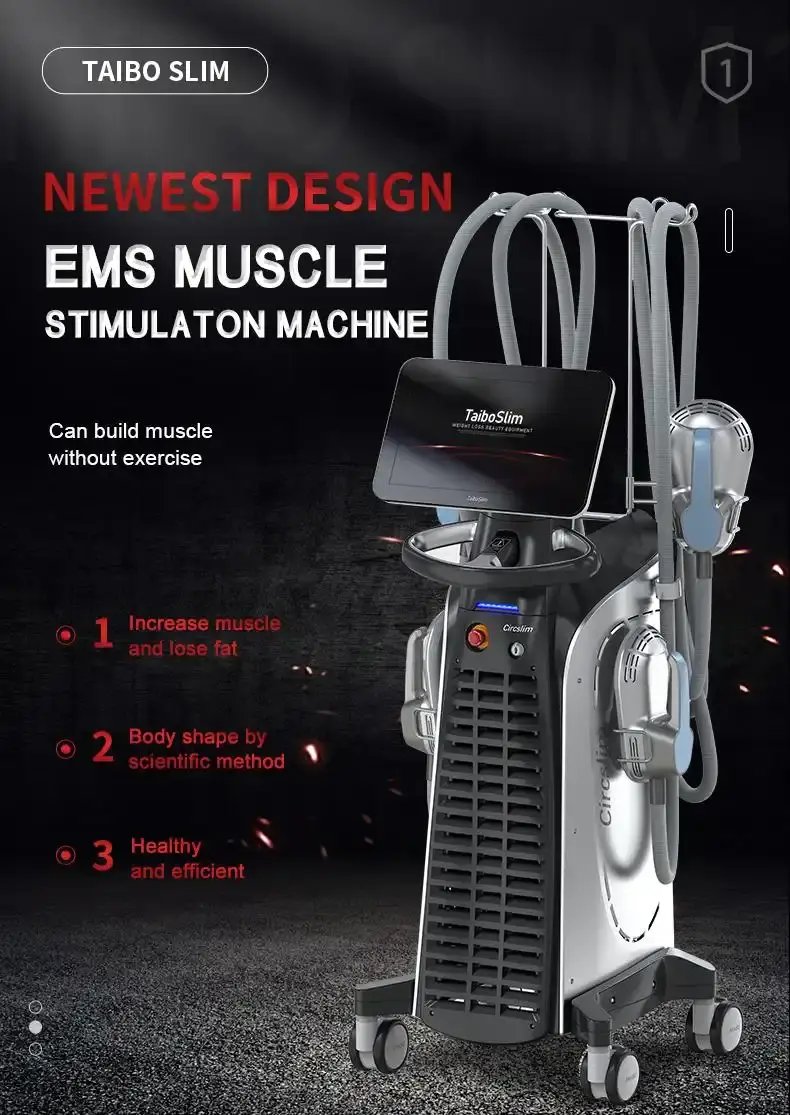
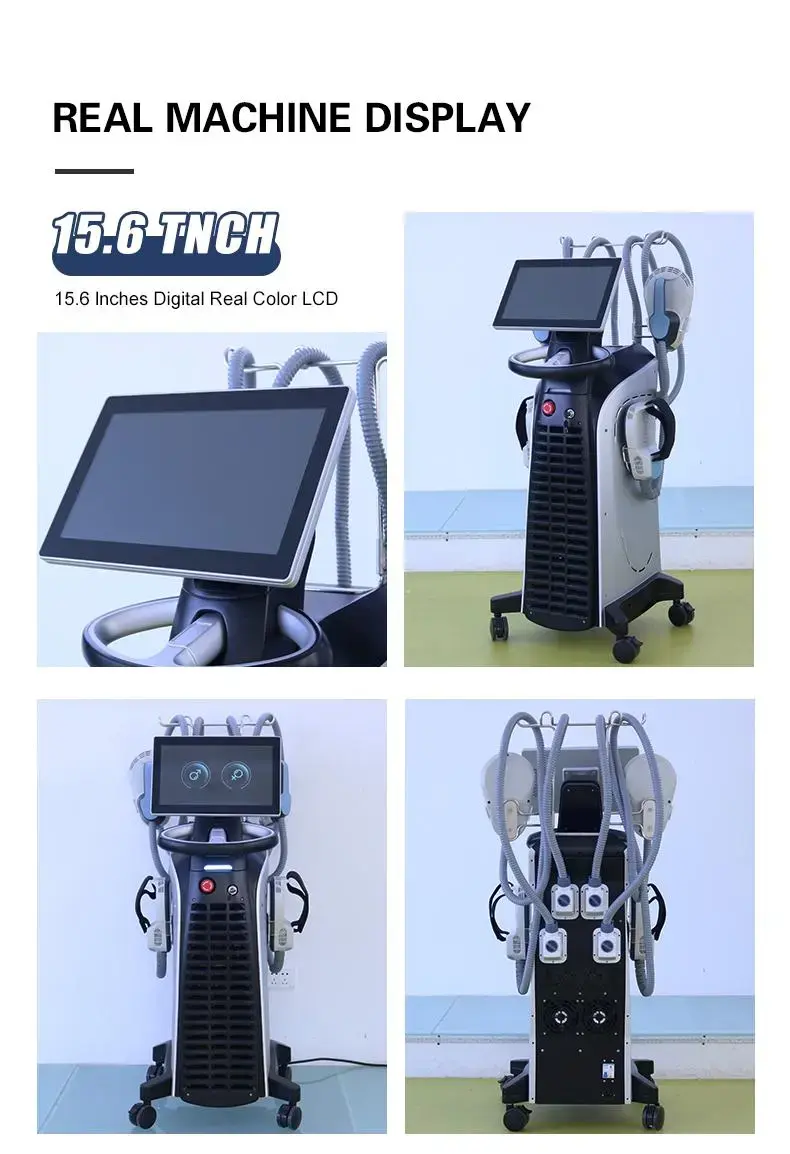
Professional electromagnetic muscle stimulators have frequency ranges that can be changed from 1 to 250 Hz. This lets doctors change treatment plans based on the needs of their clients and the places they want to work on. Most of the time, the devices work at levels of electromagnetic energy measured in Tesla units. More advanced systems can deliver up to 7 Tesla intensity. Treatment sessions can last anywhere from one to ninety minutes, and the length of time can be changed. Professional systems have more than one application, usually two body handles and two limb handles, which allow for simultaneous treatment of multiple areas. These technical skills have a direct effect on how well treatments work and how quickly the clinic can handle patients, which is why evaluating specifications is so important during purchase.
Safety Protocols and Regulatory Compliance
Devices that meet international safety standards have a number of safety features, such as automatic shut-off functions, real-time skin temperature tracking, and atmospheric pressure adjustment (usually between 700 hPa and 1060 hPa). CE certification and ISO13485 compliance show that a clinic meets European health and safety standards. This gives clinics legal peace of mind when they are working with a variety of clients. Because electromagnetic stimulation doesn't involve cutting or anesthesia, there is no risk of infection and no recovery time. This makes it a low-risk addition to professional service choices.
Comparison of Magnetic Muscle Stimulation with Other Technologies
Electromagnetic vs. Electrical Muscle Stimulation
Both methods are meant to make muscles tighten, but they do so in very different ways. EMS (electrical muscle stimulation) that is used today sends electricity through surface probes to stimulate muscle fibers on the skin's surface. This method usually only uses 30–40% of the muscle fibers that are available, and it can be painful because of the electrical feeling at the skin level. Magnetic muscle stimulation machine technology goes deeper into the tissue than electrodes can reach, activating whole groups of muscles evenly and getting to fiber types that are hard to recruit on your own. This fundamental difference means that treatments are more comfortable and work more muscles during sessions.
Positioning Against Cryolipolysis and Radiofrequency
Body contouring tools are used in professional settings for different but related reasons. Radiofrequency devices use heat to tighten skin, while cryolipolysis uses controlled cooling to get rid of fat. Neither technology works on strength nor muscle tone. Magnetic muscle stimulation is the only method that can help with both fat loss and muscle growth at the same time. It fills a healing gap that single-modality devices can't. When electromagnetic stimulation is combined with fat-reduction technologies, the results are better in the clinic. This means that clinics can make full-body transformation packages that make clients happier and increase the value of the treatments.
Cost-Benefit Analysis for Clinical Investment
When clinic owners decide what equipment to buy, they weigh the cost of the purchase against the possibility of making money and how well the equipment will work. Initial costs for electromagnetic muscle stimulators are usually higher than those for single-function devices. Professional systems with multiple applicators and advanced controls are especially expensive. However, the technology allows for high service prices—sessions usually cost between $300 and $750 per treatment—and low costs for consumables like power. Treatment sessions don't need any drugs, have no downtime, and don't need much staff guidance once clients are positioned, which makes the best use of practitioners' time. For established clinics with a steady flow of clients, the mix of high session income and low operational costs usually leads to a good return on investment timeline.
Practical Applications of MMS Machines in Clinical Settings
Aesthetic Medicine and Body Contouring
Aesthetic clinics mostly use the magnetic muscle stimulation machine to shape the arms, thighs, and stomach, which are areas where clients want more definition than what diet and exercise can give them. Usually, treatment plans include 4-6 sessions, spaced out by two to three days. After finishing treatment courses, clinical studies show that abdominal muscle thickness increases by 15 to 19% and fat layer reductions by 4.4 mm. The technology fixes common problems with appearance, like weak abs after giving birth, muscle loss with getting older, and fat deposits that won't go away even if you change your lifestyle. Clinics say there is a lot of demand from people with a low to middling BMI who want to define their muscles instead of losing a lot of weight.
Physical Therapy and Rehabilitation Applications
Electrical muscle stimulation is used in rehabilitation centers to help people whose muscles have lost strength after an injury, surgery, or long periods of immobilization. Targeted muscle strengthening is possible with this technology, which helps people who can't do regular resistance workouts because of pain or limited movement. Physical therapists use lower-intensity protocols and specific applicator positioning to help weak muscles get stronger over time. Pelvic floor therapy is a specialized field. Chair-style applicators treat stress urinary incontinence and pelvic floor dysfunction by strengthening muscles without surgery. These are problems that affect millions of people but don't always get good care on their own.
Sports Performance Enhancement
Elite sports training facilities use electromagnetic stimulation to add to regular strength training. This helps build rapid power in specific muscle groups without putting extra stress on joints and connective tissue. The technology lets you work out only certain muscles, like deep core stabilizers and certain parts of bigger muscle groups, that are hard to reach with regular exercise. Maintaining muscle conditioning during times when standard training loads need to be lowered can help athletes who are healing from competitions or dealing with long-term injuries. This technology is useful for in-season maintenance and injury prevention plans because it can do high-intensity muscle work without actual effort or contact.
Procurement Guide: Purchasing Magnetic Muscle Stimulation Machines
Evaluating Device Capabilities and Features
People who want to buy should look at the electromagnetic strength output, the number and form of applicators, the frequency range's flexibility, and the treatment area's adaptability. Professional systems with four applicators can treat more body areas at once, making sessions more efficient and raising the chance of making more money than systems with only two applicators. Adjustable frequency ranges (1–250 Hz) let doctors make different treatment plans for different goals. Lower frequencies tend to focus on fat metabolism, while higher frequencies increase the strength of muscle contractions. The design of the user interface affects how much training staff need and how efficiently operations run every day. This is why a hands-on presentation is important before making a purchase decision.
When looking for magnetic muscle stimulation machine tools, it's best to work with well-known makers who can guarantee the accuracy of the products, their performance, and their full support after the sale. Xi'an Taibo Laser Beauty Company is a good example of an experienced supplier that B2B buyers should look for. They have been making products for over 15 years and sell to more than 180 countries. Our 6000W EMS muscle stimulation system has four professional applicators for treating multiple areas at the same time, intelligent frequency adjustment across 1-250 Hz, and is certified to meet CE and ISO13485 standards. The machine gives you benefits like 30,000 muscle contractions in 30 minutes, and it comes with a full two-year warranty and technical help available 24 hours a day, 7 days a week.
Warranty, Training, and After-Sales Support
Long-term ownership costs and clinical operations are directly affected by how reliable equipment is and how well manufacturers back their products. Comprehensive guarantee coverage—usually two years for professional systems—protects against production flaws and component failures, lowering the cost of repairs that come up out of the blue during the important time for recovering an investment. Manufacturer-provided training programs make sure that staff are skilled in using devices, designing treatment plans, and talking to clients. This cuts down on the learning curve that can cause the service launch to be delayed. Technical help that is always available, such as online troubleshooting and easy access to new parts, keeps treatment going as smoothly as possible when problems do happen. Before signing a purchase deal, clinics should make sure they understand the support infrastructure's reaction time guarantees, contact routes, and service coverage areas.
Future Trends and Innovations in Magnetic Muscle Stimulation
Artificial Intelligence and Treatment Customization
The next wave of magnetic muscle stimulation machine platforms will have treatment planning that is driven by AI. This will look at the client's body composition, treatment history, and reaction patterns to figure out the best way to set up the session. Machine learning algorithms can figure out the best frequency patterns, strength progressions, and applicator placement for each client. This takes away the need for practitioners to guess and speeds up the process of getting results. Integration with body composition analyzers and imaging systems will make objective outcome tracking possible, providing both clinical documentation and compelling before-and-after evidence that helps keep clients and get new ones.
Expanding Clinical Indications
Ongoing clinical studies keep adding to the body of evidence for electromagnetic muscle stimulation uses other than body contouring for looks. Researchers looking into how well it works for managing metabolic syndrome, preventing sarcopenia in older people, and improving functional ability in people with chronic diseases may be able to get more funding and reach a wider market. Specialized brush designs made for specific body parts, like toning muscles in the face and improving hand grip strength, are new product development areas that could set early-adopting clinics apart in competitive markets.
Market Growth and Strategic Positioning
Analysts in the industry think that the demand for non-invasive body contouring technologies will continue to rise as people move away from invasive surgeries and toward comfortable options with no downtime. When clinics invest in electromagnetic stimulation technology now, they are ahead of the curve in this trend. They build knowledge and a name that give them a competitive edge as the market grows. Because the technology can be used in many fields, like aesthetics, rehabilitation, and sports medicine, it allows for open business model development and cross-specialty transfer possibilities that make clinics stronger and help them grow.
Conclusion
Magnetic muscle stimulation machine technology is a big step forward in non-invasive body contouring and muscle rehabilitation. It gives clinics powerful tools that meet unmet client needs in therapeutic, performance-enhancing, and cosmetic applications. The dual mechanism of the technology—building muscle and losing fat at the same time—fills a therapeutic gap that other methods can't. The non-invasive treatment approach also fits with growing consumer preferences for painless procedures with no downtime. For integration to work, gadget specs, maker dependability, and application strategies that meet the needs of the target market need to be carefully looked at. When clinics buy quality tools from well-known brands, they can take advantage of growing market demand while also giving clients measurable results that make them happy, keep them coming back, and get more referrals.
FAQ
1. Is magnetic muscle stimulation safe for all client populations?
For most healthy adults who want to lose weight or build muscle, electromagnetic muscle stimulation is a very safe option. People who have pacemakers, defibrillators, or metal implants in treatment areas, as well as people who are pregnant or who have certain neurological conditions, should not use this technology. Before starting treatment, practitioners should do a full check of each client using the manufacturer's guidelines.
2. How long do treatment results last?
Clinical studies show that the muscle mass gains and fat loss that happen during electromagnetic stimulation courses can last for at least six months, as long as the person continues to exercise regularly and eat well. Many clinics suggest regular upkeep meetings, usually once a month or three times a year, to keep the best results. This helps to keep clients coming back and making money.
3. Can electromagnetic stimulation replace regular exercise?
The magnetic muscle stimulation machine does produce strong muscle contractions, but it should not be used instead of complete exercise routines. The device is great for building specific muscles and improving definition, but it doesn't improve cardiovascular fitness, flexibility, or the overall health benefits of daily exercise.
Partner with TB for Advanced Electromagnetic Body Contouring Solutions
With 15 years of experience making high-quality machines, TB (Xi'an Taibo Laser Beauty Company) is ready to help your business grow by giving you professional-grade magnetic muscle stimulation machine solutions. Our CE and ISO13485-approved systems have been shown to work thanks to their strong 6000W output, smart frequency control from 1 to 250 Hz, and flexible four-applicator setups that make treatment more flexible. As a well-known company that makes magnetic muscle stimulation machines and ships them to more than 180 countries, we offer full support, including two-year warranties, 24-hour technical support, free training programs, and a variety of OEM customization options. You can email susan@taibobeauty.com or call our team on WhatsApp at +86 15319972697 to talk about how our electromagnetic stimulation technology can help you offer more services, make your clients happier, and make your practice more profitable.
References
1. Kinney BM, Lozanova P. High-intensity focused electromagnetic therapy evaluated by magnetic resonance imaging: Safety and efficacy study of a dual tissue effect-based non-invasive abdominal body shaping. Journal of Cosmetic Dermatology. 2019;18(5):1397-1403.
2. Jacob CI, Paskova K. Safety and efficacy of a novel high-intensity focused electromagnetic technology device for noninvasive abdominal body shaping. Journal of Drugs in Dermatology. 2018;17(11):1269-1274.
3. Katz B, Bard R, Goldfarb R, Shiloh A, Kenolova D. Ultrasound assessment of subcutaneous abdominal fat thickness after treatments with a high-intensity focused electromagnetic field device. Dermatologic Surgery. 2019;45(12):1542-1548.
4. Weiss RA, Bernardy J. Induction of fat apoptosis by a non-thermal device: Mechanism of action of non-invasive high-intensity electromagnetic technology in a porcine model. Lasers in Surgery and Medicine. 2019;51(1):47-53.
5. Busso M, Moio M, Laudani G, Sarnelli G. Efficacy and safety of high-intensity focused electromagnetic procedure combined with cryolipolysis for abdominal fat reduction and muscle toning. Aesthetic Plastic Surgery. 2021;45(4):1721-1730.
6. Kent DE, Jacob CI. Simultaneous changes in abdominal adipose and muscle tissues following treatments by a high-intensity focused electromagnetic (HIFEM) technology-based device: Computed tomography evaluation. Journal of Drugs in Dermatology. 2019;18(11):1098-1102.





YOU MAY LIKE