
How do hydro dermabrasion machines compare to traditional microdermabrasion devices?
2026-06-30 09:05:03
hydro dermabrasion machines are a big step forward in skin resurfacing. They use water-based exfoliation, vacuum suction, and serum absorption to give you results that are kinder and more moisturizing than standard crystal or diamond-tip microdermabrasion. This improved method cleans, exfoliates, and moisturizes the skin while causing the least amount of pain. This makes it perfect for people with sensitive skin and those who want to see results right away without having to wait. Traditional microdermabrasion still works for problems with thicker skin, but the hydro version is more useful for current beauty practices.
Introduction
Skin treatment technologies are now necessary in the beauty and health industry to keep customers happy and set businesses apart from others in the same field. It is very important for people who buy things for spas, dermatology clinics, and medical aesthetic centers to know the main differences between Hydro dermabrasion machines and regular microdermabrasion equipment. These technologies treat similar skin problems, like fine lines, hyperpigmentation, acne scars, and dullness, but they do so in very different ways that affect treatment results, client pleasure, and the efficiency of the business.
Choosing between these systems affects not only the quality of care, but also the prices of consumables, the amount of upkeep needed, the ability to keep clients, and the amount of money that can be made. Mechanical grinding has been used to get rid of dead skin cells in traditional microdermabrasion for decades. In the meantime, Hydro dermabrasion machine is a water-based method that exfoliates, hydrates, and delivers serums all at the same time. This comparison looks at how technologies work, their health benefits, their risk profiles, how they place themselves in the market, and how to buy them strategically. This will help you make smart investment choices that fit your business goals and the needs of your customers.
Understanding Hydro Dermabrasion and Traditional Microdermabrasion
Core Technology of Hydro Dermabrasion
Hydro dermabrasion machine devices remove dead skin cells by using a controlled vacuum suction and compressed liquid flow. The machine moves serums that are high in nutrients around the skin using spiral-tip handpieces that make the skin look like it's in a tornado. This swirl loosens and gets rid of dead skin cells at the same time that it infuses hydrating and treatment-specific solutions into the new layers of skin. The technology gets rid of blackheads, deep cleans, and gets rid of dead skin without the rough mechanical pressure that comes with traditional methods. This means that it can be used on people with rosacea, sensitive skin, or who need to recover from surgery.
Traditional Microdermabrasion Mechanics
In traditional microdermabrasion, the skin is physically roughened by either aluminum oxide crystals put on it or diamond-covered tips that are moved by hand over treatment areas. The vacuum part gathers skin cells and crystals that have come loose, causing controlled damage that starts the production of collagen and the turnover of cells. This method works especially well for thick skin, acne that won't go away, and older skin that needs more intense resurfacing. Because it is rough, the person using it needs to be carefully trained so that they don't over-treat sensitive areas of the face, like the area around the eyes or the neck.
Key Operational Distinctions
The main difference is how the skin is treated: standard devices only use mechanical removal, while hydro systems add wetness and active ingredients while exfoliating. Most Hydro dermabrasion machines have vacuum settings that can be adjusted from 0 to 75KPa, allowing for exact customization for various skin types and treatment areas. In general, traditional units don't give you as many options for changing the strength, but diamond-tip systems do because you can choose the coarseness of the tip. These operating features have a direct effect on how long treatments last, how comfortable clients are, and the types of skin problems that each technology can safely and effectively treat.
Comparing Technology and Treatment Mechanisms
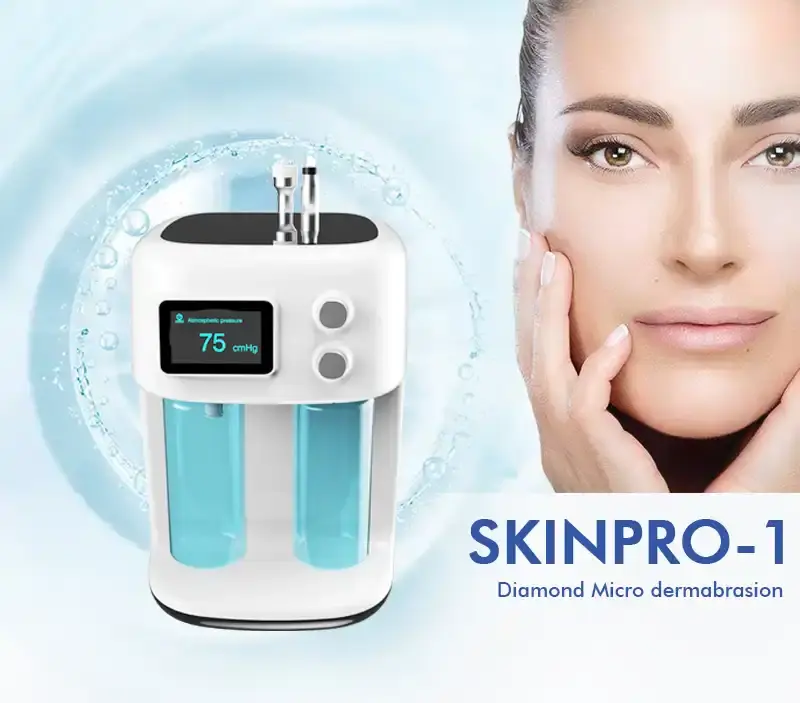
During a normal Hydro dermabrasion machine session, the technician will choose the right serums for the client's needs, such as hyaluronic acid for moisturizing, salicylic acid for acne, or vitamin C for whitening, and then move the handpiece slowly over the treatment areas. The Xi'an Taibo Laser Beauty Hydro dermabrasion machine combines Hydro dermabrasion machine and RF technology. It has a multipolar RF head and eight different tips for the liquid dermabrasion handle, so doctors can make treatments very specific to each patient. The device has a rated power of 110W and a customizable vacuum up to 75KPa, so it works the same way on skin of different thicknesses.
Treatment Process Differences
A dry method is used for traditional microdermabrasion. To get the right exfoliation level for the skin, crystal systems need to have their crystal flow rates and pressure strengths carefully calibrated. Diamond-tip tools need to be used carefully, with passes that meet, to make sure that the treatment area is covered evenly. After both methods, the skin needs to be moisturized and protected from the sun. Hydro dermabrasion machine treatments, on the other hand, include water directly in the process, so there is less need for aftercare and clients can go back to their normal activities right away.
Technical Components and Customization
Professional hydro systems typically use diaphragm or piston pumps to maintain stable fluid flow under vacuum resistance, distinguishing them from consumer devices. The Taibo machine includes automatic shut-off to prevent overheating during prolonged clinical use. Treatment customization extends to vacuum pressure, serum viscosity matching, flow rate control, and combination therapies such as RF for exfoliation and collagen stimulation. Traditional microdermabrasion offers limited customization, mainly vacuum adjustment and abrasive selection via diamond grit levels or crystal particle size and speed, directly affecting outcomes and risk.
Evaluating Benefits and Risks for B2B Buyers
Hydro dermabrasion machines offer a number of impressive advantages that give beauty practices a competitive edge. Exfoliation and hydration happen at the same time, which greatly increases the skin's wetness levels. Clients say their skin looks instantly plumper and healthier after sessions. This technology is especially helpful for people whose skin defenses are weak, who have acne, or who are on harsh anti-aging treatments and can't handle mechanical abrasion. Customizing serums for problems like acne, pigmentation, and age turns a single device into a treatment tool that can be used for more than one thing, which increases the return on investment.
Clinical Advantages of Hydro Dermabrasion
Because water-based exfoliation is so soft, it almost never causes the side effects that come with microdermabrasion, like long-lasting redness, micro-abrasions, and post-inflammatory hyperpigmentation in darker skin tones. There is almost no downtime, so clients can plan treatments during lunch breaks and go back to work right away. This factor of ease leads to more treatments and a higher rate of client engagement. With CE and ISO13485 approval, the Taibo Hydro dermabrasion machine meets legal requirements, which is very important in professional settings that need to follow written safety rules.
Traditional Microdermabrasion Strengths
Traditional microdermabrasion still has clear advantages in certain clinical cases. It delivers stronger mechanical abrasion, producing immediate and visible texture improvement, especially for thick, sun-damaged skin. It is often preferred for deep acne scars, severe photoaging, and keratosis pilaris due to its proven clinical effectiveness and extensive literature support, which can aid insurance or medical approval. It is also generally lower in consumable costs, though hydro treatments may charge higher per session. Maintenance differs, with hydro systems requiring more frequent tube cleaning and O-ring replacement.
Risk Profiles and Compliance Considerations
Risk profiles vary by technology. Hydro dermabrasion machines have minimal side effects, mainly rare serum allergies, allowing broad patient suitability. Traditional microdermabrasion carries higher risk of over-treatment, especially with inexperienced operators, potentially causing irritation, prolonged redness, or acne worsening. Careful consultation is essential to exclude contraindications such as infections, recent isotretinoin use, or unrealistic expectations. Compliance involves device certification, training records, and infection control. CE and ISO13485 certification support global distribution. A one-year warranty further protects investment and ensures integration support.
Market Overview and Procurement Considerations
The market for skilled Hydro dermabrasion machine has grown a lot because people want treatments that are softer and get better results. Leading names like HydraFacial have made the water-based method famous, which is good for all companies that make products in this area. Traditional microdermabrasion is still in high demand, especially in medical spas and dermatology offices that need to use forceful cleaning. This market segmentation lets you set your business up in a way that best serves your ideal customers and stands out from the competition.
Current Market Landscape
Different levels of quality have very different pricing systems. Hydro systems for beginners cost between $2,000 and $3,500, while professional-grade systems that can work with more than one mode cost between $6,000 and $15,000. The Taibo Hydro dermabrasion machine combines Hydro dermabrasion machine with RF technology and comes with several handpieces and tips. It is considered mid- to high-end expert equipment that offers great value for money. Depending on whether they use crystals or diamonds and how much sucking power they have, traditional microdermabrasion machines usually cost between $1,500 and $8,000.
Supplier Reliability and Support Infrastructure
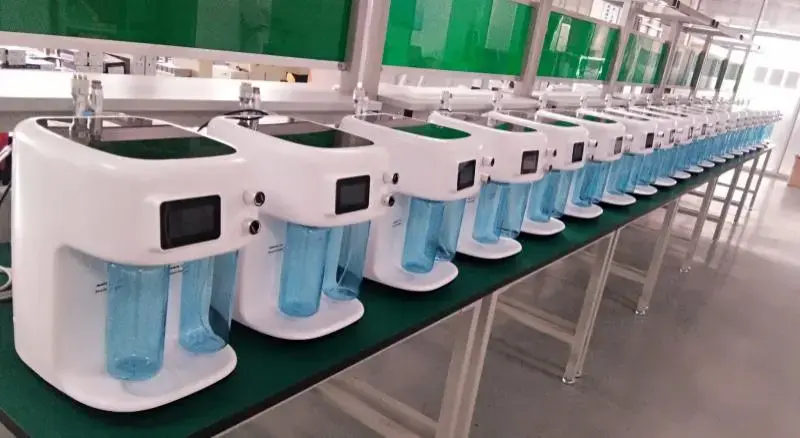
Choosing a reputable manufacturer is as important as selecting the right technology. Xi'an Taibo Laser Beauty, established in 2009 with over 15 years of manufacturing and export experience, represents a reliable B2B supplier. Its vertically integrated R&D, production, sales, and after-sales teams ensure consistent quality and fast support. Products are exported to over 180 countries, reflecting global compliance. Comprehensive training, 24/7 support, and customization options help buyers ensure effective use, minimize downtime, and support private-label needs.
Professional-Grade Versus Consumer Devices
The difference between professional-grade and consumer-grade tools has a big effect on how well treatments work and how well the practice is known. Heavy-duty piston or diaphragm pumps are used in professional Hydro dermabrasion machines to keep the fluid flow and pressure steady throughout lengthy treatment sessions. When a continuous layer forms on skin, consumer devices often lose some of their performance, which makes them less useful in professional settings. Motor torque, component longevity, and steady vacuum pressure under load set equipment into different groups and allow for big price differences.
Professional units have safety features that are needed for business use, like automatic heat shutoffs, pressure tracking systems, and medical-grade materials that can be cleaned according to professional standards. The 110W rated power and 10W micro-current capabilities of the Taibo device give it clinical-grade performance that you can't get from a household product. These specs are directly linked to how well treatments work, how happy clients are, and how reliable technology is over time. These are the things that determine the practice's return on investment and its ability to grow.
Strategic Recommendations for B2B Clients
A clear set of business goals and a study of the types of customers are the first steps to buying the right tools. Hydro dermabrasion machine is a great way for practices that mostly treat people with sensitive skin, people of color who are more likely to get post-inflammatory hyperpigmentation, or wellness-focused clients who want to relax while getting results to meet their needs. The technology's gentleness and quick, obvious effects help keep clients and encourage good word-of-mouth referrals, which are what grow a business naturally.
Aligning Equipment Selection with Business Objectives
On the other hand, dermatology clinics that treat severe acne scars, medical spas that offer strong anti-aging programs, or practices that already offer microdermabrasion may benefit from keeping their traditional systems but possibly adding hydro capabilities to give clients more options and make treatments more varied. A lot of successful practices use both types of treatments. They use regular microdermabrasion when it's needed for medical reasons and market hydro treatments as high-end, results-driven choices that cost more.
Training and Operational Integration
Equipment features are only effective with proper operator training. Comprehensive training ensures consistent care, correct client selection, and result communication supporting repeat bookings. Taibo provides on-site training for bulk buyers, easing integration. Standardized protocols, documentation, and before-after imaging improve consistency and marketing. Operational factors include scheduling, inventory, and setup. Hydro dermabrasion sessions last 30–45 minutes, affecting capacity. Serum usage impacts costs and retail revenue. These factors influence profitability and purchasing decisions.
Return on Investment and Marketing Advantages
Hydro dermabrasion machine equipment is a good investment because it makes treatments more affordable. With treatment prices ranging $150–$250 and consumable costs of $3–$5 per session, cash margins are over 95%. The Taibo device comes with a one-year protection and is built to last. Its multi-modality design (Hydro dermabrasion machine plus RF) lets you offer a wide range of treatments with just one piece of equipment. Break-even usually happens after 15 to 20 treatments for clients, which is very high capital efficiency compared to many other beauty methods.
Benefits in marketing go hand in hand with cash results. The results of Hydro dermabrasion machine are obvious right away and look great in pictures. This makes the before and after pictures perfect for social media marketing and website galleries. The treatment's claim of "no downtime" appeals to busy workers, which means you can reach more people than just beauty clients. The scientific validity of the technology—vacuum-assisted exfoliation mixed with focused serum delivery—makes it a good topic for consultative selling. These marketing benefits make it easier to get new customers, increase the number of people who buy, and keep top prices in markets with lots of competition.
Conclusion
Looking at Hydro dermabrasion machines and regular microdermabrasion machines side by side shows that they are two different technologies that meet similar but different clinical needs. Hydro systems are great for current beauty practices that put client comfort and quick results first because they provide better hydration, softer exfoliation, and more skin-type compatibility. Traditional microdermabrasion is still useful for severe polishing tasks where mechanical grinding works better than anything else. People who make strategic procurement choices should think about the types of customers they have, the services they already offer, the expertise of the operators, and how they see their business in the long run. The Taibo Hydro dermabrasion machine combines advanced water-based peeling with RF technology and comes with full maker support. It is a great choice for practices that want to stand out from the competition by using clinically proven technology that works.
FAQ
1.What skin types benefit most from hydro dermabrasion versus traditional microdermabrasion?
Hydro dermabrasion machine is good for almost all skin types, but it works best on sensitive, dry, or ethnic skin that is prone to discoloration after inflammation. The water-based method reduces discomfort while providing critical moisture. Traditional microdermabrasion works best on people with thick, oily skin or who have sun damage or deep acne scars that need to be scrubbed off very gently. Active illnesses, open cuts, and recent isotretinoin use are all reasons why one or both of these methods should not be used.
2.How frequently should clients receive treatments with each technology?
Hydro dermabrasion machine treatments can be done once every two to three weeks for upkeep or once a week for intensive treatment plans because the treatments are so gentle that the skin doesn't get damaged. When you get traditional microdermabrasion, you usually need to wait three to four weeks between treatments so your skin can fully recover from the rougher cleaning. The number of treatments should always be different for each person, depending on their skin state, treatment goals, and ability to heal.
3.What maintenance differences exist between hydro and traditional microdermabrasion devices?
To keep the vacuum working properly, hydro systems need to have their tubes cleaned once a week with pure water and their O-rings changed every so often. Cleaning every day after a client keeps serum from crystallizing in fluid paths. Traditional crystal systems need to have their filters changed and their crystal reservoirs refilled every so often. Diamond-tip devices, on the other hand, need to have their tips changed and their vacuum filters maintained on a regular basis. Professional hydro units like Taibo's design focus on easy-to-reach repair parts and clear service procedures to cut down on downtime and keep equipment running at its best for as long as it lasts.
Partner with a Trusted Hydro Dermabrasion Machine Manufacturer
Xi'an Taibo Laser Beauty has professional-grade Hydro dermabrasion machine tools made for tough clinical settings ready to help your practice grow. Our cutting-edge system blends Hydro dermabrasion machine technology with RF capabilities, giving you a wide range of treatment choices that will make your clients happy and help your practice make money. With CE and ISO13485 approval, a one-year guarantee, and full training support, we take the guesswork out of buying. Our 15 years of experience making things and the fact that we sell to more than 180 countries show that we can be trusted by B2B buyers. Visit taibolaserbeauty.com or email Melinda Wang at susan@taibobeauty.com to talk about your specific needs and find out how our relationship as a Hydro dermabrasion machine provider can help you stand out in the aesthetics market.
References
1. Karimipour, D.J., et al. (2010). "Microdermabrasion: An Evidence-Based Review." Plastic and Reconstructive Surgery, 125(1), 372-377.
2. Shim, E.K., et al. (2014). "The Efficacy of Hydradermabrasion Compared to Microdermabrasion and Glycolic Acid Chemical Peels." Journal of Cosmetic Dermatology, 13(4), 289-295.
3. Freedman, B.M., et al. (2002). "Hydradermabrasion: An Innovative Modality in Cutaneous Surgery." Dermatologic Surgery, 28(5), 423-428.
4. Lee, W.R., et al. (2016). "Comparative Study of Skin Exfoliation Techniques: Mechanical Versus Water-Based Dermabrasion Systems." Journal of Clinical and Aesthetic Dermatology, 9(2), 28-34.
5. Spencer, J.M. (2005). "Microdermabrasion." American Journal of Clinical Dermatology, 6(2), 89-92.
6. Tan, M.H., et al. (2018). "Hydrodermabrasion Technology in Modern Aesthetic Practice: Clinical Applications and Patient Outcomes." Aesthetic Medicine Journal, 7(3), 112-119.





YOU MAY LIKE