
2026 How to Choose the Best Diode Laser Hair Growth Machine?
2026-07-01 09:16:27
You should choose a diode laser hair growth machine for your clinic or salon that gives you measured results with your clients, follows the rules, and makes you money. The best machine has precise 650nm wavelength technology, a high laser density for covering the whole head, and safety standards that are recognized around the world. In this guide, we'll look at the technology requirements, seller evaluation criteria, and after-purchase support systems that will help you make smart investments and avoid costly mistakes in the competitive market of 2026.
Introduction
In the past ten years, hair regrowth technology has changed a lot. Low-level laser therapy has become one of the most important treatments for androgenetic alopecia and healing after surgery. As fitness centers, beauty shops, and dermatology clinics offer more services, procurement managers are under more pressure to choose equipment that is both clinically effective and reliable in the workplace. Making this choice is very important, because picking the wrong method could mean unhappy customers, problems with the law, and big financial loses.The way that B2B buyers expect to be treated has changed a lot in recent years. Your clients want to see changes in hair density within set time frames, and your business needs equipment that works reliably for multiple daily meetings. In addition to meeting technical requirements, you need suppliers who know how foreign shipping works, can train operators well, and offer quick technical help when problems arise. This guide takes over 15 years of manufacturing experience and turns it into useful selection criteria. It will help you deal with differences in wavelength, certification requirements, and signs of source reliability that have a direct effect on your investment return.
Understanding Diode Laser Hair Growth Technology
The Science Behind Low-Level Laser Therapy
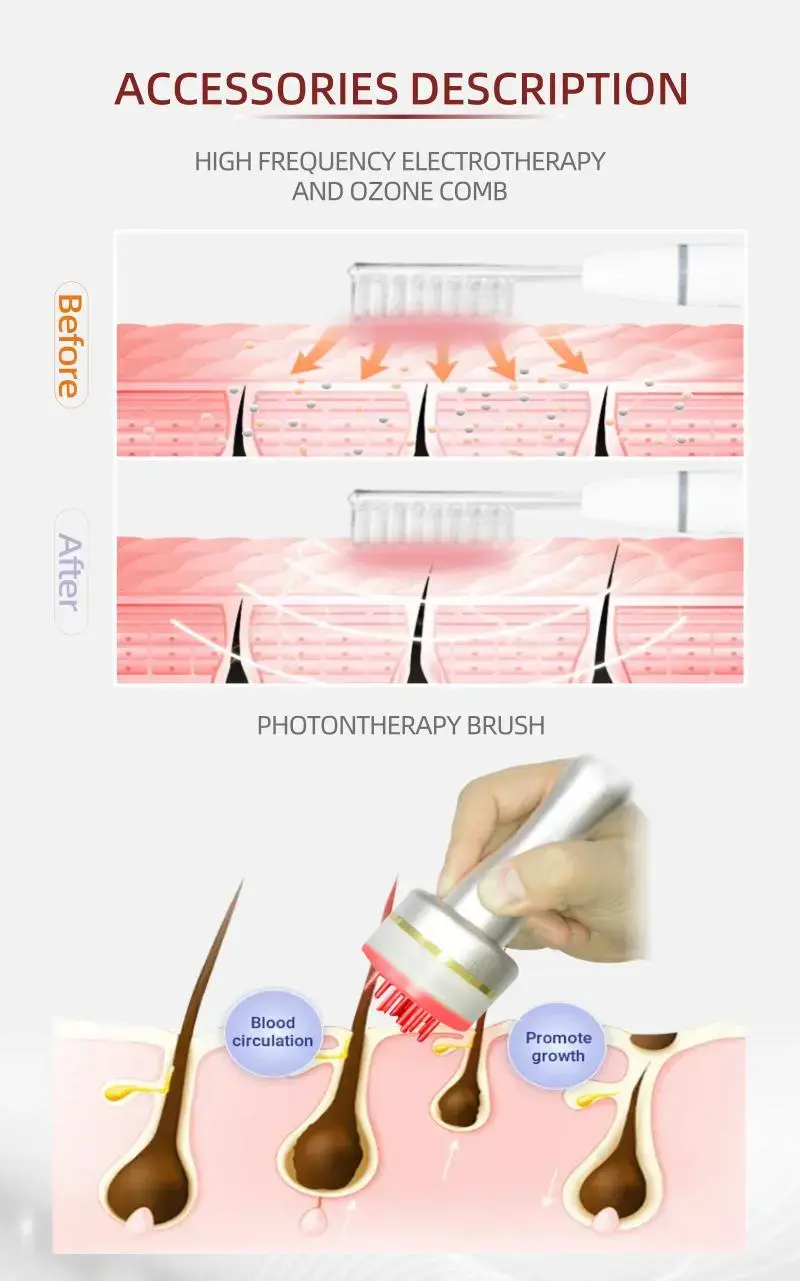
Low-level laser treatment and hair removal lasers work in very different ways. Instead of making heat that kills hair follicles, these systems send out coherent light at a frequency of 650nm that goes through the head without hurting it thermally. Clinical study shows that this wavelength improves blood flow to hair follicles by up to 55%. This brings important nutrients like ATP to the hair follicles while getting rid of dangerous byproducts like DHT. The follicle gets the metabolic building blocks it needs to go from a state of dormancy or weakness to one of active growth.
Diode Lasers vs. Alternative Technologies
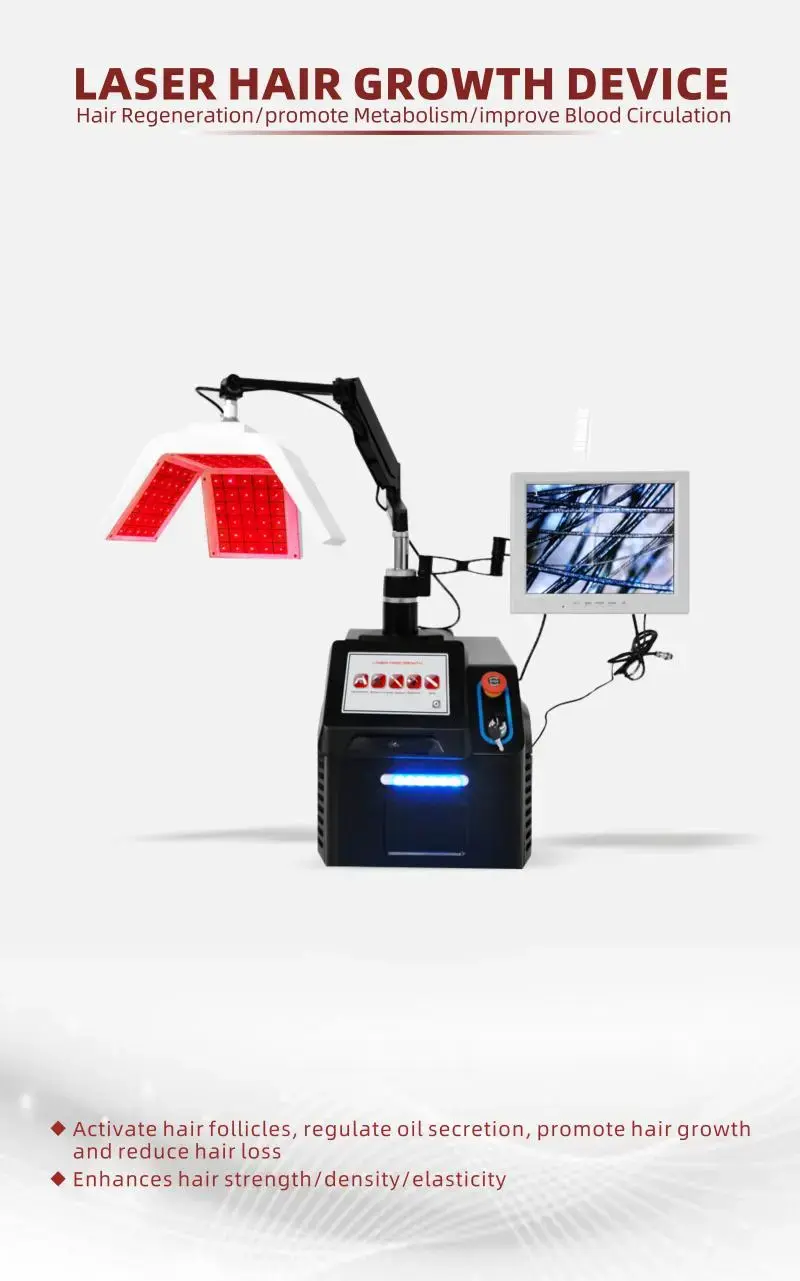
Knowing the difference between the different types of lasers keeps you from making expensive buying mistakes. True diode lasers give off uniform, one-color light with a very small spectral range, usually less than 5nm. Compared to LED systems, which send out light that isn't coherent and spreads out on the skin's surface, this coherent light can get deeper into the hair bulb. ipl machines can get rid of hair, but the broad-spectrum light they use isn't good for stimulating hair follicles. Professional-level gear, like TB's system, has 262 laser diodes, each providing 10mW. Together, they create the therapeutic energy density of 3–6 J/cm² that is needed for clinical effects.
Safety Profile and Treatment Protocols
Safety standards are things that can't be changed when choosing tools for diode laser hair growth machine. IEC 60825-1 laser safety classifications and IEC 60601-1 medical electrical equipment requirements are met by good tools. The 650nm range is safe for all Fitzpatrick skin types (I–VI) because it doesn't use thermal power, which means it doesn't cause discoloration or burns like melanin-targeting lasers do. Typical treatment plans include two to three 20- to 30-minute lessons a week, and results can be seen within eight to twelve weeks. The technology is great for busy clinics because it doesn't hurt and doesn't require any healing time.
Core Factors to Consider When Choosing a Diode Laser Hair Growth Machine
Power Output and Laser Density
There is a direct link between technical specs, treatment results, and clinic throughput. Laser density, or the number of diodes spread out across the treatment area, decides how well the head is covered. Professional systems usually have between 100 and 400 diodes, but more advanced models, like TB's, have 262 lasers that are carefully placed to make sure that the energy is spread evenly. Total system power is equally important; a 200W system has enough energy to give reliable results for a wide range of patient types. Consumer devices with less power can't offer the fluency needed for clinical-grade results, which makes it harder for your service to stand out in crowded markets.
Certification and Regulatory Compliance
International licenses are needed to legally do business and get into markets. The CE mark shows that the product is compliant with the rules of the European Economic Area, and the ISO13485 mark shows that the product meets the quality standards for making medical devices. Not just pieces of paper, these qualifications stand for checked production methods, the ability to track materials, and systems for keeping an eye on products after they've been sold. When judging a seller, you should ask to see proof of their certification and check their registration numbers against government databases. With established certification packages that include CE and ISO13485, manufacturers like TB can help you meet legal requirements and make importing easier in more than 180 export markets.
Return on Investment Analysis
Smart buying weighs the costs of acquisition against the long-term profits that can be made. Find the return on investment (ROI) by looking at how much the service costs in your market, how many sessions you plan to have, and how long the business will last. Professional diode systems usually last between 10,000 and 20,000 hours of use before their lumens start to fade significantly. With treatment fees averaging $80 to $150 per session and equipment costs running from $8,000 to $25,000, break-even usually happens between 6 and 18 months, based on how often the service is used. Total cost of ownership is affected by warranty coverage in a big way. Comprehensive plans that cover parts replacement for one to two years protect you from unexpected repair costs during your most important time of building your business.
After-Sales Support Infrastructure
Quality of technical help often has a bigger impact on how long equipment stays up and running than quality of the original build for diode laser hair growth machine. Check with providers about how quickly they promise to respond, how easy it is to get new parts, and how well they train operators. Companies with specific after-sales teams, like TB's 24-hour help system, keep downtime to a minimum so they don't lose money. Check to see if the training covers both the original setup and ongoing skill development as the business grows. International buyers should make sure that the help team can handle their preferred language and different time zones, as these are important things to know when they are having problems.
Comparing Top Diode Laser Hair Growth Machine Brands and Suppliers
Evaluating Manufacturer Credentials
Instead of marketing claims, a brand's image comes from its track record of success. You can find information about makers in a number of places, such as trade magazines, suggestions from other clinics, and third-party review sites. Companies that have been around for a long time, like manufacturers that have been around since 2009, usually have stable supply lines and well-tuned production methods. Check to see if providers have their own research and development (R&D) departments that can handle technical problems and come up with better products. The TB structure, which includes separate production departments, quality inspection teams, and foreign sales sections, shows the level of organization needed to deliver products consistently.
Supplier Reliability Indicators
Beyond the quality of the goods, procurement satisfaction is also affected by how well the provider can run its business. Find out how much can be made by asking about wait times and the ability to handle large orders. Professional sales operations have clear price systems that include warranty terms and shipping cost breakdowns. Ask centers that are about the same size and in the same market as yours for customer examples. When suppliers offer plant tours and hands-on training, it shows that they are confident in their business and want to build partnerships instead of just doing business with you. Geographic diversity in export markets—TB currently works with more than 180 countries—indicates that the company is good at both transportation and customs paperwork.
Strategic Procurement Practices
Negotiation skills go beyond unit price and include the value of the whole connection. If you want to create your own service branding, look into OEM/ODM customization choices and bulk price tiers when you buy a lot of units. Talk about how to change the language of user interfaces and working instructions. This will make training staff easier and make sure that everyone gets the same care. Make sure you understand the payment terms and options. Bank transfers, credit cards, and trade assurance programs are all flexible choices that can help you handle your money better. International buyers should check with their sellers to see if they handle customs paperwork and offer DDP (Delivered Duty Paid) shipping choices to make moving goods across borders easier.
Practical Usage and After-Sales Considerations for B2B Buyers
Operator Training and Skill Development
Better equipment doesn't mean anything if the people who work with it aren't trained properly for diode laser hair growth machine. Comprehensive training programs should cover how to use the device, how to adapt the treatment plan to different types of hair loss, and how to fix common operating problems. Good providers give you thorough instructions, such as written manuals and video demos, in the language you choose. TB's training method includes ongoing videoconferencing meetings until operators show they are proficient. This makes sure that your team can provide consistent results from the start. When treatment methods change or when you hire more staff, you might want to check with your sources to see if they offer regular refresher training.
Maintenance and Technical Support
Preventative repair has a direct effect on how long equipment lasts and how consistently treatments work. Instead of complex laser systems that need expensive part changes, diode arrays only need basic maintenance, like cleaning the laser screens every day with isopropyl alcohol to get rid of sebum and other things that get in the way of light. Calibration of the power meter once a year makes sure that the dose stays within therapeutic ranges. When technology problems happen, how quickly you can fix them is very important. Suppliers who offer help 24 hours a day, seven days a week through multiple contact methods will cause you the least amount of trouble with your routine. Check to see if the parts you need are available and how long it usually takes for them to get to you. Long wait times for new parts cost you money and make customers unhappy.
Real-World Application Success
Clinical deployment situations show benefit that goes beyond technical details. Dermatology centers use these systems as part of their post-transplant recovery plans. They help reduce shock loss and speed up graft healing during the crucial two to four weeks after surgery. Medical spas use laser therapy, PRP shots, and microneedling together, taking advantage of the scalp's greater permeability to help topical treatments work better. High-volume hair restoration centers like that the hands-free operation lets them do full-scalp treatments in 15 to 20 minutes and lasts for 10 or more hours a day without the heat shutdown problems that are common with consumer-grade equipment. These different uses show that technology can be used in a range of business models and healing approaches.
Conclusion
In 2026, choosing the best diode laser hair growth machine means finding a balance between scientific performance, supplier trustworthiness, and long-term support infrastructure. The best investments have accurate 650nm wavelength delivery, enough laser density for full coverage, and strong approvals that make sure your target markets follow the rules. Besides the tools itself, the training programs, responsive technical support, and parts availability of the provider you choose will also affect how consistently your investment pays off. With 15 years of experience making things and export networks that reach more than 180 countries, companies like TB offer the operating stability and technical know-how that turn buying new equipment into successful service expansions. Doing your research during the selection process, like checking certifications, judging the skills of suppliers, and figuring out the total cost of ownership, sets the stage for clinical success and business growth.
FAQ
1.What distinguishes professional diode laser hair growth machines from consumer devices?
When compared to market goods, professional systems have a lot more laser density and power output. Clinical-grade equipment has 100–400 individual laser diodes, while home-use devices only have 80–100. This makes sure that the whole head is covered and that the therapy energy levels are met. Professional machines also have active cooling systems that let them run 24 hours a day without stopping because of heat. This is necessary for high-volume clinics where the machines may run 8 to 12 hours a day.
2.How do I verify claimed wavelength accuracy?
Ask for information on spectral analysis done with spectrometers that have been properly adjusted. Real diode lasers have a narrow spectral spread of less than 5nm, with 650nm as their center. Broad bandwidths mean that LEDs are being used instead of real laser diodes, which means that the hair follicles are not being penetrated well enough. Reputable makers either give proof of testing by a third party or let you check it yourself before you buy.
3.What warranty coverage should I expect?
Standard guarantee terms in the industry are between one and two years and cover flaws in the manufacturing process and failures of parts that were not caused by human error. During the warranty time, free replacement parts and work should be part of the full covering. Make it clear if the guarantee covers the costs of shipping new parts internationally and what paperwork is needed to file a claim.
Partner with TB for Advanced Hair Growth Solutions
TB has been making professional laser beauty tools since 2009, and their low-level laser therapy technology is used in clinics and spas in more than 180 countries. Our qualifications as a diode laser hair growth machine maker include CE and ISO13485 certifications, which make sure that your equipment meets medical device standards around the world. The system has 262 laser diodes that are perfectly calibrated and work at a frequency of 650nm. It also has a total power output of 200W and 200X skin recognition built in for customized treatment plans. In addition to high-quality equipment, we offer full operator training, technical help 24 hours a day in the language of your choice, and OEM customization services for companies that are making their own treatment plans. Contact susan@taibobeauty.com right away to talk about your specific needs, get full specs, and find out how our two-year insurance program and bulk buying choices can help you get the most out of your investment while also growing the services you can offer for hair regrowth.
References
1. Avci, P., Gupta, G.K., Clark, J., Wikonkal, N., & Hamblin, M.R. (2014). Low-level laser (light) therapy (LLLT) for treatment of hair loss. Lasers in Surgery and Medicine, 46(2), 144-151.
2. Jimenez, J.J., Wikramanayake, T.C., Bergfeld, W., Hordinsky, M., Hickman, J.G., Hamblin, M.R., & Schachner, L.A. (2014). Efficacy and safety of a low-level laser device in the treatment of male and female pattern hair loss: a multicenter, randomized, sham device-controlled, double-blind study. American Journal of Clinical Dermatology, 15(2), 115-127.
3. Lanzafame, R.J., Blanche, R.R., Bodian, A.B., Chiacchierini, R.P., Fernandez-Obregon, A., & Kazmirek, E.R. (2013). The growth of human scalp hair mediated by visible red light laser and LED sources in males. Lasers in Surgery and Medicine, 45(8), 487-495.
4. Mester, E., Mester, A.F., & Mester, A. (1985). The biomedical effects of laser application. Lasers in Surgery and Medicine, 5(1), 31-39.
5. Yamazaki, M., Miura, Y., Tsuboi, R., & Ogawa, H. (2003). Linear polarized infrared irradiation using Super Lizer is an effective treatment for multiple-type alopecia areata. International Journal of Dermatology, 42(9), 738-740.
6. Zarei, M., Wikramanayake, T.C., Falto-Aizpurua, L., Schachner, L.A., & Jimenez, J.J. (2016). Low level laser therapy and hair regrowth: an evidence-based review. Lasers in Medical Science, 31(2), 363-371.





YOU MAY LIKE