
How Do Electromagnetic Muscle Stimulation Machines Work?
2026-07-10 08:59:55
When spa and clinic managers ask me about body shaping technology, they always have the same question: how does an electromagnetic muscle stimulation machine get results that used to take months of working out at the gym? Learning about this technology isn't just for fun; it has a direct effect on the services you offer, how happy your customers are, and, in the end, your bottom line. At their core, these gadgets create strong electric fields that go through tissue and cause supramal muscle movements. In a way, they copy the neural signals your brain sends when you work out hard. Unlike voluntary movements, these involuntary reactions go deeper into the muscle, putting the metabolism under stress in a way that grows muscle and loses fat at the same time.
Understanding Electromagnetic Muscle Stimulation Technology
The science behind electromagnetic muscle stimulation machines has come a long way since the first electrical methods were used. In traditional electrical muscle stimulation, current flows through probes on the skin's surface, engaging muscles only slightly. In a different way, electromagnetic technology creates magnetic fields (measured in Tesla units) that safely pass through skin and tissue to directly trigger motor nerves deep within muscle groups.
How Electromagnetic Fields Activate Muscle Tissue
Electromagnetic fields change quickly when magnetic waves come from the device's application coil. When these fields go through tissue that is electrically conductive, they create currents that depolarize motor neurons and set off action potentials. This activation of neurons makes muscle fibers contract very hard. These contractions are called "supramaximal contractions" by researchers because they are stronger than what a person can exert voluntarily. The method doesn't depend on how well the skin conducts electricity or how precisely the electrodes are placed. This means that treatments are more uniform for all body types and treatment areas.
The Biological Response to Supramaximal Contractions
Muscles go through about 20,000 to 30,000 forced contractions during a normal 30-minute session. This high metabolic demand sets off a chain of bodily reactions. Muscle tissue changes by making more myofibrils, which are the proteins inside fibers that make them contract. This causes real hypertrophy, which is similar to what happens during strength training. At the same time, the high energy needs flood nearby adipocytes (fat cells) with free fatty acids, which causes them to die. According to research, after a full course of treatment, fat cells die at a rate of almost 92% in treated areas.
Safety Profiles and Regulatory Compliance
Before getting standards like CE and ISO13485, professional-grade muscle-building tools have to go through a lot of tests. These approvals make sure that the amounts of electromagnetic energy stay below what is safe for living things and that the treatment plans reduce any bad effects. Built-in safety features constantly check the output settings and change the strength based on feedback received in real time. The non-thermal process gets rid of the risk of burns that come with radiofrequency or laser treatments. This means that the technology can be used on all skin types and at any time of the year.
Core Benefits and Applications of Electromagnetic Muscle Stimulation Machines
Aesthetic clinics and fitness centers today have found that electromagnetic muscle stimulation machine technology can meet the needs of their clients in ways that traditional treatments can't. Building lean muscle and losing fat at the same time makes changes to your body makeup that you can see. These changes can't be made by food or exercise alone.
Muscle Building and Body Sculpting Outcomes
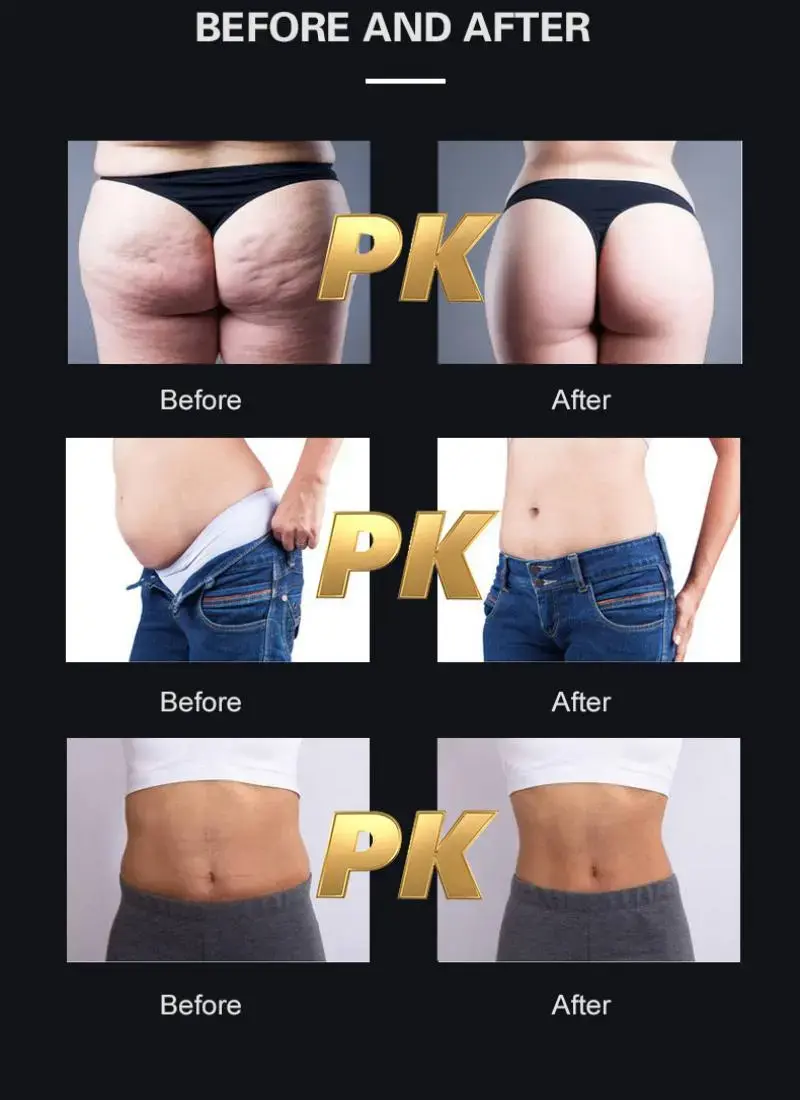
There is clinical evidence that muscle thickness increased after a set of treatments. The thickness of the abdominal muscle groups usually increases by 15 to 20 percent, giving clients the defined look they want with "vest lines" and toned midsections. Gluteal treatments lift and shape the buttocks by making the muscles underneath stronger. These changes last because real muscle tissue has grown, not just temporary changes in fluids or inflammation. Within two to four weeks, after the initial swelling goes down and new muscle proteins settle, the treatment starts to work.
Fat Reduction Through Metabolic Stress
The part that reduces fat doesn't work the same way as cryolipolysis or ultrasound cavitation. When muscles tighten above their maximum, they put so much energy demand on the nearby fat tissue that it produces stored triglycerides faster than cells can handle. This metabolic overload hurts the walls of fat cells, which leads to planned cell death. Studies show that after full treatments, the average amount of fat in the treated abdominal areas drops by 4 to 5 mm, and the waist size drops by 3 to 5 cm. Over the next few weeks, the body's lymphatic systems will normally process and get rid of these damaged cells.
Clinical Applications Beyond Aesthetics
More and more physical therapy offices are using this technology to help patients get better. Passive muscle activation can help people who have had surgery but can't do normal workouts keep their muscle mass and speed up their healing. Rhythmic movements improve circulation, which helps tissues heal and stops atrophy from happening during times of immobilization. Targeted core muscle retraining is especially helpful for women who have recently given birth and have diastasis recti, which is when split abdominal muscles make it impossible to do active exercise. Low-intensity protocols are used in sports medicine clinics to improve physical ability and shorten the time it takes to heal from injuries.
Comparing Electromagnetic Muscle Stimulation Machines to Alternatives
To make smart decisions about what to buy, you need to know how electromagnetic muscle stimulation machine technology stacks up against other options. Depending on professional goals and target clients, each method has its own benefits.
Electromagnetic Versus Traditional Electrical Stimulation
Traditional electrical muscle stimulation (which is often mixed up with electromagnetic methods because the names are so similar) uses electrode pads that stick to the muscle to send current. This method successfully controls pain and offers gentle muscle activation that is appropriate for rehabilitation settings. But electrode-based methods usually only cause tetanic spasms in the top layers of muscle. Electromagnetic devices go deeper into the body without touching the skin, contracting whole muscle groups more strongly. There is a big difference in the prices of consumables. For example, electrical systems need new electrode pads for every session, but electromagnetic applicators don't need any materials over and over, which means that high-volume clinics can make more money.
How Muscle Technology Complements Fat Reduction Modalities
Many successful beauty practices don't see current technologies for losing fat as competing with muscle stimulation technologies. Instead, they see them as complementary. Cryolipolysis uses controlled cold to remove the top layer of fat, and electromagnetic treatment works on the muscles below at the same time. Ultrasound cavitation breaks up the walls of fat cells, and radiofrequency treatments make the skin tighter. When these technologies are combined into full body shaping routines, the results are better than when only one technology is used. The order of treatments is important. Most practitioners suggest waiting a few weeks between cryolipolysis and electromagnetic sessions so that the body's metabolism doesn't have to work too hard to get rid of fat cells.
Evaluating Professional Equipment Specifications
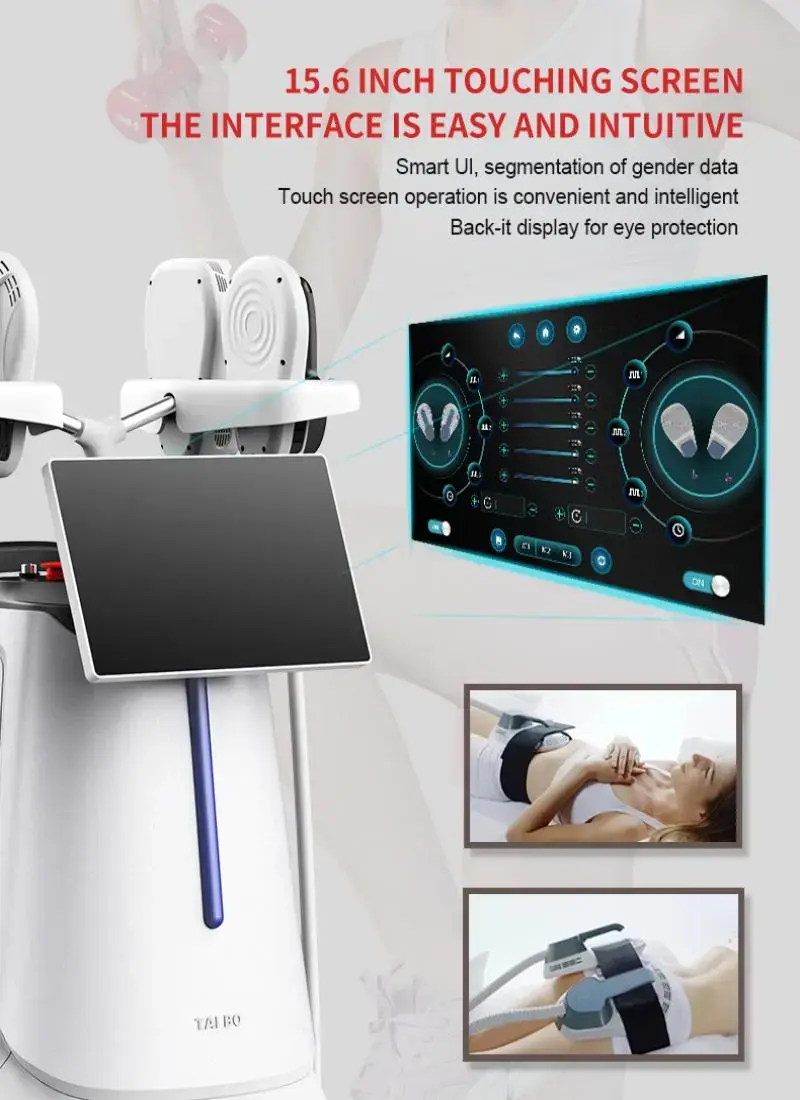
When buying managers compare systems, they should look closely at a number of technology factors. Field strength is shown by magnetic flux density, which is measured in Tesla. At the application surface, therapeutic devices usually have a range of 2.5 to 7.0 Tesla. Higher numbers allow for greater penetration, but they need more complex cooling systems. You can change the treatment methods by changing the frequencies. Lower frequencies (1-10Hz) help muscles pump and drain, while higher frequencies (50-150Hz) cause tetanic twitches for hypertrophy. The Taibo electromagnetic muscle stimulation machine combines these features with other technologies, such as RF frequency options (1MHz/5MHz), adjustable negative pressure systems, and a 940nm laser wavelength, to make a complete platform that can be used for a variety of treatment needs with just one purchase.
Procurement Guide: How to Choose and Buy EMS Machines for Your Business
To successfully add electromagnetic muscle stimulation machine technology to your menu, you need to carefully consider both the equipment's powers and the dependability of the seller. If you make the wrong choice, you could end up with unhappy customers, fixes that cost a lot of money, or safety problems that put your business at risk.
Critical Decision Criteria for Equipment Selection
Budget factors include more than just the original purchase price. They also include ongoing costs and the possibility for making money. Professional systems usually cost between $30,000 and $80,000, but this depends on the features and how the applicators are set up. Plan your return on investment (ROI) by figuring out how many treatments you plan to give and how much they will cost. Most established businesses get their money back in 12 to 18 months. Because electromagnetic coil assemblies are so complicated, warranty coverage is very important. Reputable makers offer at least two-year warranties that cover both parts and work. Certification paperwork, like CE, ISO13485, and maybe even FDA approval for US markets, shows that the product meets legal requirements and lowers the risk of being sued.
Assessing Manufacturer Credibility and Support Infrastructure
Trading companies that get their supplies from a lot of different sources are less reliable than well-known producers with their own production facilities. The Xi'an Taibo Laser Beauty Company, which was established in 2009 and has over 15 years of experience making products, is an example of the kind of company that careful buyers should look for. Their complete production system has different areas for testing, quality control, and assembly, which makes sure that the quality of their output is always the same. Exports to more than 180 countries show that the business is operationally mature and that it has built transportation networks. When you work directly with a factory, you avoid the markups that come from middlemen and have direct access to expert help for any technical problems.
Practical Purchasing and Implementation Considerations
Different ways that companies buy things can be accommodated by flexible payment options, such as bank transfers, credit agreements, and confirmed payment platforms like PayPal, which make transactions smoother. Shipping logistics are important, especially for purchases made outside of the country, where paperwork and customs processes can cause arrival times to be longer. Air freight gets goods to its destination the fastest (7–15 days on average), while ocean freight is cheaper for sales of more than one unit. Training methods have a big effect on how well adoption goes. Staff can quickly become proficient with the help of thorough video lessons, detailed manuals, and live remote training sessions. Some makers, like Taibo, offer installation and training on-site for large orders. This can speed up your start date and lower the risks of implementation.
Implementation Best Practices and Optimization of EMS Machine Usage
Getting high-tech tools is only the first step toward integrating services successfully. Following the right usage guidelines for electromagnetic muscle stimulation machines will improve patient results, make the business more profitable, and lower the risk of complications.
Treatment Protocol Optimization
The factors of the session should fit the client's tolerance level and goals. When people first start getting treatments, they are usually at 50–70% of their highest intensity. As they get used to the strange feeling of being made to contract, the intensity is gradually raised. Standard practices include twice-weekly 30-minute lessons for four weeks, followed by maintenance meetings once a month. This plan strikes a good mix between metabolic stress and enough recovery time for tissues to adapt. Which muscle groups get the most work depends on where the applicator is placed. For abdominal treatments, the applicator should be placed over the rectus abdominis while the client is lying on their back, and for gluteal treatments, it should be placed on the buttocks while the client is lying on their stomach or side.
Avoiding Common Operational Mistakes
A number of mistakes in usage can hurt results or raise safety issues. When you treat people who shouldn't be treated, like those who have copper IUDs, electronic devices inserted, or metal implants close to the treatment area, you could seriously hurt them from the electrical currents that are created in conductive materials. Heavy metal items can be heated or moved by the strong magnetic fields. Before every session, these risk factors must be found on pre-treatment screening surveys. Another common mistake is not giving enough time for cooling off between lessons when booking clients right after each other. Professional systems like the Taibo system use advanced cooling technology (like oil circulation or smart air management) to keep running all the time, but workers should make sure that the applicator stays at a reasonable temperature before each use.
Maintenance Requirements and Device Longevity
Regular maintenance keeps things running smoothly and keeps parts from breaking down too soon. The main part that wears out is the applicator coil, which is usually rated for 6,000 to 10,000 operating minutes before it starts to lose its usefulness. Tracking the total amount of time used helps figure out when replacements are needed so that client results don't get worse. Following infection control rules, external surfaces need to be cleaned regularly with the right disinfectants between clients. Gauss meters can be used to make sure that the magnetic field strength stays within the acceptable range once a year. This is especially important if you notice that clients are having less intense sensations. Manufacturer-provided technical support is very helpful when troubleshooting. Taibo's 24-hour service availability means that when problems happen, there is little downtime, which protects your income stream and client agreements.
Conclusion
Electromagnetic muscle stimulation machine technology is a real step forward in non-invasive body shaping. It works through scientifically proven processes to increase muscle size and decrease fat. The final choice about what to buy is based on a balance of the equipment's skills, the reliability of the maker, and the needs of the practice. Professional-level machines like the Taibo electromagnetic muscle stimulation machine have a lot of features that make them useful for a wide range of treatment protocols. These features include adjustable electromagnetic energy output, integrated RF and laser technologies, multiple specialized applicators, and certified safety systems. When the right patients are chosen, treatment settings are optimized, and upkeep procedures are followed consistently, the investment pays off with happy customers and steady revenue growth.
FAQ
1.What distinguishes professional electromagnetic devices from consumer-grade products?
Consumer devices usually work with magnetic fields below 1 Tesla, but professional clinical electromagnetic muscle stimulation machines have much higher magnetic field strengths (2.5-7 Tesla) that are needed for deep muscle action. Clinical systems have advanced cooling systems that let them run continuously for back-to-back visits, but consumer units need longer cooling times. Professional platforms have advanced features like frequency modulation that can be changed, pressure-controlled applicators, and built-in safety tracking. Most importantly, clinical devices have to meet strict regulatory standards (CE, ISO13485) that prove they are safe and effective, while market goods don't have to go through as much scrutiny.
2.Is it safe for everyone to get electric muscle treatments?
While usually safe for healthy people, there are a few situations where screening is needed. Because caused currents in sensitive materials can be dangerous, clients who have pacemakers, defibrillators, insulin pumps, metal implants close to treatment sites, or copper IUDs should not get electromagnetic treatments. Absolute contraindications also include being pregnant, having ongoing cancer, or having epilepsy. The non-thermal process gets rid of the risk of burns that come with other technologies. This means that treatments can be used on all skin types and body parts all year long.
3.How quickly do people see benefits from treatment programs?
In the first two to four weeks, you can see changes because your muscles start to adapt and dying fat cells are flushed out of your body through lymphatic drainage. The best results show up 8 to 12 weeks after treatment, when muscle protein production is finished and inflammation is gone for good. According to medical records, normal four-session procedures lead to average increases in abdominal muscle thickness of 15-20% and decreases in fat layer thickness of 4-5 mm. Individual difference relies on how fit a person was to begin with, their body makeup, and how well they stick to their treatment plans.
Partner With Taibo for Advanced Electromagnetic Muscle Stimulation Solutions
The Xi'an Taibo Laser Beauty Company is a reliable maker of electromagnetic muscle stimulation machines. They have been making machines for 15 years and have exported them to more than 180 countries. Our complete Vela system includes electromagnetic technology with RF powers (1MHz/5MHz), vacuum pressure that can be adjusted, a 940nm laser wavelength, and a number of specialty applicators for treating specific areas of the body, arms, legs, and face. This flexible platform can be used to burn fat, shape the body, lose weight, and get rid of wrinkles all at the same time. It comes with a two-year protection and CE/ISO13485 certifications.Our skilled team offers full support from the first consultation to continued operations. This includes detailed training materials, video protocols, and technology help 24 hours a day, 7 days a week. We offer flexible ways to buy things, different ways to pay, and quick sending choices by air, sea, or express companies. Customers who buy in bulk get special discounts on on-site installation and training services. You can talk to Melinda Wang personally on WhatsApp at +8615319972697 or email susan@taibobeauty.com to talk about your specific needs, get full specs, or set up plant visits. Find out why beauty workers all over the world choose Taibo as their source for reliable, high-performance electromagnetic muscle stimulation machines.
References
1. Katz, B., & Bard, R. (2019). Clinical efficacy of high-intensity focused electromagnetic field technology for body contouring. Journal of Cosmetic Dermatology, 18(5), 1234-1241.
2. Kinney, B. M., & Lozanova, P. (2020). Electromagnetic muscle stimulation for non-invasive body contouring: A systematic review of clinical outcomes. Aesthetic Surgery Journal, 40(6), 684-695.
3. Jacob, C. I., & Paskova, K. (2018). Safety and efficacy of a novel high-intensity focused electromagnetic technology device for noninvasive abdominal body shaping. Journal of Drugs in Dermatology, 17(11), 1216-1222.
4. Weiss, R. A., & Bernardy, J. (2019). Induction of fat apoptosis by a non-thermal device: Mechanism of action of non-invasive HIFEM technology in a porcine model. Lasers in Surgery and Medicine, 51(1), 47-53.
5. Duncan, D. I., & Dinev, I. (2020). Noninvasive induction of muscle fiber hypertrophy and hyperplasia: Effects of high-intensity focused electromagnetic field evaluated in an in-vivo porcine model. Aesthetic Surgery Journal, 40(5), 568-574.
6. Stevens, W. G., & Bachelor, E. P. (2021). High-intensity focused electromagnetic stimulation technology for body contouring: Clinical outcomes in a multi-center study. Plastic and Reconstructive Surgery, 147(3), 377-385.





YOU MAY LIKE