
RF Fractional Microneedling Machine vs Laser Treatments: Which Is Better?
2026-07-10 08:59:57
When you look at different technologies for rejuvenating skin, the rf fractional microneedling machine stands out as a flexible option that strikes a good mix between safety and effectiveness. RF microneedling sends radiofrequency energy straight into the skin through insulated needles. This is different from traditional laser treatments, which remove tissue by focusing light energy on it. This method reduces damage to the epidermis while changing collagen in a big way. RF microneedling is a great option for clinics that want to treat a wide range of skin types with little downtime. It also has strong benefits for both clinical results and patient happiness.
Understanding RF Fractional Microneedling Machines and Laser Treatments
How RF Fractional Microneedling Works
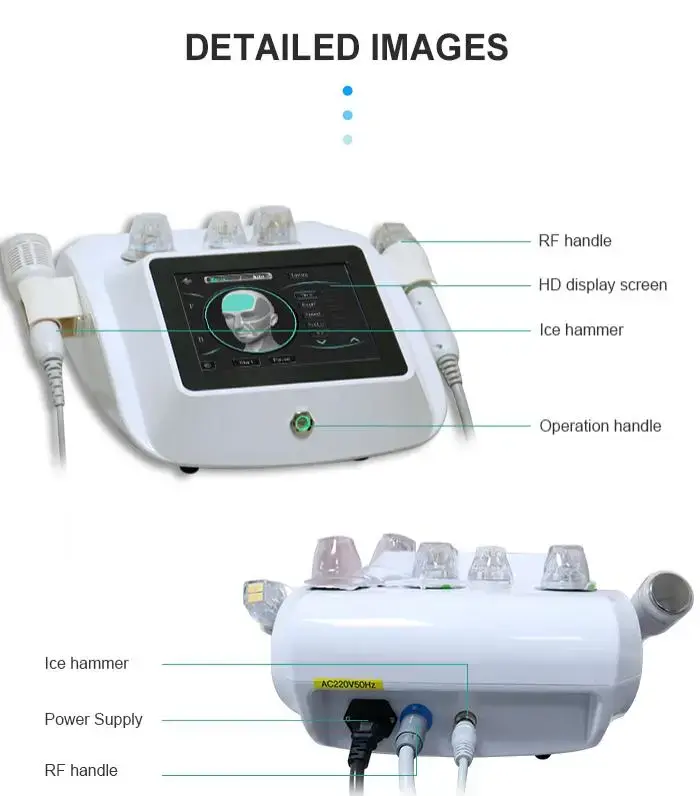
The controlled release of heat energy and mechanical collagen induction are combined in rf fractional microneedling machine technology. The device uses very thin, gold-plated pins that can go through the skin at different levels (from 0.5 mm to 3.5 mm), making micro-channels and releasing bipolar radiofrequency energy at the same time. This two-part system creates partial coagulation zones in the reticular dermis. This starts the body's natural wound-healing process without affecting the epidermal layer.Modern devices have different types of cartridges, such as 10-pin cartridges for sensitive areas around the eyes, 25-pin cartridges for face treatments, and 64-pin groups for body uses. The shielded needle design makes sure that the RF energy stays focused on the needle tip, keeping the tissue around it from being exposed to too much heat. With this level of accuracy, doctors can treat all Fitzpatrick skin types for anything from acne scars and loose skin to stretch lines and dark spots.
Laser Treatment Mechanisms
Laser systems work by sending focused light beams into skin tissue that target specific chromophores and heat them up selectively. By vaporizing tissue, CO2 fractional lasers make ablative columns that remove damaged skin layers to speed up the resurfacing process. Er:YAG lasers have similar ablative effects but less thermal diffusion. Non-ablative lasers, such as Nd:YAG and diode systems, heat skin tissues without disturbing the surface.These technologies are great at getting rid of pigmentation, treating vascular lesions, and roughening up the skin. But how well they work rests a lot on choosing the right frequency, calibrating the pulse duration, and having skilled operators. Melanin-rich skin types are more likely to get post-inflammatory hyperpigmentation with some lasers, which makes them less suitable for treatment than RF-based options.
Key Benefits and Limitations of Both Technologies
Advantages of RF Fractional Microneedling
Rf fractional microneedling machine technology has many perks that help with many medical issues at the same time. These benefits successfully solve common operating problems clinics face: flexible equipment lowers capital costs, faster recovery times increase patient throughput, and safety for a wider range of skin types reduces the complexity of consultations. Through replaceable nano-needle cartridges, the technology can mix invasive and non-invasive treatment modes, which makes the service menu even more flexible. Here are some of the core advantages:
- Universal skin compatibility: The protected needle design makes treatment safe for all Fitzpatrick skin types (I–VI) without a high risk of PIH, which means you can treat a lot more people.
- Minimal downtime protocols: Patients usually have mild redness for 24 to 48 hours, compared to 5 to 7 days with ablative lasers, which means they can get back to their daily lives faster.
- Customizable depth control: The entry can be changed from 0.5 mm to 3.5 mm, so it can be used to treat both surface texture problems and deep skin reshaping with the same device.
- Volumetric heating capacity: RF energy forms three-dimensional temperature zones that tighten septal structures right away and encourage long-term neocollagenesis over the next few months.
- Multi-area application: One piece of equipment can be used for multiple areas, such as rejuvenating the face, tightening the neck, shaping the body, and even treating hyperhidrosis.
Laser Treatment Strengths and Constraints
Laser technologies give dermatologists unmatched accuracy for certain skin problems. Ablative CO2 lasers are great for treating extreme photoaging or deep rhytides because they produce dramatic resurfacing effects that can be seen within weeks. Through specific pigment breakup, Q-switched lasers are still the best way to get rid of tattoos and treat melasma. Vascular lasers can successfully close off telangiectasias and leg veins by selectively absorbing blood.Even with these benefits, lasers have some major problems. Longer healing times make it harder for patients to follow through and for schedules to work well. People with darker skin need to use more careful choices for the parameters or risk hyperpigmentation problems. Most of the time, equipment costs more than RF systems because they need expensive new parts and services to be calibrated. Topical anesthetics or cooling devices are often needed because patients are uncomfortable during treatment, which makes the procedure more difficult.
Performance Comparison: RF Fractional Microneedling vs Laser Treatments
Clinical Efficacy in Scar Revision
Both methods show real improvements in atrophic acne scarring, but they do so in different ways. The rf fractional microneedling machine changes the structure of scars by breaking up fibrous bands physically and sending heat to the scar base, which helps collagen rebuild from the inside. Clinical studies show that 3–4 treatment sessions, one every month, can reduce the depth of scars by 30–50%.Ablative fractional lasers damage the skin in tiny streams of heat that speed up the renewal of the epidermis and reshaping of the dermis. Results usually show up faster—improvements can be seen in 4 to 6 weeks—but it takes longer to heal between lessons. The strong nature has more dramatic results after a single treatment, but it also raises the risk of complications in hands that aren't very experienced.
Wrinkle Reduction and Skin Tightening Outcomes
Because it can heat up large areas of skin, RF microneedling is great for treating skin sagging. The technology uses heat contraction to tighten collagen fibers that are already there and to boost fibroblast activity so that collagen can be made over time. As neocollagenesis continues, patients gradually feel better over 3 to 6 months. For the best results, multiple treatment rounds are needed.Non-ablative lasers can thicken the skin in the same way by burning the deep layers of the skin, but they usually need more sessions to get the same results. Ablative lasers are better at getting rid of wrinkles on static rhytides because they remove tissue more aggressively and help it grow back, but the time it takes to heal means that treatments can't be done too often.
Patient Comfort and Treatment Dynamics
Treatment experience has a big effect on how many patients stay with the practice and how many are referred. RF microneedling treatments usually last between 20 and 40 minutes, based on the area being treated. Most patients can handle the treatments while applying local anesthesia. The power output (10–200W) and depth settings can be changed, which lets practitioners change the strength based on each patient's pain level and treatment areas.The amount of pain during laser treatments varies a lot. A lot of people feel warm and comfortable during non-ablative treatments, but nerve blocks or aware drugs are often needed for ablative procedures. The length of sessions varies from 15 minutes for spot treatments to over an hour for full-face resurfacing, which affects how quickly the clinic works and how well the schedule works.
Procurement Considerations for B2B Buyers
Technical Specifications and Regulatory Compliance
When choosing professional-grade gear, you need to carefully look at the tech specs and approval status. Good rf fractional microneedling machine systems work at the best frequencies, which are usually 2MHz or 5MHz. This makes sure that the resistance matches well with the skin's tissue so that the heat is delivered consistently. Pulse length can be changed from 100ms to 900ms, which controls the size of the coagulation zones. Vacuum-assisted mechanisms keep the tissue stable while the needle is inserted, which is especially important for areas with loose skin.Verification of regulatory compliance keeps your business safe from harm. According to MDR rules, medical equipment should have Medical CE approval, which shows that it meets strict IEC 60601-1 electrical safety standards and electromagnetic compatibility requirements. When a company gets ISO13485 certification, it means that their quality control processes meet international standards for medical devices. These credentials make sure that the device works the same way in different operating settings and tissue resistance levels.
Investment Analysis and After-Sales Support
A cost-benefit study needs to look at more than just the buying price. Rf fractional microneedling machine devices usually have lower purchase costs than high-end laser platforms and can be used for more types of treatments. Figure out how much it costs to replace things like needle capsules (which need to be replaced every 300 to 500 treatments, based on how often they are used) and the coupling gels or serums that are used during procedures.Total ownership costs are greatly affected by warranty coverage and service agreements. Complete deals should include parts and labor support for at least one year, with choices for longer protection. Service level agreements that ensure the availability of replacement parts and the speed of technical help responses are a good way to check how responsive the maker is. Training provisions make sure that your healthcare staff gets competent quickly, cutting down on the time it takes to learn new skills that can hurt revenue growth.
Supplier Credibility and Market Positioning
When you work with well-known makers, you get benefits that go beyond the quality of the products. Suppliers who have been in business for 15 years or more usually have well-honed production methods, strict quality control, and strong supply chain management. Exporting to more than 180 countries shows that you know how to handle logistics and follow the rules in a wide range of markets.A wide range of products means that the company is continuing to spend in research and development. Manufacturers that offer technologies that work well together, like IPL systems, body shaping equipment, and skin analysis tools, can help your business save money by bundling equipment and buying in bulk. Direct factory relationships get rid of markups that come from middlemen and make customization requests easier. This includes OEM/ODM services for private labeling or changing specifications.
Making the Right Choice: Which Technology Fits Your Needs?
Matching Technology to Clinical Objectives
Treatment goal alignment guides the approach for choosing tools. For offices that value flexible, multi-indication tools that can treat a wide range of skin problems, including uneven skin tone, scarring, and mild to moderate laxity, the rf fractional microneedling machine is a good choice. The technology is safe for all skin types, which is especially helpful for clinics that serve multicultural groups where laser rules might make it hard to provide enough services.It makes sense to invest in lasers for specialized practices that focus on specific niches, like pigmentation clinics that need Q-switched systems, hair removal centers that need high-repetition diode systems, or medical spas that focus on aggressive anti-aging protocols where patients are willing to spend a lot of time in recovery. To make the most money, some practices keep both technologies and help customers choose the right one for them based on their skin type and worries.
Future-Proofing Your Equipment Portfolio
As technology changes, it changes the world of beauty medicine. New developments in RF microneedling include better depth tracking systems, automated treatment routines, and built-in cooling systems that make patients more comfortable. When artificial intelligence is added, it claims to make unique parameter suggestions based on a person's skin analysis and treatment history.When choosing providers, look at how to upgrade tools and how to update software. Platforms with a modular layout let you add new features in small steps without having to update the whole system. When manufacturers promise backward compatibility, they protect your investment and let you use new features as they come out.
Conclusion
In the end, your clinic's strategic placement, customer demographics, and service goals will determine whether rf fractional microneedling machine technology or laser treatments are best. RF microneedling technology is very flexible; it can be used on all skin types with little recovery time and for a wide range of treatments, from rejuvenating the face to shaping the body. Laser systems are specialized tools that can do intense resurfacing and pigment correction, but they aren't right for everyone and the healing time is longer. If a practice wants to be as flexible as possible, make sure patients are safe, and use a cost-effective tool for multiple indications, RF fractional microneedling has a lot to offer. When making good procurement choices, it's important to find a balance between short-term clinical needs and long-term growth plans. This can be done by focusing on seller reliability, regulatory compliance, and full after-sales support structures.
FAQ
1.What recovery time should patients expect with each technology?
Most people who get rf fractional microneedling machine treatments have mild heat and swelling for 24 to 48 hours. This goes away quickly, and most people can go back to their normal lives within two days by covering up with natural makeup. Laser treatments are very different. Non-ablative procedures cause redness that lasts for two to four hours, while ablative CO2 treatments need seven to fourteen days of healing time that includes crusting, peeling, and being unable to do social activities. This difference has a big effect on how patients choose to schedule their appointments and how often they stick with their treatment in busy work groups.
2.How do operational costs compare between systems?
RF fractional microneedling tools have lower starting costs, and needle cartridges cost about $15 to $30 per treatment, based on how long the cartridge lasts. Laser systems need more money up front—often two to three times as much as RF systems—and they need expensive upkeep services like replacing optical parts, calibrating them, and giving staff and patients safety eyewear. Different types of lasers use different amounts of energy. For example, high-powered lasers need special electrical connections and cooling systems that add to the cost of running the facility.
3. How does an RF fractional microneedling machine compare to laser treatments in skin rejuvenation?
An RF fractional microneedling machine delivers radiofrequency energy through fine needles to stimulate collagen in deeper skin layers, while laser treatments use light energy to target skin surface and underlying tissue. The “better” option depends on skin concerns, downtime tolerance, and treatment goals—RF microneedling is often chosen for deeper skin tightening and lower risk of post-inflammatory pigmentation, while lasers are commonly used for surface texture, pigmentation, and resurfacing needs.
Partner with Taibo Beauty for Premium RF Fractional Microneedling Equipment
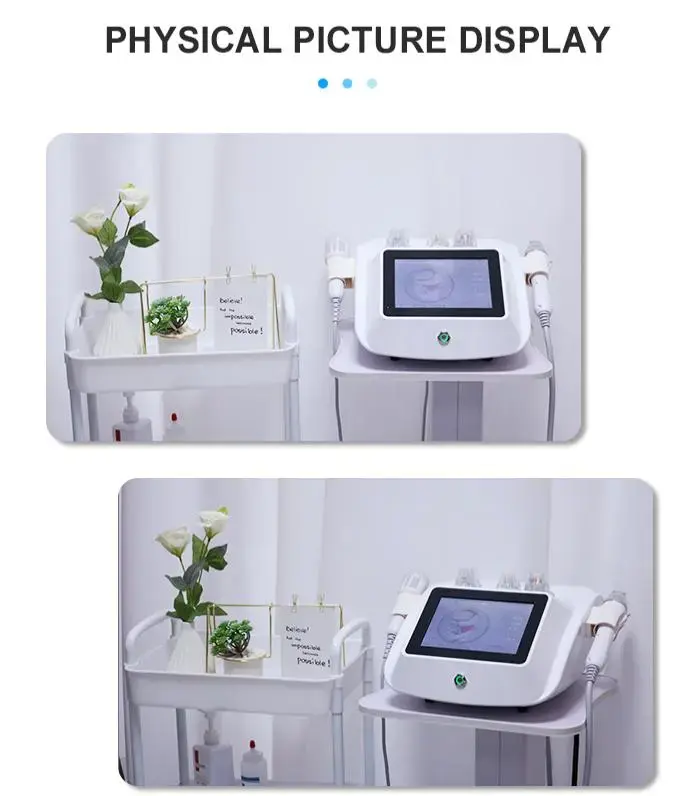
With over 15 years of production experience and extensive international experience, Taibo Beauty is a reliable rf fractional microneedling machine maker. Our high-tech systems have depth controls that can be adjusted up to 3.5 mm, a choice of cartridge types (10-pin, 25-pin, 64-pin, and nano-needle options), and two-handle designs with RF applicators and ice hammers to make the patient more comfortable. With CE and ISO13485 certificates, you can be sure that our gadgets meet the highest safety standards around the world and always give the same clinical results.We offer more than just high-quality equipment; we also offer full company support, including a two-year warranty, expert help 24 hours a day, seven days a week, and flexible OEM/ODM services for unique branding needs. Professional packing and a range of shipping choices make sure that your package gets to its destination safely. Our team can help you find the right tools to meet your unique business goals, whether you're adding new aesthetic services, growing your treatment menus, or upgrading current technology.Contact susan@taibobeauty.com right away to talk about how our machine options can help you offer more services and grow your business.
References
1. Alster, T.S., & Tanzi, E.L. (2021). Fractional Radiofrequency Microneedling: Mechanisms, Applications, and Clinical Outcomes in Dermatologic Practice. Journal of Clinical and Aesthetic Dermatology, 14(8), 42-49.
2. Goldman, M.P., Weiss, R.A., & Weiss, M.A. (2020). Comparative Analysis of Energy-Based Devices for Skin Rejuvenation: Laser vs Radiofrequency Technologies. Dermatologic Surgery, 46(3), 312-320.
3. Kim, J.K., & Park, E.J. (2022). Safety and Efficacy of Fractional Microneedle Radiofrequency in Various Skin Phototypes: A Multicenter Clinical Study. Aesthetic Surgery Journal, 42(5), 568-577.
4. Savoia, A., Vannini, F., & Baldi, A. (2019). Minimally Invasive Skin Tightening: Microneedling Radiofrequency Technology Advances and Clinical Applications. Plastic and Reconstructive Surgery Global Open, 7(11), e2503.
5. Zeichner, J.A., & Hirsch, R.J. (2020). Investment Strategies in Aesthetic Medical Equipment: Cost-Benefit Analysis of Emerging Technologies. American Journal of Cosmetic Surgery, 37(4), 215-223.
6. Zhang, L., Chen, W., & Wang, S. (2021). Fractional Radiofrequency Systems vs Ablative Lasers for Acne Scar Treatment: Systematic Review and Meta-Analysis. Journal of Cosmetic Dermatology, 20(9), 2789-2798.





YOU MAY LIKE